 AllergyPass
Singapore Food Allergy
Travel Guide
Singapore is easy to navigate, and English may make the first conversation simpler. Hawker stalls still use different recipes, sauces, stocks, and cooking equipment. This guide helps you decide what to ask, when a packaged label is more useful, and how to keep an emergency backup plan.
 Singapore
A useful preparation step for Singapore is to build your allergy card before you land.
Build My Singapore Allergy CardIn this hub
The Singapore allergen problem in plain terms
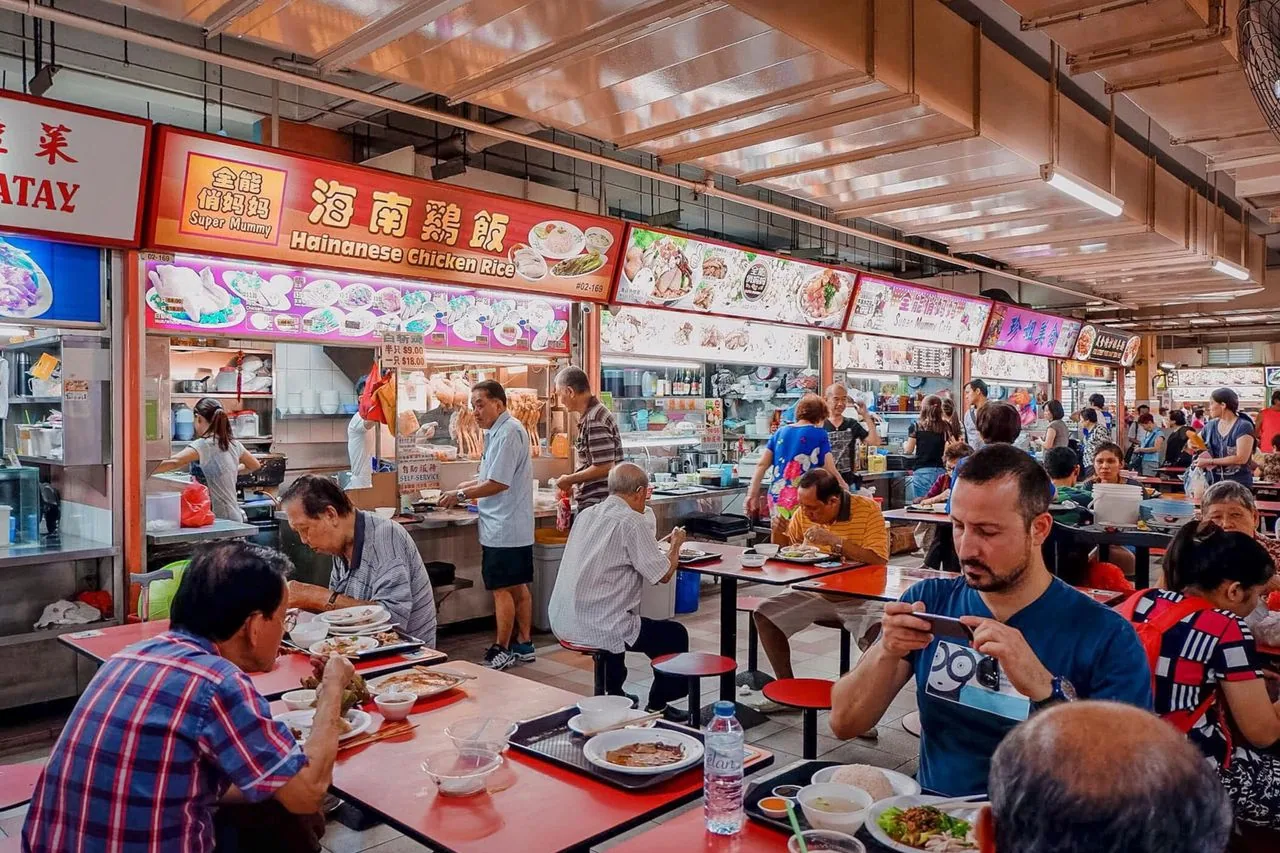
Singapore's hawker centres bring Chinese-Singaporean, Malay-Singaporean, Indian-Singaporean, and other food traditions together. That variety is useful, but it also means the same question can have a different answer from stall to stall. Depending on the recipe, ask about shellfish, dried shrimp, cockles, belacan, peanut sauces, soy sauce, wheat, milk or ghee, tree nuts, mustard, and shared equipment. English may make the conversation easier; it does not make an ingredient list automatic.
English fluency can make ordering feel easy, so it is tempting to skip the written card. At a busy stall, however, a short verbal exchange may not cover the sauce, stock, garnish, oil, or shared wok. A card gives the cook a second way to understand the allergy; it cannot guarantee that the stall can avoid the allergen.
Ingredients worth asking about
- Shellfish products: shrimp, dried shrimp, cockles, seafood stock, and oyster sauce may appear in dishes or sauces
- Belacan: fermented shrimp paste that may be used in sambal, gravies, or marinades
- Peanuts: may appear in satay sauce, rojak dressing, garnishes, desserts, or shared utensils
- Milk, ghee, tree nuts, and mustard: check the specific curry, bread, batter, tempering oil, and griddle
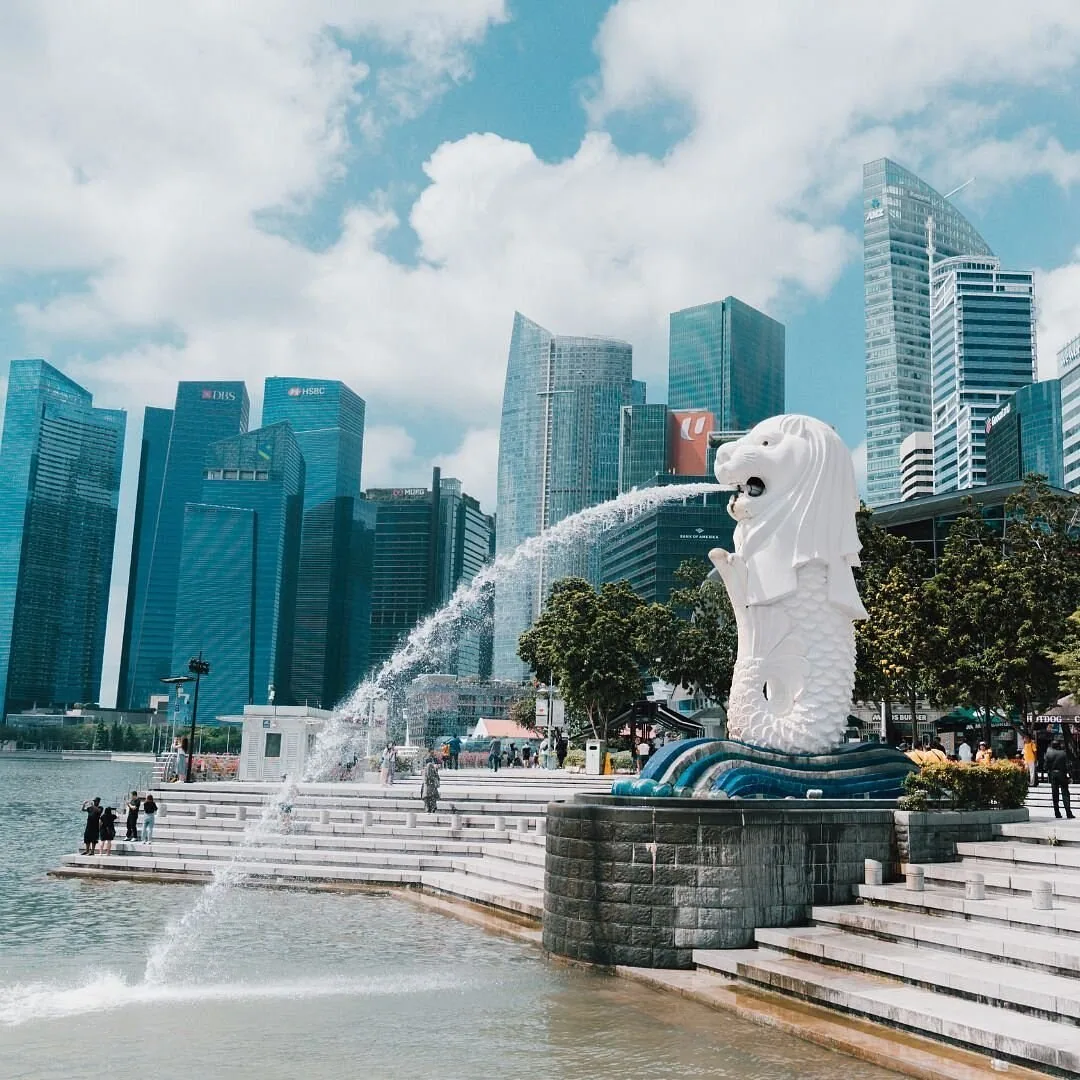
Singapore's food culture is multicultural by design. A single hawker centre may have Chinese Singaporean stalls (Hokkien mee, char kway teow, wonton soup), Malay stalls (nasi lemak, satay, mee siam), and Indian stalls (roti prata, biryani, fish head curry) operating side by side. Identify the stall and ask about the recipe, then ask whether the same wok, griddle, fryer, tongs, or ladle is shared with your allergen.
Chinese Singaporean food: allergens and risks
Chinese Singaporean cuisine
Chinese Singaporean cooking draws from Hokkien, Cantonese, and Teochew traditions. Soy sauce and oyster sauce appear in many stir-fries, noodle dishes, and marinades; check whether the specific product contains wheat. Dried shrimp or cockles may appear in char kway teow and noodle soups, while seafood stock and shared woks can matter even when shellfish is not visible.
Some stalls use peanut or sesame oil, and sesame oil may be added at the end of a soup or noodle dish. Ask about the actual oil and the surfaces, utensils, and ladles used for the order.
Malay Singaporean food: allergens and risks
Malay Singaporean cuisine
Malay cooking in Singapore may use belacan (fermented shrimp paste) in sambals, gravies, curries, and stir-fries. It can appear in nasi lemak sambal or mee siam gravy without looking like seafood. Ask about belacan, dried shrimp, fish sauce, and the stock or paste used in the specific dish.
Peanuts may appear in satay sauce, gado-gado dressing, and rojak. Coconut milk appears in laksa, nasi lemak, and curries; do not confuse coconut with tree nuts, but still ask about the ingredients relevant to your allergy.
Indian Singaporean food: allergens and risks
Indian Singaporean cuisine
Indian Singaporean food spans Tamil, South Indian, North Indian, and other traditions. Ghee or butter may be used in breads, rice, tempering, and finishing. Tree nuts may appear in particular biryanis, gravies, or desserts, and mustard seeds are used in some tempering. Ask about the specific recipe, not just whether a dish is vegetarian.
A vegetarian label can help with fish or shellfish questions, but it does not answer questions about milk, ghee, peanuts, tree nuts, wheat, or shared equipment. Indian Muslim restaurants (nasi padang) may use spice bases shared with Malay cooking, so screen the dish directly.
Tamil is one of Singapore's four official languages. At Indian Singaporean stalls, the Tamil allergy card names your allergens in Tamil and English.
Options to assess across Singapore
Chicken rice with sauces on the side: Ask about the rice, stock, marinade, chilli sauce, soy sauce, sesame oil, and shared utensils. “Plain” describes the presentation, not necessarily the preparation.
Vegetarian Indian dishes: A vegetarian label may answer fish or shellfish questions, but ask about milk, ghee, peanuts, tree nuts, wheat, mustard, and the shared griddle or serving utensils.
Focused grilled-meat stalls: A short menu can make questions easier. Check the marinade, glaze, basting brush, grill, and whether bread or other allergen-containing foods share the surface.
Mall food courts and packaged food: These may offer more visible menus or sealed products, but operator practices and stock vary. Use the Singapore Food Agency's food-allergy and labeling guidance for what prepacked labels can and cannot tell you.
Supermarkets for allergen-labeled food
Cold Storage, FairPrice Finest, Jason's / Market Place, and Don Don Donki are examples of places where you may find imported or packaged foods. Location, brand, and stock change, so treat these as search ideas rather than guarantees of a free-from range.
For prepacked food, read the complete ingredient list and advisory statements instead of relying on a “free-from” shelf or product name. Singapore Food Agency guidance explains which known allergens must be declared and why packaged-label information does not answer restaurant cross-contact questions. When a label is unclear, contact the food business or choose another product.
Landing at Changi
Related guides
For trips that extend beyond Singapore:
The regional fermented-seafood comparison and country-by-country risk table, for trips that extend beyond Singapore into Thailand, Vietnam, Cambodia, Indonesia, and Malaysia.
Neighboring countryMany of Singapore's hawker dishes share Malaysian roots. The Malay, Chinese, and Indian allergen breakdown for KL and Penang.
Your Singapore allergy card
A written allergy card is still the more reliable tool at a busy Singapore hawker stall, even with English widely spoken. It names derivative ingredients (belacan, shellfish stock, peanut sauce) alongside the primary allergen, which a fast verbal exchange during peak lunch service can miss.
Getting around Singapore
Singapore's MRT and bus network covers much of the city-state, which can make it easier to compare several food options. Leave time for detours, keep medication with you, and do not make a distant restaurant your only meal plan. The one exception is a same-day itinerary that continues north: search cross-border buses and trains to Malaysia below.
Where to stay
Orchard Road, Novena, Bugis, and Chinatown each create different trade-offs in transport, restaurants, groceries, medication storage, and accommodation kitchens. Compare the exact property rather than assuming a district is safer. If emergency access matters, save the route from the exact address to the nearest current emergency department and check how traffic or late-night transport affects that plan.
Full neighborhood breakdown: Where to Stay in Singapore with Food Allergies →
Experiences
A food allergy doesn't rule out Singapore's food-first culture. Hawker centre food tours and cooking classes are widely available, but operators vary in how well they can actually accommodate a real allergy rather than a general dislike - confirm in advance rather than assuming a tasting-focused tour will work around you.
Full experiences guide: food tours, cooking classes, and markets in Singapore with food allergies →
Emergency information
Singapore has multiple public and private emergency departments, but a static list cannot tell you which facility is appropriate from your exact location at a particular moment. For suspected anaphylaxis, follow your prescribed action plan, use prescribed epinephrine promptly, and call 995. Do not delay care while trying to reach a named private hospital.
Travel insurance
Check three things before you buy a policy for a Singapore trip: how it treats food allergies as a pre-existing condition, what emergency treatment and hospital arrangements it covers, and whether it includes medical evacuation if the treating team says a transfer is needed.
SafetyWing Nomad Insurance is one policy to compare, but its documentation does not name food allergies or anaphylaxis. Review the pre-existing-condition and evacuation terms and get written clarification before buying.
Pre-trip checklist
- Build your Singapore allergy card and save both a digital and printed copy
- Save 995 and the route to the nearest current emergency department from each accommodation
- Confirm your travel insurance covers anaphylaxis treatment and medical evacuation
- Carry your prescribed emergency medication accessibly, plus any backup your clinician recommends
- Learn which hawker stall type — Chinese, Malay, or Indian — carries your specific allergen risk
Read the full pre-trip checklist for a destination-agnostic version covering documents, medication, and packing.
Want the checklist as a printable download, plus new guides as they publish?
Free Food Allergy Travel Checklist →Frequently asked questions
Is Singapore safe for food allergy travelers?
Singapore does not come with a destination-wide food-allergy guarantee. English can make the conversation easier, and prepacked foods have regulated label requirements, but hawker stalls still vary in recipes, shared equipment, and how confidently staff can answer. A written card helps explain the allergy; it does not verify a kitchen.
What are the most common hidden allergens in Singaporean food?
At Chinese-Singaporean stalls, ask about shellfish, dried shrimp, cockles, soy sauce, wheat, sesame oil, and shared woks. At Malay stalls, ask about belacan or other shrimp products, peanut sauces, garnishes, and shared utensils. At Indian stalls, ask about ghee or milk, tree nuts in the specific curry, mustard, and shared griddles. The answer depends on the recipe and stall, not just the cuisine label.
How should I screen a hawker-stall dish?
Ask what is in the main dish, sauce, stock, marinade, garnish, and cooking oil, then ask whether the same wok, griddle, fryer, tongs, or ladle is used for your allergen. A plain-looking dish can still carry an allergen through a sauce or shared surface. If the answer is uncertain, use a packaged food with a label you can read or choose another meal.
What should I do during a serious allergic reaction in Singapore?
Follow your prescribed emergency action plan and use prescribed epinephrine promptly for suspected anaphylaxis. Call 995 for a life-threatening emergency and follow the dispatcher's instructions. Save the route to the nearest current emergency department from each accommodation, and do not delay care while trying to reach a particular private hospital.
This article is for informational and travel preparation purposes only and does not constitute medical advice. Always consult a qualified healthcare professional before traveling with a food allergy, and carry any prescribed emergency medication at all times. See our full medical disclaimer.