Getting Around Asia
with Food Allergies
Moving between cities and countries in Asia is one of the most logistically interesting parts of an Asian trip. It is also one of the least-discussed allergy challenges. Overnight trains, long-haul buses, and island ferries all involve hours in transit with limited food options, unfamiliar vendors, and no allergen information systems.
Booking transport across Asia
One of the practical advantages for allergy travelers using advance booking platforms is removing the need to navigate local ticket queues, bus stations, and travel agencies in an unfamiliar language. When you are managing a food allergy in a new country, reducing cognitive load on logistics frees attention for the food environment itself.
12Go covers transport bookings across Thailand, Vietnam, Malaysia, Singapore, Indonesia, Cambodia, Japan, South Korea, and more. Search routes, compare schedules, and book in English. Confirmed tickets mean you arrive at the station knowing your seat is secure, without navigating local booking systems or queues.
Search routes on 12GoFor allergy travelers specifically, advance booking has a second benefit: knowing your route and timing in advance lets you plan food accordingly. A 12-hour overnight train from Bangkok to Chiang Mai starts at 6pm and arrives at 6am. Knowing this, you can shop at a Bangkok supermarket before departure and carry everything you need for the journey.
Transport types by allergen risk
Overnight trains
Overnight trains are a defining experience of overland travel in Asia. They are also the transport format with the most on-board food interaction: dining cars, food vendors who board at stations, and the cultural expectation of eating during a long journey.
Thailand (State Railway of Thailand): The Bangkok to Chiang Mai, Bangkok to Surat Thani (for Koh Samui), and Bangkok to Chiang Rai overnight routes are popular with travelers. Dining car food is Thai: rice dishes, noodle soups, and stir-fries prepared in a small kitchen. No allergen information is provided. Fish sauce, oyster sauce, and peanuts appear in standard preparations. Bring your own food; treat dining car food as unknown risk.
Vietnam (Vietnam Railways): Soft sleeper carriages on the Reunification Express (Hanoi to Ho Chi Minh City, up to 35 hours) have vendors who board at stations selling bánh mì, instant noodles, and packaged snacks. Bánh mì typically contains wheat, sometimes peanut sauce or pate. Packaged snacks are labeled in Vietnamese with no English translation. Bring your own food for the full journey duration.
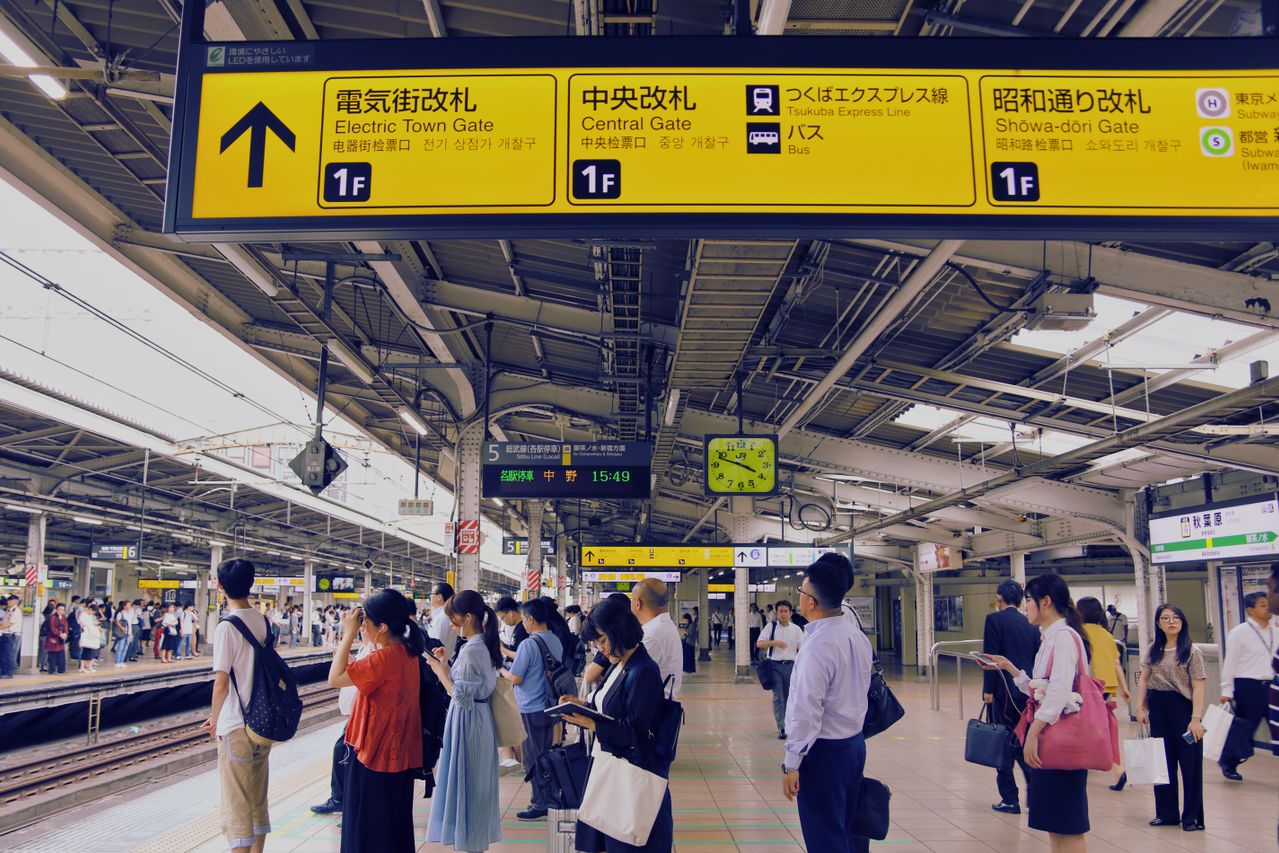
Japan (Shinkansen and regional rail): Japan's train network is the safest in Asia for food allergy travelers. Ekiben (train station bento boxes) sold at major stations carry ingredient lists with mandatory allergen declarations under Japan's 28-allergen system. Convenience stores on platforms (Lawson, NewDays, FamilyMart) label all packaged food with allergen information. The shinkansen itself does not have a dining car but food and drink carts pass through periodically with packaged, labeled items.
South Korea (KTX and Mugunghwa): KTX high-speed trains have a cafeteria car selling packaged food with Korean-language allergen labeling. Convenience stores at major stations (Seoul, Busan, Daejeon) stock labeled packaged food. South Korea's 22-allergen labeling system means packaged train station food is reliably declared, though labels are in Korean script.
Malaysia and Singapore (KTM): The KTM Intercity service between Kuala Lumpur and Bangkok (via the Thai border) passes through rural Malaysia with limited on-board food. Food vendors board at stations selling nasi lemak, roti, and packaged snacks. No allergen declaration system applies to vendor food. Bring your own.
Long-haul buses
Long-haul bus travel is the primary transport method between many city pairs in Southeast Asia. VIP sleeper buses (Thailand, Vietnam, Cambodia, Laos) are overnight services that include one or two rest stops at roadside service stations. These service stations are the main food access point for bus passengers and are uniformly high-risk allergy environments: buffet-style prepared food, no labeling, shared serving utensils, and limited English.
The standard approach: eat before boarding from a restaurant or supermarket where you have verified ingredients. Carry snacks sufficient for the full journey. Treat the roadside stop as a bathroom and stretch break, not a meal opportunity.
For popular routes (Bangkok to Chiang Mai, Ho Chi Minh City to Hanoi, Siem Reap to Bangkok), advance booking through a platform like 12Go lets you select reputable operators with VIP or gold-class buses, which tend to have cleaner stops with slightly more food variety, though allergen risk remains the same.
Ferries and island boats
Island ferry routes in Thailand (Koh Samui, Koh Phangan, Koh Tao), Indonesia (Bali to Lombok, Gili Islands), and the Philippines carry limited on-board food. Speedboats have no food service. Larger car ferries may have a small snack counter. The journey times for most island hops are short enough (1 to 4 hours) that food on board is not a necessity; bring your own for longer crossings.
The ferry terminal food environment is similar to bus stop service stations: prepared food stalls with no labeling. Plan to eat before reaching the ferry terminal rather than at it.
Budget airlines within Asia
Budget carriers (AirAsia, Scoot, VietJet, Lion Air, Cebu Pacific) do not include meals and sell on-board snacks and meals for purchase. On-board food labeling varies by airline and route. For short intra-Asia flights (1 to 3 hours), bring your own food from a verified source. For longer budget flights, check the airline's specific allergen policy before travel: some carriers (AirAsia notably) have allergen meal options that must be pre-ordered.
Full-service carriers on Asian routes (Thai Airways, Singapore Airlines, ANA, Korean Air, Japan Airlines) have dedicated allergen-free meal options that can be pre-ordered at booking. These require advance notice, typically 24 to 48 hours. Confirm the meal has been registered when you check in.
Knowing your transport schedule in advance is one of the most practical things you can do as an allergy traveler. It gives you time to plan your food for each leg of the journey. 12Go covers trains, buses, ferries, and flights across Southeast and East Asia in English.
Browse Asia transport routesWhat to pack for Asian transit
The food you bring onto any Asian transport is the food you control. Everything else is a risk variable. A practical packing list for transit:
- Enough safe food for the journey plus 4 hours buffer. Trains in Southeast Asia run late. Ferries miss their slot. Buses stop longer than scheduled. Build in a buffer.
- Sealed, labeled packaged items. Purchased from a supermarket where you read the label before buying. Not street food or market items bought just before boarding.
- Fresh fruit. Whole fruit (bananas, oranges, apples, mandarins) is one of the most allergen-safe transit foods available in Asian markets. Inexpensive, filling, and inherently labeled by nature.
- Your own water. Hydration matters on long journeys. Sealed bottled water is safe; ice from unknown sources at transit stops is not.
- Medication in your carry-on equivalent. Epinephrine and antihistamines must be physically accessible, not buried in checked baggage or in an overhead locker you cannot reach during a bus journey.
Country-by-country transport notes
Frequently asked questions
Is food served on Asian overnight trains safe for food allergy travelers?
It depends heavily on the country. Japan's train network is the safest: ekiben and platform convenience stores carry mandatory allergen labeling. South Korea's stations are similarly well-labeled. Thai and Vietnamese trains have dining car or vendor food with no allergen declaration. For any Southeast Asian overnight train, bring your own food from a verified source before boarding.
How do I book trains and buses across Asia?
12Go covers trains, buses, ferries, and flights across Southeast and East Asia in English. You can search routes, compare operators and schedules, and book confirmed tickets without navigating local booking systems. For allergy travelers, advance booking removes one logistical variable and lets you plan food for each transit leg.
Which Asian train routes are safest for food allergy travelers?
Japan's shinkansen and local rail network, and South Korea's KTX, are the safest. Both countries have mandatory allergen labeling systems that apply to packaged food at station stores and on-board carts. Thai, Vietnamese, Malaysian, and Indonesian rail routes carry higher risk because on-board and platform food is unlabeled.
What should I pack to eat on Asian transport?
Bring enough safe food for the full journey duration plus a 4-hour buffer for delays. Sealed, labeled packaged items from a supermarket where you read the label before purchase. Fresh whole fruit. Your own water. Medication (epinephrine, antihistamines) physically accessible, not stowed away. Do not rely on roadside stop food or platform vendors as your primary food source.