 AllergyPass
Delhi Food Experiences
with Food Allergies
Old Delhi's food culture is worth exploring, but a food walk and a cooking class involve different kinds of uncertainty. Compare the format, ask about the ingredients and equipment, and have a clear plan for skipping a stop when the answers are incomplete.
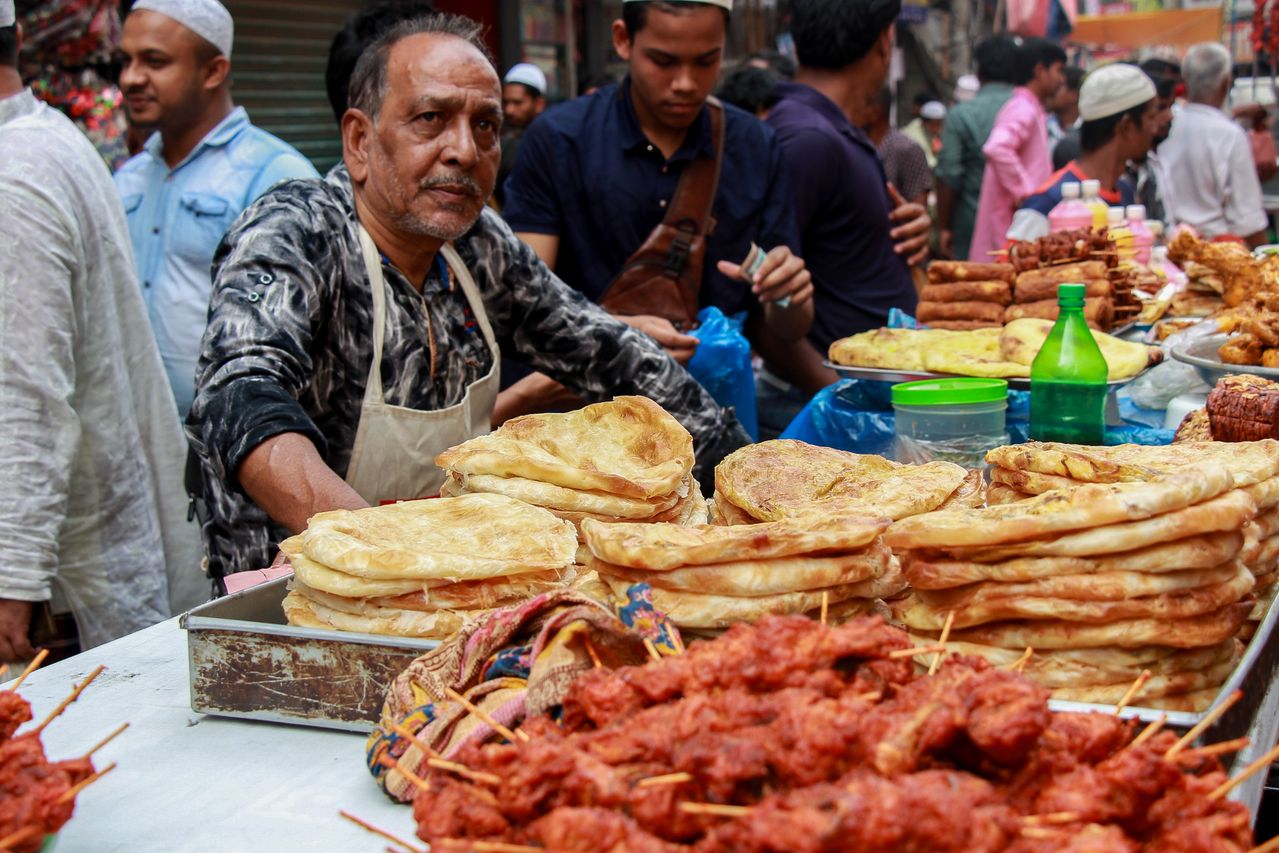 Delhi, India
Old Delhi street food: what actually happens
Chandni Chowk's parathe wali gali is known for stuffed parathas, and many preparations use ghee. Chaat stalls combine several components, such as besan sev, yogurt, chutneys, and toppings, often assembled quickly at a busy counter. Mughlai dishes may use ghee, dairy, or nut pastes, depending on the recipe. The practical question is not whether an entire neighborhood is “safe”; it is whether a particular stop can explain its ingredients and preparation well enough for you to make a decision.
Guided food walks vs. going independently
A guided walk can simplify navigation and give you another person to help ask questions, but you still need to check what the operator actually promises. Email before booking with the exact allergy, including ghee, besan, peanuts, or tree nuts where relevant. Ask for the route, the types of stops, how ingredient questions are handled, and what happens when a vendor cannot give a clear answer. Treat a guide's interpretation as useful context, not proof that a dish is free from cross-contact.
If you explore independently, use a written Hindi-English allergy card, ask before ordering, and leave when the answer is vague or the preparation cannot be separated from shared equipment. A card communicates the concern; it does not verify the ingredients or force a vendor to accept a request. Keep your prescribed emergency medication with you and know how to reach emergency services; India’s official emergency system uses 112.
Build a Hindi-English allergy card before your Old Delhi food walk
Build My Delhi CardCooking classes: the lower-risk alternative
A Delhi cooking class may make the menu easier to inspect because the ingredients are gathered for a planned recipe. Ask in advance whether ghee, dairy, besan, peanuts, or tree nuts are used, whether substitutions are possible, and whether the instructor can keep your portion away from shared bowls, knives, pans, and serving utensils. Do not assume that a home kitchen or culinary school has an allergen-control process unless the operator explains it.
Contact the operator before booking, not on arrival, and describe the allergen specifically. For example, name ghee rather than relying only on “dairy allergy,” and mention besan, peanuts, or tree nuts where relevant. Ask the operator to repeat back what will be excluded and what shared equipment will still be used. If the response is generic, choose a different activity or skip the class.
Questions to ask before booking any Delhi food experience
- Can you share the route or menu in advance? Ask which dishes, stalls, or recipes are included.
- Are ghee, dairy, besan, peanuts, or tree nuts used? Ask about sauces, toppings, spice mixes, and frying oil as well as the main dish.
- What shared equipment is involved? This may include oil, pans, knives, bowls, grinders, serving spoons, or tasting plates.
- What happens if a stop cannot answer clearly? Confirm that you can skip it without pressure or being separated from your group.
Before you book
Confirm your travel insurance covers emergency treatment for an allergic reaction before you book a food-focused day in Old Delhi. SafetyWing Nomad Insurance is one policy to compare, but its documentation does not name food allergies or anaphylaxis; read the policy wording and get written clarification before buying. Keep your prescribed emergency medication accessible, and save India’s official 112 emergency number in your phone. Read the full guide to travel insurance for food allergies →
Frequently asked questions
What should I check before a Chandni Chowk food walk with a food allergy?
Ask for the route, the types of stops, and how the guide handles ingredient questions before you book. Chandni Chowk food may involve shared oil, utensils, and surfaces, with ghee, besan, dairy, peanuts, or tree nuts appearing in familiar dishes. Bring a written Hindi-English allergy card, carry your prescribed emergency medication, and skip a stop if the ingredients or preparation cannot be explained clearly.
What should I ask a Delhi cooking class about food allergies?
Ask for the planned menu and ingredient list, whether ghee, dairy, besan, peanuts, or tree nuts are used, and what shared equipment is involved. A class may make the menu easier to discuss, but it is not automatically suitable for every allergy. Keep the booking only if the operator gives specific answers you can understand and accept.
What food-allergy risks should I expect on Delhi food experiences?
Ask about ghee, dairy, besan, peanuts, tree nuts, and shared oil or utensils. Parathas, pakora, and chaat can involve several ingredients and preparation surfaces, while a cooking class may involve shared bowls, knives, pans, or spice containers. A different format can reduce some uncertainty, but no tour, restaurant, or class can remove cross-contact risk.
This article is for informational and travel preparation purposes only and does not constitute medical advice. Always consult a qualified healthcare professional before traveling with a food allergy, and carry any prescribed emergency medication at all times. See our full medical disclaimer.