 AllergyPass
Where to Stay in Delhi
with Food Allergies
A Delhi base affects transport, food and grocery access, medication storage, and the route to emergency care. Compare those practical trade-offs instead of looking for a neighborhood or hotel that can guarantee safe food.
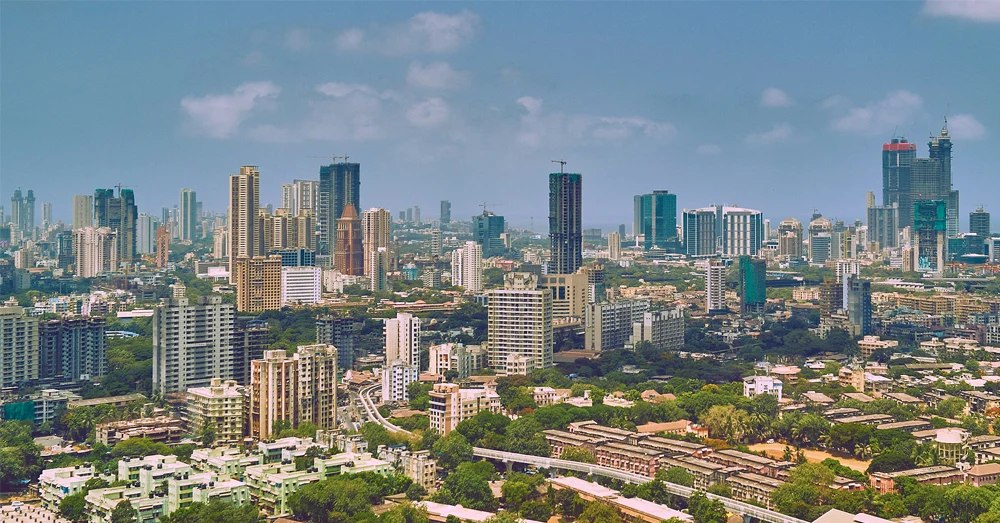 Delhi, India
What to compare when choosing a neighborhood
Standard travel advice focuses on price, vibe, and tourist attractions. For allergy travelers, the relevant variables are different. The three that matter most:
- Food access: Can you find restaurants with English menus and transparent ingredient communication within walking or short driving distance? Are there premium supermarkets with labeled packaged products nearby?
- Emergency route: Can you save a current route to an appropriate emergency department, and can the hotel give you its exact address or map pin?
- Hotel kitchen questions: Can someone explain the recipe, preparation area, ghee, cashew paste, besan, shared oil, and shared utensils? Ask before booking and verify again on arrival.
Delhi neighborhoods: allergy traveler breakdown
South Delhi: Hauz Khas, Greater Kailash, Vasant Vihar
This cluster may offer a mix of restaurants, groceries, malls, and transport links. Ask each venue about the specific dish and preparation; do not treat international menus or imported products as proof of safe food.
Indraprastha Apollo Hospital, on Mathura Road in Sarita Vihar, is JCI-accredited and the most internationally oriented hospital in South Delhi, with 24-hour emergency and trauma care and interpreter services in Arabic, French, and Russian. Confirm its current emergency access and contact details from your exact accommodation before relying on it.
Connaught Place (CP)
Connaught Place may suit an itinerary centered on central sightseeing and transit. Hotel restaurants and sit-down venues may give you more time to ask questions, but English menus and formal service do not verify the recipe or equipment.
Compare grocery access and the route to current emergency care from the exact hotel. A central address can be convenient for one plan and less convenient for another depending on traffic and your daily activities.
Vasant Kunj / Saket
Vasant Kunj offers malls and packaged-food shops to check, but product ranges change and the specific label still needs reading. Ask the hotel about food preparation and medication storage before booking.
The tradeoff is character and street-level food culture. This area is quieter and more residential than Hauz Khas or Connaught Place, with fewer standalone restaurants outside the mall footprint.
Max Super Speciality Hospital, on Press Enclave Marg in the Saket Institutional Area near Malviya Nagar Metro Station, is NABH and JCI accredited with a 24-hour emergency department, and is a reliable option for travelers staying in this cluster. Confirm its current emergency access and contact details from your exact accommodation before relying on it.
Old Delhi / Chandni Chowk
Old Delhi and Chandni Chowk offer dense market food where each stall may use shared oil, surfaces, and utensils. Carry your card, ask about the actual preparation, and do not assume a vendor can change a prepared dish.
If you stay nearby, ask the guesthouse about medication storage, food preparation, transport, and the route to current emergency care. If you visit for a meal or tour, keep prescribed medication with you and have a clear return or care plan.
Supermarkets and packaged food in Delhi
Modern Bazaar, Le Marche, Foodhall, DMart, and Reliance Fresh or Smart are examples to check for packaged food, but stock and product ranges change. Read the label on the specific item and keep a backup plan rather than relying on a store-wide expectation.
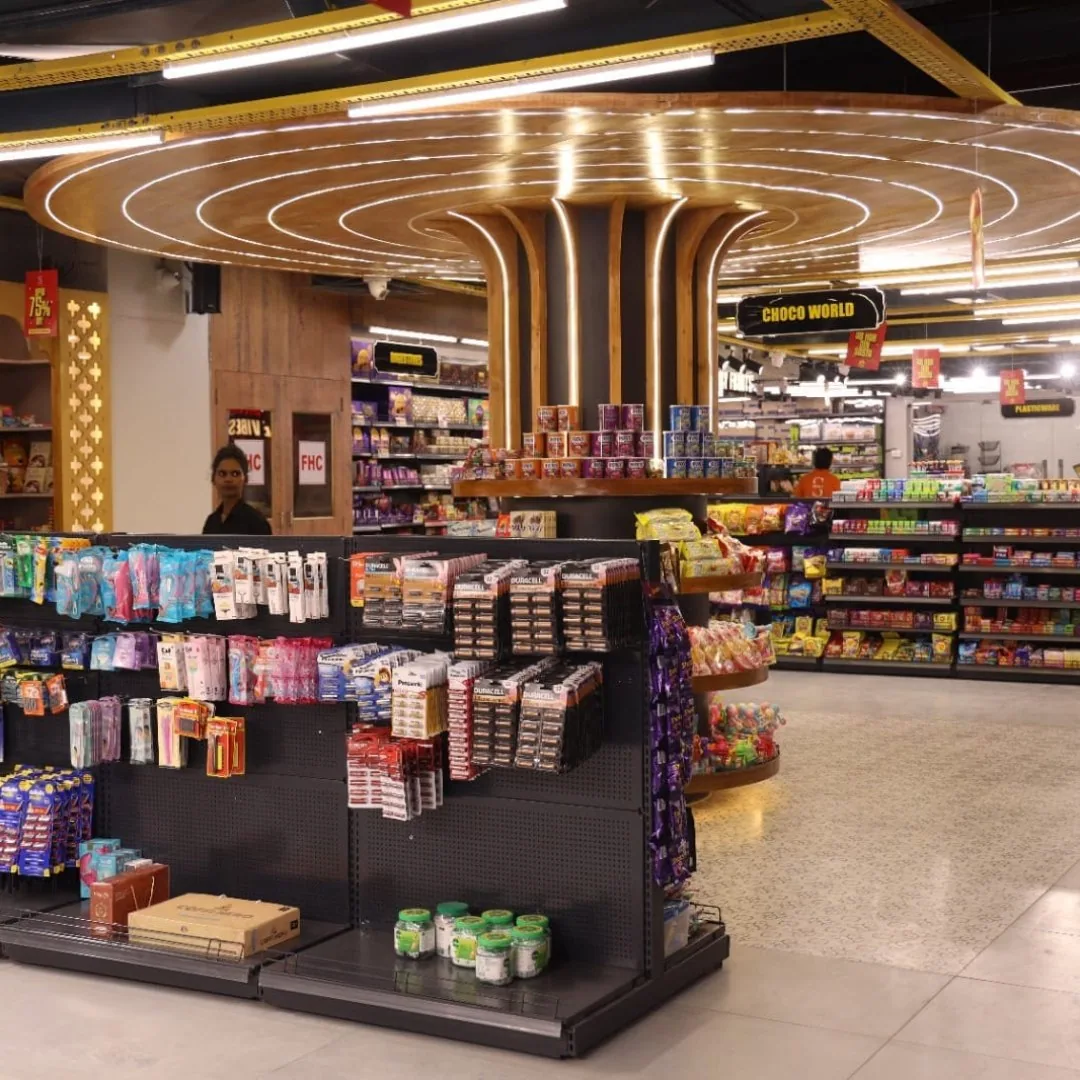
Nature's Basket, owned by the Godrej group, carries a genuinely useful range of organic and gourmet products including gluten-free options, and is worth checking for online delivery if you're staying somewhere without one of the above nearby.
Compare convenience with the product you can actually inspect. A nearby shop may be the more practical choice if it has an item whose label meets your needs; a farther store is not automatically worth the trip. Check the specific package every time.
Planning emergency care from your accommodation
Save the route to a nearby current emergency department and verify contact details before travel. The facilities below are planning starting points, not guarantees of availability, specialist coverage, language support, or billing arrangements.
Mathura Road, Sarita Vihar. The most internationally oriented hospital in South Delhi (Hauz Khas, Greater Kailash, Vasant Vihar). Check its current emergency entrance, services, and contact details before relying on it for a particular need.
Contact: +91 11 2692 5858
Press Enclave Marg, Saket Institutional Area, near Malviya Nagar Metro Station. A reliable option for the Vasant Kunj / Saket cluster. Check current emergency access, services, and contact details before travel.
Contact: +91 926 888 0303
Okhla Road, next to Sukhdev Vihar Metro Station. Best known for cardiac care, but runs a full 24/7 emergency department handling trauma, stroke, and general medical emergencies, not cardiac cases only. Check current emergency access, services, and contact details before travel.
Contact: +91 92896 78787
For a severe reaction, follow your clinician's action plan, use prescribed emergency medication promptly, call 112, and go to the nearest appropriate emergency department. Do not delay care while trying to reach a named hospital. Check the official 112 India emergency portal before travel because local arrangements can change.
Compare New Delhi hotels on Trip.com, then ask each property directly about kitchen practices, room facilities, and access to emergency care before booking. This is an affiliate link; AllergyPass may earn a commission at no extra cost to you.
What to ask your Delhi hotel before you book
Email these questions before you arrive
- Can your restaurant kitchen accommodate a [specific allergen] allergy and confirm no cross-contamination, specifically around ghee, cream, and cashew paste?
- Can breakfast buffet staff identify dishes prepared without ghee, besan, or nuts?
- Does the room have a kettle and minibar refrigeration for storing safe food?
- Is there a Modern Bazaar, Le Marche, or Foodhall within a reasonable distance?
- What is the nearest private hospital with 24-hour emergency services?
- Do front desk or concierge staff speak enough English to assist in a medical situation?
Delhi dishes hide ghee, besan, and cashew paste in places you might not expect. Build your Hindi-English allergy card before you arrive so you can name these ingredients directly rather than relying on a generic request. If your stay is Punjabi-community-focused, the India (Punjabi) card is also available.
Frequently asked questions
How should I compare Delhi neighborhoods with a food allergy?
Compare neighborhoods by the accommodation's route to current emergency care, transport, access to food you can inspect, medication storage, and whether the hotel can explain its kitchen practices. South Delhi, Connaught Place, Vasant Kunj, and Old Delhi involve different trade-offs; no area guarantees safer food or faster treatment.
What should I ask a Delhi hotel about food allergies?
Ask the specific hotel whether it can explain ingredients, prepare meals for your allergens, avoid shared equipment where possible, store medication appropriately, and help you reach current emergency care. Contact the hotel before arrival and treat its answer as a starting point to verify, not as a guarantee based on its star rating or chain name.
How should I plan emergency care from my Delhi accommodation?
Save the route to the nearest current emergency department from your accommodation and verify contact details before travel. For a severe reaction, follow your clinician's plan, use prescribed emergency medication promptly, call 112, and go to the nearest appropriate facility. Do not delay care while trying to reach a named private hospital.

This article is for informational and travel preparation purposes only and does not constitute medical advice. Always consult a qualified healthcare professional before traveling with a food allergy, and carry any prescribed emergency medication at all times. See our full medical disclaimer.