Food Allergies in France:
EU Allergen Law vs. Real Restaurant Reality
France follows EU mandatory allergen labeling rules. Every restaurant is legally required to be able to provide allergen information on request. The gap between that legal requirement and what actually happens in a busy Parisian bistro is still wide enough to matter.

What EU allergen law actually requires in France
France, as an EU member state, follows the Food Information to Consumers (FIC) Regulation, which mandates disclosure of 14 allergens across all food businesses : including restaurants, cafes, street food vendors, and packaged goods.
The 14 mandatory EU allergens are: cereals containing gluten (wheat, rye, barley, oats, spelt, kamut), crustaceans, eggs, fish, peanuts, soybeans, milk and dairy, tree nuts (almonds, hazelnuts, walnuts, cashews, pecans, Brazil nuts, pistachios, macadamia), celery, mustard, sesame, sulphur dioxide and sulphites (above 10mg/kg), lupin, and molluscs.
Restaurants must have this information available: but they are not required to print it on menus. They can keep it in a file, on a supplementary document, or verbally communicate it. This means you have a legal right to ask and receive the information : but the quality and accuracy of that information depends entirely on the establishment.
Hidden allergens in French cuisine
Dairy: the most structurally embedded allergen in French cooking
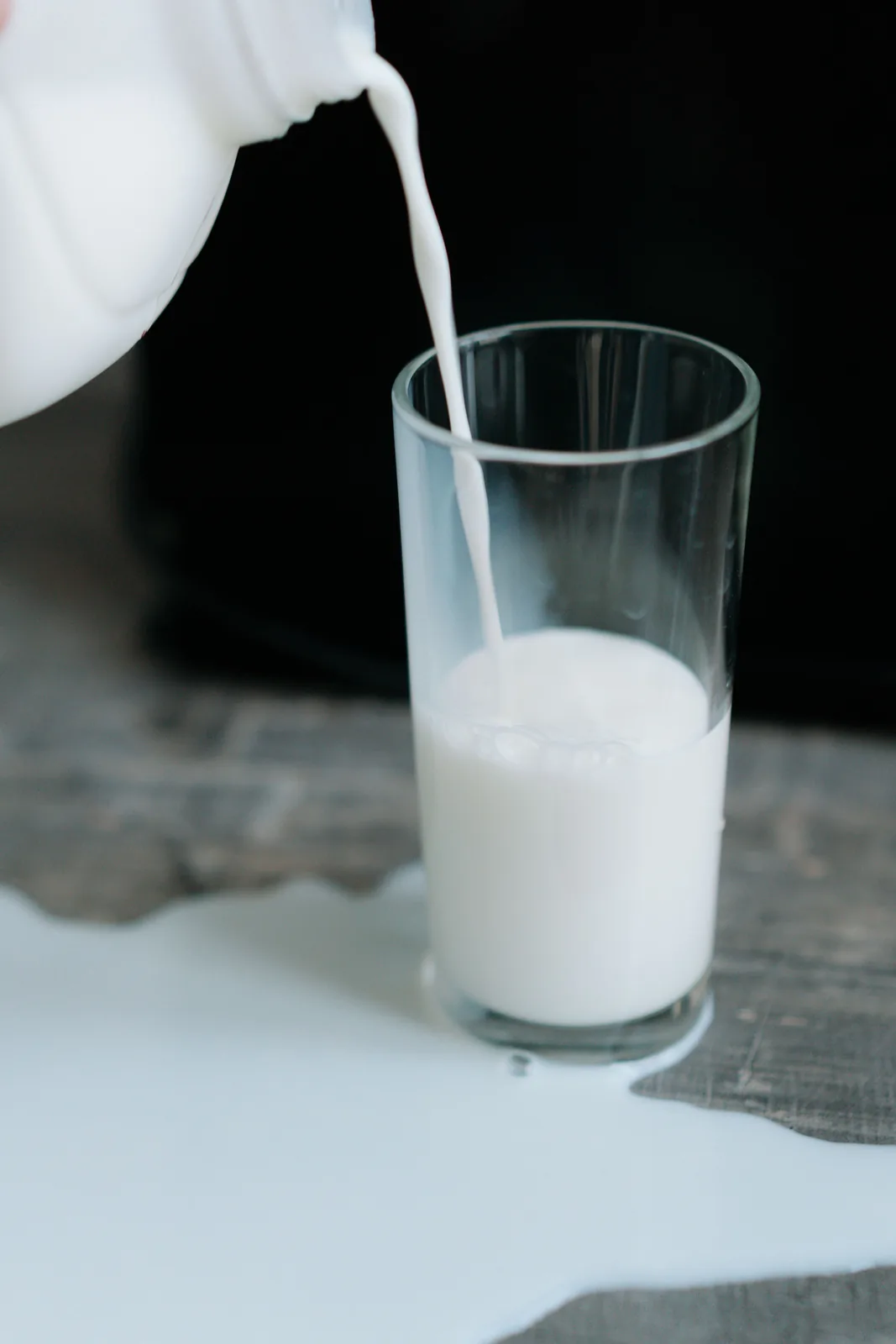
Classical French cuisine is built on dairy. Butter (beurre) is the foundation of French sauces: beurre blanc, beurre noisette, hollandaise, béarnaise. Cream (crème fraîche, crème double) appears in soups, gratins, pasta, and most French sauce reductions. Even dishes that appear dairy-free are often finished with butter at the last moment: a technique called "monter au beurre" that adds richness but makes the dish invisible as dairy-containing on a menu.
For travelers with dairy allergy or lactose intolerance, French cuisine requires asking about butter specifically in every dish: not just cream and cheese. "Sans produits laitiers" (without dairy products) is the correct phrase to use, and it must cover butter explicitly.
Gluten and wheat: in the sauces, not just the bread
Wheat flour is the standard thickening agent for French sauces (roux, velouté, béchamel). This means that most classical French sauces contain gluten regardless of whether the dish itself is pasta or bread-based. Breaded dishes (escalope panée, croque-monsieur), quiches, tarts, and pastries are obvious wheat sources. The hidden ones are the brown gravies, cream sauces, and soups that look gluten-free but are thickened with flour.
France has seen significant growth in gluten-free options in Paris: dedicated gluten-free bakeries (boulangeries sans gluten) exist in most arrondissements. Outside Paris, options become more limited, and cross-contamination risk at traditional boulangeries is high.
Tree nuts: in desserts, sauces, and pastries
French patisserie uses almond heavily: frangipane (almond cream) is in croissants, galettes, tarts, and macarons. Praline (caramelized hazelnuts) appears in chocolates, cakes, and ice cream. Walnut oil (huile de noix) is used as a salad dressing in southwest France. The pastry counter at any French boulangerie is a high-risk zone for tree nut allergy: cross-contamination between almond-containing and nut-free pastries is extremely likely.
Mustard and celery: the EU allergens France uses heavily
Mustard (moutarde) is a foundational French condiment used in vinaigrettes, sauces, marinades, and as a coating on meats (lapin à la moutarde, for example). It's an EU-mandated allergen that travelers from outside Europe may not think to flag. Celery (céleri) appears in stocks (fond), soups, and as a garnish: and celery extract (sel de céleri, celery salt) is used in many prepared foods.
Both mustard and celery allergies are worth including on a French allergy card : they're EU-recognized for a reason.
Peanuts: less central, but present in specific cuisines
Peanuts (arachides) are less structurally embedded in classical French cooking than in some other cuisines, but they show up in specific corners of the French food scene. Pâtisserie occasionally uses peanut in pralines, nougat, and certain chocolate confections, though almond and hazelnut are far more common in mainstream desserts. The bigger risk comes from France's significant West African and North African culinary influence: peanut sauces (sauce arachide) appear in Senegalese and other African-influenced restaurants, which are common in Paris and other major cities. Vietnamese, Thai, and other Asian restaurants, also widely available across France, frequently use peanut in sauces, garnishes, and cooking oil.
Cross-contamination is the main concern at bakeries and dessert counters that handle multiple nut types side by side, and at Asian or African restaurants where peanut is used as a base ingredient rather than a garnish that can simply be omitted. As with tree nuts, asking directly: sans arachides (without peanuts): and confirming with kitchen staff rather than just the server is the safest approach, and carrying a French allergy card that flags peanuts separately from tree nuts avoids ambiguity, since the two are chemically distinct but often confused.
Sesame: hidden in bread and bakery products
Sesame (sésame) is one of the more easily overlooked EU allergens in France because it appears most often as a visible topping rather than a blended ingredient : sesame-seed baguettes, buns, and crackers are common in bakeries and supermarkets. The bigger risk is hidden sesame: it appears in tahini-based sauces, in some Middle Eastern and North African dishes that have a strong presence in French cities, in certain spice blends, and in cooking oils used for stir-frying at Asian restaurants.
Cross-contact is a meaningful concern at any boulangerie that bakes sesame and non-sesame products in the same ovens or handles shared trays and surfaces: loose sesame seeds are notoriously good at traveling between batches. For a severe sesame allergy, asking whether a bakery produces sesame items at all, rather than just whether a specific item contains sesame, gives a more reliable answer. A bilingual allergy card that specifically lists sesame (rather than grouping it vaguely with "seeds") helps avoid confusion, since sesame became an EU-mandated allergen more recently than the other 13 and awareness among older or family-run establishments can lag.
Fish and shellfish: concentrated in coastal cuisine

Fish and shellfish allergy risk in France varies enormously by region. Coastal areas : Brittany, Normandy, the Mediterranean coast around Marseille and Nice: build much of their regional cuisine around seafood, while inland regions feature it far less prominently. Bouillabaisse, the Marseille fish stew, is a useful example of how concentrated the risk can get: it traditionally combines several fish species, shellfish, and a fish-based stock, all in one dish, making it essentially unsafe for most fish or shellfish allergies without major modification.
Beyond the obvious seafood platters (plateau de fruits de mer) and grilled fish dishes, fish appears in less visible forms: fish stock (fond de poisson) as a base for sauces and risottos, anchovy paste as a flavor-builder in dressings and tapenade, and Worcestershire-style sauces that sometimes contain fish derivatives. Shellfish cross-contact is a real concern at seafood restaurants and market stalls where shrimp, mussels, and other shellfish are prepped on shared surfaces near fish or even non-seafood dishes. Travelers with fish or shellfish allergy should ask specifically about stocks and sauces, not just the named seafood components of a dish.
Get a free French-English allergy card covering the EU 14 allergens in French
Build My France CardKey French phrases for allergy communication
- J'ai une allergie alimentaire grave au/aux [allergen]: I have a serious food allergy to [allergen]
- Je suis allergique au lait et au beurre: I am allergic to milk and butter
- Je suis allergique au gluten (blé, seigle, orge): I am allergic to gluten (wheat, rye, barley)
- Je suis allergique aux fruits à coque: I am allergic to tree nuts
- Je suis allergique aux arachides: I am allergic to peanuts
- Je suis allergique à la moutarde: I am allergic to mustard
- Pouvez-vous me donner les informations sur les allergènes?: Can you give me allergen information?
- Est-ce que ce plat contient du beurre?: Does this dish contain butter?
- Cette allergie peut être mortelle: This allergy can be fatal
- J'ai besoin d'un médecin: I need a doctor (emergency)
High-risk French dishes by allergen
Where allergy communication works best in France

High-end restaurants (restaurants gastronomiques): French fine dining has the highest consistency of allergen awareness. Kitchens are accustomed to customizing dishes and will typically communicate your allergy to the chef. Call ahead for severe allergies: this is standard practice at serious restaurants.
Modern bistros and neo-bistros: The newer generation of Paris bistros (particularly in the 10th, 11th, and 18th arrondissements) tends to be more allergy-aware than traditional establishments. Many have shorter menus and kitchen staff who can speak to ingredients directly.
Supermarkets (Carrefour, Monoprix, Intermarché): Excellent allergen labeling under EU FIC law. Packaged food clearly displays all 14 EU allergens in bold within ingredient lists. French supermarkets are among the easiest grocery environments in the world for allergy travelers.
Traditional boulangeries and patisseries: High cross-contamination risk for tree nuts (almond in almost all pastries) and dairy. Gluten-free-specific bakeries are a safer option for wheat allergy.
Traditional bistros and brasseries: Most variable. Classical French cooking techniques mean butter and flour appear in dishes where you wouldn't expect them. Ask directly and confirm with the kitchen, not just the server.
Emergency information for France
- Emergency number: 15 (SAMU, medical), 112 (European emergency number)
- Hospitals: French public hospitals (hôpitaux publics) have emergency departments (urgences). Major Paris hospitals with good English support: Hôpital Américain de Paris (Neuilly), Hôpital Lariboisière
- Epinephrine: Adrenaline auto-injectors (EpiPen equivalent: Jext or Emerade) are available at French pharmacies (pharmacies) with a prescription. Carry your own supply.
- Key emergency phrase: J'ai une réaction allergique grave, appelez le 15: I'm having a severe allergic reaction, call 15
Avoid Allergy Miscommunication in France. Generate a free French-English allergy card covering the EU 14 allergens and show it directly to restaurant staff.
Build My France CardHow this guide was researched
This guide draws on the EU's Food Information to Consumers (FIC) Regulation and related EU allergen rules, French national food labeling and public health guidance, common restaurant industry practices observed across French dining tiers (from packaged retail to fine dining), and established best practices in travel allergy communication, including the use of written translation cards as a supplement to verbal communication. Where regulatory or medical specifics are cited, they are cross-checked against the official sources listed below. This guide is reviewed and updated periodically to reflect changes in regulation and on-the-ground restaurant practice.
Sources and references
- European Commission: Food Information to Consumers Regulation (EU No. 1169/2011)
- French Ministry of Agriculture and Food Sovereignty: allergen information guidance
- European Emergency Number Association (112)
- French public health emergency resources (Service-Public.fr)
Frequently asked questions
Is France safe for travelers with food allergies?
France follows EU mandatory allergen law, which requires restaurants to provide information on 14 allergens on request. Compliance is highest at high-end restaurants and consistent at packaged food level. Traditional bistros and brasseries are more variable. Dairy and wheat are structural to classical French cuisine and require explicit communication for every dish.
What are the EU 14 mandatory allergens?
Cereals containing gluten (wheat, rye, barley, oats, spelt), crustaceans, eggs, fish, peanuts, soybeans, milk and dairy, tree nuts (almonds, hazelnuts, walnuts, cashews, pecans, Brazil nuts, pistachios, macadamia), celery, mustard, sesame, sulphur dioxide and sulphites, lupin, and molluscs. All 14 must be disclosed in bold on packaged food labels and available on request at restaurants across all EU member states.
Is French food difficult for dairy allergies?
Yes. Dairy is structurally embedded in classical French cooking. Butter is foundational to French sauces and is used as a finishing element in dishes that don't appear dairy-containing on menus. Cream appears in most sauces. Cheese is at every meal. Dairy allergy requires explicit, specific communication: asking about butter separately from cream and cheese.
How do you say food allergy in French?
J'ai une allergie alimentaire grave au/aux [allergen]: I have a serious food allergy to [allergen]. For severity: Cette allergie peut être mortelle: this allergy can be fatal. Show a written French-language card rather than relying on verbal communication at a busy table.
Can you eat gluten-free in France?
Paris has a significant and growing number of dedicated gluten-free bakeries and restaurants. Outside major cities, options are more limited. Traditional French cooking uses wheat flour as a thickening agent in most sauces, making cross-contamination risk high at conventional restaurants. Look specifically for establishments labeled "sans gluten" rather than relying on menu adaptations at standard bistros.
Generate a bilingual French-English allergy card covering all EU 14 mandatory allergens in French: including beurre (butter), gluten, and fruits à coque (tree nuts). Show it at any restaurant in France. No sign-up required.
Build my card →