Food Allergies in Italy:
What to Watch for Beyond Gluten
Everyone knows Italy takes gluten-free seriously. Fewer people realize that pine nuts, parmesan, and anchovies hide inside dishes that look completely safe, and that none of Italy's celiac protections cover them. Here's what that actually means for a trip built around pasta, pizza, and everything else on the table.
Why Italy is different for allergies
Italy applies the same EU allergen disclosure rules as the rest of the bloc, and on top of that, a 2005 national law (Legge 123/2005) recognizes celiac disease as a public health matter and funds a certification system most countries don't have. AIC, the Italian Celiac Association, trains and inspects thousands of restaurants, pizzerias, and hotels through its Alimentazione Fuori Casa program, and certified venues carry a crossed grain symbol recognized nationwide. The result is that gluten-free travel in Italy is unusually reliable. What that system doesn't do is extend the same rigor to other allergens. Dairy, eggs, tree nuts, fish, and shellfish are treated like in any other EU country: disclosed on request, but without dedicated training, certification, or a symbol you can trust at a glance.
Hidden allergens in Italian cuisine
Parmesan and pecorino: dairy hiding in plain dishes
Grated hard cheese is closer to a default seasoning than a topping in Italian cooking. Parmigiano-Reggiano and Pecorino Romano get folded into pasta sauces, risotto, soups, and even some meat dishes as a finishing step, often without being listed as a separate ingredient on the menu. A dish that looks dairy-free, a tomato-based pasta, a vegetable soup, can still carry real dairy exposure unless you specifically ask for the cheese to be left off.
Eggs in fresh pasta, not dried pasta
Italy draws a real distinction between pasta secca (dried pasta, typically just durum wheat and water) and pasta fresca or pasta all'uovo (fresh egg pasta, used for tagliatelle, fettuccine, ravioli, and tortellini). Dried pasta is usually egg-free, but fresh pasta almost always contains egg, and menus don't always specify which type a dish uses. Tiramisù adds another layer of egg risk, since the dessert is traditionally built on raw or barely cooked egg yolks rather than baked ones.
Pine nuts and almonds: tree nuts in pesto and Sicilian sweets
Pesto alla Genovese is built on pine nuts, basil, garlic, parmesan, and olive oil, and the pine nuts are easy to overlook since the sauce reads as an herb sauce rather than a nut sauce. Cheaper or mass-produced versions sometimes substitute cashews, which doesn't reduce the tree nut risk. Sicilian pastry leans on almonds just as heavily: cassata, marzipan-style frutta martorana, and amaretti cookies all use ground almonds as a structural ingredient, not a garnish.
Anchovies: fish hiding in sauces that don't mention fish
Anchovies show up as a flavor base far more often than they're named as an ingredient. Puttanesca sauce, some Caesar-style dressings, and Piedmont's bagna cauda (a warm anchovy and garlic dip) all rely on anchovy for their core flavor. Colatura di alici, a fermented anchovy extract used in parts of Southern Italy, can season a dish without a single visible piece of fish in it.
Shellfish along the coast: frutti di mare and beyond
Coastal and island regions, Liguria, the Amalfi Coast, Venice, Sicily, build a large part of their identity around seafood. Spaghetti alle vongole (clams), cozze (mussels), and any dish billed as frutti di mare carry straightforward shellfish risk, and the shellfish is rarely an optional add-on. Seafood risotto and fish soups can also include shellfish-based stock even when the dish is named after a single fish.
Get a free Italian-English allergy card covering gluten, dairy, eggs, tree nuts, and your specific allergens for Italy
Build My Italy CardKey Italian phrases for allergy communication
- Ho un'allergia alimentare a [allergen] (I have a food allergy to [allergen])
- Sono allergico/a al glutine (I am allergic to gluten)
- Sono allergico/a alle uova (I am allergic to eggs)
- Sono allergico/a ai latticini (I am allergic to dairy)
- Sono allergico/a alla frutta a guscio (I am allergic to tree nuts)
- Sono allergico/a ai frutti di mare (I am allergic to shellfish)
- C'è [allergen] in questo piatto? (Does this dish contain [allergen]?)
- Questa allergia può essere pericolosa per la vita (this allergy can be life-threatening)
- Ho bisogno di un medico (I need a doctor; emergency)
High-risk Italian dishes by allergen
| Dish | Key allergens | Notes |
|---|---|---|
| Pesto alla Genovese | Tree nuts (pine nuts), dairy (parmesan) | Pine nuts are easy to miss since the sauce reads as herbs, not nuts |
| Carbonara | Egg, dairy (pecorino), wheat (pasta) | The entire sauce is egg and cheese, not a garnish on top |
| Tiramisù | Egg (raw or barely cooked yolks), dairy (mascarpone), wheat (ladyfingers) | Built on uncooked egg, a different risk profile than baked desserts |
| Spaghetti alle vongole / Frutti di mare | Shellfish (clams, mussels), wheat (pasta) | Standard on coastal menus, a clear no for shellfish allergy |
| Pizza Margherita | Dairy (mozzarella), wheat (dough) | Default pizza is rarely modified beyond topping removal; the dough and cheese stay |
| Bagna cauda | Fish (anchovy), garlic | A Piedmontese dip built entirely on anchovy, the fish is the point, not hidden |
| Cassata siciliana / marzipan sweets | Tree nuts (almonds), dairy (ricotta), egg | Sicilian pastry tradition runs on almonds and ricotta together |
| AIC-certified gluten-free pasta and pizza | Low (for gluten specifically) | One of Italy's genuine strengths; confirm cross-contact in shared kitchens regardless |
Where allergy communication works best in Italy
AIC-certified restaurants and pizzerias: Venues in AIC's Alimentazione Fuori Casa network have trained staff and separated gluten-free prep areas, and are listed on the AIC Mobile app, which offers a short-term pass for visiting travelers. This is the most reliable option specifically for gluten, not for other allergens.
Trattorias and family-run osterias: Home-style restaurants often cook to order, which means more flexibility for substitutions once you communicate clearly, but English proficiency drops outside major tourist areas, and a written card closes that gap quickly.
Coastal and seafood-focused restaurants: Highest risk for shellfish and fish allergy given how central seafood is to regional identity in places like the Amalfi Coast, Liguria, and Sicily. Confirm directly rather than assuming a dish is fish-free because it isn't named after fish.
Supermarkets (Coop, Conad, Carrefour): Strong EU-compliant allergen labeling on packaged food, plus the AIC crossed grain symbol on certified gluten-free products, making self-catering one of the more predictable options.
Best Italian supermarkets for allergy-friendly foods
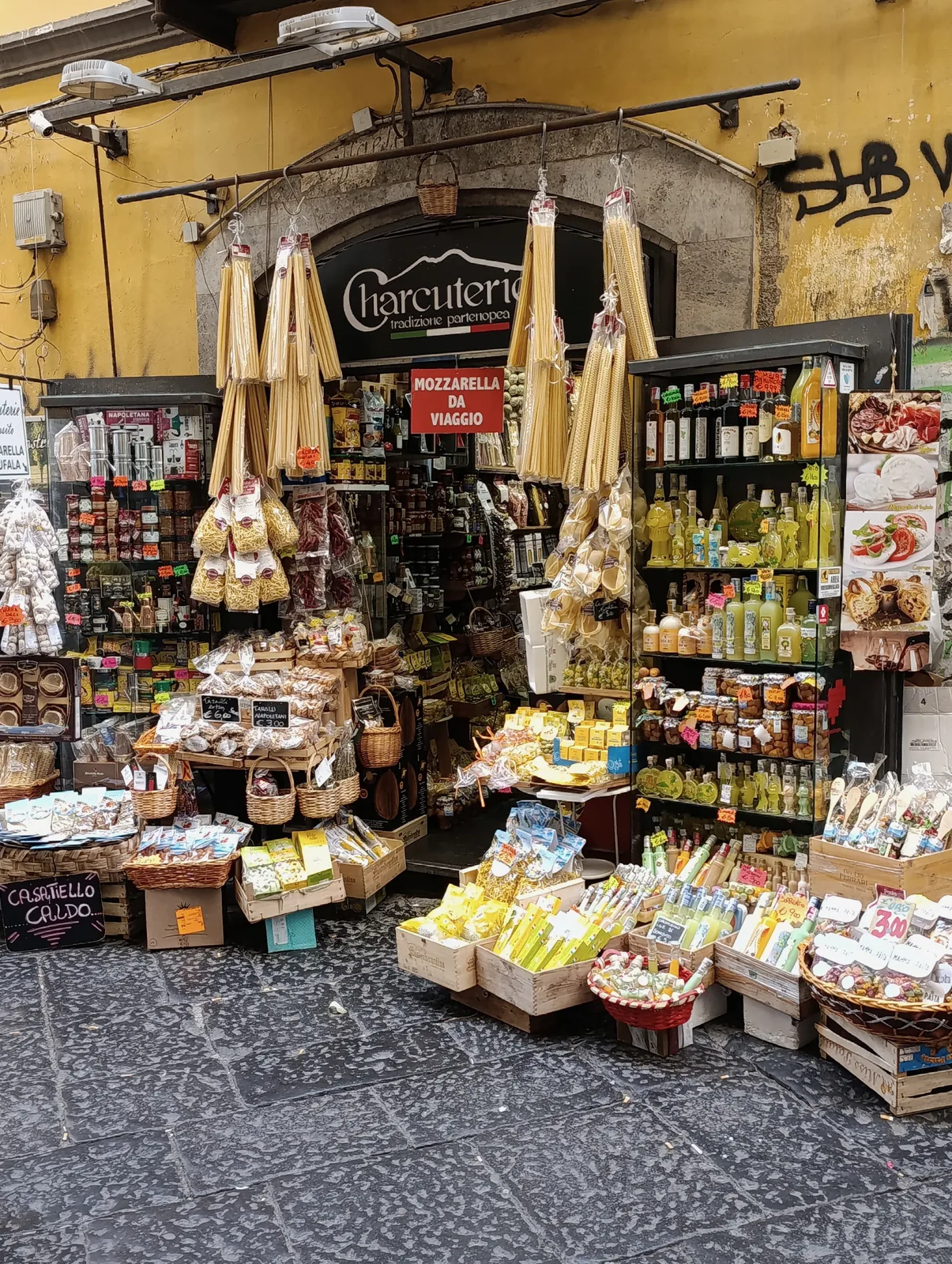
For travelers cooking for themselves or stocking up on safe snacks, Italian supermarkets benefit from the same EU-mandated allergen labeling as the rest of the bloc, plus a gluten-free market that's unusually mature. The four chains below cover most of the country.
Coop: Italy's largest cooperative supermarket chain and one of the first retailers to formally partner with AIC. Its BeneSì line covers gluten-free and other free-from products across pasta, bread, and snacks, and Coop consistently publishes more gluten-free promotions than any other Italian chain.
Conad: Runs a dedicated gluten-free and dietary-needs line called Alimentum, covering pasta, baked goods, biscuits, and snacks. Conad stores are widespread across the country, including smaller towns where a dedicated free-from shelf is less guaranteed at independent grocers.
Carrefour Italia: The hypermarket format, particularly Carrefour Iper locations, carries a wide range of gluten-free products from multiple brands and regularly features gluten-free items in weekly promotions.
Esselunga: Doesn't run its own dedicated gluten-free private label line, but stocks an unusually wide range of third-party gluten-free brands and publishes a searchable product list online, useful given Esselunga's strong presence in Milan and Lombardy. Its online grocery service also makes it possible to check gluten-free stock before a store visit, handy if a specific branch turns out to be small.
Understanding Italian allergen labeling
Italy applies the same EU-wide allergen framework as the rest of the European Union, with one major addition: a national infrastructure built specifically around gluten that goes further than EU law requires.
The EU 14 allergen list: Under EU Regulation 1169/2011, food businesses must disclose 14 specific allergens whenever they're used as ingredients: cereals containing gluten, crustaceans, eggs, fish, peanuts, soybeans, milk, tree nuts, celery, mustard, sesame, sulphur dioxide and sulphites, lupin, and molluscs. This applies to packaged food labels and, with some variation, to restaurant menus across Italy.
Restaurant allergen disclosure: Italian restaurants must provide allergen information on request, whether through a printed allergen chart, a menu note, or a verbal answer from staff. Disclosure quality varies by venue type: tourist-oriented restaurants and chains tend to have information ready, while small family-run trattorias may rely on whoever's cooking that day.
The AIC certification system, what it covers: AIC's crossed grain symbol and Alimentazione Fuori Casa certification apply specifically to gluten. A certified restaurant has trained staff and a separated prep area for gluten-free food, but that certification says nothing about how the kitchen handles dairy, eggs, tree nuts, or shellfish. Don't assume a gluten-free certified venue is automatically safer for a different allergen.
Why written allergy cards still matter: Italy's gluten-specific infrastructure is genuinely strong, but it covers one allergen out of fourteen. A written Italian-language allergy card removes the dependency on a real-time language exchange for every other allergen, which matters most in smaller towns, traditional restaurants, and any handoff between a busy kitchen and the front of house.
Emergency information for Italy
- Emergency number: 112 (European emergency number, works nationwide), 118 (Italy-specific ambulance line)
- Hospitals: Ospedale (hospital), Pronto Soccorso (emergency department). Policlinico Umberto I and Policlinico Gemelli, both in Rome, are among the country's largest public hospitals.
- Epinephrine: Available at Italian farmacie (pharmacies) with prescription. Carry your own supply.
- Key emergency phrase: Ho una grave reazione allergica, chiami il 112 (I'm having a severe allergic reaction, call 112)
Sources
This guide draws on EU food labeling law, Italy's national celiac certification system, and official Italian government resources. It is intended as practical travel information, not medical advice.
- Regulation (EU) No 1169/2011 on the provision of food information to consumers (EUR-Lex): the EU regulation establishing the mandatory allergen disclosure rules referenced throughout this guide.
- AIC, Associazione Italiana Celiachia: Italy's national celiac association, which runs the gluten-free restaurant certification program and crossed grain product symbol referenced throughout this guide.
- Italian Ministry of Health (Ministero della Salute): the national authority overseeing health policy and the Servizio Sanitario Nazionale in Italy.
- Single European emergency number 112 (Ministero dell'Interno): the official Italian government source confirming 112 and related emergency contact numbers for Italy.
Frequently asked questions
Is Italy safe for travelers with food allergies?
Italy is genuinely one of the easier European countries for celiac travelers thanks to AIC's national certification network, but that system doesn't extend to other allergens. Dairy, eggs, tree nuts, shellfish, and fish all appear in classic dishes in easy-to-miss ways. A written Italian-English allergy card covering your specific allergens remains the most reliable communication tool.
What are the most common hidden allergens in Italian food?
Dairy in parmesan and pecorino grated over pasta and risotto; eggs in fresh pasta like tagliatelle and ravioli (dried pasta is usually egg-free); tree nuts in pesto's pine nuts and Sicilian almond pastries; fish in anchovy-based sauces like puttanesca; and shellfish in any dish labeled frutti di mare.
Is gluten-free pasta and pizza actually safe in Italy?
Generally yes, especially at AIC-certified venues carrying the crossed grain symbol, which are tested to a strict gluten threshold and trained on cross-contact. Non-certified restaurants can still serve genuinely gluten-free food, but it's worth confirming preparation directly, particularly for shared fryers and pasta water.
How do you say food allergy in Italian?
Ho un'allergia alimentare a [allergen] (I have a food allergy to [allergen]). Sono allergico al glutine if you're male or Sono allergica al glutine if you're female (I am allergic to gluten). Questa allergia può essere pericolosa per la vita (this allergy can be life-threatening) is worth memorizing for anything severe.
Traveling to Italy with food allergies?
Create a free Italian-English allergy card before your trip. Show it at restaurants, pizzerias, trattorias, and hotels across Italy.
Build My Italy Allergy Card- ✓ Free
- ✓ Works Offline
- ✓ Italian + English
- ✓ No Signup Required
Generate a bilingual Italian-English allergy card covering Glutine (gluten), Latticini (dairy), Frutta a guscio (tree nuts), and your specific allergens for Italy. Show it at any restaurant from Rome to Sicily. No sign-up required.
Build my card →