 AllergyPass
Hidden Allergens
in Moroccan Food
Moroccan dishes can hide almonds, sesame, wheat, egg, dairy, and other ingredients in breads, fillings, sauces, pastries, and shared equipment. Here are the dishes that deserve a closer question before you order.
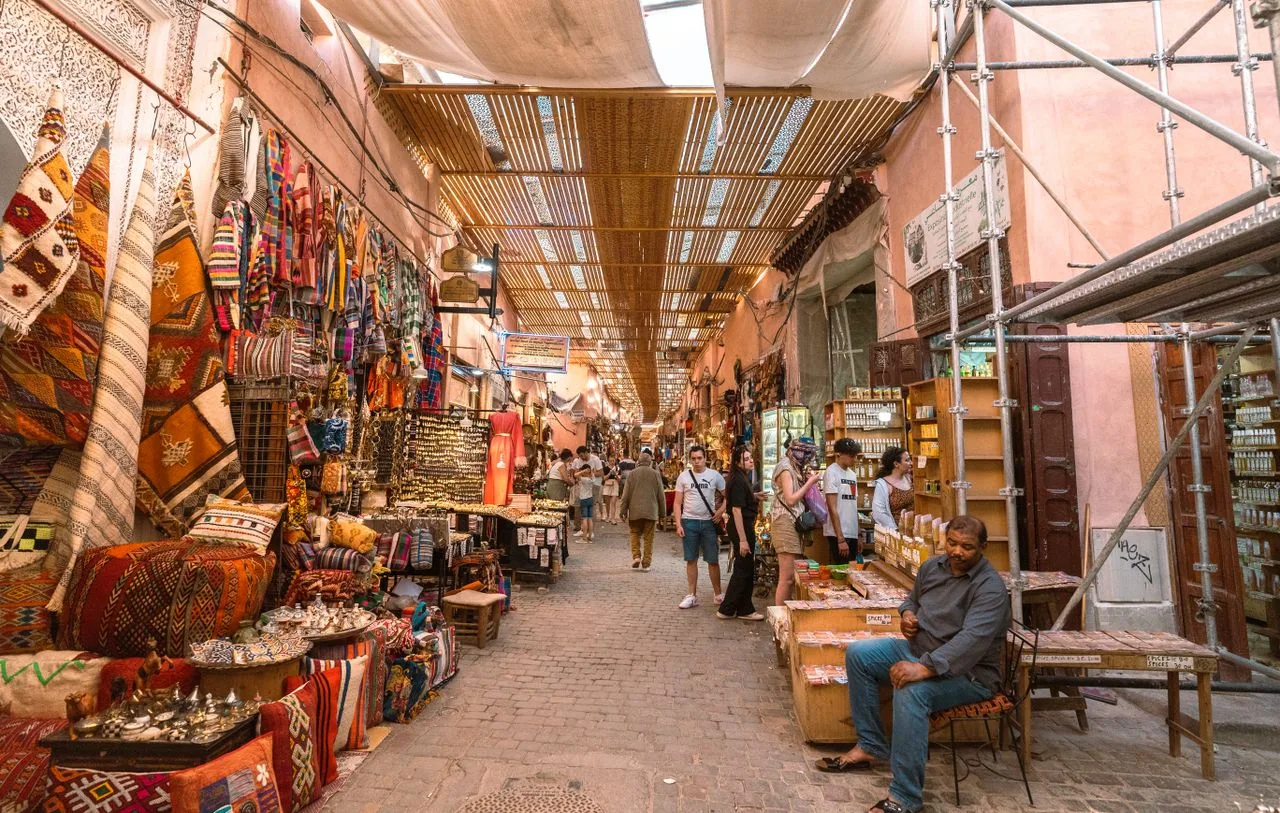 Morocco
Build a bilingual card before your Morocco trip: Darija/French plus English, listing your specific allergens.
Build My Morocco CardIn this guide
Why Moroccan food needs careful questions
Some ingredients are built into the recipe rather than added as a garnish. Khobz is a wheat-based bread, couscous is commonly made from semolina, almonds can be cooked into tagines or ground into pastilla and amlou, and sesame may be used on breads and pastries. Ask about the dough, filling, sauce, stock, and preparation surface.
If an allergen is part of the dough, filling, sauce, or stock, removing a garnish will not solve the problem. Show the written card before ordering and ask the person preparing the food to confirm the actual recipe and shared equipment.
Wheat: bread and couscous
Khobz is a wheat-based bread, while couscous, msemen, and harcha are also commonly made with wheat or semolina. Ask about bread, flour, noodles, stock, sauces, and shared couscous or baking equipment. For coeliac disease or wheat allergy, a couscous-free order does not by itself answer the cross-contact question.
Tree nuts: almonds everywhere
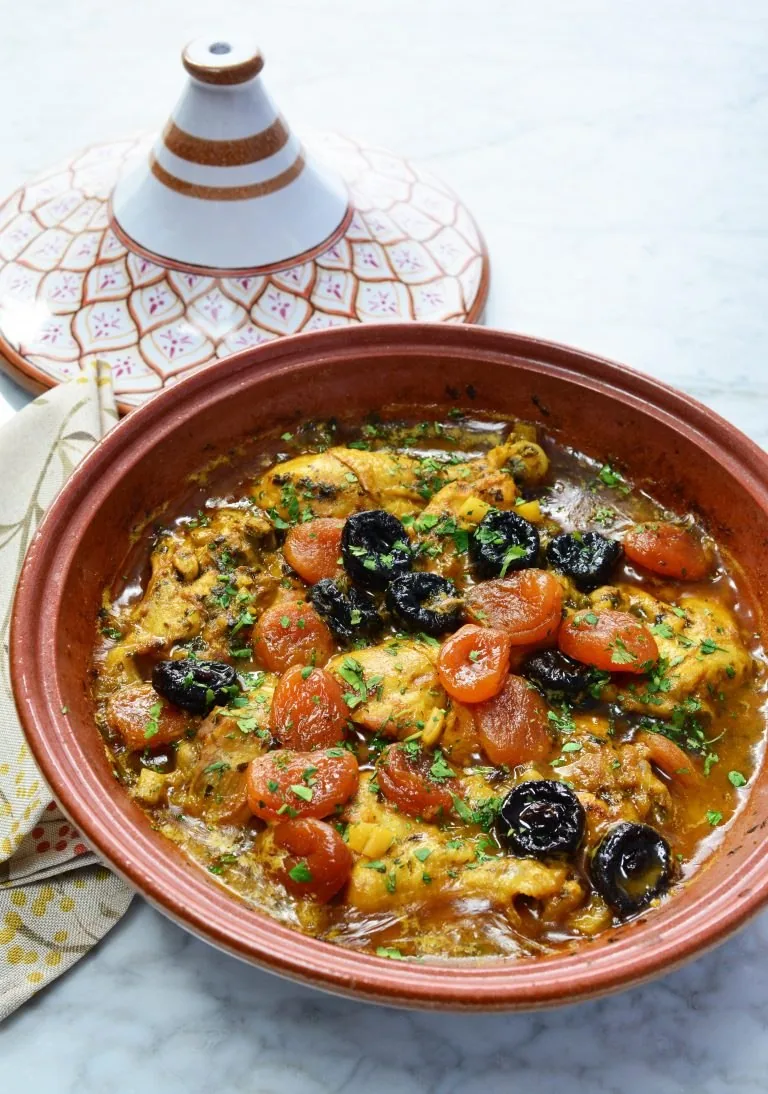
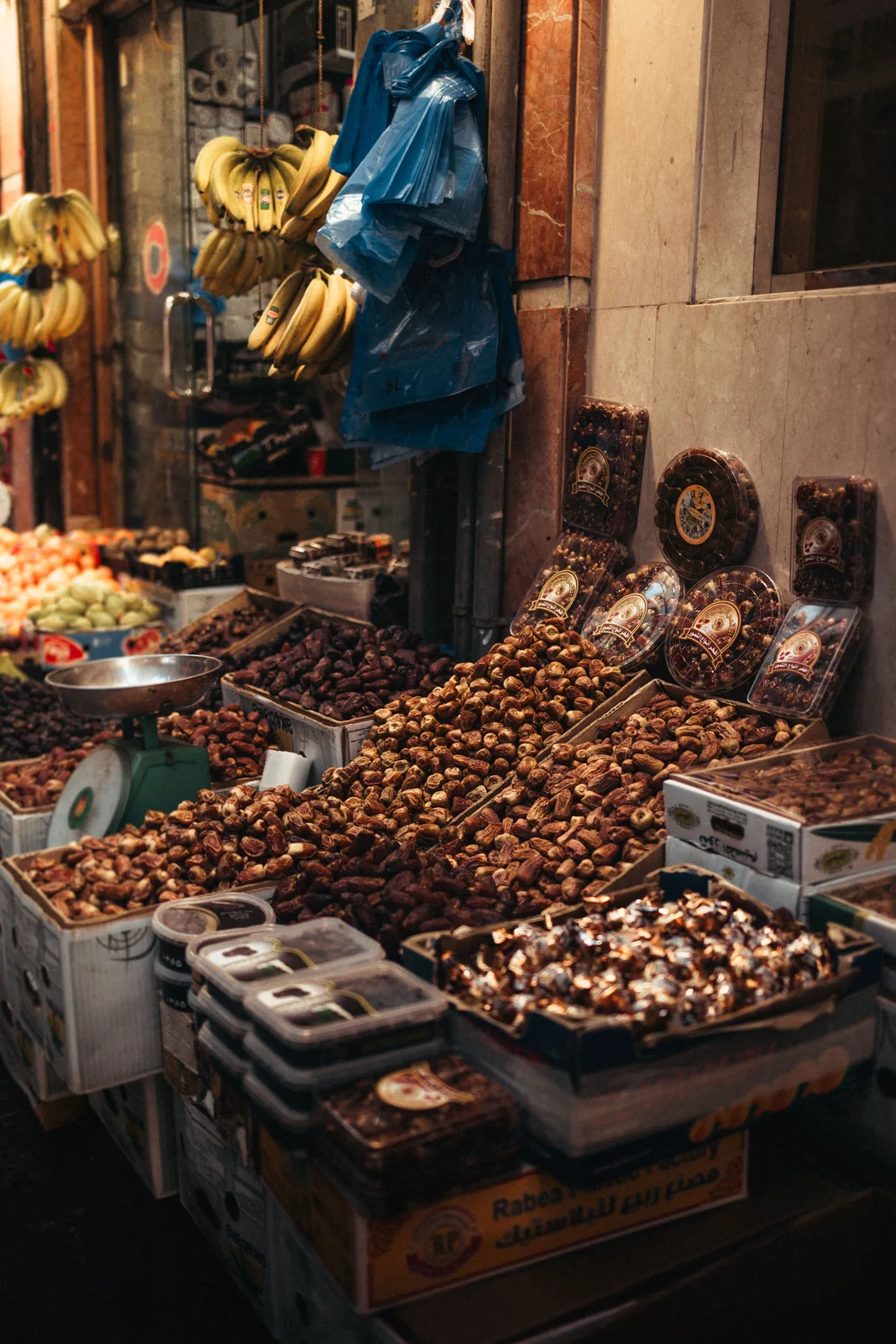
Almonds (loz) may appear in savory and sweet dishes. Chicken tagine with almonds and prunes uses them by name; pastilla may contain ground almonds; and amlou is a spread made with almonds, argan oil, and honey. Walnuts may appear in salads, fillings, or stuffed dates. Ask about the recipe and shared utensils rather than checking only the visible garnish.
Sesame: bread and pastries
Sesame seeds may top khobz and are used in chebakia, a fried pastry soaked in honey and rolled in sesame. Sesame oil may appear in some spice pastes. Ask about seeds, oil, dough, frying oil, and shared bakery equipment for the item in front of you.
Eggs: pastilla and pastries
Pastilla may include egg cooked into the filling along with almonds, and pastries may use egg wash or egg-based fillings. Ask about the filling, coating, dough, and shared preparation area before ordering.
Dairy: smen and laban
Smen is a fermented, aged butter used in some tagines, harira, and breads. Laban is a buttermilk drink, and yogurt may appear as a side or dessert. Ask about butter, smen, milk, and shared cookware rather than treating a savory dish as dairy-free by default.
Cross-contamination in Moroccan kitchens
A kitchen may use tagine pots, couscoussiers, and frying oil across multiple dishes in the same service. Ask whether the pot, oil, tray, counter, utensils, and pastry equipment are shared. A dish without a visible allergen can still require a cross-contact decision.
Where each allergen appears
Sources and food-safety notes
- FAO/WHO Codex Alimentarius: General Standard for the Labelling of Prepackaged Foods (CXS 1-1985) — Section 4.2.1.4 lists the foods known to cause hypersensitivity that must always be declared: gluten-containing cereals, crustacea, eggs, fish, peanuts and soybeans, milk, tree nuts, and sulphite at 10 mg/kg or more. It governs prepackaged food, not a dish cooked to order at a stall.
Frequently asked questions
How should I check Moroccan food for tree nuts?
Ask about almonds (loz), walnuts, amlou, pastilla filling, tagine garnish, pastries, sauces, and shared preparation surfaces. Almonds may be cooked into savory dishes or ground into a filling, so checking only the visible garnish is not enough. Show the card and confirm the actual recipe before ordering.
Does couscous contain gluten?
Couscous is commonly made from semolina, which is wheat. If you avoid gluten or wheat, ask about the couscous, bread, flour, stock, sauces, and shared couscoussier or preparation surfaces. Khobz is also wheat-based; a couscous-free order does not by itself answer the cross-contact question.
What allergens are common in Moroccan pastries?
Chebakia is a fried, sesame-coated pastry made with wheat and may involve other ingredients; kaab el ghazal uses almond paste; and briouat may contain almond filling and wheat-based warqa pastry. Ask about the dough, filling, egg wash, frying oil, and shared bakery equipment for the specific item.
This article is for informational and travel preparation purposes only and does not constitute medical advice. Always consult a qualified healthcare professional before traveling with a food allergy, and carry any prescribed emergency medication at all times. See our full medical disclaimer.