 AllergyPass
Morocco Food Allergy
Travel Safety Hub
Moroccan meals often bring wheat, almonds, sesame, egg, and butter-based ingredients into dishes that look simple on the plate. This hub gives you the questions to ask about tagine, couscous, pastilla, breads, markets, accommodation, insurance, and emergency planning.
 Morocco
Before you board, prepare a French-and-Moroccan-Arabic card that names your allergens and the ingredients you need the kitchen to check.
Build My Morocco Allergy CardIn this hub
Understanding Moroccan food allergens
The useful questions are often about ingredients built into the recipe. Khobz is a wheat-based bread, couscous is commonly made from wheat, almonds can appear in savory tagines, pastilla, and pastries, and sesame may be used on breads or in chebakia. Smen, a fermented butter, appears in some recipes. Do not infer the full recipe from the dish name alone.
Sometimes the issue is not a garnish that can be left off; it is an ingredient in the dough, sauce, stock, or pastry itself. Ask whether the kitchen can prepare the specific dish without your allergen and how it handles shared surfaces and utensils. A written French-and-Moroccan-Arabic card makes the request easier to show, but it is not a substitute for confirmation.
Morocco questions at a glance
- Wheat/gluten: Ask about khobz, couscous, pastry dough, flour, and shared bread or baking surfaces.
- Tree nuts: Ask about almonds and other nuts in tagines, pastilla, pastries, sauces, and garnishes.
- Sesame: Ask about bread toppings, sesame paste or oil, and chebakia.
- Egg: Ask about pastilla filling, pastries, coatings, and any egg wash.
- Dairy: Ask whether the recipe uses butter, smen, milk, or shared cookware.
Key phrases in Darija and French
A written card carries the detail, while a short spoken phrase can open the conversation. In French, "Je suis allergique à..." means "I am allergic to..." In Darija (Moroccan Arabic), "3andi hassasiya mn..." means "I have an allergy to..." Point to the card and ask the person preparing the food to confirm the recipe and preparation area.
Riads and set-menu dining
Many riads (traditional guesthouses) serve a fixed multi-course menu, especially for dinner. Ask in advance whether the menu can be adjusted, which ingredients are used in each course, and whether the kitchen uses shared cookware. If the answer is uncertain, choose a simpler plan you can verify rather than relying on a last-minute substitution. Street stalls may have fewer ways to change a prepared dish, so ask before paying or eating.
Food safety guides
The complete breakdown of every dish category: which contain almonds, sesame, wheat, egg, and smen. Read this before your first meal.
EmergencyHow to prepare for an allergic reaction in Morocco, verify current services, and use emergency contacts.
City guides
City-specific guides for Morocco are not yet available. Check back soon for detailed food allergy guides for Marrakech, Casablanca, Fes, and other major cities.
Accommodation
Before booking a riad or hotel, ask whether it can store medication appropriately, prepare food for your allergens, explain ingredients in the meal plan, and help you reach current emergency care. Get the answer in writing when possible and keep a backup meal plan.
Experiences
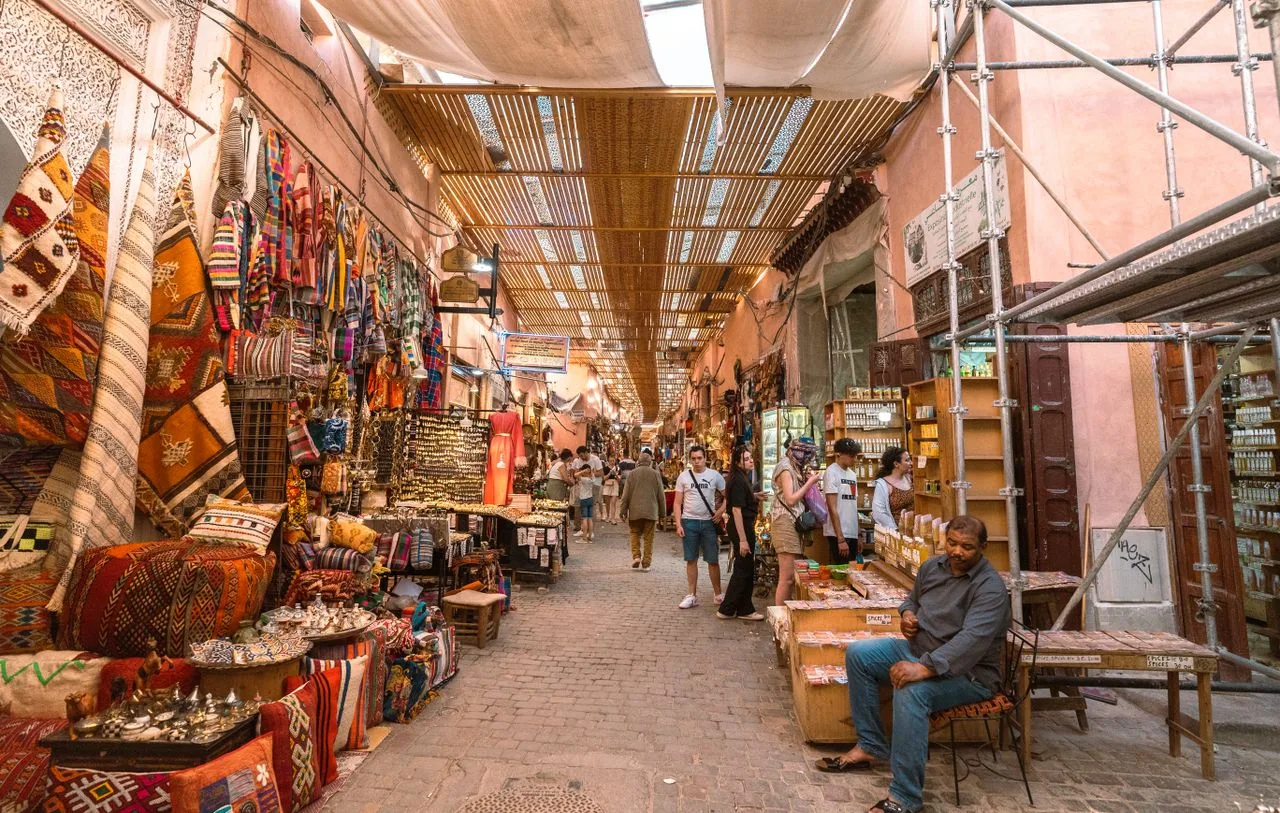
For medina visits and market tours, carry the card, ask each food vendor about the actual preparation, and do not assume a cooking demonstration or tasting menu can be modified. Keep prescribed medication with you rather than leaving it at the hotel.
Getting around Morocco
Moving between Moroccan cities can make meal timing and medication planning harder. Keep medication accessible, carry a backup snack you can verify, and leave enough time to ask questions instead of making a rushed food decision. Search trains, buses, and ferries between Moroccan cities below.
Showing your allergies in Arabic and French
A French-and-Moroccan-Arabic allergy card is a communication aid. It can name your allergens and derivative ingredients in a format you can show to a server or cook, but it cannot confirm a recipe, prevent cross-contact, or replace your own decision about whether the answer is clear enough.
Build your Morocco allergy card for travel in Arabic, French, and English. Print one copy for your wallet, save a digital version on your phone, and show it before you order at every restaurant, riad, and market stall.
Want the allergens written out in Arabic? See our Arabic allergy card.
Emergency
150: Ambulance and fire service
190: Police
177: Gendarmerie Royale (rural areas and highways)
Before travel: Save these numbers and your insurer's assistance line offline
For a serious allergic reaction, follow your clinician's action plan, use prescribed emergency medication promptly, and call 150 for an ambulance. Do not delay care while trying to reach a particular clinic. Use the written card to communicate the allergy while help is arranged. Check the current UK government Morocco emergency guidance before travel because contact details and local arrangements can change.
Emergency healthcare in Morocco: action planning, current contacts, and questions to ask about local care.
Read the guide →Travel insurance
Check three things before you buy a policy for a Morocco trip: whether it covers emergency anaphylaxis treatment, how it treats food allergies as a pre-existing condition, and whether medical evacuation is included with a clear coverage limit. Ask how the policy handles remote travel, delays, and treatment arranged outside a preferred network.
SafetyWing Nomad Insurance is one policy to compare, but its documentation does not name food allergies or anaphylaxis. Review the pre-existing-condition and evacuation terms and get written clarification before buying.
Pre-trip checklist
Get the full pre-trip checklist and destination guides in your inbox
Subscribe →Complete pre-trip checklist for food allergy travel is available in our free food allergy travel checklist guide.
Frequently asked questions
How should I plan a Morocco trip with a food allergy?
Plan around the actual recipes and meals you expect to encounter. Khobz bread and couscous are wheat-based, while almonds, sesame, egg, and smen may appear in savory dishes and pastries. Carry a written card in French and Moroccan Arabic, ask about the recipe and preparation area, carry your prescribed medication, and check insurance and current emergency guidance before travel.
What are the most common allergens in Moroccan food?
Wheat appears in khobz bread, couscous, and many pastries. Almonds may be used in savory tagines, pastilla, and sweets; sesame appears on some breads and in chebakia; egg can be part of pastilla and pastries; and smen is a fermented butter used in some recipes. The actual recipe still needs checking.
Should a Morocco allergy card use French or Moroccan Arabic?
A card using French and Moroccan Arabic (Darija) gives you two written ways to show the same allergy information. Add English if it helps your travel companions or accommodation staff, but do not assume any card removes the need to confirm the dish and preparation with the kitchen.
Does Moroccan tagine contain nuts?
Some tagines use almonds as a garnish or cooked-in ingredient, including versions made with chicken and prunes. Other tagines may not use nuts, but recipes vary; ask about the meat or vegetables, sauce, stock, garnish, and shared preparation area rather than judging from the dish name.
This article is for informational and travel preparation purposes only and does not constitute medical advice. Always consult a qualified healthcare professional before traveling with a food allergy, and carry any prescribed emergency medication at all times. See our full medical disclaimer.