 AllergyPass
Italian allergy card
Your restrictions in Italian and English, ready to save on your phone or print.


A live sample. Your finished card is personalized in the builder.
Get this card in Italian
Your allergens, written in Italiano for kitchens in Italy, with the optional cross-contamination warning shown in this sample.
- Printable PDF with a cut-out card, plus an image for your phone
- Every allergen in Italian and English, side by side
- Apple and Google Wallet passes for cards with up to three allergens
$7.99 one-time for Italian English is free · All Languages $29.99 · instant digital delivery, no shipping charge
Continue with this cardSecure checkout by LemonSqueezy · 14-day refund policy
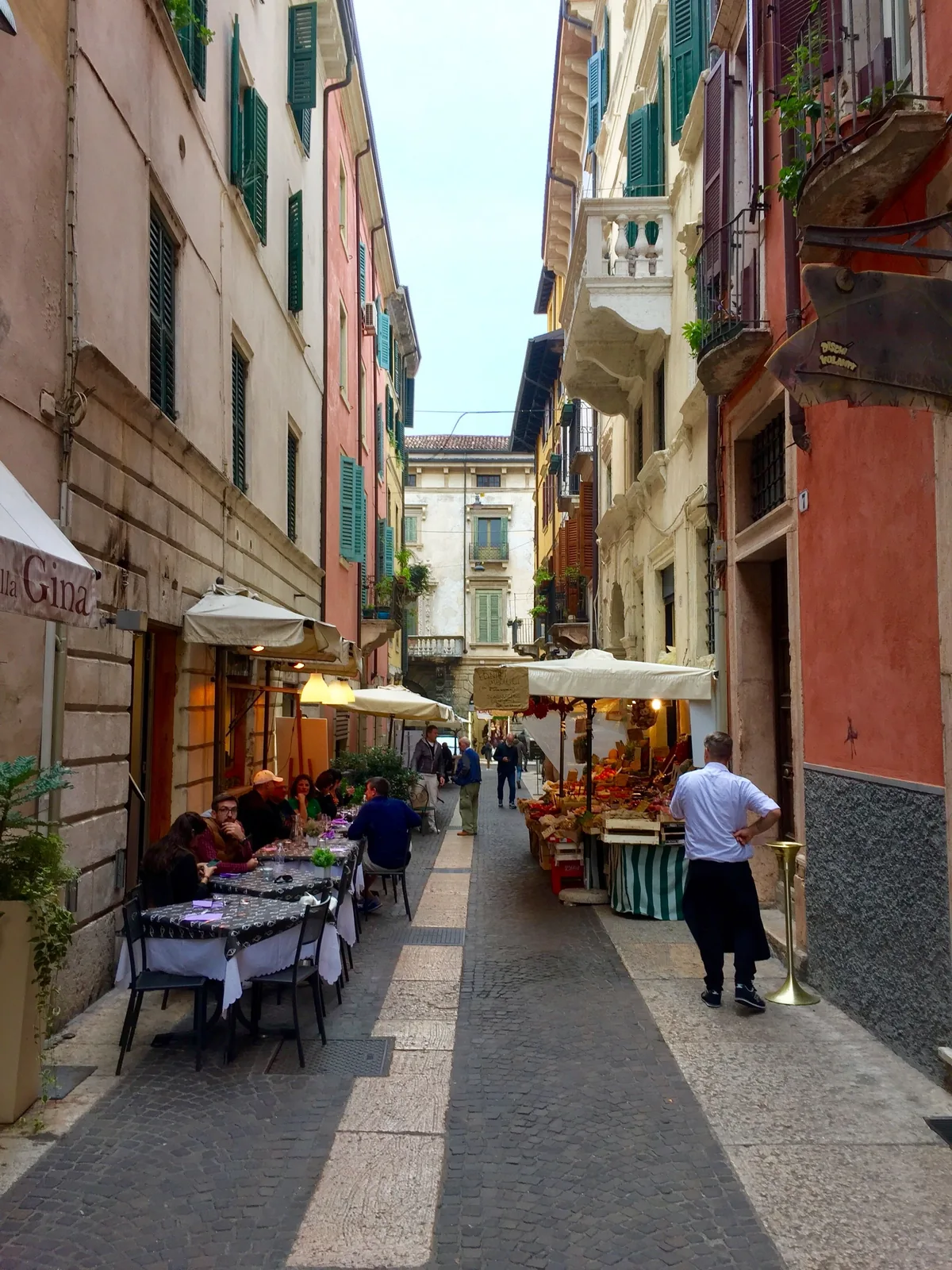
Where the Italian card works
Italian is the language of Italy, San Marino and Vatican City, and of Ticino in southern Switzerland, which has its own Italian entry in the builder.
- Italy
- San Marino
- Switzerland
- Vatican City
Each of these 4 destinations is its own choice in the builder. A One Language card covers the destination you pick; All Languages covers every one of them.
What should you ask about in Italian meals?
Dish names and traditional ingredients are useful clues, but the pasta water, sauce, topping, and cooking surface still need checking. Use your card, then ask questions that match the allergen and the actual preparation.
Why written Italian beats spoken English
A written card gives the person taking your order something concrete to read and pass to the kitchen, which can help when pronunciation, noise, or a quick handoff makes a spoken request difficult. It is not a substitute for confirmation: show it before ordering, ask what is in the dish and how it is prepared, and do not order if the answers are unclear. The AIC program can help with gluten-specific planning, while other allergies still need their own questions. That's the premise behind our translation card approach.
Allergen labelling in Italy
Looking up numbers beside dishes? See our Italian menu allergen numbers in English. Always use the restaurant’s own legend and ask about cross-contact.
Italy has a specific framework for celiac disease, including Legge 123/2005 and the AIC (Associazione Italiana Celiachia) Alimentazione Fuori Casa program. If you use an AIC-listed venue, check the current listing and ask what procedures apply; the program is specific to gluten and does not verify other allergens.
Frequently asked questions
Do restaurants in Italy accept written allergy cards?
Many restaurants can read a written Italian allergy card, but acceptance and accommodation vary. Show it before ordering, ask about the recipe and preparation, and leave if staff cannot answer clearly. Allergen information can help, but it does not replace a conversation about cross-contact.
What do you get with the Italian allergy card?
A printable PDF with a cut-out card, plus an image sized for your phone, with every allergen you select written in Italian and English. Dairy is named as both milk and dairy products rather than one general word, so a kitchen does not have to infer one from the other. Cards with up to three allergens can also be added to Apple or Google Wallet.
Is it realistic to eat gluten free in Italy?
AIC has a gluten-free dining programme with training and preparation requirements for participating venues. Check the current listing and discuss the actual meal with staff. Gluten-free procedures do not establish suitability for milk, egg, nut or other allergies.
Can I get a nut allergy card in Italian?
Yes. Select peanuts, tree nuts or both in the builder. Choose individual nuts if those are the restrictions you need to communicate. Your selected allergens appear in Italian and English on the card. Show it to staff and confirm ingredients and preparation.
Is the printable Italian allergy card free?
The Italian card is paid; the free Starter card is English-only. The Italian product price and included downloads are shown above.
This article is for informational and travel preparation purposes only and does not constitute medical advice. Always consult a qualified healthcare professional before traveling with a food allergy, and carry any prescribed emergency medication at all times. See our full medical disclaimer.