 AllergyPass
Food Allergies in Italy:
Allergen Numbers & Dining
Italy has useful gluten-free resources for people with coeliac disease, including AIC's restaurant programme. That does not answer every food-allergy question: pasta, pizza, pesto, sauces, desserts, and seafood still need recipe and preparation checks. This guide focuses on the questions that make an Italian meal easier to assess.
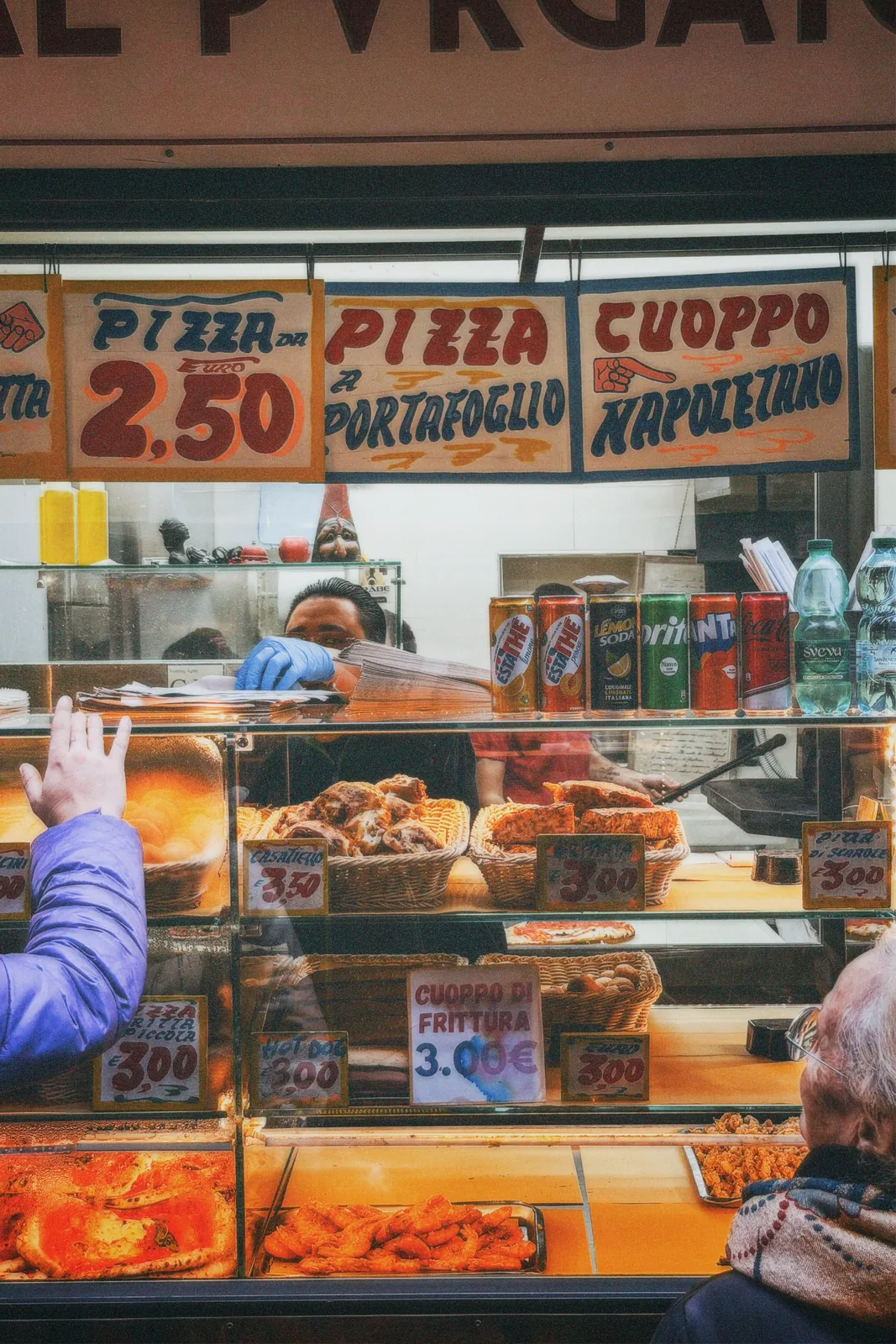 Italy
Italy
In this guide
Italian allergen numbers in English
If an Italian menu uses numbers beside a dish, read its allergen key before ordering. The table below follows the numbered categories in Annex II of Regulation (EU) 1169/2011. It is a reference, not a guarantee that every restaurant uses the same codes.
| Number | English |
|---|---|
| 1 | Cereals containing gluten |
| 2 | Crustaceans |
| 3 | Eggs |
| 4 | Fish |
| 5 | Peanuts |
| 6 | Soybeans |
| 7 | Milk, including lactose |
| 8 | Listed nuts, such as almonds and walnuts |
| 9 | Celery |
| 10 | Mustard |
| 11 | Sesame seeds |
| 12 | Sulphur dioxide and sulphites |
| 13 | Lupin |
| 14 | Molluscs |
Put your selected allergens in Italian and English on a card to show restaurant staff.
Build My Italian Allergy CardCheck the legend, then the kitchen: in this order, 5 means peanuts and 8 means the listed nuts; 2 means crustaceans and 14 means molluscs. A missing number does not establish that cross-contact is controlled. Ask staff to confirm both the ingredients and handling.
This is a shortened category guide; the regulation includes specific exemptions. The sulphite declaration threshold is more than 10 mg/kg or 10 mg/litre, expressed as total SO₂. Pine nuts are not in category 8’s specified nut list: name them separately if you avoid them.
Why Italy is different for allergies
Italy follows the EU food-information framework, and the Italian Ministry of Health explains that the 14 regulated allergens must be identified in packaged and non-packaged food. AIC also runs a separate gluten-free dining programme with training and practical requirements for participating venues. That programme is relevant to coeliac disease and gluten; it is not a general guarantee about dairy, eggs, nuts, fish, shellfish, or other allergens. For those, ask about the actual dish and the way the kitchen prepares it.
Hidden allergens in Italian cuisine
Parmesan and pecorino: dairy hiding in plain dishes
Parmigiano-Reggiano, Pecorino Romano, ricotta, mozzarella, butter, and cream appear in many Italian dishes, but not every tomato pasta or vegetable soup contains dairy. Ask whether cheese, butter, cream, or a dairy-based stock is used, and ask whether cheese is added at the pass or table. Leaving off a garnish does not solve dairy in the sauce itself.
Grana Padano can also contain egg-derived lysozyme. If you have an egg allergy, ask staff to check the cheese label as well as the pasta and sauce.
Check both fresh and dried pasta for egg
Pasta secca is often made from durum wheat and water, while pasta fresca or pasta all'uovo may contain egg. The recipe and brand still matter, and filled pasta can contain egg, milk, cheese, or other ingredients. Ask which pasta is used and whether the sauce contains egg. Tiramisù commonly contains mascarpone and egg, but ask about the recipe and preparation rather than assuming every dessert is the same.
Managing an egg allergy in Italy specifically, or across more than one destination? See our dedicated egg allergy travel card guide.
Pine nuts, almonds and other nuts in pesto and sweets
Pesto alla Genovese traditionally includes pine nuts, basil, garlic, hard cheese, and olive oil. Commercial or house recipes can differ, so ask which nuts are used and whether the pesto is made separately. Sicilian sweets such as cassata, frutta martorana, and some amaretti may contain almonds; check fillings, decorations, and shared display utensils.
Pine nuts are not among the nuts named in EU allergen-labeling rules. If you avoid pine nuts, name them explicitly rather than relying on a tree-nut declaration.
Anchovies: fish hiding in sauces that don't mention fish
Anchovies can be used as a sauce ingredient or seasoning. Puttanesca, some dressings, Piedmont's bagna cauda, and products made with colatura di alici may contain fish even when no fillet is visible. Ask specifically about anchovy, fish stock, and fish-based sauces.
Shellfish along the coast: frutti di mare and beyond
Coastal menus often include clams, mussels, prawns, squid, or mixed seafood. Spaghetti alle vongole, cozze, and dishes described as frutti di mare are clear prompts to ask about molluscs and crustaceans. Seafood risotto and fish soups may also use fish or seafood stock, so ask about the stock and shared pans or utensils.
Get an Italian allergy card
Put your selected allergens in Italian and English on a card to show restaurant staff.
Build My Italian Allergy CardItalian dishes that need closer checking
| Dish | Key allergens | Notes |
|---|---|---|
| Pesto alla Genovese | Pine nuts or other nuts, milk (cheese) | Ask which nuts and cheese are used, especially for house-made or commercial pesto. |
| Carbonara | Egg, dairy (pecorino), wheat (pasta) | Egg and cheese are part of the sauce; ask which pasta and cheese are used. |
| Tiramisù | Dairy (mascarpone); egg and wheat may be present | Ask about the recipe, biscuits, toppings, and preparation. |
| Spaghetti alle vongole / Frutti di mare | Molluscs or crustaceans, depending on the dish; wheat may be in pasta | Ask about the stock, mixed seafood, pans, and utensils. |
| Pizza Margherita | Dairy (mozzarella), wheat (dough) | Ask about dough, mozzarella, toppings, and whether the pizza is prepared separately. |
| Bagna cauda | Fish (anchovy), garlic | Anchovy is structural; ask what is served alongside it and how it is prepared. |
| Cassata siciliana / marzipan sweets | Almonds (marzipan); cassata also commonly contains milk (ricotta), egg and wheat (sponge cake) | Ask about cake, fillings, decorations and shared utensils. Visit Sicily’s cassata recipe includes ricotta, sponge cake and almond paste. |
| AIC-listed gluten-free pasta and pizza | Check gluten handling; other allergens remain separate questions | Use current AIC listings for coeliac dining and ask about the actual preparation. |
Where to start in Italy
AIC gluten-free dining programme: AIC's Alimentazione Fuori Casa network provides current listings and training for participating venues. Visitors can use AIC Mobile Welcome for temporary access to the listings. Check the current AIC source rather than relying on an old badge, and remember that the programme is about gluten-free preparation, not every allergen. If gluten is your only concern, our Italian gluten free card guide covers celiac communication and the pasta-water and fryer-oil questions specific to celiac travelers in more depth than fits here.
Trattorias and family-run osterias: A smaller menu may make it easier for staff to explain a dish, but do not assume that a home-style kitchen can manage an allergy. Use a written card and ask about sauces, stocks, equipment, and substitutions.
Coastal and seafood-focused restaurants: Menus may use fish, crustaceans, or molluscs in stocks and sauces. Confirm directly rather than assuming a dish is free from seafood because it is not named after fish.
Supermarkets: Packaged products must follow EU allergen-labeling rules, and the AIC crossed-grain mark can help identify qualifying gluten-free products. Read each label and check imported or bakery-counter food separately.
Italy city by city
Italian cooking changes sharply from one city to the next, and so do the allergens you are most likely to meet. These guides each take one city in depth, with a dish-by-dish table, neighborhood advice, and local hospital notes:
- Rome food allergy guide: egg, pecorino, and guanciale in the Roman pasta classics, plus preparation questions for Roman-Jewish fried dishes.
- Milan food allergy guide: butter-first Lombard cooking, aperitivo buffets, and eating well on a business-trip schedule.
- Venice food allergy guide: lagoon fish and shellfish, cicchetti preparation, and planning travel across the water.
- Florence food allergy guide: bread as a hidden ingredient in Tuscan soups and salads, and planning gluten-free meals.
Italian supermarkets and label checks
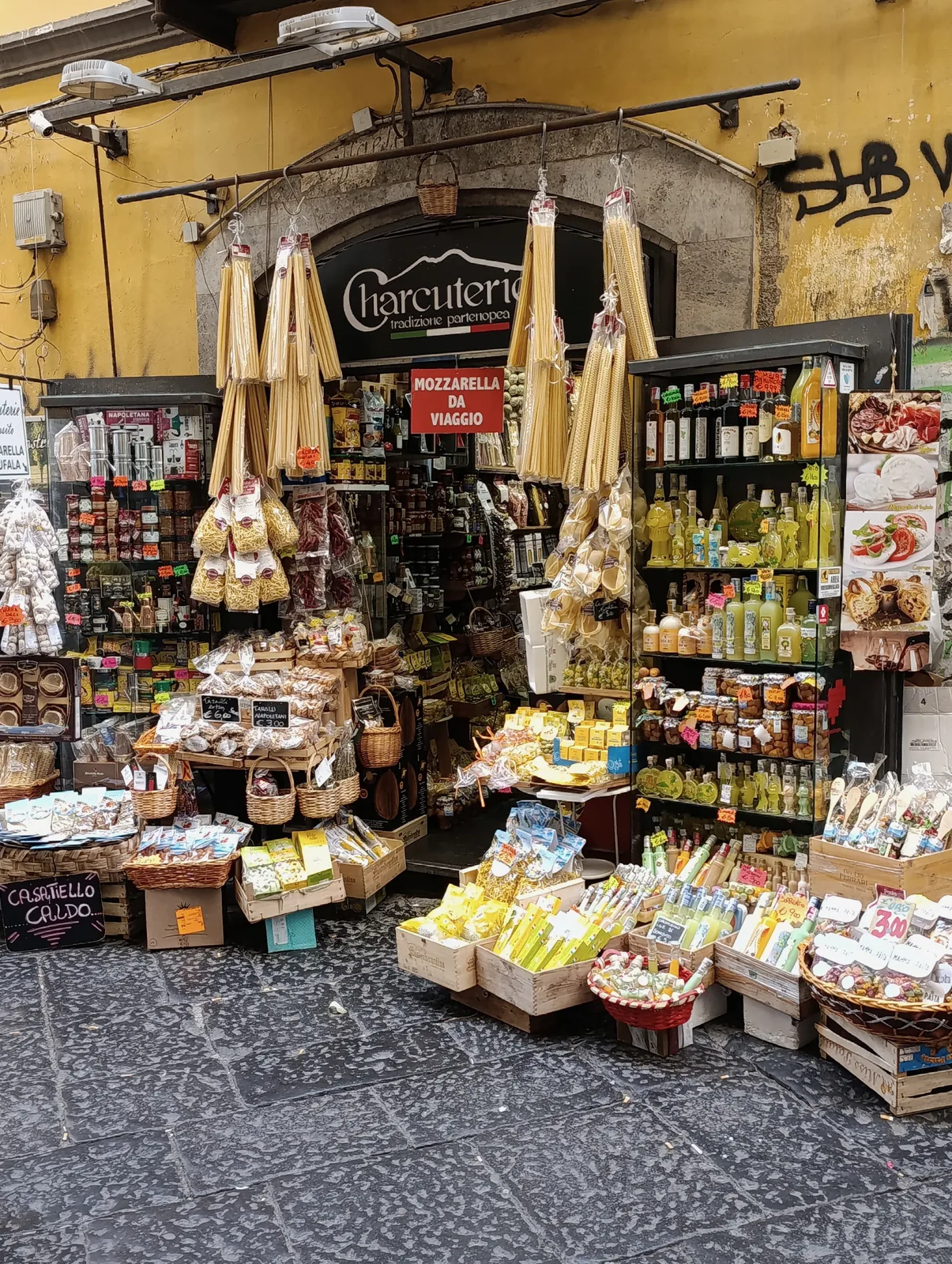
For travelers cooking for themselves or stocking up on food, supermarkets can make ingredient checks simpler because packaged products have an ingredient list. Stock varies by branch, and a free-from shelf does not remove the need to read the label. Coop, Conad, Carrefour, and Esselunga are examples of national or regional chains; they are not guarantees of a particular product at every location.
Coop: Some branches carry BeneSì and other gluten-free products. Check the individual package and branch stock.
Conad: Branches may carry gluten-free pasta, biscuits, bread, and snacks, but selection differs between stores.
Carrefour Italia: Larger stores may carry a broader range of gluten-free brands than smaller branches. Treat promotions and shelf labels as shopping aids, not substitutes for the package label.
Esselunga: Its branches are concentrated in northern and central Italy and may carry several gluten-free brands. Use the online catalogue only as a planning aid; in-store availability can change.
Understanding Italian allergen labeling
Italy applies the EU food-information framework. Italy also has a well-established AIC programme for gluten-free eating outside the home, but it is important to keep those two systems separate: a legal allergen declaration is not a cross-contact guarantee, and an AIC gluten-free resource is not a general allergy certification.
The EU 14 allergen list: Under Regulation (EU) 1169/2011, the regulated allergens include cereals containing gluten, crustaceans, eggs, fish, peanuts, soybeans, milk, tree nuts, celery, mustard, sesame, sulphur dioxide and sulphites, lupin, and molluscs. On packaged food, check the ingredient list for allergens made visually prominent. For restaurant food, ask how the venue records and provides allergen information.
Restaurant allergen information: The Italian Ministry of Health explains the allergen-information duties for food businesses. A venue may use a written chart, menu information, or staff records. Ask to see the information and then ask about preparation and cross-contact; a list of ingredients does not answer whether a separate fryer, pan, or utensil was used.
The AIC programme, what it covers: AIC's Alimentazione Fuori Casa programme applies specifically to gluten-free preparation. Participating venues receive training and follow programme requirements, but the listing says nothing by itself about dairy, eggs, tree nuts, fish, or shellfish. Do not treat a gluten-free venue as automatically suitable for a different allergen.
Why written allergy cards still matter: Italy's gluten-specific resources are useful, but they cover only one part of an allergy assessment. A written Italian-language card gives the front of house and kitchen a consistent record of your needs. Pair it with questions about recipes and handling, especially when the order passes between several staff members.
Emergency information for Italy
- Emergency numbers: 112 is the general emergency number. In Venice, local guidance directs medical emergencies to 118 (SUEM); Veneto’s September 2026 update confirms that its integrated 112 call centers are still being developed. Give your exact location and follow the operator’s instructions.
- Medication: Carry your prescribed emergency medication and follow your personal action plan. Do not rely on finding a pharmacy during a severe reaction.
A first-hand account
This page covers Italian law and kitchen practice. It cannot tell you how two weeks on the ground actually go. Cindi at An Easy Journey has written up repeated Italy trips with her food-allergic family, including Rome, Sardinia and the planning that went in beforehand, and is candid about what she would do differently. Lived experience, offered alongside the regulation above rather than as a source for it.
Sources
This guide draws on EU food-information law, AIC's gluten-free dining programme, and official Italian government resources. It is intended as practical travel information, not medical advice.
- Regulation (EU) No 1169/2011 on the provision of food information to consumers (EUR-Lex): the EU regulation establishing the allergen-information framework referenced throughout this guide.
- Italian Ministry of Health: food allergies: official guidance on the 14 regulated allergens and food information for packaged and non-packaged food.
- AIC: Alimentazione Fuori Casa listings: the current source for participating gluten-free venues and temporary AIC Mobile Welcome access for visitors.
- Numero Unico di Emergenza 112 (Ministero dell'Interno): the official Italian government portal for the 112 emergency service.
Frequently asked questions
What do allergen numbers on Italian menus mean?
Numbers refer to categories in the restaurant’s allergen legend. In EU Annex II order, 1 is cereals containing gluten, 3 is eggs, 5 is peanuts, 7 is milk and 8 is the listed nuts. Always check the menu’s own key rather than assuming these codes apply everywhere. Ingredient declarations do not establish that a kitchen prevents cross-contact.
Is Italy safe for travelers with food allergies?
Planning and direct communication with each kitchen matter. AIC’s Alimentazione Fuori Casa (AFC) programme provides gluten-free training and procedures for participating venues, but it is not a general food-allergy certification. Check your specific allergens, ingredients and cross-contact precautions with staff. An Italian-English allergy card can help communicate the request alongside a direct conversation with staff.
What are the most common hidden allergens in Italian food?
Ingredients to check include milk in cheese, butter and cream; egg in pasta, desserts and some cheeses containing egg-derived lysozyme; nuts in pesto and sweets; and fish in anchovy-based sauces. Seafood dishes may contain crustaceans or molluscs, which are separate allergen groups. Recipes vary, and pine nuts need an explicit question because they are not among the nuts named in EU allergen-labeling rules.
Is gluten-free pasta and pizza actually safe in Italy?
A gluten-free menu claim alone does not explain how a kitchen prevents cross-contact. AIC’s AFC programme is a useful resource for people with coeliac disease: check current participation and ask about pasta water, fryers, utensils and preparation surfaces. Participation does not mean the whole kitchen is gluten-free. Gluten-free food can contain other allergens, and a gluten-free claim does not by itself establish suitability for wheat allergy.
Traveling to Italy with food allergies?
Create an Italian-English allergy card before your trip. Show it at restaurants, pizzerias, trattorias, and hotels across Italy.
Build My Italy Allergy Card- ✓ No Internet Needed
- ✓ Italian + English
- ✓ No Signup Required
This article is for informational and travel preparation purposes only and does not constitute medical advice. Always consult a qualified healthcare professional before traveling with a food allergy, and carry any prescribed emergency medication at all times. See our full medical disclaimer.