Peanut Allergy
Travel Card
A bilingual card that names peanut oil, satay sauce, and mixed-nut garnishes directly, not just the word "peanut", in the destination's own language and script.
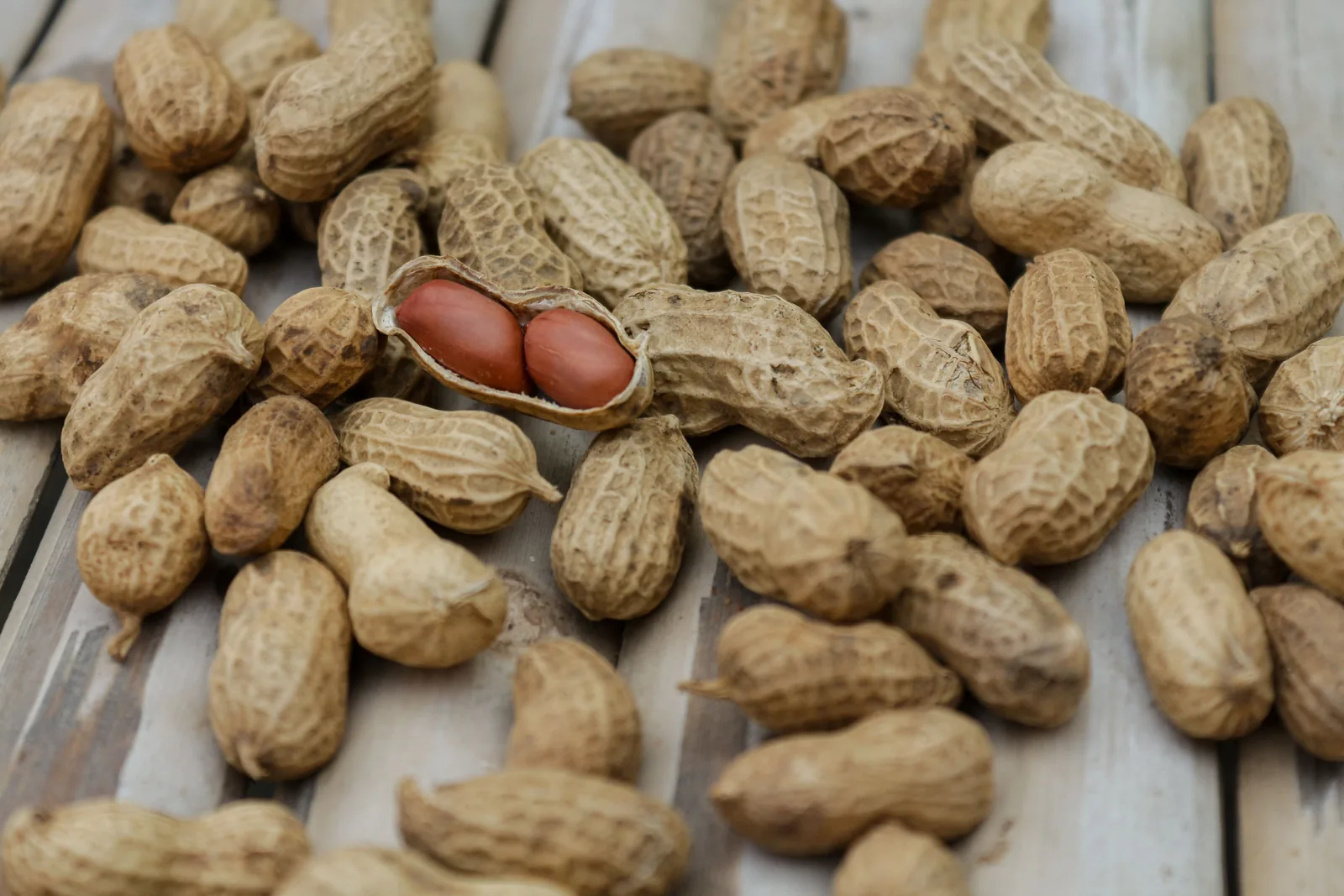
Why peanut allergies need more than "no peanuts"
Peanut is one of the most structurally embedded allergens in world cuisine. It shows up as a garnish, but far more often it's the cooking fat itself: peanut oil is a standard frying medium across Southeast Asian, West African, American Southern, and many Chinese regional kitchens, used exactly the way other cuisines use vegetable or sunflower oil. A dish with no visible peanuts can still be fried in it.
That's why a card that only translates the word "peanut" leaves a real gap. AllergyPass's peanut restriction is built with its known hidden ingredients attached, including peanut oil, satay sauce, mole sauce, gado gado sauce, and mixed nuts, so the translated card names the actual risk rather than a single ingredient a cook might not connect to what's in the wok.
What goes on a peanut allergy travel card
- Severity level. Mild, moderate, or severe/anaphylaxis, so kitchen staff understand how seriously to treat the request.
- The hidden-ingredient list. Peanut oil, satay sauce, mole sauce, gado gado sauce, and mixed nuts are named directly rather than assumed.
- Native script. Spoken English often doesn't land in a busy kitchen. A written card in the destination's own script removes that gap entirely.
- Any other restrictions you're managing. AllergyPass supports combining peanut with any of the other 69 restrictions on one card, at no extra cost, for travelers managing more than one allergy.
How to build your peanut allergy card
- Open the Card Builder and select Peanuts from the allergen list.
- Pick your destination language. 40 languages are live, covering the destinations where peanut oil is most common in local cooking.
- Set your severity and download or print. The card preview updates as you go, so you can confirm the wording before you travel.
Build a peanut allergy card that names the oil, not just the peanut
Build My CardWhere a peanut allergy card matters most
Thailand is the single most-requested destination for peanut allergy travelers, since peanuts appear as a garnish, a sauce base, and a cooking oil across Thai street food and restaurant cooking alike. The Thailand peanut allergy guide has a full dish-by-dish risk breakdown, the exact Thai phrases to show kitchen staff, and which dishes are lower-risk. Vietnamese and other Southeast Asian cuisines carry similar risk; see the hidden allergens in Vietnamese food guide for the regional pattern.
What to check before you travel
- Destination language coverage. The Free Starter tier covers Thai and English. Other destinations need a Single Trip Pass for one destination or an All Access plan for all 40 live languages.
- Combine restrictions if needed. If you're managing peanut alongside tree nuts, shellfish, or any other restriction, add them all to the same card at no extra cost.
- A digital backup. On paid tiers, saving the card image or adding it to Apple/Google Wallet gives you a second option if the paper card isn't on hand.
Frequently asked questions
What should a peanut allergy travel card say?
It needs to cover more than whole peanuts. Peanut oil, satay sauce, mole sauce, and mixed-nut garnishes all carry peanut protein without looking like a peanut, so the card should name the ingredient risk directly, in the destination's language and script, along with your severity level.
Is a peanut allergy card different from a general allergy card?
The format is the same bilingual card every AllergyPass allergen uses. What changes is the content: peanut-specific hidden ingredients (peanut oil, satay sauce, mole sauce, gado gado sauce, mixed nuts) are built into the translation, so kitchen staff see the exact risk, not just the word "peanut".
Which countries need a peanut allergy card the most?
Peanuts are structurally common in Southeast Asian, West African, American Southern, and many Chinese regional cuisines, where peanut oil is a standard cooking fat rather than an optional ingredient. Thailand is the single most-requested destination; see the dedicated Thailand peanut allergy guide for a full dish-by-dish breakdown.
Can I build a peanut allergy card for free?
Yes, for Thai and English destinations. The Free Starter tier has unlimited allergens and no sign-up. Other destination languages need a Single Trip Pass ($4.99, one destination) or an All Access plan (all 40 live languages).
Does the card cover peanut oil specifically, not just whole peanuts?
Yes. Peanut is set up as a full restriction with its known hidden ingredients, including peanut oil, satay sauce, mole sauce, and gado gado sauce, so the translated card names those risks rather than only the word "peanut".
Key takeaways
- Peanut oil, satay sauce, mole sauce, and mixed-nut garnishes carry peanut protein without looking like a peanut on a menu.
- AllergyPass's peanut restriction is built with these hidden ingredients attached, so the translated card names the actual risk.
- Thailand is the top destination for this keyword; the dedicated Thailand peanut allergy guide covers dish-by-dish risk and exact phrases.
- Free Starter covers Thai and English with unlimited allergens. Other languages need a Single Trip Pass or All Access plan.
- A travel card doesn't replace medical advice. Review the wording with a healthcare professional if you're unsure about anything on it.
Build a bilingual peanut allergy card in native script for your destination. Set severity, combine with other restrictions, and export as an image, print, or wallet pass. No sign-up required for the free tier.
Build my card →This article is for informational and travel preparation purposes only and does not constitute medical advice. Always consult a qualified healthcare professional before traveling with a food allergy, and carry any prescribed emergency medication at all times. See our full medical disclaimer.