 AllergyPass
The Food Allergy Travel Checklist:
Everything to Do Before You Fly
A priority-based checklist for medical planning, airline and destination research, food and language backups, packing, and your first hours after arrival. Printable PDF sent by email.
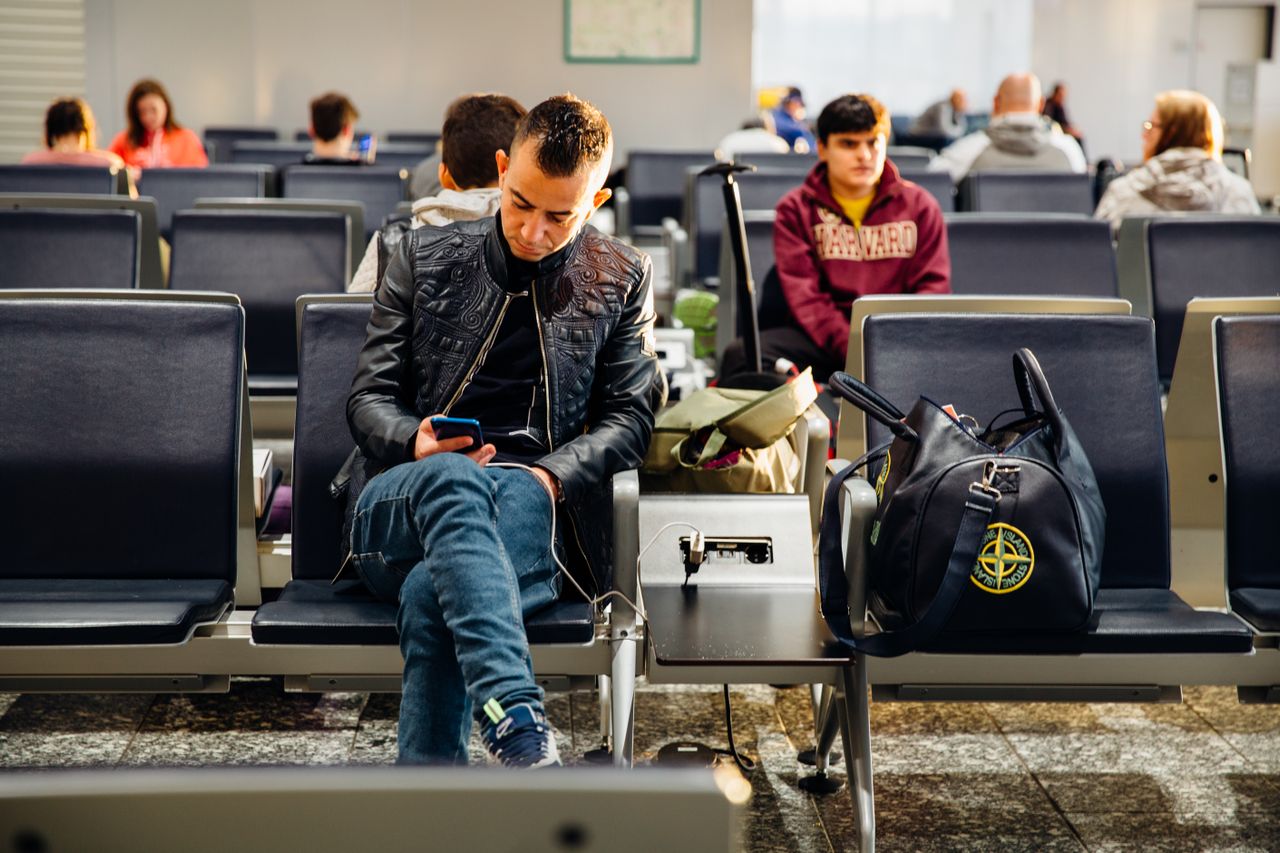
6 weeks out: as soon as the trip is booked
- Review your emergency plan with your clinician. Confirm that the medication, dose, contacts, and instructions are current. Ask whether you need a prescription copy or clinician letter for the route and destination.
- Check your medication supply. Compare expiry dates with the trip, arrange refills early, and follow your clinician's advice about the number of doses to carry. Keep the medication accessible rather than relying on a replacement abroad.
- Read travel-insurance exclusions. Check how the policy treats pre-existing conditions, emergency treatment, evacuation, and your planned activities. Our travel insurance guide for allergy travelers covers what to verify before buying.
- Research the destination's food questions. Look up local names for your allergens and the dishes, sauces, stocks, oils, and garnishes where they may appear. Start with cuisine and city guides, then verify the actual restaurant or vendor when you arrive.
2 weeks out: before the final week
- Make your allergy communication card. Name each allergen in the destination language, explain that it is a medical allergy, and ask staff to check sauces, oils, garnishes, and cross-contact. A card starts the conversation; it does not certify a kitchen.
- Check the operating airline's current policy. If you want a special meal, request it through the carrier that operates each segment and follow its stated deadline. Keep backup food in case the request is unavailable or missing.
- Buy food you have already checked. Pack enough for transit and a delay, subject to airport, airline, and customs rules. Do not assume an airport café or onboard meal can verify every ingredient.
- Learn how labels work at the destination. Check the official food-labeling guidance where relevant, but remember that a packaged-food label does not answer restaurant cross-contact questions.
- Save key information offline: the local emergency number, your action plan, medication details, accommodation address, transport information, and your card image or email.
Build your allergy card now — the free English flow requires no account, but an email is needed to receive the card
Build My CardPacking day and the flight
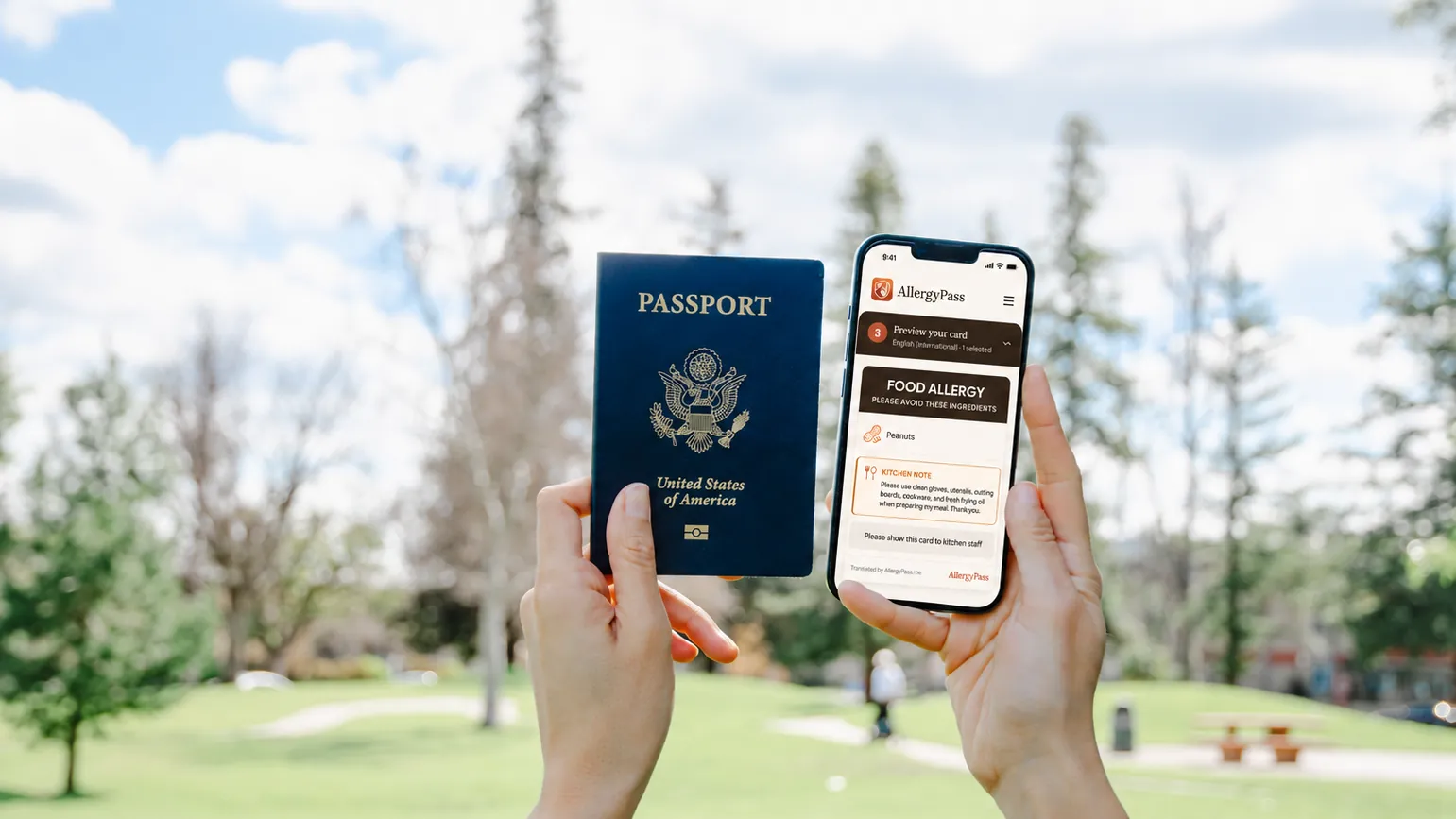
- Prescribed medication in an accessible carry-on. Keep it with you rather than in checked luggage, and follow your clinician's instructions about doses. Keep the pharmacy label, prescription information, or clinician letter nearby. Our EpiPen airport security guide covers screening and customs in detail.
- Your action plan and emergency contacts. Keep a paper copy with the medication and a digital copy where a travel companion can find it.
- Printed allergy card plus a saved digital version. A paper card is a useful backup when a phone is flat, offline, or hard to read.
- Food for transit and delays. Bring items you have checked and pack them in a way that makes the ingredient label easy to show.
- Clean your immediate seat area if your medical plan calls for it. Wiping a tray table or armrest may reduce residue, but it cannot make an aircraft cabin allergen-free.
First 24 hours at the destination
- Confirm the local emergency number and care route. Save the address of your accommodation in the local script and identify how to call for emergency help from where you are staying.
- Locate a pharmacy or medical facility if your plan requires one. Check current hours and whether it can help with your prescribed medication; do not assume stock.
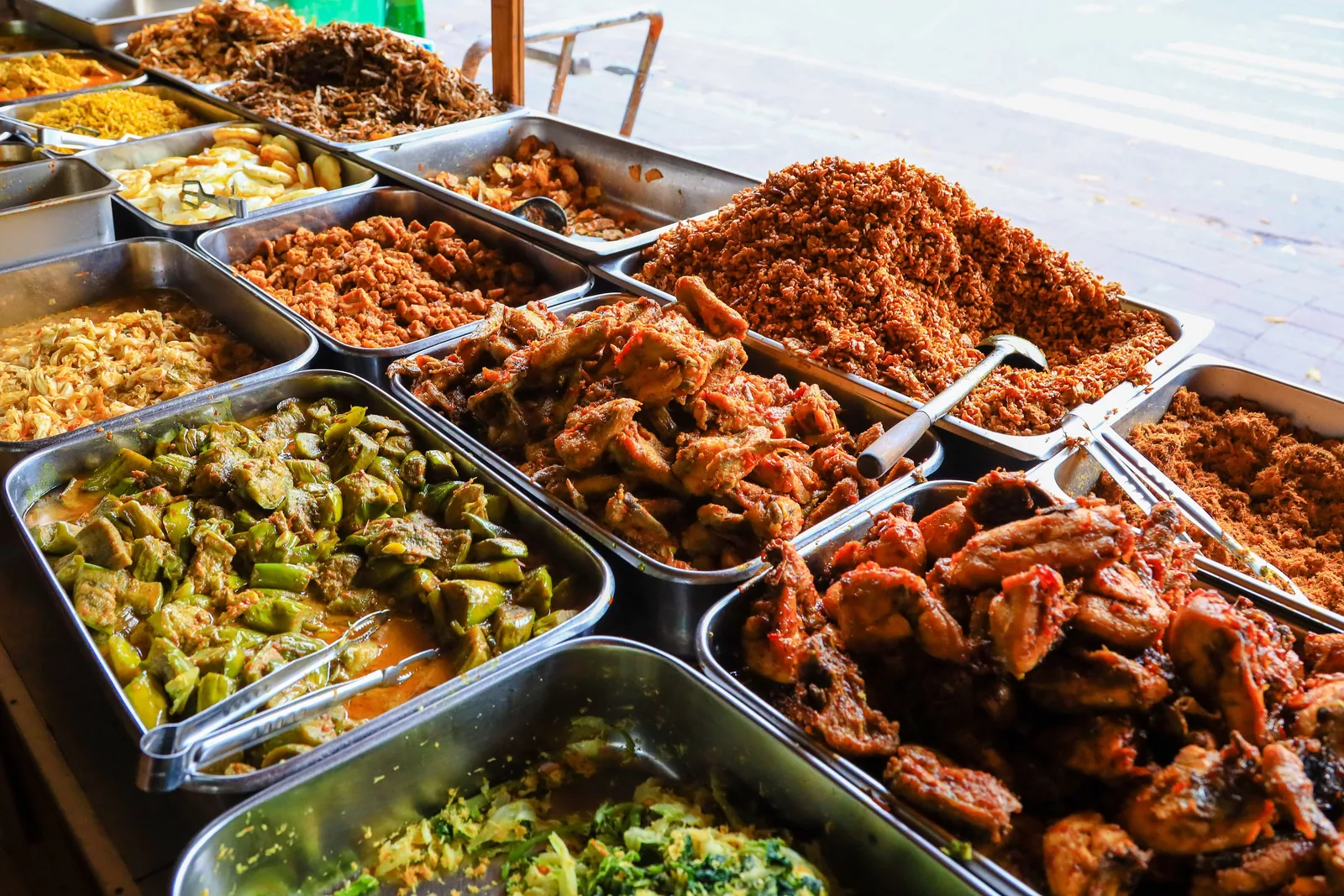
- Choose a first meal where staff can pause and answer questions. Show the card before ordering, ask about recipes and shared equipment, and leave if the answers are vague or dismissive.
Get the printable checklist
The full checklist is available as a free printable PDF. Enter your email below to receive a copy you can print and use while you pack.
Frequently asked questions
How far in advance should I start preparing for a trip with food allergies?
Start as soon as your dates are firm, especially if you need a clinician appointment, a prescription renewal, destination-specific medication paperwork, or time to compare insurance. If the trip is soon, prioritize your emergency plan and medication, then the airline and destination checks, then food and communication backups.
How much epinephrine should I carry when traveling internationally?
Carry the medication and number of doses in your clinician's plan, in an accessible carry-on or personal item rather than checked baggage. Keep the pharmacy label and prescription information with it, and check the departure, transit, and destination rules before you fly.
What should a food allergy translation card include?
It should name each allergen in the destination language, explain that it is a medical allergy, and ask staff to check recipes, sauces, oils, garnishes, and cross-contact. A card helps start the conversation; it does not confirm that a kitchen can safely prepare the meal.
This article is for informational and travel preparation purposes only and does not constitute medical advice. Always consult a qualified healthcare professional before traveling with a food allergy, and carry any prescribed emergency medication at all times. See our full medical disclaimer.