 AllergyPass
First-Time Food Allergy Travel:
What Changes When You Leave Home
You have managed your food allergy at home for years. You know which restaurants you trust, which products to avoid, and how to read a label. Abroad, that familiar knowledge has to be rebuilt one meal and one product at a time. Language barriers, unfamiliar food cultures, and different kitchen practices call for preparation—not panic.
In this guide
What actually changes when you travel internationally
Managing a food allergy at home involves a set of skills you have built over time: knowing which restaurants understand your allergy, recognizing safe product brands, reading labels fluently in your language, and communicating your allergy clearly. International travel removes several of these advantages at once, so you need a deliberate way to replace them.
The four things that change most significantly:
- Language. Ingredient lists, menus, and kitchen conversations may not be in a language you read fluently. Even where English is common, culinary names and ingredient terms differ.
- Food culture. Your allergen may be a seasoning, paste, oil, or stock rather than a visible topping. Peanut oil, fish sauce, shrimp paste, sesame oil, and soy sauce are examples of ingredients that need destination-specific research.
- Allergen labeling laws. Different countries have different mandatory allergen disclosure requirements. The EU's 14-allergen framework does not apply in Thailand, Japan, or the United States in the same form. What must be declared on a label differs.
- Cross-contact. Kitchens differ in how they handle shared woks, oil, boards, utensils, and preparation surfaces. Ask what the venue actually does instead of assuming that a “yes” means the same thing it would at home.
Before you leave: five things to prepare
1. Research your allergen in the destination cuisine
Every cuisine uses allergens differently. Before traveling, spend time specifically on how your allergen appears in the food culture of your destination, not just whether it is present. For example:
- Peanuts in Thai cuisine appear in satay sauces, pad thai, and some curry pastes, but also in cooking oils and as a garnish in dishes that do not name them prominently.
- Sesame in Japanese cuisine is in gomadare (sesame dressing), toasted seeds on many dishes, and sesame oil used in preparation: not just as a visible topping.
- Dairy in French cuisine includes butter used as a finishing element in dishes that appear dairy-free on the menu.
Use a country guide, local food-safety source, or your clinician’s advice to learn the common uses of your allergen. The goal is not to memorize every dish; it is to arrive with specific questions instead of a vague request.
2. Get an allergy card in the local language
A written allergy card is one of the most useful tools for a first trip. It gives the kitchen your exact allergen names and a clear request about cross-contact. Ask the server to take it to the person preparing the food; a card helps communication, but it cannot make an unwilling or uncertain kitchen suitable.
A good allergy card should include your specific allergens by local name, a request to avoid cross-contact, and a statement of severity. AllergyPass's card builder generates a travel allergy card like this, in 40+ languages.
3. Know where your epinephrine is at all times
If you carry an epinephrine auto-injector (EpiPen or equivalent), international travel requires deliberate planning around it. Key points:
- Carry the amount your clinician prescribed, with any backup doses kept in your carry-on and accessible to you. Never put your only epinephrine in checked luggage.
- Check your auto-injectors' expiry dates before you travel. If they expire during your trip, get replacements before you leave.
- Do not plan to replace your medication abroad. Availability, prescribing rules, and product names vary, especially outside major cities.
- Carry a doctor's note or medical summary in English (and the local language if you can) explaining your condition and medication. This helps at customs and in any medical encounter abroad.
4. Get travel insurance that covers allergic reactions
Standard travel insurance may exclude pre-existing conditions, which for some policies includes food allergies. Before you travel, confirm that your policy covers emergency medical treatment for allergic reactions, including hospital stays and, if relevant, medical evacuation. Compare exclusions and the claims process, not just the headline price. If your allergy is treated as a pre-existing condition, ask the insurer how that affects emergency treatment.
5. Identify local emergency services and hospitals
Save the local emergency number, note the route to urgent care from your lodging, and keep your personal action plan with your medication. Verify these details for each country or island on your itinerary; do not delay emergency care while trying to find a particular hospital.
Build an allergy card in the local language for your first destination
Build My Allergy CardAt restaurants: how to communicate effectively
The most important shift is moving from familiarity to verification. At home, you may return to restaurants you already trust. Abroad, start by showing your card and asking who can check the recipe and preparation.
Show your card before you look at the menu
Show your allergy card to the server immediately when you sit down or before you place an order. This frames the entire interaction around your allergy, gives staff time to check with the kitchen before taking your order, and avoids the more awkward scenario of ordering something and then discovering it cannot be prepared safely.
Ask the server to take the card to the kitchen
One of the most useful roles for a written allergy card is as a kitchen communication tool, not just a server communication tool. Ask directly: "Can you show this to the chef?" or the equivalent phrase in the local language. At many restaurants, the server knows the menu but the chef knows the ingredients. You need the chef to see your card.
Ask about ingredients, not just dish names
Dish names do not tell you what is in them, particularly in cuisines you are unfamiliar with. "Does this dish contain fish sauce?" is a better question than "Is this dish fish-free?" The former asks about a specific ingredient; the latter invites a yes/no answer based on the server's interpretation of what "fish-free" means, which may not match yours.
Understand that "no" can mean different things
In some cultures, "this dish doesn't have [allergen]" means the primary ingredient list does not include it. It may not account for sauces, marinades, cooking oils, or preparation surface contact. In others, it means the kitchen will prepare your dish without any contact with that allergen. You cannot assume which you are getting without asking specifically about the preparation method, not just the ingredient list.
Choose simpler dishes in unfamiliar environments
When you are new to a cuisine, simpler dishes with fewer components are often easier to verify. A plain grilled item with vegetables may be easier to question than a complex sauce-based dish, but still ask about marinades, stock, oil, utensils, and the cooking surface. Familiarity should grow from clear answers, not assumptions.

Understanding different food cultures and hidden allergen risk
Southeast Asia: hidden allergen landscape
Southeast Asian cuisines (Thai, Vietnamese, Malaysian, Indonesian) use several allergens in ways that are invisible on menus. Fish sauce (fermented fish) is a foundational seasoning in Thai and Vietnamese cooking, used like salt. Peanuts appear in sauces, on top of dishes as garnish, and in cooking oils. Shrimp paste is a base ingredient in many curry pastes. Soy sauce is used as a general seasoning in many preparations.
The challenge is that these ingredients appear as background seasonings, not named dish components. A dish described as “stir-fried vegetables” may contain fish sauce, soy, or peanut oil without those being mentioned. Ask about the specific ingredients and preparation, and show a local-language card so the kitchen understands the request.

East Asia: soy, sesame, and labeling differences
In Japanese, Chinese, and Korean cuisines, soy sauce and sesame oil may be used as seasonings rather than obvious toppings. Ask about sauces, broths, marinades, and shared equipment. Japan has a packaged-food allergen-labeling system, but the current list and labeling details can change; check the Consumer Affairs Agency guidance and do not treat packaged labels as a restaurant guarantee.
Europe: EU law is consistent but implementation varies
EU member states share a framework for the 14 regulated allergens. It gives travelers a useful starting point for ingredient information, but national rules shape how restaurants present it and the framework does not guarantee cross-contact control. A local-language card remains useful because naming an allergen is different from confirming a kitchen’s actual preparation.
Airports and transit: the gaps to plan for
Airports and transit periods are predictably difficult for allergy travelers. Food options are limited, labeling on grab-and-go items may be unclear, and you are often hungry and rushed. Specific things to plan for:
- Bring your own food for the flight and layovers. Airline meals and airport food may not suit your needs or control cross-contact. Pack food that you know you can eat so hunger and time pressure do not force a guess.
- Check the airline’s current policy. Ask at booking and again before departure about special meals, onboard announcements, and what the carrier can and cannot guarantee. Do not assume a “free-from” meal is cross-contact-free.
- Layover locations matter. A long layover in a country where you do not speak the language and have not researched the food is its own allergy navigation challenge. If you have a significant layover, apply the same pre-trip preparation to that location as you would a destination.
- Keep medication in your carry-on. Never put your epinephrine, antihistamines, or any essential medication in checked luggage. Checked bags are delayed, lost, and separated from you at the moment you may most need access to medication.
Reading labels in a foreign language
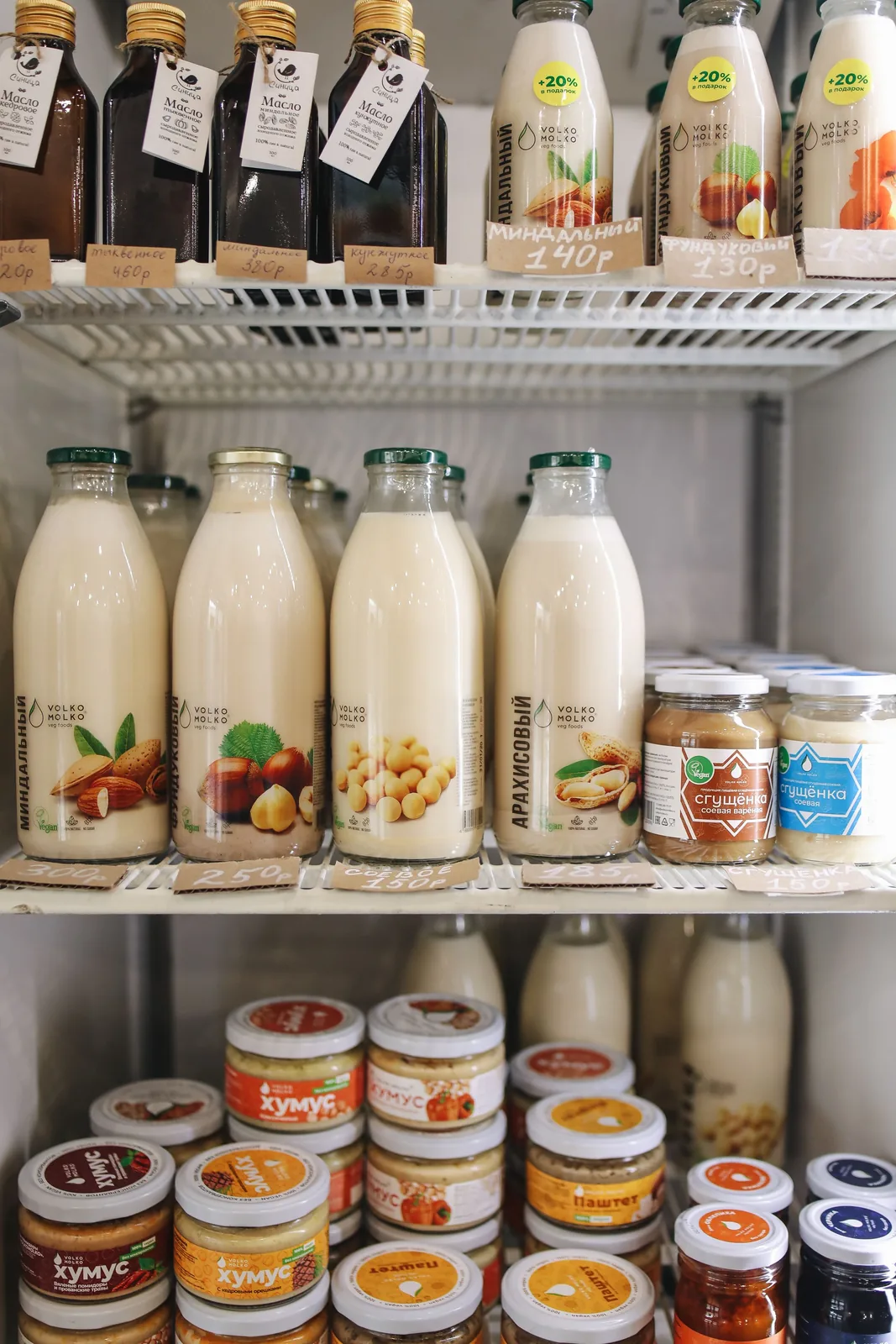
Packaged food label reading abroad involves two challenges: the language barrier and the regulatory difference. What must be declared on a label differs by country.
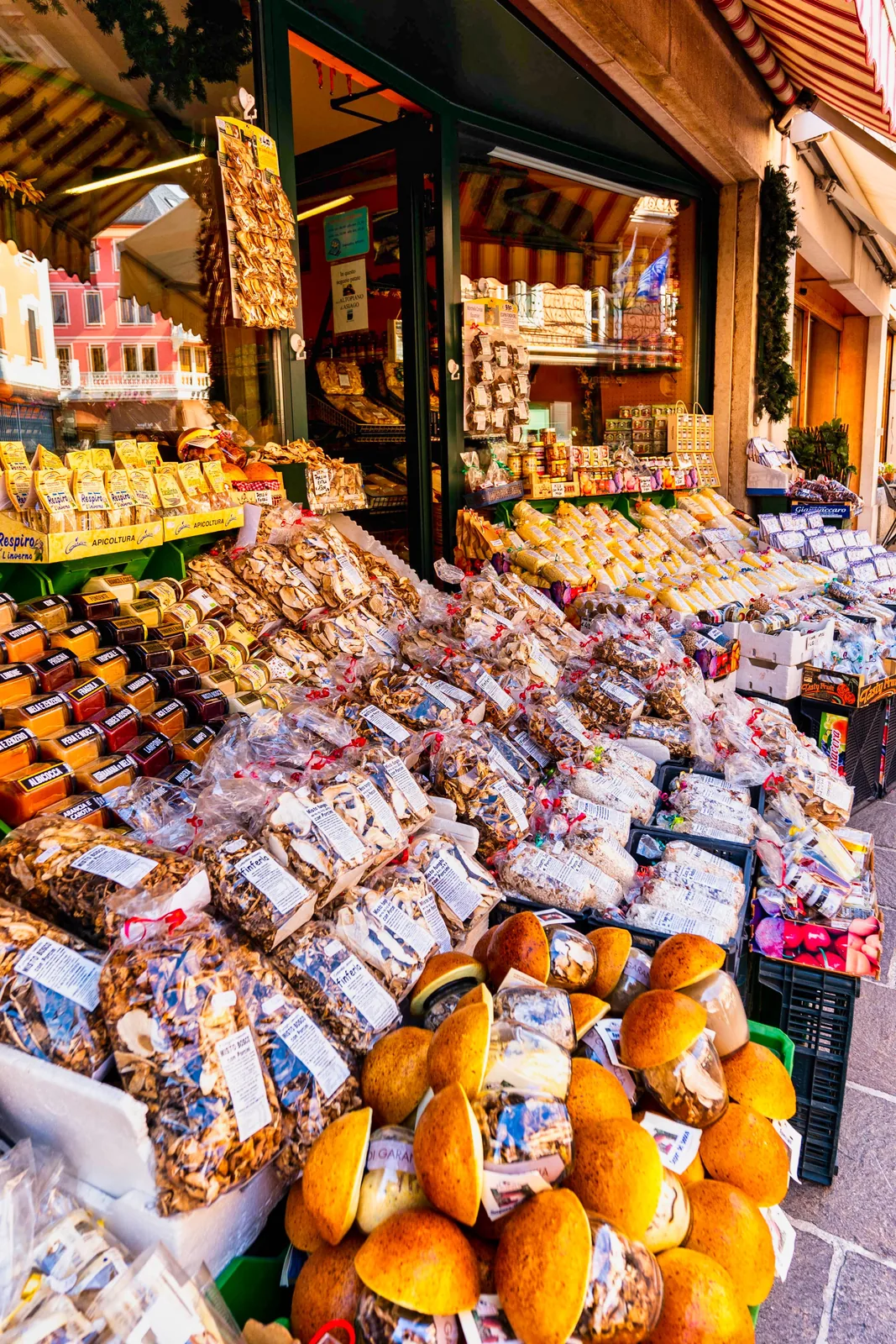
In the EU: All 14 mandatory allergens must be clearly emphasised in the ingredient list on packaged food, often in bold. This can be a comparatively clear labeling environment for allergy travelers. Even without reading the language, visually emphasised terms in an ingredient list are identifiable with basic research into the local word for your allergen.
In Japan: A different system applies. Seven allergens (eggs, milk, wheat, shrimp, crab, peanuts, and buckwheat) are mandatory on packaged food labels. Other allergens are recommended but not required. The Japanese word for each allergen on your card gives you a scanning tool for ingredient lists.
In the United States: The FASTER Act (effective 2023) requires disclosure of 9 major allergens: milk, eggs, fish, shellfish, tree nuts, wheat, peanuts, soybeans, and sesame. Allergens must be declared in plain language.
In Southeast Asia and other regions: Allergen labeling requirements vary significantly and may be less comprehensive than EU or US standards. In these regions, label reading is less reliable as a safety tool and written communication with food preparers becomes more important.
Prepare your allergy card before you go. The AllergyPass card builder generates a written allergy card in 40+ languages. Show it at any restaurant and ask staff to take it to the kitchen.
Build My Allergy CardHow this guide was researched
This guide draws on established guidance from food allergy organizations including Food Allergy Research and Education (FARE), EU FIC Regulation documentation, Japanese food safety allergen guidelines, US FDA allergen labeling requirements, and best practices in travel allergy communication as documented in clinical and consumer resources. It is intended as a practical orientation guide for first-time international allergy travelers and is reviewed periodically. It does not replace advice from a healthcare provider who knows your specific allergy history and severity.
Sources and references
- FARE (Food Allergy Research and Education): Traveling with Food Allergies
- European Commission: Food Information to Consumers Regulation (EU No. 1169/2011)
- US FDA: Food Allergen Labeling and Consumer Protection Act
- Consumer Affairs Agency Japan: food allergen labeling
Frequently asked questions
How is managing a food allergy abroad different from managing it at home?
At home, you may rely on familiar restaurants, products, labels, and language. Abroad, those references have to be rebuilt. You face different ingredient names, unfamiliar cuisine, local labeling rules, and unknown kitchen practices, so prepare a card, research the destination, and ask more specific questions.
What should I pack for international travel with a food allergy?
Pack your prescribed emergency medication in your carry-on where you can reach it, plus any backup supply your clinician recommends; never put your only dose in checked luggage. Also bring a written card for each destination, a medical summary, your doctor’s contact information, backup snacks for transit gaps, and insurance documentation. Check expiry dates before departure.
Do food allergy translation cards actually work?
A written card is often more useful than trying to explain a complex allergy verbally. It gives the kitchen your exact allergen names and a request about cross-contact. It is still only a communication aid: the restaurant must be willing and able to check the recipe and preparation, and you should leave when staff cannot answer clearly.
Should I tell the airline about my food allergy?
Yes. Ask at booking and confirm again before departure. Check the carrier’s current rules for special meals, onboard announcements, and what it can and cannot guarantee. For severe airborne sensitivities, tell cabin crew when boarding, and bring your own food as backup regardless of what the airline provides.
How do I find out if my allergen has different names in another country?
Research the destination cuisine specifically for your allergen before travel. AllergyPass country guides cover the most common hidden allergen names and culinary uses per destination. An allergy card generated in the local language also automatically uses the correct local terminology for your allergen, which is more useful than a generic English request.
This article is for informational and travel preparation purposes only and does not constitute medical advice. Always consult a qualified healthcare professional before traveling with a food allergy, and carry any prescribed emergency medication at all times. See our full medical disclaimer.