 AllergyPass
Japanese allergy card
Your restrictions in Japanese and English, ready to save on your phone or print.


A live sample. Your finished card is personalized in the builder.
Get this card in Japanese
Your allergens, written in 日本語 for kitchens in Japan, with the optional cross-contamination warning shown in this sample.
- Printable PDF with a cut-out card, plus an image for your phone
- Every allergen in Japanese and English, side by side
- Apple and Google Wallet passes for cards with up to three allergens
$7.99 one-time for Japanese English is free · All Languages $29.99 · instant digital delivery, no shipping charge
Continue with this cardSecure checkout by LemonSqueezy · 14-day refund policy
What's the biggest food allergy risk when eating in Japan?
Soy sauce, mirin, and dashi are useful things to ask about, but their use depends on the recipe. Ask whether the dish contains soy sauce, wheat, fish stock, shellfish, sesame, or shared equipment instead of relying on a cuisine-wide rule.
Why written Japanese beats spoken English
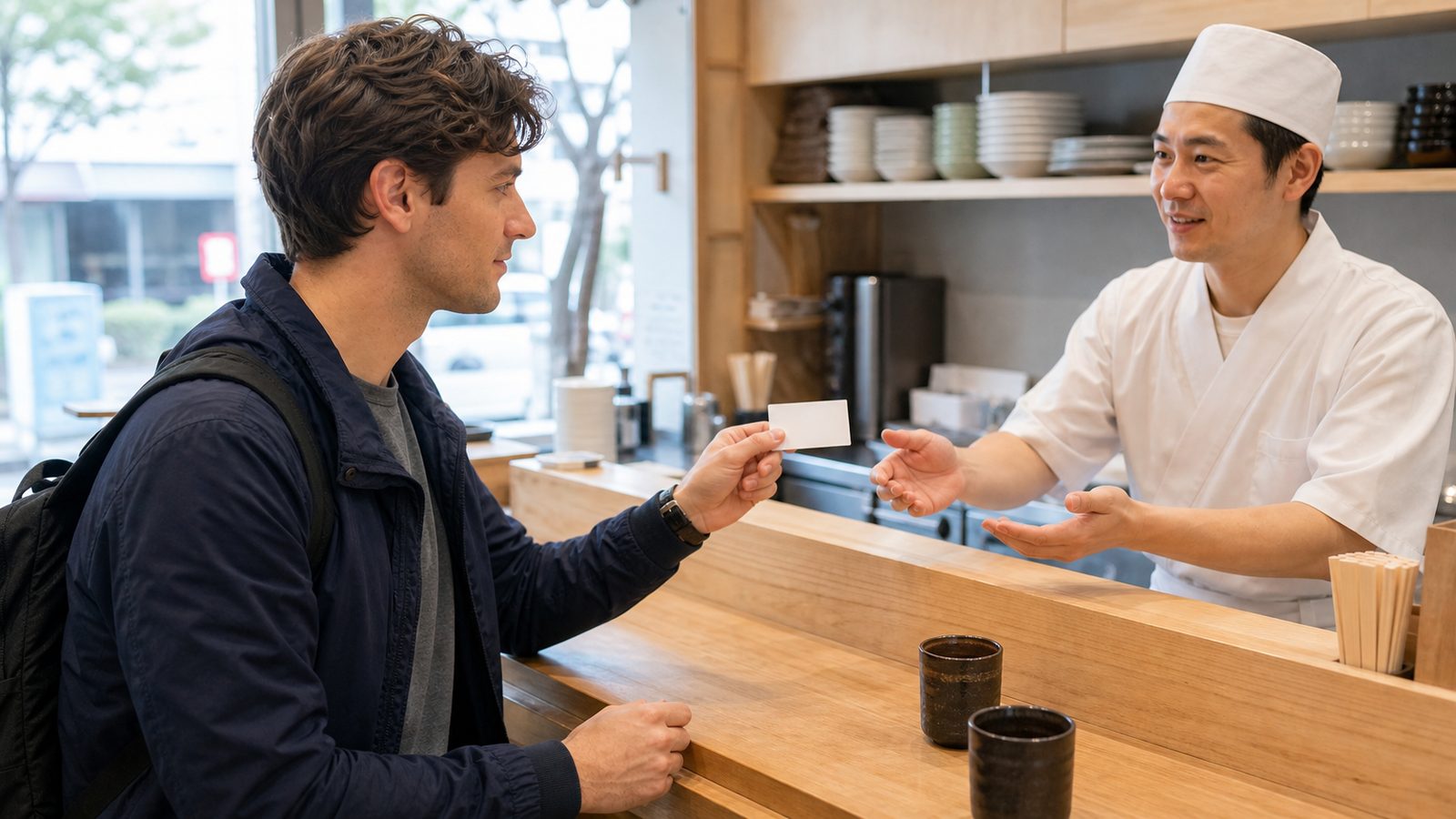
A Japanese card gives staff something concrete to read and pass to the kitchen. It can be more useful than trying to explain a complex allergy in spoken English, but it does not guarantee that the restaurant can accommodate you. Present it before ordering, ask follow-up questions, and leave if staff cannot answer clearly. That's the design principle behind the translation card approach. You can make your own allergy card with your exact allergens in Japanese script.
Put your selected allergens in Japanese and English on a card to show restaurant staff.
Make your own Japanese allergy card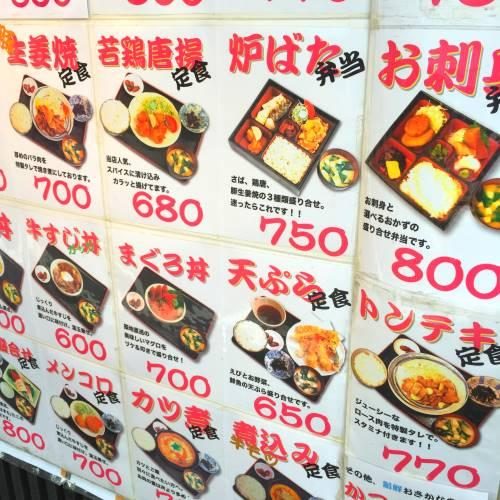
Allergen labelling in Japan
For packaged foods, Japan's official food-labeling guidance is a useful reference. In restaurants, ask about wheat in soy sauce, noodles, batter, and stock, and ask how the kitchen handles shared equipment.
Frequently asked questions
Do restaurants in Japan accept written allergy cards?
Many restaurants can read a written Japanese request, but acceptance and accommodation vary. Present the card before ordering, ask staff to confirm the ingredients and preparation, and leave if they cannot answer clearly. Use practical label terms such as 小麦 (wheat) where relevant, and ask separately about soy sauce, dashi, shared oil, and utensils.
What do you get with the Japanese allergy card?
A printable PDF with a cut-out card, plus an image sized for your phone. Every allergen you select is printed in Japanese and English side by side. Cards with up to three allergens can also be added to Apple or Google Wallet.
Does the Japanese card cover dashi and soy sauce?
Fish stock and soy sauce are two of the most common places allergens hide in Japanese cooking, and neither is obvious from a dish name. Select fish, soy or wheat when you build the card and those terms are printed on it in Japanese. Our Japan guide covers where they appear across the cuisine.
This article is for informational and travel preparation purposes only and does not constitute medical advice. Always consult a qualified healthcare professional before traveling with a food allergy, and carry any prescribed emergency medication at all times. See our full medical disclaimer.