 AllergyPass
Tokyo Dining and Food Experiences
with Food Allergies
Tokyo gives you useful packaged-food information, but restaurant meals still need direct questions. This guide covers dashi, soy, wheat, seafood, shared equipment, and the practical differences between depachika, restaurants, markets, cooking classes, and tours.
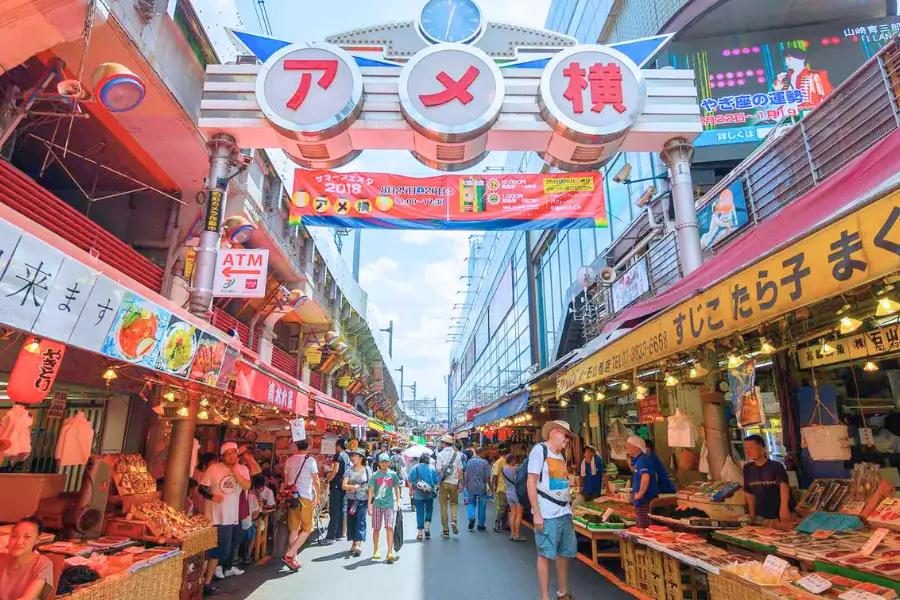 Tokyo, Japan
Build your Japanese-language allergy card before you land. A written card helps staff understand the request, but it does not guarantee that a kitchen can accommodate it.
Build My Japan Allergy CardIn this guide
How the Tokyo food system works for allergy travelers
Tokyo has two food systems that need different checks. Japan's Consumer Affairs Agency explains the current allergen-labeling rules for covered packaged foods, but the rules do not turn restaurant meals, bakery displays, loose food, or shared preparation into a verified meal. Read the current Consumer Affairs Agency food-labeling guidance, then read the actual package and keep a backup plan.
Restaurant cooking is a separate question. Dashi may contain bonito or other fish, and shoyu (soy sauce) often contains wheat. Ask about the stock, tare, sauces, marinades, noodles, garnishes, shared oil, and utensils for the particular dish. A Japanese-language card reduces ambiguity, but the kitchen still needs to confirm what it can and cannot do.
Restaurant types: what to verify
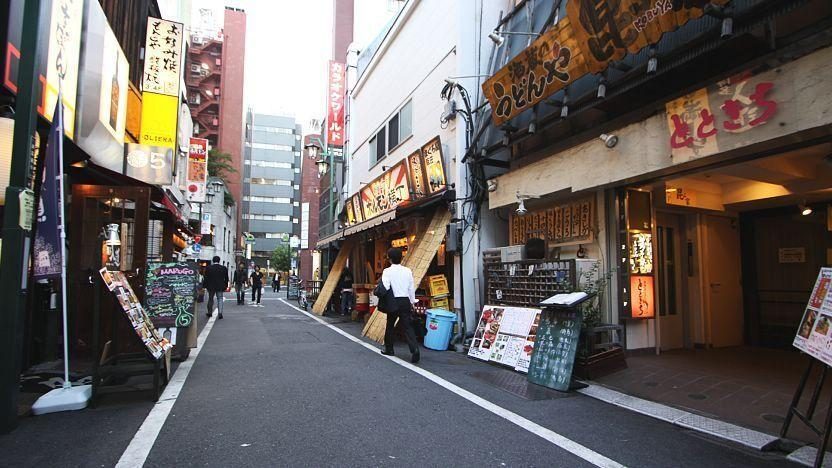
Depachika food halls: a packaged-food backup
Depachika are department-store basement food halls. They can be useful for sealed packaged products and for asking about a particular prepared item, but a prepared dish is not automatically covered in the same way as a sealed package. Read the current label, ask about ingredients and shared utensils, and treat a staff member's answer as information about that item—not a guarantee about every stall in the hall.
Depachika and supermarkets to check in Tokyo
- Department stores around Shinjuku, Shibuya, Ginza, and Nihonbashi: Useful places to look for packaged food and ask about current prepared items. Tenants, stock, hours, and labeling details change.
- Supermarkets and convenience stores: Convenient for sealed backups, but read the current Japanese label and do not assume every prepared item has the same information.
- International supermarkets: Imported products may have English information, but stock and advisory statements vary. Treat an English label as a reading aid, not a cross-contact answer.
Sushi in Tokyo with a food allergy
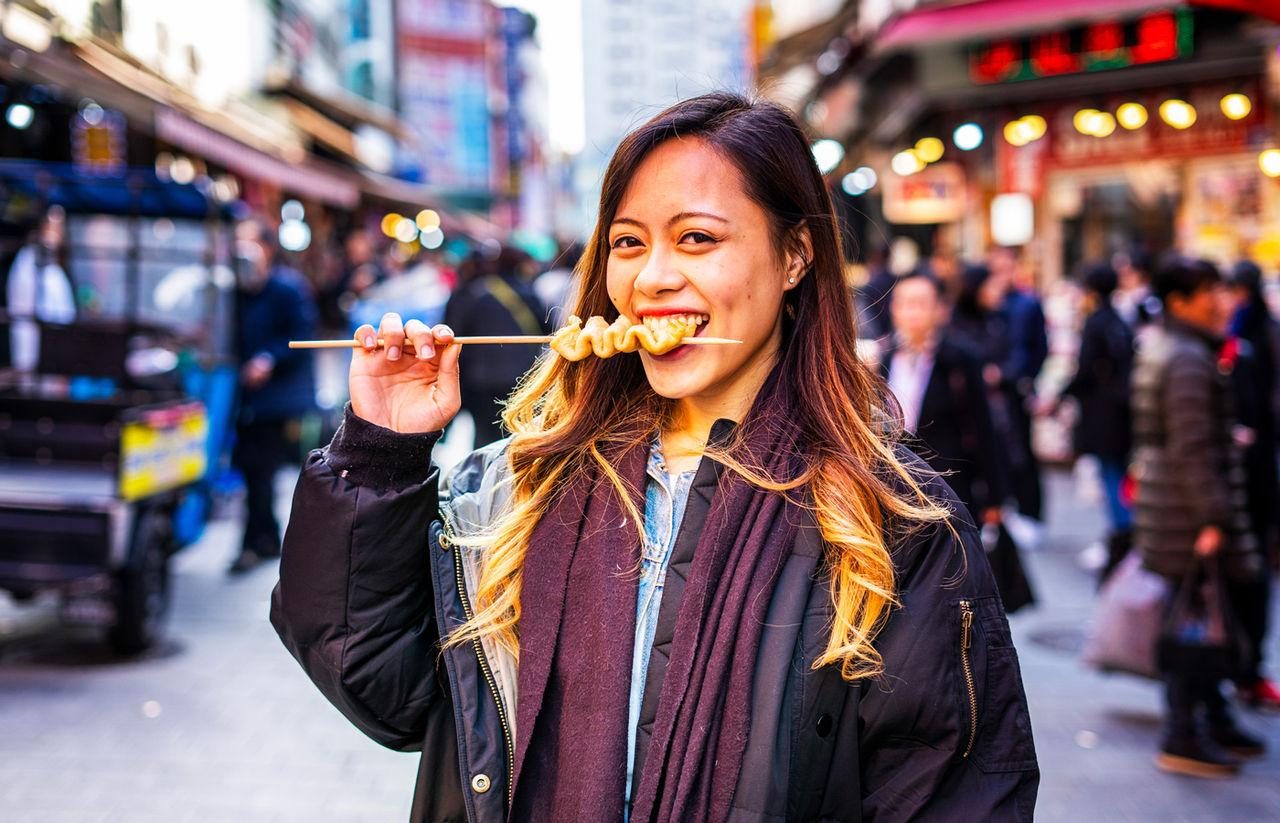
Traditional sushi restaurants are a difficult fit for a fish allergy because fish may be present in the menu, preparation area, knife, board, rice service, and serving tools. Vegetarian rolls exist, but a cucumber or avocado filling does not prove separate preparation. Ask a dedicated vegetarian venue how it handles fish-free orders, or choose a different food experience.
For other allergies, ask about the rice seasoning, soy sauce, tamari, sesame, roe, mayonnaise, and shared utensils. Tamari may be available, but check the bottle or restaurant information rather than assuming it is wheat-free. Wasabi products vary, so ask about the actual ingredient list if that matters to you. The phrase たまり醤油はありますか (tamari shouyu wa arimasu ka) asks whether tamari soy sauce is available.
A cooking class can offer more ingredient visibility than a sushi counter, but screen its fish stock, utensils, mats, knives, and tasting spoons before booking.
Ramen in Tokyo with a food allergy
Ramen is a dish where the broth and tare matter as much as the noodles. Ask about the recipe and shared equipment for the particular shop.
Wheat/gluten allergy or celiac: Soy sauce often contains wheat, and a gluten-free noodle does not make a broth, tare, topping, or kitchen gluten-free. Specialist venues may exist, but check the current menu and ask whether the whole preparation is covered. Search terms such as グルテンフリーラーメン (guruten furi ramen) can help you find candidates to screen.
Fish allergy: Shoyu and shio ramen may use fish-based dashi, while tonkotsu recipes vary and can include dried fish or seafood seasoning. Ask about the broth, tare, toppings, and shared ladles before ordering.
Soy allergy: Ask about shoyu, miso, tare, stock, toppings, and noodles. A salt-based shio label does not prove the whole bowl is soy-free, and a soy-free option may require a specialist kitchen.
Food experiences and tours in Tokyo
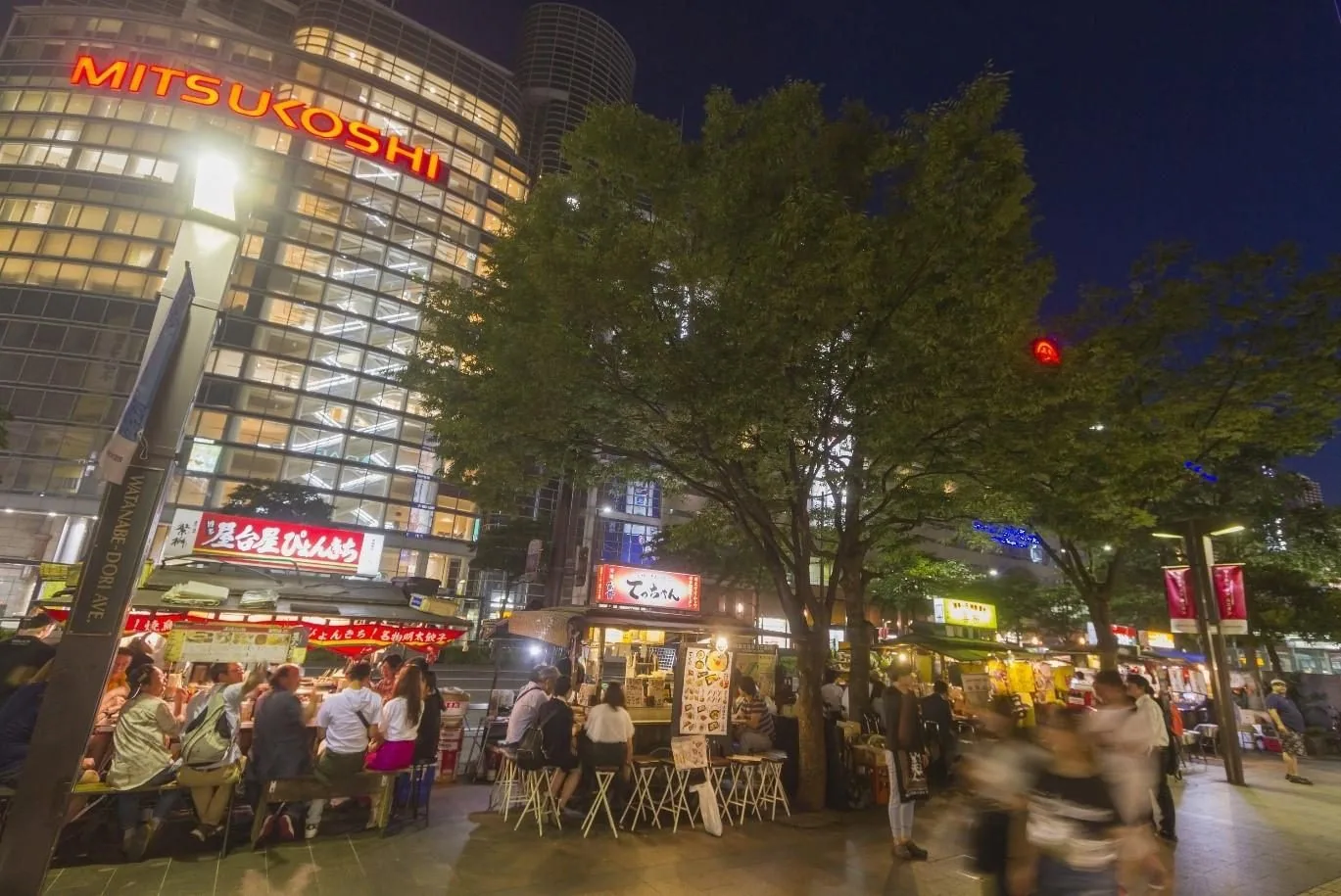
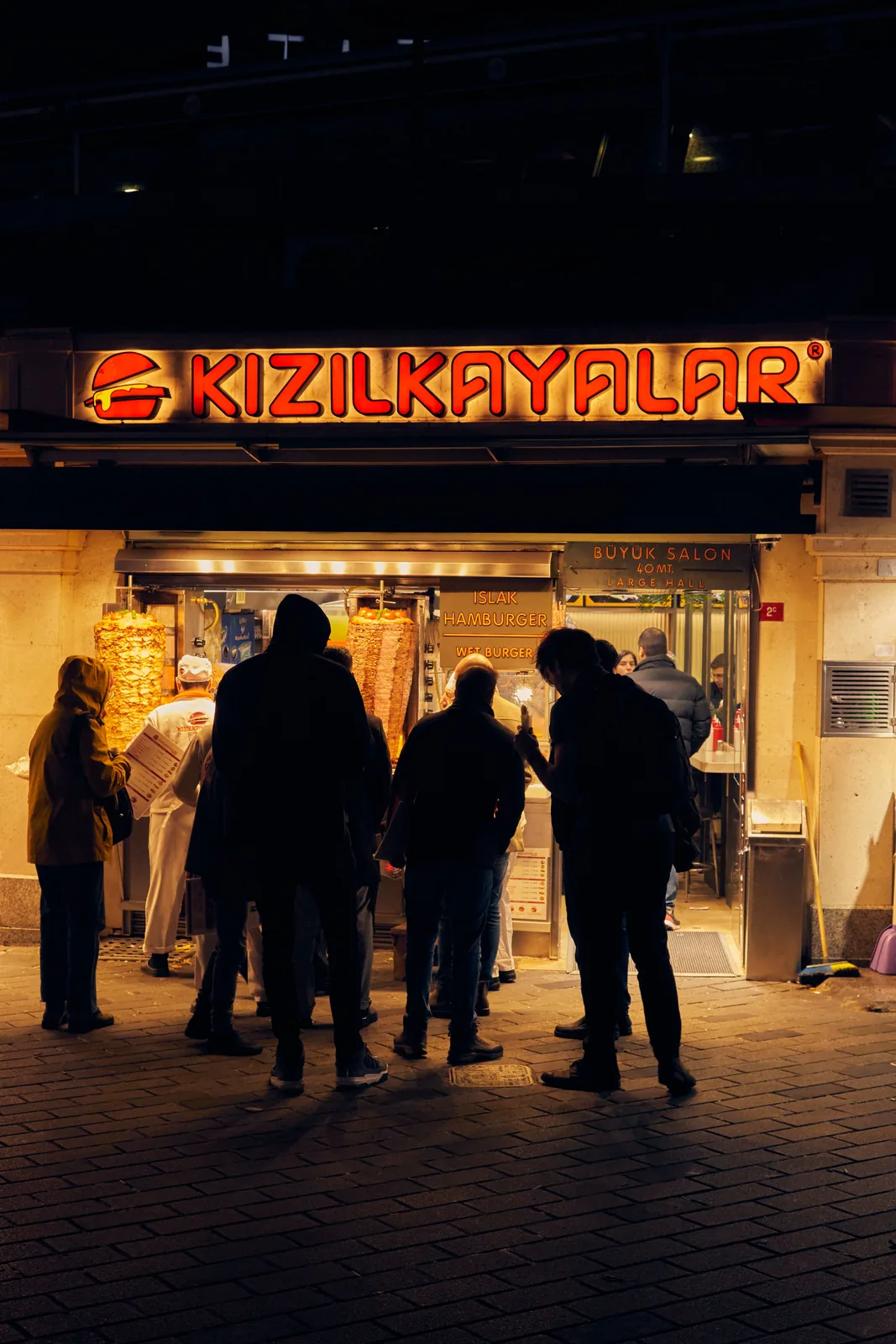
Tsukiji Outer Market
Tsukiji Outer Market is a busy food environment with seafood, prepared foods, produce, tea, and packaged goods. If you have a fish or shellfish allergy, you may prefer to visit for the atmosphere and avoid tasting unless a vendor can explain preparation and shared equipment. For other allergies, ask about tamago yaki, sauces, seasonings, and shared knives or boards rather than assuming a market item is simple.
Japanese cooking classes
A Japanese cooking class can give you more ingredient visibility, but you do not control the kitchen automatically. Look for a class that will confirm the menu, stocks, sauces, utensils, cooking surfaces, and tasting ingredients in writing. Small groups may give the instructor more time, but the class still needs a cross-contact plan. Dishes with visible ingredients, such as sushi rolling or gyoza, still need recipe and equipment checks.
Communicate your allergy at booking, not on arrival. Ask how much notice the school needs, and decline the class if the answer is only a generic promise or if substitutes cannot be confirmed before you arrive.
This article is for informational and travel preparation purposes only and does not constitute medical advice. Always consult a qualified healthcare professional before traveling with a food allergy, and carry any prescribed emergency medication at all times. See our full medical disclaimer.