 AllergyPass
Japan Food Allergy
Travel Guide
Japan's current Consumer Affairs Agency labeling materials distinguish mandatory and recommended allergen declarations for packaged food. Restaurant food is a separate question: dashi, sauces, and shared equipment vary by dish and kitchen. This hub collects the AllergyPass guides for planning a Japan trip.
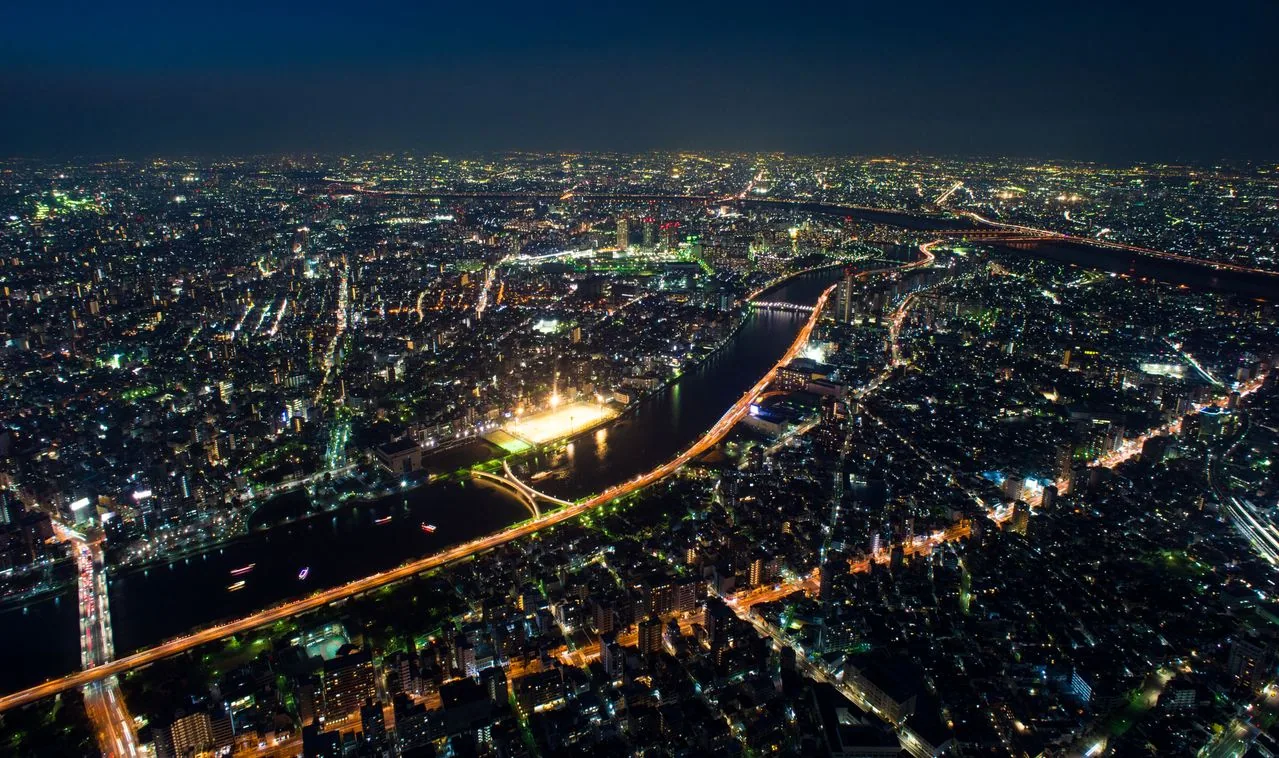 Japan
Japan
In this hub
Japan's 28 tracked allergens: what's mandatory and what's recommended
The Consumer Affairs Agency publishes the current Japanese food-labeling materials. The categories have changed over time; the 2026 materials distinguish mandatory declarations from recommended ones, and the list should be rechecked before departure rather than copied from an old guide.
This system applies to packaged food, not every restaurant or prepared-food setting. Read the Japanese ingredient list and any advisory statement on the product you are holding; do not assume an imported product follows the same list. Convenience-store and supermarket items can be useful when the label is clear, but stock, recipe, and labeling format vary. Restaurant dining still requires active communication.
Japan country and city guides
Neighborhood comparisons by hospital proximity, depachika (department store food hall) access, and hotel kitchen reliability.
Airport guidePharmacy locations, the on-site clinic, the nearest hospital, and how to get from Narita into Tokyo.
Dining guideRestaurant types ranked by allergy risk, from conveyor-belt sushi to izakaya, plus a depachika navigation guide.
Experiences guideCooking classes, night markets, and food tours that can accommodate dietary restrictions, and which ones to avoid.
Language guideEvery major allergen written in Japanese with pronunciation, the sentence structure kitchens recognize, and how to get it all on one written card.
City guideWheat, egg, and dashi risk in takoyaki, okonomiyaki, and kushikatsu, plus the two hospitals that can help in Osaka.
Key allergen risks in Japan
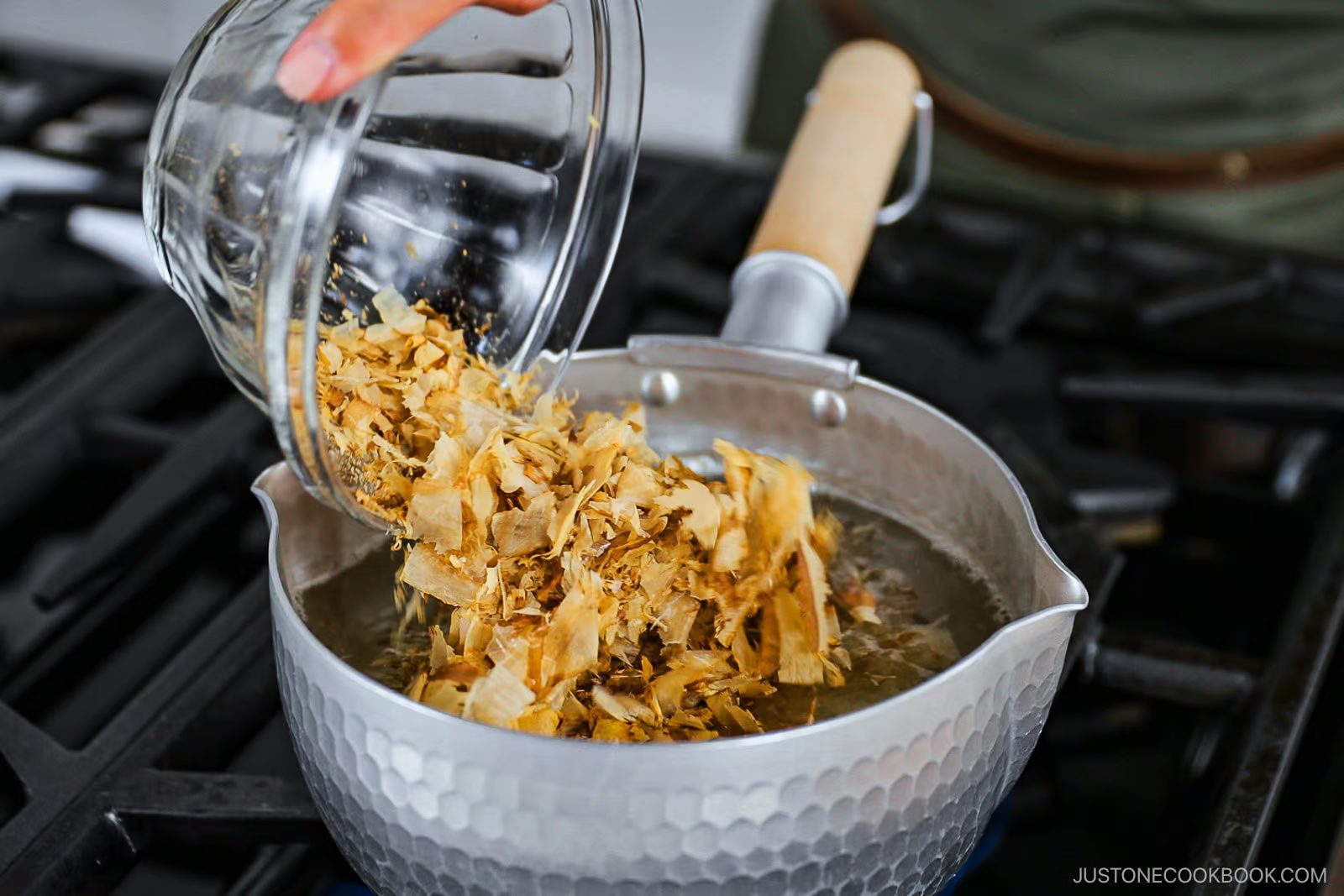
Dashi is used in many soups, noodles, sauces, and simmered dishes. It may contain bonito or other fish, shellfish, kelp, mushrooms, or a combination. Ask about the stock used in the specific dish; a fish-free or kombu-only option must be confirmed.
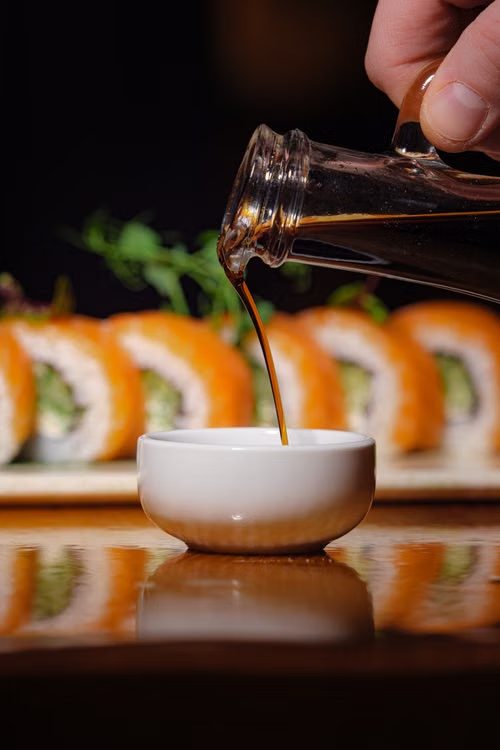
Many shoyu products contain both soy and wheat, and soy-based sauces appear in many Japanese dishes. Tamari may contain less or no wheat depending on the product. Ask which sauce is used and read the label rather than assuming a substitute is gluten-free.
Tempura batter, ramen broth, sauces, toppings, and processed ingredients vary. Ask about shrimp powder, shellfish stock, egg, and shared fryers or utensils instead of relying on the dish name.
Wheat may appear in noodles, tempura batter, curry roux, soy sauce, and sauces. Rice-based dishes still need checks for fillings, seasoning, dashi, soy sauce, and shared equipment.
Communicating your allergy in Japan
Japan's allergen labeling rules apply to packaged food, not every restaurant meal. A written Japanese-language card can help staff understand the allergy, but ask them to confirm the actual dish, stock, sauce, and preparation surface. If the answer is uncertain, do not treat a polite yes as verification.
These phrases are written to show rather than speak, since Japanese script communicates more accurately than romanized pronunciation for allergy communication:
- アレルギーがあります: I have an allergy (arerugii ga arimasu)
- ピーナッツアレルギーがあります: I have a peanut allergy (piinattsu arerugii ga arimasu)
- 小麦アレルギーがあります: I have a wheat allergy (komugi arerugii ga arimasu)
- えびアレルギーがあります: I have a shrimp allergy (ebi arerugii ga arimasu)
- 卵アレルギーがあります: I have an egg allergy (tamago arerugii ga arimasu)
- 大豆アレルギーがあります: I have a soy allergy (daizu arerugii ga arimasu)
- かつおだしを使わないでください: please don't use bonito dashi (katsuodashi wo tsukawanaide kudasai)
- タマリ醤油を使っていますか?: Do you use tamari soy sauce? (tamari shouyu wo tsukatte imasu ka)
- アナフィラキシーを起こす可能性があります: I may have an anaphylactic reaction (serious allergy severity signal)
Build a Japanese-English allergy card covering dashi, soy sauce, and your specific allergens in Japanese script
Build My Japan CardJapanese dishes: questions to ask
Where allergy communication works best in Japan
Hotel restaurants: Contact the exact restaurant before booking, share the written card, and ask about the menu, stock, sauces, substitutions, and cross-contact. International guests do not guarantee that every kitchen can meet a serious allergy.
Chain restaurants (Yoshinoya, Sukiya, Gusto, Jonathan's, Denny's Japan): Some chains publish allergen information, but the current menu and store procedures still need checking. Ask: アレルギー表はありますか? (arerugii hyou wa arimasu ka): Do you have an allergen chart?
Konbini (convenience stores): Many products are packaged and labeled, but the current Japanese label still needs to be read. Check fillings, sauces, stock, advisory statements, and use-by dates; do not transfer packaged-label confidence to food prepared in-store.
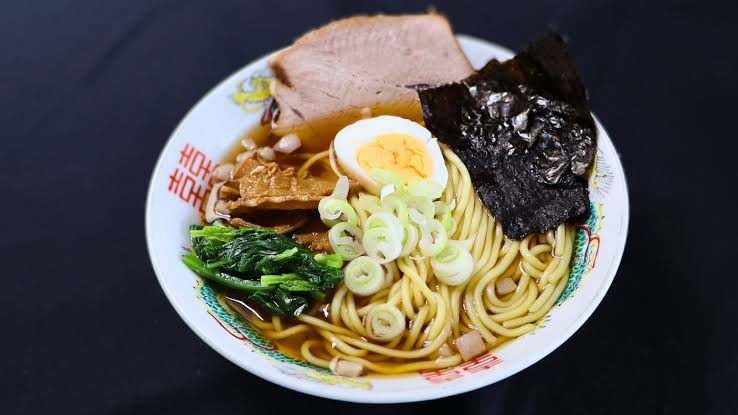
Traditional restaurants, izakayas, small ramen shops: Variable. Written card essential. Be prepared for the honest answer that they cannot safely accommodate your allergy, which is a more reliable response than "no problem."
Cross-destination and preparation guides
Similar soy-heavy cuisine, different labeling law, and different hidden allergens. Worth reading if your trip covers both countries.
Southeast AsiaExtending your Asia trip into Southeast Asia? Thailand's allergen landscape (fish sauce, shrimp paste, peanuts) is a different, more pervasive risk profile than Japan's.
Tool guideWhy written allergy cards in the local language work better than verbal requests, and how to use them effectively at Japanese restaurants and depachika counters.
Preparation guideWhat to confirm before buying travel insurance if you have a food allergy. Japan has excellent hospital infrastructure; insurance covering allergic reactions is still essential.
Preparation guideWhat changes when you leave home: language barriers, unfamiliar food cultures, different labeling laws, and new cross-contamination environments.
Family travel guideCommunicating on your child's behalf at Tokyo hotels, sushi counters, and cooking classes, and knowing what to do if a reaction occurs.
Getting around Japan
Managing an allergy on the move is easier when you control your own schedule rather than a shared group timetable, especially around meal timing and medication. A common intercity leg is Tokyo to Kyoto; compare shinkansen and highway bus options below, then plan food for the full travel window.
Emergency information for Japan
- Emergency number: 119 (medical emergencies and ambulance in Japan)
- Police: 110
- Major hospitals: Save the nearest current emergency department for each part of your itinerary. Hospital services, international-patient arrangements, phone numbers, and routes can change, so confirm details directly rather than relying on a static ranking.
- Medication: Carry your prescribed emergency medication in its original packaging and according to your clinician's instructions. Check current Japanese import rules before travel if you are bringing medication, and do not assume a local pharmacy can replace your personal supply.
- Key emergency phrase: Anafirakishii o okoshite imasu, 119 ni denwa shite kudasai (アナフィラキシーを起こしています、119に電話してください): I am having anaphylaxis, please call 119.
For current emergency contact information, check JNTO's Japan Visitor Hotline guidance before departure. For a life-threatening reaction, follow your prescribed action plan, use prescribed epinephrine promptly, and call 119.
Travel insurance
Check three things before you buy a policy for a Japan trip: does it cover emergency anaphylaxis treatment, does it exclude food allergies as a pre-existing condition, and does it include medical evacuation with a clear coverage limit if you're traveling to more remote areas.
SafetyWing Nomad Insurance is one policy to compare, but its documentation does not name food allergies or anaphylaxis. Review the pre-existing-condition and evacuation terms and get written clarification before buying.
Pre-trip checklist
Get the full pre-trip checklist and destination guides in your inbox
Subscribe →Complete pre-trip checklist for food allergy travel is available in our free food allergy travel checklist guide.
Frequently asked questions
Is Japan safe for travelers with food allergies?
Japan's packaged-food labels can be useful, but the current Consumer Affairs Agency materials and the product's Japanese ingredient list still need to be checked. Restaurants and other prepared-food settings are different: recipes, dashi, sauces, and shared equipment vary. A written Japanese-language card can make the conversation clearer, but it cannot guarantee a restaurant can avoid an allergen.
What is dashi and why does it matter for allergies?
Dashi is a stock used in many Japanese soups, sauces, noodles, and simmered dishes. It may be made with bonito or other fish, kelp, shellfish, mushrooms, or a combination, so ask what the specific stock contains. A kombu-only or other fish-free stock may exist, but it must be confirmed for the dish and kitchen.
Does soy sauce contain wheat?
Traditional shoyu is commonly brewed from soybeans and wheat, but products and recipes vary. Tamari may contain less or no wheat, depending on the product, so do not assume that the word tamari means gluten-free. Check the Japanese label or ask the restaurant which product it uses.
How do I say food allergy in Japanese?
Watashi wa [allergen] arerugii ga arimasu (私は[allergen]アレルギーがあります) means “I have an allergy to [allergen].” You can add kono arerugii wa seimei ni kakawaru koto ga arimasu (このアレルギーは生命に関わることがあります) to explain that the allergy can be life-threatening. Use a written card to support the conversation, then ask the staff to confirm the actual recipe and preparation.
Can you eat at sushi restaurants with a fish allergy?
Ask the restaurant about the fish, seafood, dashi, vinegar, soy sauce, rice preparation, knives, boards, and serving surfaces. Vegetarian sushi may still be made near fish or use shared tools. Conveyor-belt and traditional sushi restaurants vary, so a person with a severe fish allergy may decide that the available controls are not sufficient; there is no universal safe sushi format.
This article is for informational and travel preparation purposes only and does not constitute medical advice. Always consult a qualified healthcare professional before traveling with a food allergy, and carry any prescribed emergency medication at all times. See our full medical disclaimer.