 AllergyPass
Sesame Allergy
Travel Card
A bilingual card that names sesame clearly in English and the destination language, with severity-specific wording and an optional cross-contamination warning.
Why sesame allergies need more than "no sesame"
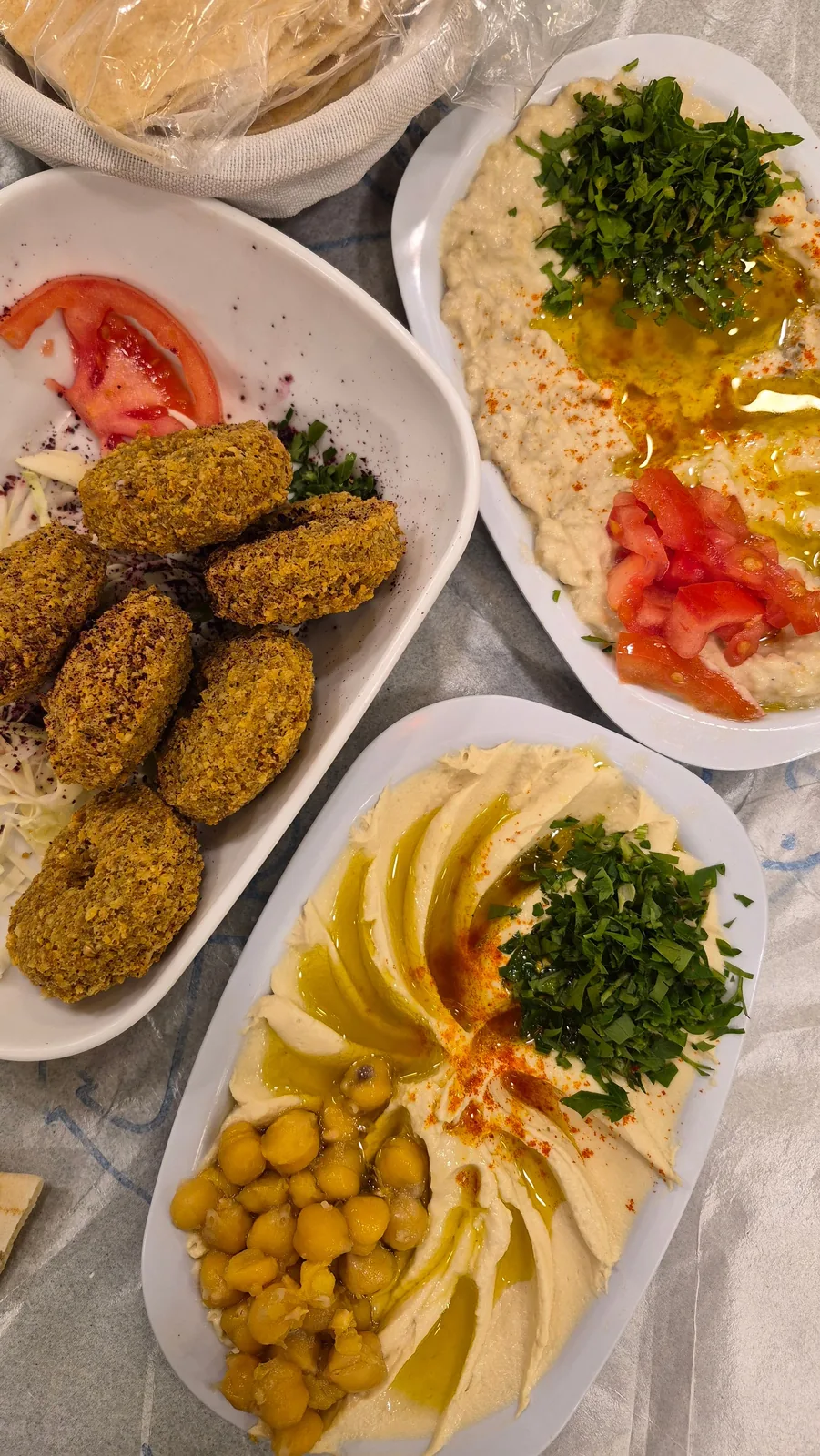
Tahini is used in hummus, some baba ghanoush recipes, dressings, and sauces. Sesame oil may be added to marinades, noodle dishes, stir-fries, or finishing sauces. Gomashio, halva, sesame flour, and sesame baked into bread or buns are other examples that may not be obvious from a dish name. The builder's educational panel lists examples such as tahini, hummus, sesame oil, gomashio, halva, and sesame flour to help you prepare those questions; they are not part of the exported card.
What goes on a sesame allergy travel card
- Severity level. Mild, moderate, or severe/anaphylaxis, so kitchen staff understand how seriously to treat the request.
- Your selected allergen. Sesame is printed in English and the destination language. Hidden-source examples remain in the builder's educational panel rather than on the delivered card.
- Destination script. A written card gives the person taking your order something concrete to read and pass to the kitchen. It does not replace confirmation.
- Any other restrictions you're managing. Choose additional restrictions in the builder if you need them on the same card; review the combined wording carefully.
Sesame and air travel
Airline meal options and notice periods vary by carrier and route. If you request a special meal, confirm it with the operating airline for every flight segment and carry backup food and accessible medication. An airline accommodation is not a guarantee that the cabin or meal service is sesame-free; the flying with food allergies guide covers the wider planning steps.
How to build your sesame allergy card
- Open the Card Builder and select Sesame from the allergen list.
- Pick your destination language. The builder shows the currently supported languages and the plan needed for the selected destination.
- Review delivery. The free English flow sends a card image by email; translated cards and print-ready PDFs are paid outputs with delivery details shown in the builder.
Build a sesame allergy card in your destination language
Build My CardIf you are traveling to Türkiye, the food allergies in Turkey guide covers questions about simit, tahini, helva, and local preparation. The peanut, egg, and shellfish guides cover the same hidden-ingredient approach for other restrictions.
Frequently asked questions
What should a sesame allergy travel card say?
It should name sesame clearly in English and the destination language, state the severity, and optionally warn about cross-contamination. Tahini, hummus, sesame oil, gomashio, halva, sesame flour, and sesame baked into dough are separate recipe questions to ask the kitchen; they are not printed automatically on the delivered card.
Is sesame a major labeled allergen everywhere?
Sesame labeling and restaurant disclosure vary by country. Some jurisdictions include it in mandatory allergen rules, while others may not or may use different disclosure systems. Check current local labels and ask the restaurant directly; a written card helps communicate the risk but is not a cross-contact guarantee.
Can I build a sesame allergy card for free?
The English card is free, but the current free flow asks for an email so the card image can be delivered. It does not require an account or credit card. Translated destination cards are paid; the builder shows the available plans and included formats before checkout.
This article is for informational and travel preparation purposes only and does not constitute medical advice. Always consult a qualified healthcare professional before traveling with a food allergy, and carry any prescribed emergency medication at all times. See our full medical disclaimer.