 AllergyPass
Peanut Allergy
Travel Card
A bilingual card that names peanut clearly in English and the destination language, with severity-specific wording and an optional cross-contamination warning.
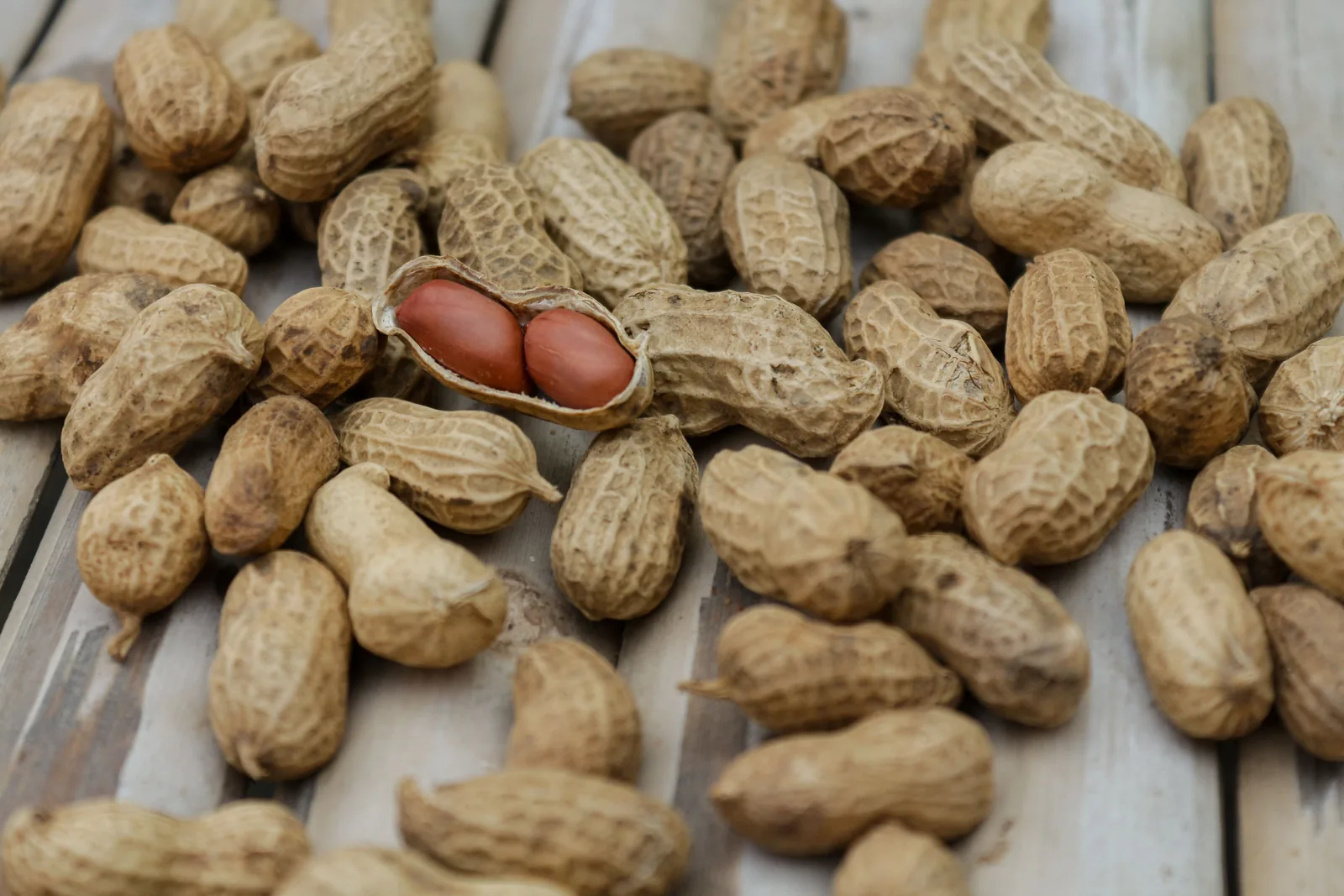
Why peanut allergies need more than "no peanuts"
Peanut oil is used in some regional cuisines, and a dish with no visible peanuts can still be cooked in it. Ask which oil is being used and whether it is shared. Refined and unrefined peanut oils may have different allergen profiles, so do not assume either is suitable without medical guidance. The builder's educational panel lists examples such as peanut oil, satay sauce, mole sauce, gado-gado sauce, and mixed nuts to help you prepare those questions; they are not part of the exported card.
What goes on a peanut allergy travel card
- Severity level. Mild, moderate, or severe/anaphylaxis, so kitchen staff understand how seriously to treat the request.
- Your selected allergen. Peanut is printed in English and the destination language. Hidden-source examples remain in the builder's educational panel rather than on the delivered card.
- Destination script. A written card gives the person taking your order something concrete to read and pass to the kitchen. It does not replace confirmation.
- Any other restrictions you're managing. Choose additional restrictions in the builder if you need them on the same card; review the combined wording carefully.
How to build your peanut allergy card
- Open the Card Builder and select Peanuts from the allergen list.
- Pick your destination language. The builder shows the currently supported languages and the plan needed for the selected destination.
- Review delivery. The free English flow sends a card image by email; translated cards and print-ready PDFs are paid outputs with delivery details shown in the builder.
Build a peanut allergy card in your destination language
Build My CardIf you are traveling to Thailand, the Thailand peanut allergy guide covers dish-specific questions and Thai phrases to show kitchen staff. For Vietnam, see the hidden allergens in Vietnamese food guide. Use those destination guides to add local questions to the general card workflow.
Managing peanut alongside another allergen is common — the egg, shellfish, and sesame allergy travel card guides cover the same hidden-ingredient approach for each, and AllergyPass lets you combine any of them onto one card.
Frequently asked questions
What should a peanut allergy travel card say?
It should name peanut clearly in English and the destination language, state the severity, and optionally warn about cross-contamination. Peanut oil, satay sauce, mole sauce, and mixed-nut garnishes are separate recipe questions to ask the kitchen; they are not printed automatically on the delivered card.
Can I build a peanut allergy card for free?
The English card is free, but the current free flow asks for an email so the card image can be delivered. It does not require an account or credit card. Translated destination cards are paid; the builder shows the available plans and included formats before checkout.
Does the card cover peanut oil specifically, not just whole peanuts?
No. The delivered card names the selected peanut restriction and can include a cross-contamination warning, but it does not automatically print peanut oil, satay sauce, or other hidden sources. The builder shows those examples in a separate educational panel so you know what to ask the kitchen.
This article is for informational and travel preparation purposes only and does not constitute medical advice. Always consult a qualified healthcare professional before traveling with a food allergy, and carry any prescribed emergency medication at all times. See our full medical disclaimer.