 AllergyPass
Turkey Food Allergy Hub
Türkiye has packaged-food labeling rules and public guidance, but a label does not answer how a restaurant prepares a dish. The practical questions are often about sesame in simit and tahini, pistachios and walnuts in desserts, dairy and butter in savory food, wheat in breads and pastry, and shared equipment. This hub collects the AllergyPass guides for Türkiye.
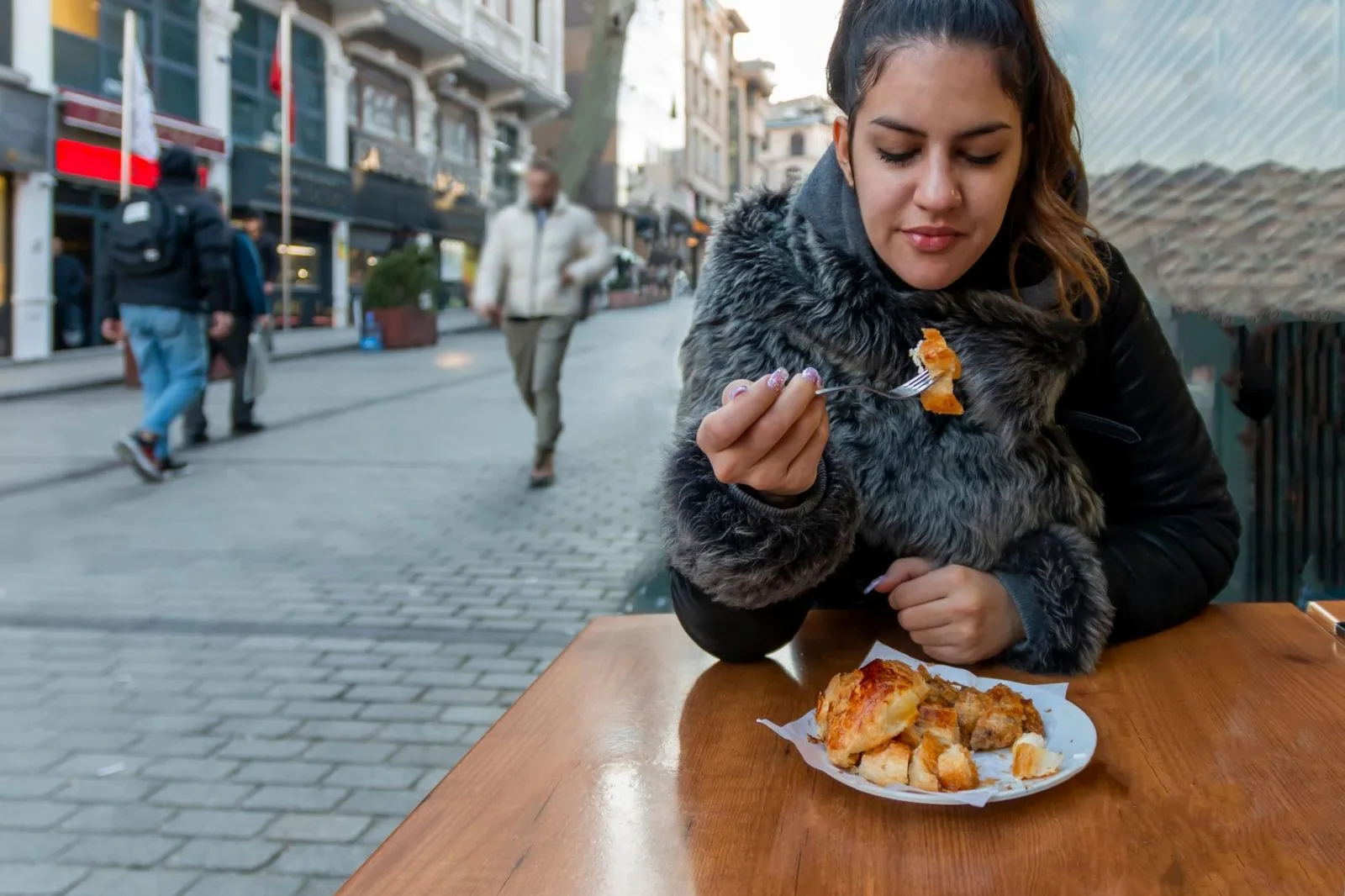 Turkey
In this hub
Turkey country and city guides
Key allergen risks in Turkey
Simit, the sesame-crusted bread ring sold on nearly every street corner, is a default accompaniment to many meals. Tahini (sesame paste) appears in sauces well beyond dessert, and helva is sesame-based. Sesame allergy requires checking bread service by default, not just obvious sesame dishes. See our dedicated sesame allergy travel card guide for the same approach applied to any destination.
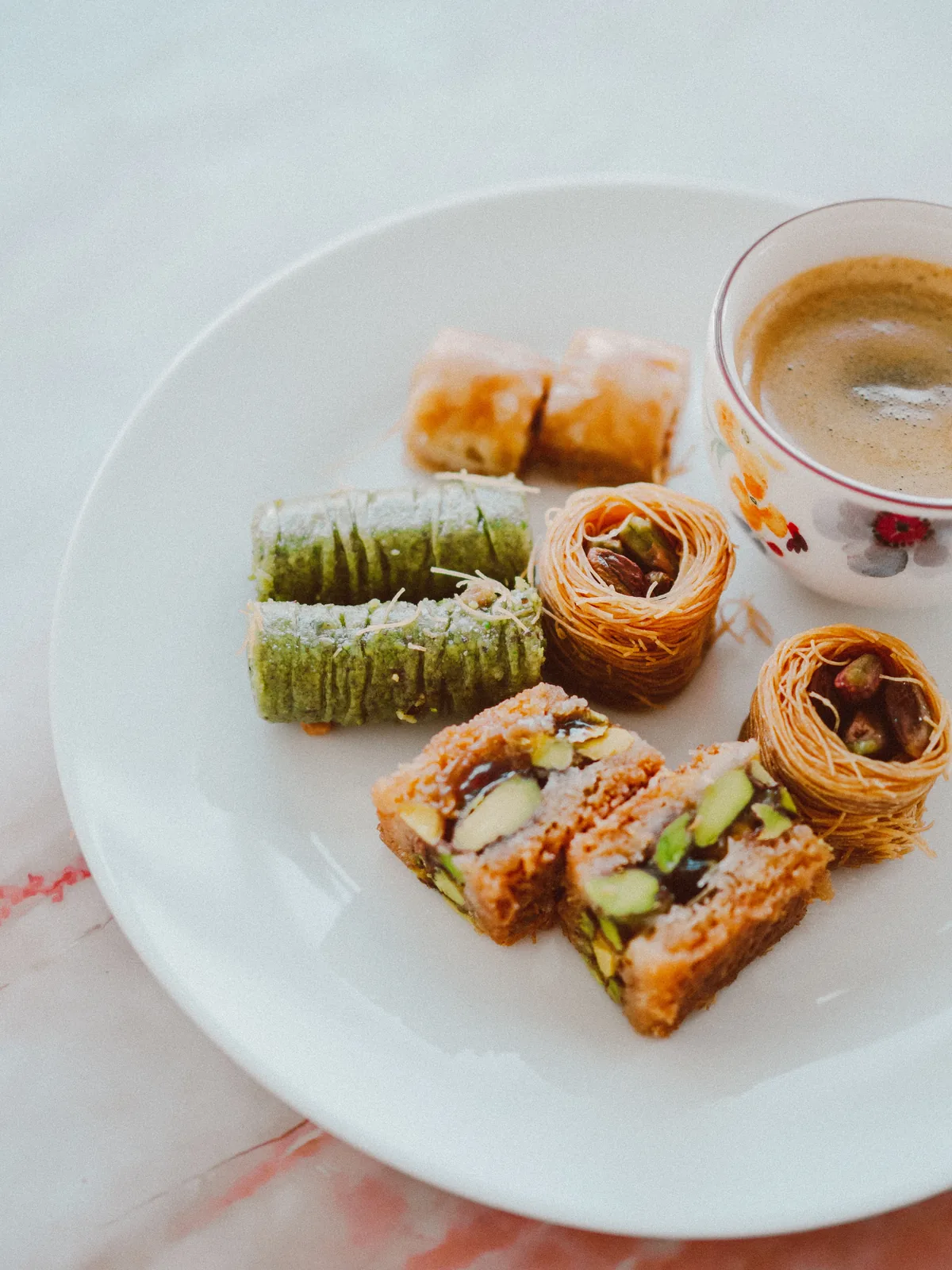
Pistachios and walnuts may be part of baklava, künefe, and lokum, while shared trays and utensils can matter. Ask about the filling, topping, syrup, display, and preparation surface.
Yogurt, butter, and cheese may appear in savory dishes, including mantı and İskender kebab. Ask whether dairy is in the sauce, filling, bread, grill preparation, or dessert; künefe can combine dairy and wheat.
Midye dolma, rice-stuffed mussels sold as street food, is especially common along the coast and in Istanbul. It is a beloved dish that does not always register as a shellfish risk to travelers unfamiliar with it.
Communicating your allergy in Turkey
Türkiye's food-labeling and mass-catering rules are useful context, but they do not verify a particular restaurant's recipe or cross-contact controls. English support and staff knowledge vary by business and location, so a written Turkish-English card can help explain the allergy. Ask the restaurant to confirm the actual preparation and be prepared to leave if the answer is uncertain.
Build a Turkish-English allergy card covering sesame, tree nuts, and your specific allergens
Build My Turkey CardWant the allergens written out in Turkish? See our Turkish allergy card.
Turkish dishes: questions to ask
| Dish | Key allergens | Notes |
|---|---|---|
| Baklava | Tree nuts (pistachios, walnuts), wheat (phyllo), dairy (butter) | Ask about filling, syrup, butter, display trays, utensils, and shared preparation. |
| Künefe | Dairy (cheese, kaymak), wheat (phyllo), tree nuts (pistachio topping) | Ask about cheese, butter, wheat, pistachio topping, syrup, and shared tools. |
| Simit | Sesame, wheat | Ask about the sesame topping, bread handling, cheese, and shared display or tongs. |
| Midye dolma | Shellfish, sometimes tree nuts (pine nuts in the rice filling) | The mussel is the dish; ask about the rice filling and vendor handling if shellfish is an allergy. |
| Mantı | Wheat (dumpling dough), dairy (yogurt sauce), egg | Ask about dough, filling, egg, yogurt sauce, butter, and shared serving tools. |
| İskender kebab | Dairy (yogurt, butter sauce), wheat (pita base) | Ask about pita, yogurt, butter, tomato sauce, grill, and shared preparation. |
| Helva and tahini-based desserts | Sesame (tahini), sometimes tree nuts | Tahini means sesame paste; ask about nuts, shared trays, and other dessert ingredients. |
| Grilled meats without sauce (kebap, köfte) | Depends on marinade and preparation | Ask about bread, bulgur, marinades, spice mixes, grill surfaces, sauces, and sides. |
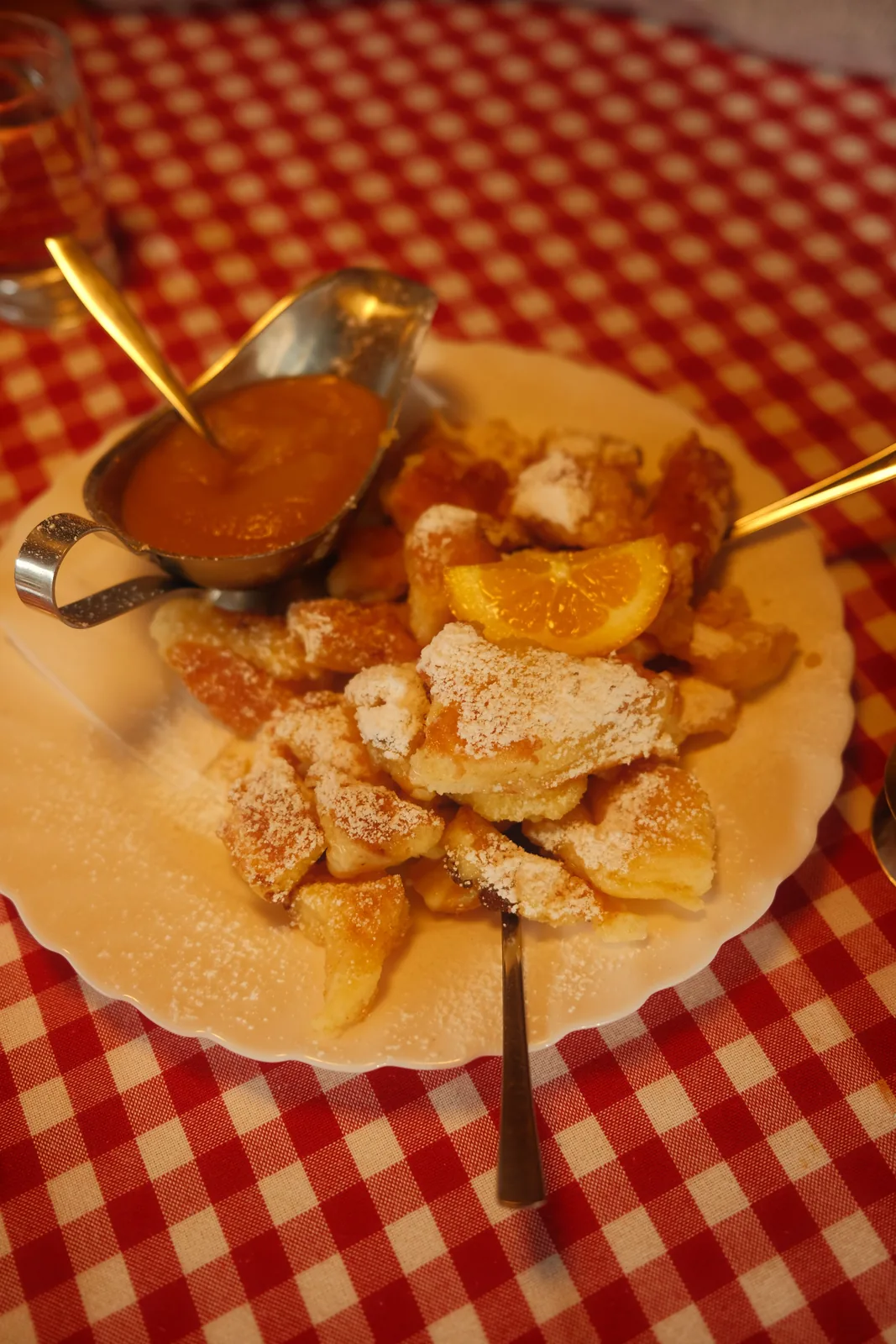

Where allergy communication works best in Turkey
Restaurants in busy tourist areas: Some may have English menus or staff used to visitors, but that is not a guarantee. Contact the exact restaurant, share your card, and ask about the dish, sauces, bread, and shared equipment.
Local lokantas and esnaf restaurants: Home-style cooking may be flexible or may rely on prepared bases. Ask the person who knows the kitchen; if they cannot answer clearly, choose another option.
Street food vendors (simit, midye dolma, balık ekmek): Items may be prepared before you order, so ask what is already in the bread, filling, marinade, sauce, and display. There may be no practical way to modify the dish.
Supermarkets: Migros, CarrefourSA, and other chains may carry packaged foods with useful labels, but branch stock and product claims vary. Read the current Turkish label and check advisory statements; do not assume a dedicated shelf or “gluten-free” aisle answers restaurant cross-contact questions.
Understanding Turkish allergen labeling
Türkiye's food rules and the Ministry of Agriculture and Forestry's mass-catering guidance provide a useful labeling framework, but the exact product and restaurant still need checking. Read the Turkish ingredient list and advisory statements; do not infer a restaurant's controls from packaged-food law or from a symbol alone.
If a product says Glutensiz or Gluten içermez, read the full label and check how the claim is defined for that product. Do not assume that a “low gluten” phrase is suitable for celiac disease, and do not transfer packaged-label wording to restaurant food. A written card supports the conversation, but it cannot remove the need to assess cross-contact.
Getting around Turkey
Managing an allergy on the move is easier when you control your own schedule rather than a shared group timetable, especially around meal timing and medication. Search trains, buses, and ferries between Turkish cities below.
Cross-destination and preparation guides
Another Mediterranean cuisine with its own gluten and dairy risk profile, part of the same Europe silo.
Regional neighborSesame, tree nuts, and dairy under EU law, the closest allergen profile to Turkey's in the Europe cluster.
Tool guideWhy written allergy cards in the local language work better than verbal requests, and how to use them effectively outside major Turkish tourist centers.
Preparation guideWhat to confirm before buying travel insurance if you have a food allergy, including coverage for reactions outside major cities.
Preparation guideWhat changes when you leave home: language barriers, unfamiliar food cultures, different labeling laws, and new cross-contamination environments.
Emergency information for Turkey
- Emergency number: 112 is Türkiye's unified emergency number. Follow the operator's instructions and do not delay a life-threatening call while trying to select a private hospital.
- Hospitals: Hastane means hospital and Acil servis means emergency department. Save the nearest current emergency department for each part of your itinerary; private networks and language support vary by location and service.
- Medication: Carry your prescribed emergency medication in its original packaging and according to your clinician's instructions. Check current import rules before travel and do not assume a local pharmacy can replace your personal supply.
- Key emergency phrase: Ciddi bir alerjik reaksiyon geçiriyorum, 112'yi arıyın (I'm having a severe allergic reaction, call 112).
Travel insurance
Check three things before you buy a policy for a Turkey trip: does it treat anaphylaxis as a pre-existing condition, does it cover emergency treatment away from Istanbul and Antalya where English-speaking care is harder to find, and does it include medical evacuation with a clear coverage limit.
SafetyWing Nomad Insurance is one policy to compare, but its documentation does not name food allergies or anaphylaxis. Review the pre-existing-condition and evacuation terms and get written clarification before buying.
Pre-trip checklist
Get the full pre-trip checklist and destination guides in your inbox
Subscribe →Complete pre-trip checklist for food allergy travel is available in our free food allergy travel checklist guide.
Sources
This guide draws on EU food labeling law, Turkey's national food code, and official Turkish government resources. It is intended as practical travel information, not medical advice.
- Regulation (EU) No 1169/2011 on the provision of food information to consumers (EUR-Lex): a reference for the allergen categories and labeling concepts discussed here; check Turkish guidance for Türkiye-specific rules.
- Allergen Declaration in Mass Catering Establishments, Ministry of Agriculture and Forestry: the official source for Turkey's national food labeling and allergen disclosure rules.
- Turkish Ministry of Health (Sağlık Bakanlığı): the national authority overseeing health policy and emergency healthcare services in Turkey.
- 112 Emergency Call Center, Turkish Ministry of Interior: the official government source confirming 112 as Turkey's unified emergency number.
Frequently asked questions
Is Turkey safe for travelers with food allergies?
Türkiye does not come with a destination-wide food-allergy guarantee. Packaged-food labeling and restaurant disclosure are different questions, and recipes, staff knowledge, and cross-contact controls vary by business. A Turkish-English card can make the conversation clearer, but it cannot verify a kitchen or replace your own emergency plan.
What are the most common hidden allergens in Turkish food?
Ask about sesame in simit, tahini, helva, sauces, and bread service; pistachios or walnuts in baklava, künefe, and lokum; dairy in yogurt sauces, butter, cheese, and börek; wheat in bread, pastry, bulgur, and some sauces; and shellfish in midye dolma or seafood dishes. The exact recipe and preparation still need checking.
Does Turkey have the same gluten-free labeling as the EU?
Do not assume that a Turkish product or menu uses the same wording, certification, or threshold as an EU product. Read the current Turkish label, ask what the claim means for the specific product, and check whether the food was prepared separately. A phrase such as glutensiz still does not answer restaurant cross-contact questions.
How do I say food allergy in Turkish?
[Allergen]'e alerjim var means “I am allergic to [allergen].” [Allergen]'e karşı bir gıda alerjim var makes the food-allergy context explicit, and bu alerji hayatı tehdit edebilir means “this allergy can be life-threatening.” Use a printed card to support the conversation, then ask the restaurant to confirm the recipe and preparation.
This article is for informational and travel preparation purposes only and does not constitute medical advice. Always consult a qualified healthcare professional before traveling with a food allergy, and carry any prescribed emergency medication at all times. See our full medical disclaimer.