Food Allergies in Belgium:
What to Watch for Beyond the Waffle
Everyone knows Belgium for waffles, chocolate, and fries. Fewer people realize the country runs on three official languages depending on where you're standing, and that mussels, cream sauces, and hazelnut-laced chocolate carry real risk well beyond the waffle stand. Here's what that actually means for a trip through Brussels, Bruges, or anywhere in between.
Why Belgium is different for allergies
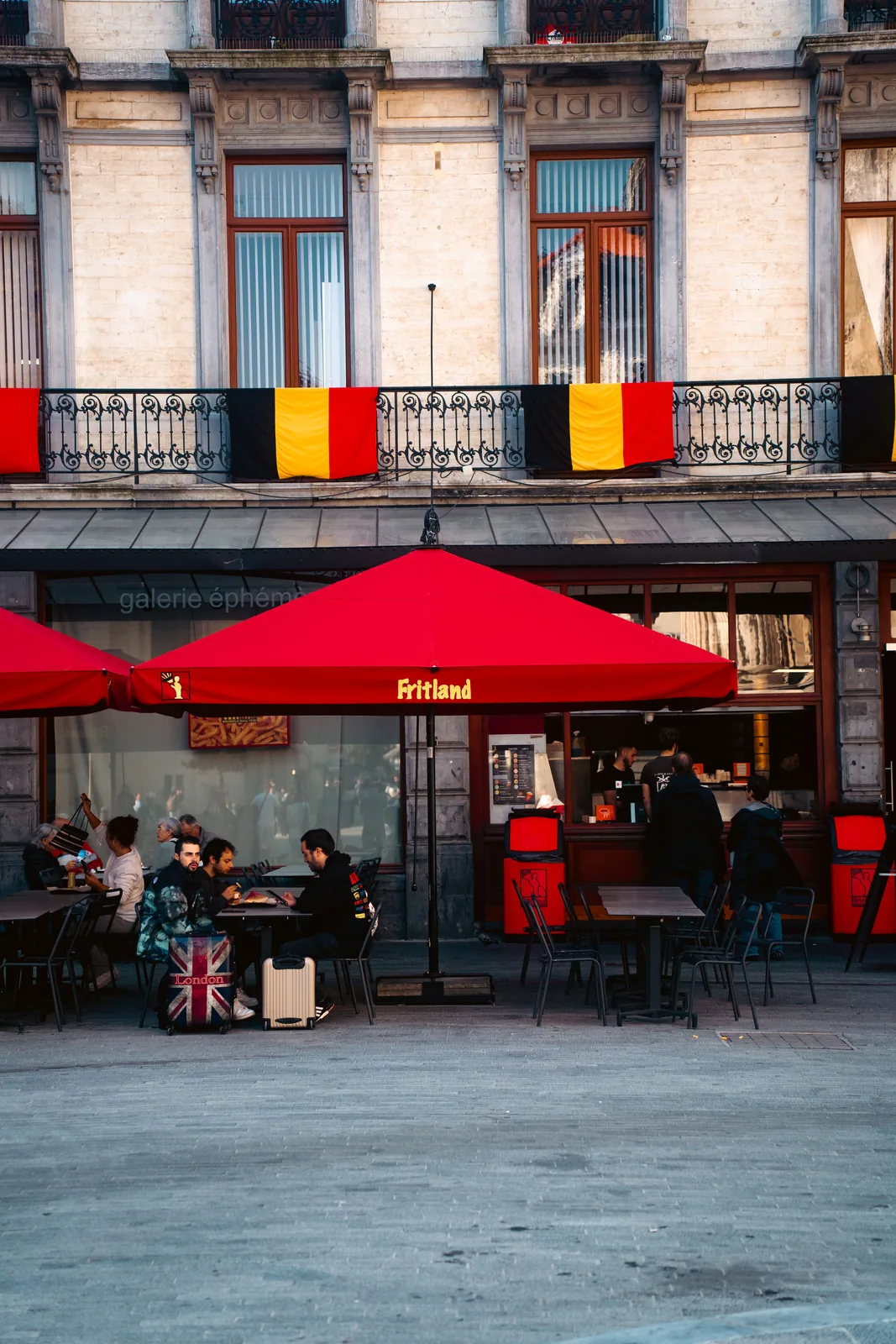
Belgium applies the same EU allergen disclosure rules as the rest of the bloc, but it has no national certification system for gluten-free or allergen-aware restaurants, unlike some neighboring countries. What it does have is a constitutional language split: Dutch is the official language of Flanders in the north, French of Wallonia in the south, German of a small community in the east, and Brussels operates bilingually in Dutch and French. National food labeling law follows the same logic, packaged food sold nationwide must carry Dutch, French, and German on the label, while products sold only in one region need just that region's language. The practical result is that the phrase you need to say, and sometimes the label you need to read, changes as you cross from Antwerp to Liège.
Hidden allergens in Belgian cuisine
Dairy and hazelnuts in Belgian chocolate
Milk chocolate is the default style in Belgian chocolate culture, not an alternative to dark, and hazelnut pairings (pralines, gianduja-style fillings) are everywhere in chocolate shop windows. Even chocolate marketed as dark can carry milk traces from shared production lines. Assume dairy and tree nuts are present until a specific shop confirms otherwise, rather than assuming a chocolate looks plain enough to be safe.
Egg and dairy baked into waffle batter
Belgian waffles come in two main styles: Liège waffles, a dense yeast-based batter studded with pearl sugar, and Brussels waffles, lighter and more rectangular. Both rely on egg and dairy as structural ingredients in the batter itself, not as a topping that can be left off. A waffle stand selling made-to-order batter has no practical way to remove egg or dairy from a dish that's already mixed before it hits the iron.
Shellfish in croquettes and moules-frites
Mussels are not a niche order in Belgium, moules-frites (mussels and fries) is treated as a national dish, served in a full pot with no shellfish-free version. Shrimp croquettes (garnaalkroketten or croquettes de crevettes) are equally common on casual menus, breaded and deep-fried in a way that doesn't visually announce the shellfish filling inside.
Shared fryer oil in frites culture
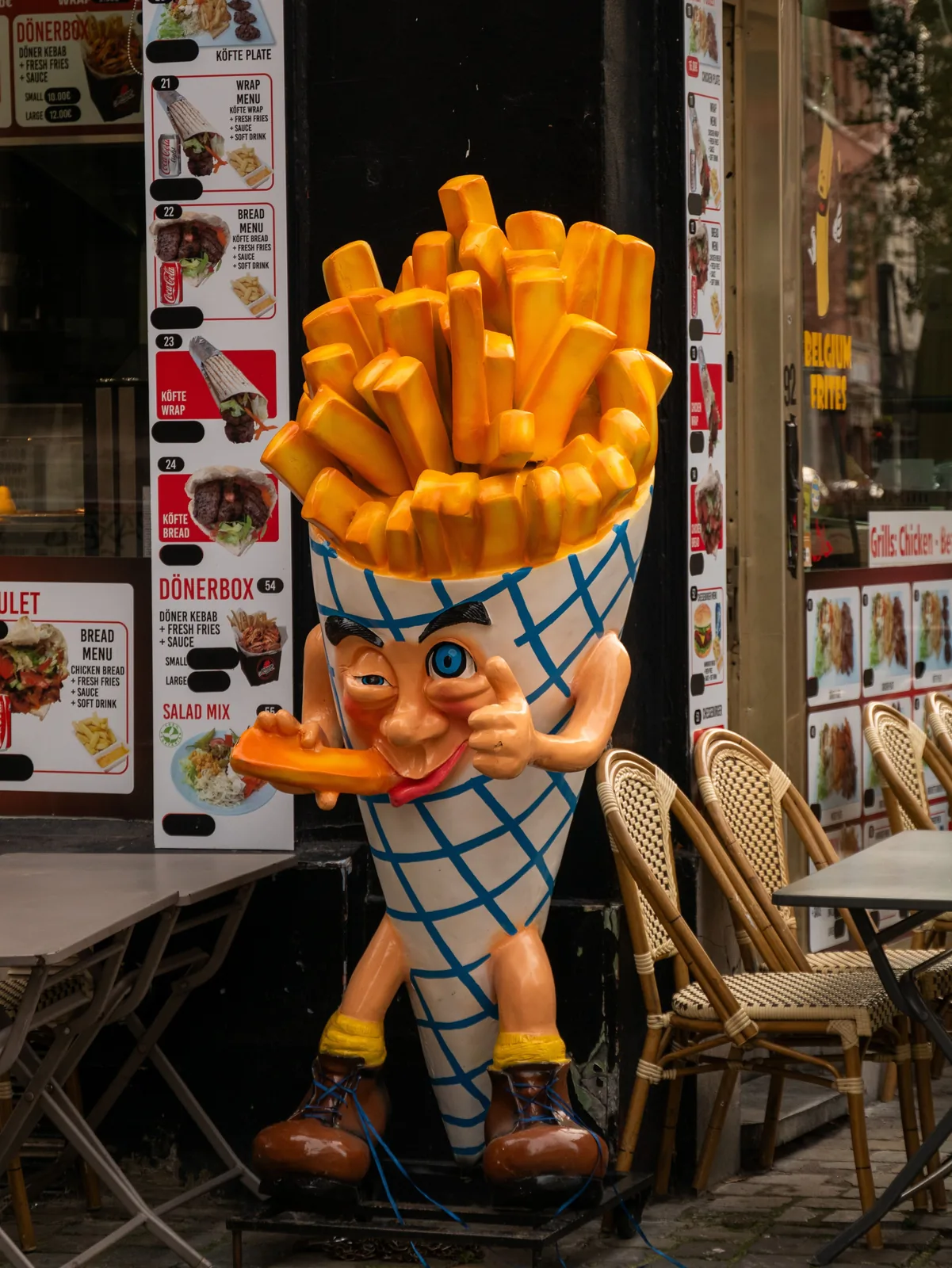
A plain order of frites is often cooked in the same fryer, and sometimes the same oil, as breaded shrimp croquettes, cheese croquettes, or other battered items. Even if the potato itself carries no allergen, the oil it's fried in can. This matters most at frituurs and friteries, the casual fry shops where everything from a basic cone of fries to a shrimp croquette comes out of the same station.
Gluten in Belgian beer
Belgium has more than 1,500 beers, and the overwhelming majority are barley-based, meaning gluten by default. Witbier, a Belgian style associated with brands like Hoegaarden, explicitly uses wheat as a core ingredient, adding gluten exposure on top of the barley. Gluten-free Belgian beer exists but is a specialty find, not something on tap at a typical bar or café.
Get a free Dutch/French-English allergy card covering gluten, dairy, shellfish, tree nuts, and your specific allergens for Belgium
Build My Belgium CardKey Dutch and French phrases for allergy communication
Belgium doesn't have one allergy language, it has at least two in everyday use. Dutch is listed first below for Flanders, French second for Wallonia and Brussels.
- Ik heb een voedselallergie voor [allergen] / J'ai une allergie alimentaire à [allergen] (I have a food allergy to [allergen])
- Ik ben allergisch voor gluten / Je suis allergique au gluten (I am allergic to gluten)
- Ik ben allergisch voor melk / Je suis allergique au lait (I am allergic to dairy)
- Ik ben allergisch voor schaaldieren / Je suis allergique aux crustacés (I am allergic to shellfish)
- Ik ben allergisch voor noten / Je suis allergique aux fruits à coque (I am allergic to tree nuts)
- Zit er [allergen] in dit gerecht? / Ce plat contient-il [allergen]? (Does this dish contain [allergen]?)
- Deze allergie kan levensbedreigend zijn / Cette allergie peut être mortelle (this allergy can be life-threatening)
- Ik heb een dokter nodig / J'ai besoin d'un médecin (I need a doctor; emergency)
High-risk Belgian dishes by allergen
| Dish | Key allergens | Notes |
|---|---|---|
| Garnaalkroketten / Croquettes de crevettes | Shellfish, dairy, wheat, egg | Breaded and deep-fried, often in the same oil as plain fries |
| Kaaskroketten / Croquettes au fromage | Dairy, wheat, egg | Same shared-fryer risk as shrimp croquettes; not automatically allergen-light |
| Moules-frites | Shellfish (mussels), often cream or wine sauce | Belgium's national dish; the mussels are never optional |
| Belgian waffles (Liège and Brussels) | Egg, dairy, wheat | Built into the batter itself, not addable or removable |
| Belgian chocolate and pralines | Dairy, tree nuts (hazelnuts), soy (lecithin) | Milk chocolate is the default style; hazelnut pairings are everywhere |
| Speculoos | Wheat, dairy (butter), sometimes tree nuts (almond paste fillings) | Plain biscuits are usually nut-free; filled or stuffed versions often aren't |
| Belgian beer (witbier and most styles) | Gluten (barley, often wheat in witbier) | Gluten-free Belgian beer exists but is a specialty find, not a default option |
| Stoemp / plain frites | Low risk if fried separately | A safer default order; confirm the fryer isn't shared with breaded items |
Where allergy communication works best in Belgium
Frituurs and friteries (fry shops): The casual fry-stand culture is everywhere, but the shared fryer oil is the single biggest cross-contact risk in the country. Ask specifically whether the fries are cooked in a fryer dedicated to potatoes only.
Brasseries and bistros: Common across Brussels and Wallonia, generally flexible with simple dishes made to order, and more likely to have staff comfortable discussing ingredients directly than a quick-service counter.
Chocolatiers and waffle stands: The least flexible category, since pralines and waffle batter are usually pre-made or pre-mixed before you order, leaving little room to modify a dish on the spot.
Supermarkets (Delhaize, Colruyt, Carrefour): Strong EU-compliant allergen labeling on packaged food, with a growing free-from selection, making self-catering one of the more predictable options.
Best Belgian supermarkets for allergy-friendly foods
Belgian supermarkets carry the same EU-mandated allergen labeling as the rest of the bloc, and the gluten-free and free-from market has grown steadily in recent years. The chains below cover most of the country.
Delhaize: One of Belgium's largest chains, with a steadily expanding gluten-free and free-from range under its own-brand lines, and visible support around awareness moments like World Coeliac Disease Day. Larger Delhaize locations tend to have a more consistent free-from shelf than smaller express-format stores, which matters if you're shopping outside a major city.
Colruyt: Strong gluten-free product availability, with private-label offerings consolidating under the Boni Selection brand as the chain phases out older budget-tier labels. Colruyt is also widespread in smaller towns where dedicated free-from sections are less guaranteed at independent grocers.
Carrefour Belgium: Part of the same international chain found across much of Europe, carrying a broad range of gluten-free products consistent with Carrefour locations elsewhere.
Specialty health-food stores: Shops like Bioplanet and Sequoia stock a wider dedicated range than standard supermarkets, useful for harder-to-find items like gluten-free bread or dedicated allergen-free snacks. glutenfreebelgium.be maintains a directory of gluten-free shops and products by city, a useful starting point before you arrive.
Understanding Belgian allergen labeling
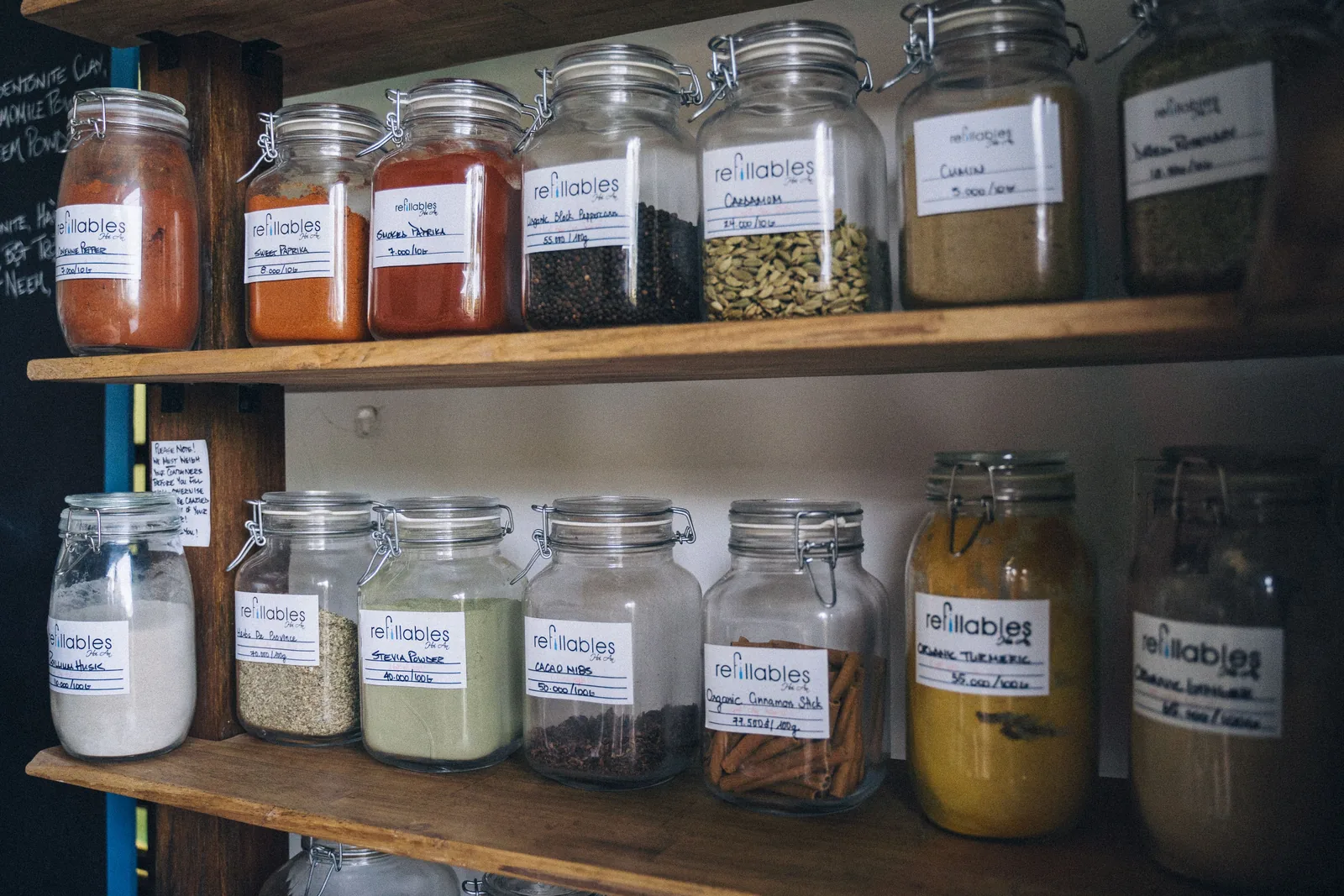
Belgium applies the same EU-wide allergen framework as the rest of the European Union, layered on top of a national language requirement that doesn't exist in most single-language countries.
The EU 14 allergen list: Under EU Regulation 1169/2011, food businesses must disclose 14 specific allergens whenever they're used as ingredients: cereals containing gluten, crustaceans, eggs, fish, peanuts, soybeans, milk, tree nuts, celery, mustard, sesame, sulphur dioxide and sulphites, lupin, and molluscs. This applies to packaged food labels and, with some variation by venue, to restaurant menus across Belgium.
Belgium's multi-language labeling requirement: National legislation requires that food sold nationwide display the mandatory allergen and ingredient information in Dutch, French, and German. Products sold only within a single language region need just that region's language, which means a packaged item bought in Flanders may not carry the same language coverage as one bought in Wallonia.
Restaurant allergen disclosure: Belgian restaurants must provide allergen information on request, the same EU-wide baseline as packaged food, but there's no dedicated national certification or symbol for allergen-aware restaurants the way some neighboring countries have built for gluten specifically. Disclosure quality in practice depends on the venue: chain restaurants and larger brasseries are more likely to have a printed allergen list ready, while a small frituur or family-run café may rely entirely on whoever's working that shift.
Why a region-matched allergy card still matters: Since disclosure depends on a conversation rather than a certification symbol, and the conversation's default language changes depending on where you are, a written card in the correct regional language removes the single biggest source of miscommunication, asking a Dutch-speaking question in a French-speaking kitchen, or the reverse.
Emergency information for Belgium
- Emergency number: 112 (European emergency number, primary), 101 (police-specific line), 100 (legacy ambulance and fire line, still active)
- Hospitals: Ziekenhuis (Dutch) / hôpital (French) for hospital, spoedgevallen (Dutch) / urgences (French) for emergency department. UZ Brussel and Cliniques universitaires Saint-Luc are among Brussels' major university hospitals.
- Epinephrine: Available at Belgian apotheek (Dutch) / pharmacie (French) with prescription. Carry your own supply.
- Key emergency phrase: Ik heb een ernstige allergische reactie, bel 112 / J'ai une réaction allergique grave, appelez le 112 (I'm having a severe allergic reaction, call 112)
Sources
This guide draws on EU food labeling law, Belgian national labeling legislation, and official Belgian government resources. It is intended as practical travel information, not medical advice.
- Regulation (EU) No 1169/2011 on the provision of food information to consumers (EUR-Lex): the EU regulation establishing the mandatory allergen disclosure rules referenced throughout this guide.
- Federal Agency for the Safety of the Food Chain (FASFC): Belgium's federal food safety authority, responsible for inspection and enforcement across the food chain.
- FPS Public Health, Food Chain Safety and Environment: the federal authority overseeing health policy and food labeling rules in Belgium.
- 112.be, Belgium's official emergency number portal: the official government source confirming 112 and related emergency contact numbers for Belgium.
Frequently asked questions
Is Belgium safe for travelers with food allergies?
Belgium follows the same EU allergen disclosure rules as the rest of the bloc, but it has no national gluten-free certification system, and the language you need shifts by region. Dairy and hazelnuts run through Belgian chocolate, mussels are a national dish carrying real shellfish exposure, and croquettes are often fried in shared oil with plain fries. A written allergy card in the right regional language remains the most reliable way to communicate.
What are the most common hidden allergens in Belgian food?
Dairy and tree nuts in Belgian chocolate and pralines, especially hazelnut pairings; egg and dairy baked into waffle batter itself; shellfish in moules-frites and shrimp croquettes; wheat and shellfish or dairy cross-contact from fries cooked in shared fryer oil; and gluten in most Belgian beer, including witbier, which explicitly uses wheat.
Why does Belgium need allergy phrases in more than one language?
Belgium has three official languages: Dutch in Flanders, French in Wallonia, and German in a small eastern community, with Brussels operating bilingually. National labeling law requires nationwide products to carry Dutch, French, and German, while regional products only need the local language, so the phrase you need can change as you cross a regional border.
How do you say food allergy in Belgium?
In Dutch (Flanders): Ik heb een voedselallergie voor [allergen] (I have a food allergy to [allergen]). In French (Wallonia and Brussels): J'ai une allergie alimentaire à [allergen]. Deze allergie kan levensbedreigend zijn / Cette allergie peut être mortelle (this allergy can be life-threatening) is worth memorizing in whichever language matches where you are.
Traveling to Belgium with food allergies?
Create a free allergy card before your trip, matched to the right regional language. Show it at restaurants, frituurs, and chocolatiers across Belgium.
Build My Belgium Allergy Card- ✓ Free
- ✓ Works Offline
- ✓ Dutch + French + English
- ✓ No Signup Required
Generate a bilingual allergy card covering Gluten, Melk/Lait (dairy), Schaaldieren/Crustacés (shellfish), and your specific allergens for Belgium, matched to the right regional language. Show it at any restaurant from Brussels to Bruges. No sign-up required.
Build my card →