Food Allergies in Spain:
Tapas, Shared Plates, and Hidden Allergens
Spain follows EU mandatory allergen rules. What the law doesn't address is the structural cross-contamination risk that comes with a food culture built on shared plates, communal fryers, and dishes assembled at speed in a busy tapas bar.
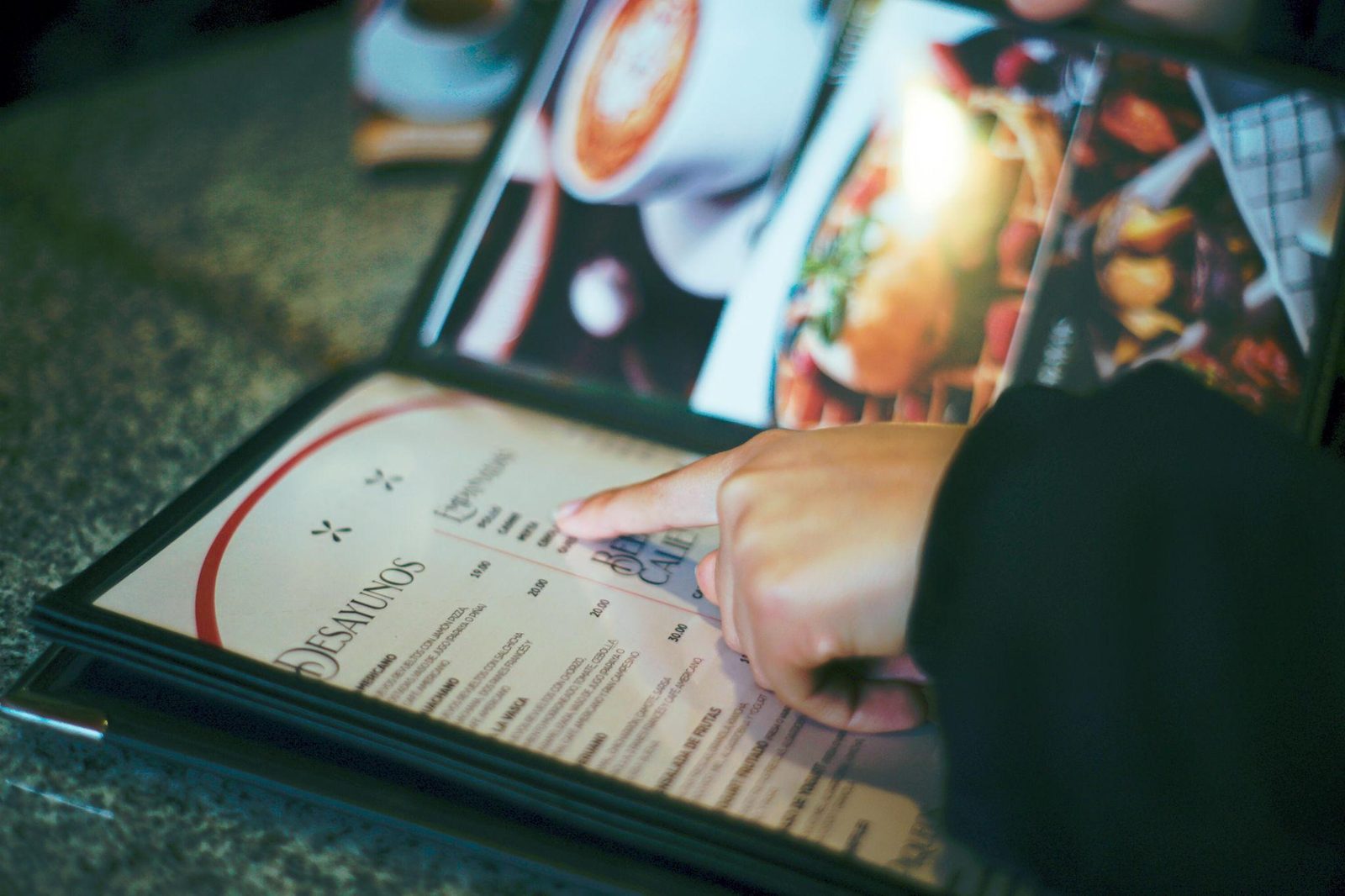
Need a Spanish allergy card? Generate a bilingual Spanish-English allergy card in under a minute and show it directly to restaurant staff.
Build My Spain CardWhat it's really like having food allergies in Spain
Traveling with food allergies in Spain starts from a stronger legal position than many destinations outside the EU. Spain's allergen rules sit inside the same EU framework that covers every member state, so restaurants, supermarkets, and packaged food producers are required to disclose the 14 EU-recognized allergens on request. In practice, day-to-day awareness tends to track closely with that legal baseline.
Major cities (Madrid, Barcelona, Valencia, and San Sebastián among them) generally handle allergy requests with more confidence than small-town or rural kitchens, partly because staff in busier restaurants field these questions more often. That doesn't mean rural Spain is unsafe, only that communication may take more effort.
The real challenge with food allergies in Spain isn't ingredient secrecy. It's cross-contamination: shared fryers, shared serving plates, and a tapas culture built around small dishes moving quickly between kitchen and table. A written allergy card, shown before ordering, consistently performs better than a verbal explanation in a loud, busy bar, since it removes ambiguity from the conversation entirely.
Why tapas culture is the real allergy risk in Spain
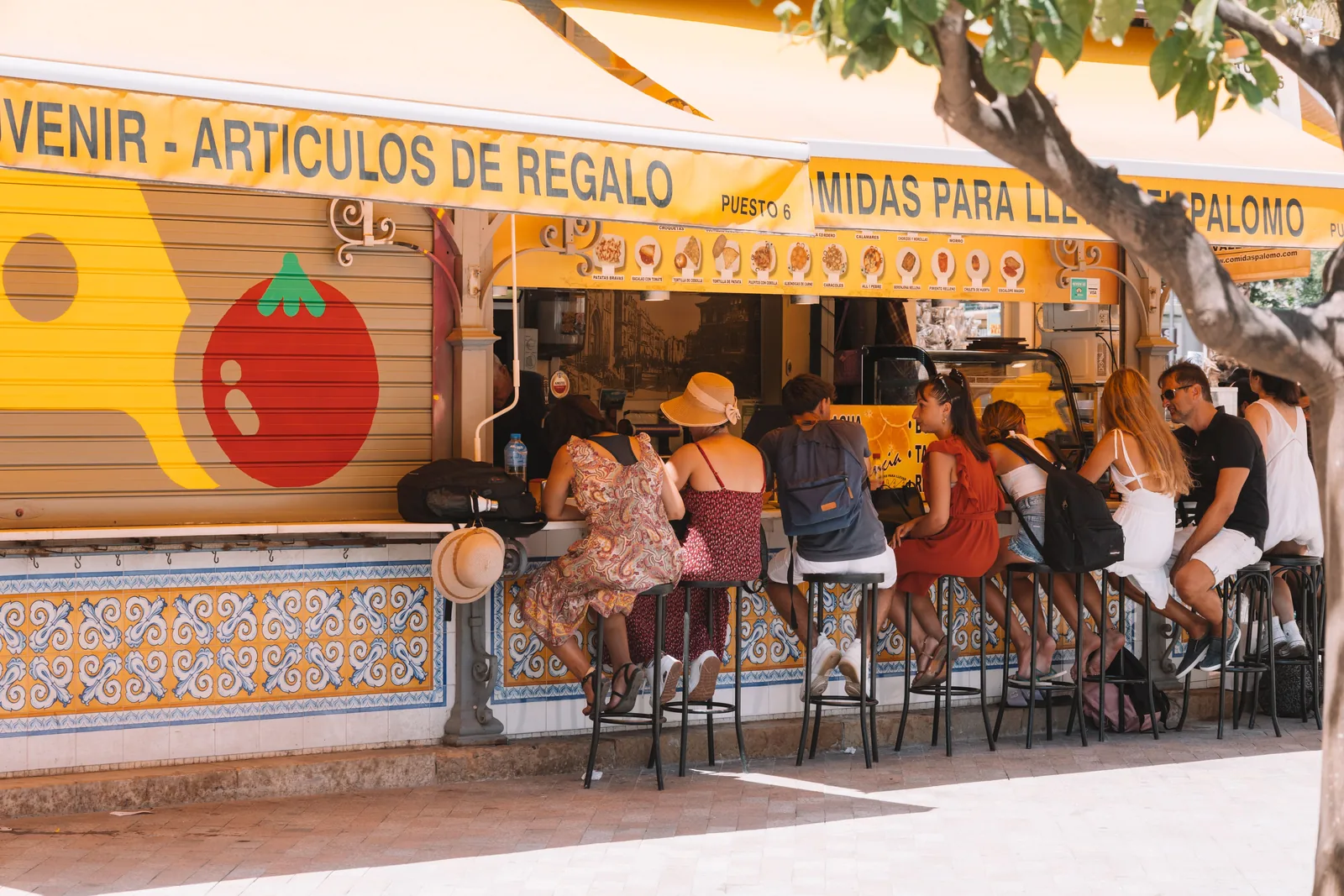
EU allergen law addresses what's in a dish. It doesn't address what happens when twelve dishes are ordered for a table of four, served on shared plates, and assembled in a kitchen running the same fryer oil for croquetas, calamares, and patatas bravas simultaneously.
The cross-contamination risk in Spanish tapas dining comes from several specific points:
- Shared fryers: Most tapas bars use one or two fryers for everything: croquetas (wheat and dairy), calamares (shellfish), patatas fritas (potatoes), and rebozados (breaded meats). If you have any of these allergies, shared fryer oil means shared allergen exposure.
- Shared serving plates: Tapas arrive on communal plates. If one dish contains a nut-based sauce and another doesn't, they share a table surface and serving utensils.
- Bread on the table: Pan de barra (baguette-style bread) arrives automatically at most Spanish restaurants, and it's wheat. For celiac travelers, this is a cross-contamination source from the moment you sit down.
- Speed of service: A busy tapas bar during peak lunch (2pm to 4pm) or evening (9pm to 11pm) is not an environment where allergy modifications get careful attention unless you communicate clearly before ordering.
Hidden allergens in Spanish cuisine
Croquetas: the most widespread hidden allergen dish in Spain
Croquetas are Spain's most universally served tapa: small breadcrumbed, fried béchamel cylinders with various fillings (jamón, bacalao, chicken, mushroom). Every component is an allergen: the béchamel is wheat flour plus butter plus milk. The breadcrumb coating is wheat. The filler often contains shellfish (bacalao croquetas can cross-contaminate others in the same batch). If you have wheat, dairy, or egg allergies, croquetas are unavoidable in Spanish restaurant kitchens : they're being made or fried in the same oil as everything else.
Romesco and picada sauces: nuts in unexpected places
Romesco sauce (salsa romesco) is a Catalan staple made with roasted tomatoes, peppers, and ground almonds or hazelnuts. It accompanies grilled fish, vegetables, and calçots (spring onions). Picada is a similar thickening sauce used in Catalan stews and braises: made with fried bread, almonds, or hazelnuts, blended into the dish as a thickener. Neither will appear on a menu as "contains nuts" without prompting. For tree nut allergy, both sauces are invisible hazards unless you ask.
Seafood stocks in rice dishes
Paella and arroz dishes (arròs negre, fideuà) are cooked in stock. Paella valenciana uses chicken stock: but most Spanish kitchens that serve multiple rice varieties make seafood stock (caldo de marisco) for their seafood versions, and the same pans and ladles may touch both. Arròs negre (black rice with squid ink) is inherently shellfish-based. For shellfish allergy, always confirm the stock base and kitchen practices: not just whether shellfish appears in the visible ingredients.
Aioli and alioli: eggs in a garlic sauce
Alioli (the Spanish version of aioli) is traditionally made with garlic and olive oil only: no egg. The version served at most Spanish restaurants today includes egg yolk as an emulsifier, making it a standard egg-containing condiment. It's served with patatas bravas, grilled meats, and as a dipping sauce. If you have egg allergy, confirm whether the alioli contains egg before using it.
Lupin: the EU allergen specific to Spain's bread
Lupin is an EU-mandated allergen that appears in some Spanish breads, pastries, and flour mixes. Lupin flour is used as a protein-enriching additive in some commercial bread products. It's cross-reactive with peanut allergy in a significant proportion of people with peanut sensitivity. If you have peanut allergy, lupin is worth flagging: it's not a common issue in home cooking but appears in packaged bread and some commercial bakery products.
Get a free Spanish-English allergy card covering the EU 14 allergens and tapas-specific risks
Build My Spain CardKey Spanish phrases for allergy communication
- Soy alérgico/a al/a la [allergen]: I am allergic to [allergen] (male: alérgico, female: alérgica)
- Tengo una alergia alimentaria grave: I have a serious food allergy
- ¿Este plato contiene [allergen]?: Does this dish contain [allergen]?
- ¿Usan la misma freidora para todo?: Do you use the same fryer for everything?
- ¿El caldo es de mariscos?: Is the stock made from seafood?
- Sin gluten, por favor: Without gluten, please
- Sin lácteos, por favor: Without dairy, please
- ¿Tiene información sobre alérgenos?: Do you have allergen information?
- Esta alergia puede ser mortal: This allergy can be fatal
- Necesito un médico: I need a doctor (emergency)
Allergen vocabulary: English to Spanish
| English | Spanish |
|---|---|
| Food Allergy | Alergia alimentaria |
| Peanut | Cacahuete |
| Tree Nuts | Frutos de cáscara |
| Shellfish | Mariscos |
| Milk | Leche |
| Egg | Huevo |
| Wheat | Trigo |
| Gluten | Gluten |
High-risk Spanish dishes by allergen
Celiac disease in Spain
Spain has one of the more developed celiac communities in Europe. FACE (Federación de Asociaciones de Celíacos de España) maintains a restaurant guide and a database of gluten-free establishments across Spain. Their website (celiacos.org) and app are the most reliable resources for vetted gluten-free dining.
The practical risks for celiacs at conventional Spanish restaurants:
- Bread arriving automatically at the table: a cross-contamination source before any food is ordered
- Croquetas being fried in the same oil as everything else
- Gazpacho made with stale bread as a thickener
- Sauces thickened with wheat flour (many Spanish stews and braises use a flour-based thickener)
- Dedicated gluten-free fryers not being standard even at restaurants that offer "sin gluten" options
The FACE certification mark (a crossed grain symbol) on Spanish restaurant menus indicates that the establishment has been verified for celiac safety. It's the most reliable indicator available.
Where allergy communication works best in Spain
Modern restaurants in major cities (Madrid, Barcelona, San Sebastián, Valencia): Generally strong allergy awareness. San Sebastián's restaurant culture in particular is known for ingredient precision. Call ahead for severe allergies.
Sit-down restaurants vs. tapas bars: Sit-down restaurants (restaurantes) offer more control than standing-at-the-bar tapas bars. Kitchen staff have more capacity to handle modifications, and you're not competing with bar noise when communicating your allergy.
Supermarkets (Mercadona, Carrefour, El Corte Inglés food hall): EU-compliant allergen labeling in bold on all packaged food. Spanish supermarkets are well-labeled and have growing free-from sections.
Tourist-area restaurants: Higher English proficiency and more experience with international dietary requests: but not necessarily higher allergy safety. The two don't always correlate.
Regional differences across Spain
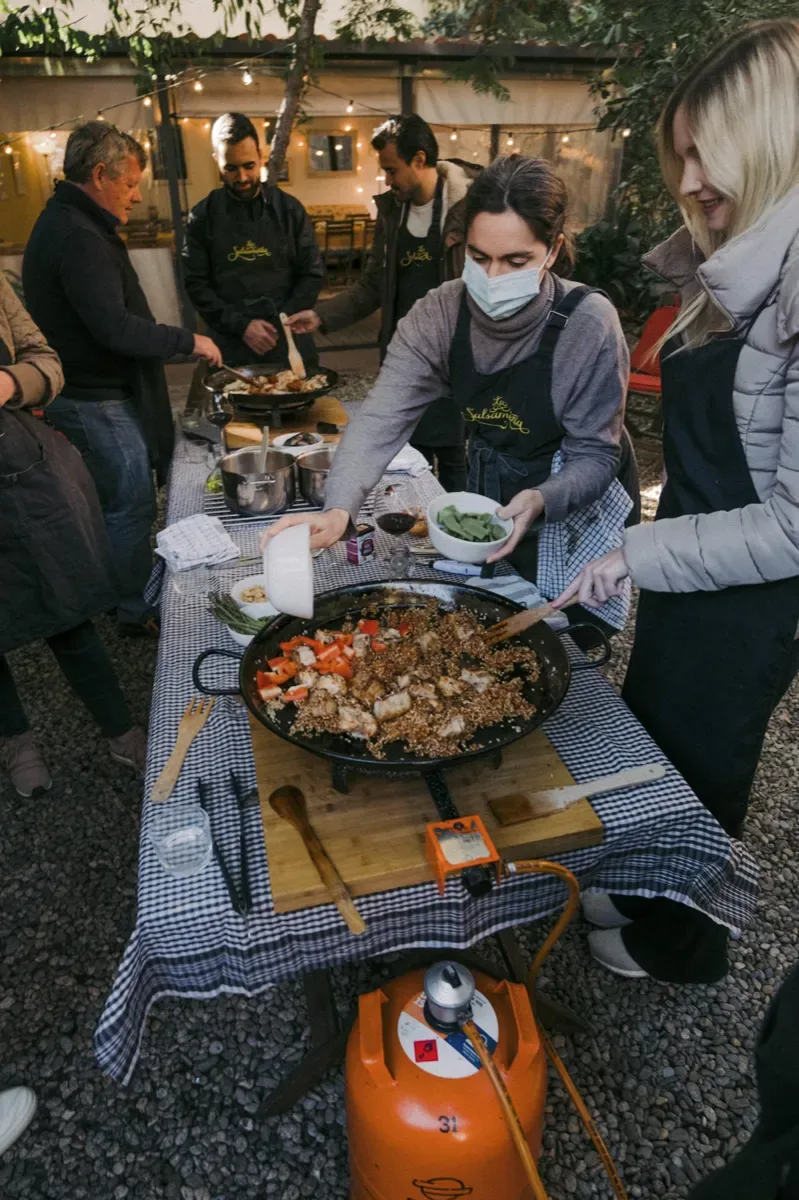
Allergy communication in Spain varies more by city type and dining style than by strict geography, but a few regional patterns are worth knowing before you travel.
- Madrid: A mix of modern restaurants with strong allergen awareness and traditional tabernas where communication leans more on conversation than printed menus. Tourist density means most central restaurants are used to dietary questions.
- Barcelona: Catalan cuisine's nut-based sauces (romesco, picada) and seafood-heavy rice dishes raise the stakes for tree nut and shellfish allergies specifically. International tourist volume keeps allergen literacy relatively high in central neighborhoods.
- Valencia: The home of paella, with frequent overlap between seafood and non-seafood rice dishes prepared in the same kitchens. Always confirm the stock base here, not just the visible ingredients.
- San Sebastián: Known for precise, pintxos-driven cuisine. Kitchens here tend to be comfortable discussing exact ingredients, which works in favor of allergy travelers willing to ask.
- Catalonia (region): Beyond Barcelona, smaller Catalan towns share the same romesco and picada risk, with less consistent English-language support outside tourist centers.
- Andalusia: Fried tapas culture (pescaíto frito, croquetas) is even more fryer-dependent than in the north, raising cross-contamination risk for wheat, shellfish, and dairy allergies in particular.
Restaurant safety checklist for Spain
- Show your allergy card before ordering, not after the first dish arrives.
- Ask if fryers are shared between allergen-containing and allergen-free items.
- Confirm stock ingredients in any rice, soup, or braised dish.
- Verify sauces and dressings, especially romesco, picada, and alioli.
- Discuss cross-contamination directly, not just ingredient lists.
- Carry emergency medication with you at every meal, not just on travel days.
Emergency information for Spain
- Emergency number: 112 (European emergency number, works across Spain)
- Medical centers: Centro de salud (primary care), Urgencias (emergency department). Private hospitals in tourist areas often have English-speaking staff.
- Epinephrine: Adrenalina auto-inyectable (EpiPen equivalent) available at Spanish pharmacies (farmacias) with prescription. Carry your own supply.
- Key emergency phrase: Tengo una reacción alérgica grave, llamen al 112: I'm having a severe allergic reaction, call 112
Can tourists get emergency allergy medication in Spain?
The safest plan is to bring your own epinephrine auto-injector and enough antihistamines to cover the full trip, since travel disruptions can extend a visit past the original return date.
Spanish pharmacies (farmacias) are common, well-stocked, and staffed by pharmacists who can advise on over-the-counter antihistamines without a doctor's visit. Replacing a prescription item like an epinephrine auto-injector is less straightforward: Spanish pharmacies typically require a local consultation or prescription before dispensing one, which can take time you don't have during an active reaction.
For a severe reaction, call 112 immediately. It's the same emergency number used across the EU, English-speaking dispatchers are available, and ambulances in Spain carry epinephrine.
Spain vs other European destinations for food allergies
Spain sits on solid legal footing thanks to EU allergen law, but its tapas and shared-plate culture pushes the real risk toward cross-contamination rather than hidden ingredients. France shares the same EU legal baseline, but French restaurant culture (more structured courses, less plate-sharing) tends to reduce cross-contamination risk even when allergen disclosure is handled less proactively than in Spain. Italy, under the same EU framework, leans on widespread gluten-free awareness driven by a large domestic celiac population, but varies more by region in how comfortable staff are discussing other allergens like tree nuts or shellfish.
The legal floor is similar across all three countries. What changes is the dining format: Spain's shared plates, France's structured service, and Italy's pasta-and-pizza-centric kitchens each create different points where communication, not regulation, becomes the deciding factor. Travel further afield, to South Korea, for example, and language itself becomes the dominant hurdle rather than plate-sharing or kitchen format.
Sources & References
- European Commission, Regulation (EU) No 1169/2011: the EU food information regulation requiring food businesses in every member state, including Spain, to disclose the 14 legally recognized allergens on request. This is the legal foundation behind the allergen disclosure rights described throughout this guide.
- AESAN (Agencia Española de Seguridad Alimentaria y Nutrición): Spain's national food safety agency, responsible for implementing and enforcing EU allergen labeling rules domestically and for publishing consumer-facing food safety guidance.
- FACE (Federación de Asociaciones de Celíacos de España): Spain's national celiac federation, maintaining the restaurant certification mark and gluten-free dining database referenced in this guide's celiac coverage.
- EAACI (European Academy of Allergy and Clinical Immunology): a leading European clinical body for allergy and immunology research, a useful reference for understanding cross-reactivity (such as lupin and peanut) and general allergy management practice.
This guide reflects publicly available regulatory information and general food safety practice. It is not medical advice. Always consult a qualified allergist for personal risk assessment, and carry your prescribed emergency medication.
Frequently asked questions
Is Spain safe for travelers with food allergies?
Spain follows EU mandatory allergen law and allergy awareness is generally good in major cities. The specific challenge is cross-contamination from tapas and shared-plate culture: shared fryers, communal serving plates, and fast kitchen turnover create risks that go beyond ingredient labeling. Communicate clearly before ordering, choose sit-down restaurants over busy tapas bars for serious allergies, and confirm fryer usage specifically.
What are the most common hidden allergens in Spanish food?
Gluten in croquetas, breaded fried foods, and some sauces; tree nuts in romesco and picada sauces; shellfish in seafood stocks used for rice dishes; eggs in alioli; sulphites in cured meats and wine; and lupin in some Spanish commercial bread products (cross-reactive with peanut allergy).
Is Spanish food safe for celiacs?
Spain has a well-developed celiac community and FACE (celiacos.org) maintains a vetted restaurant guide. The risks at standard restaurants are significant: shared fryers, bread at every table, and flour-thickened sauces. Look for FACE-certified restaurants and dedicated gluten-free establishments in cities rather than adapting standard menu options.
Does paella contain shellfish?
Traditional paella valenciana does not: it uses chicken and rabbit. Paella de marisco and paella mixta do. The risk for shellfish allergy is cross-contamination from shared kitchen equipment and seafood stock used in nearby preparations. Always confirm the stock base used for any rice dish, not just the visible ingredients.
How do you say food allergy in Spanish?
Soy alérgico/a al/a la [allergen]: I am allergic to [allergen]. Tengo una alergia alimentaria grave: I have a serious food allergy. Esta alergia puede ser mortal: this allergy can be fatal. Show a written Spanish card for more reliable communication than verbal requests in a busy tapas environment.
Generate a bilingual Spanish-English allergy card covering all EU 14 mandatory allergens in Spanish: including gluten (gluten), mariscos (shellfish), and frutos de cáscara (tree nuts). Show it at any restaurant or tapas bar in Spain. No sign-up required.
Build my card →