 AllergyPass
What Celiacs Need to Know
Before Visiting Vietnam
Vietnam's cuisine is predominantly rice-based, which helps. But soy sauce, wheat noodles, and banh mi mean gluten is still present in places you might not expect.
 Vietnam
This guide is for people managing diagnosed celiac disease. Celiac disease requires strict avoidance of gluten, including cross-contact; wheat allergy and non-celiac gluten sensitivity are different conditions with different medical advice. Follow the plan given to you by your clinician.
The good news: Vietnam is rice-first
Rice is a useful starting point for a celiac traveler in Vietnam. Pho and bun noodles are rice-based, as are the wrappers used for goi cuon (fresh spring rolls) and banh cuon (steamed rice rolls). That only describes the base ingredient, though. Sauces, fillings, broth, cooking surfaces, and shared utensils still determine whether the finished dish is suitable.
The practical question is not simply whether a dish contains rice. Ask what else went into it and whether it was prepared separately from wheat-containing food. That distinction matters more than a general label such as "rice-based" or "gluten-free."
Where gluten actually appears in Vietnamese food
1. Soy sauce (nước tương)
Soy sauce is used in cooking, marinades, dipping sauces, and at the table. Many conventional soy sauces contain wheat, although recipes and labels vary, so treat an unverified bottle or sauce as a question rather than assuming it is gluten-free. It is also easy to miss when it has been mixed into a marinade or seasoning.
Ask about soy sauce in stir-fries, noodle seasonings, braised meats, marinades, and dipping sauces. Do not assume a broth is safe because soy sauce is not visible; recipes vary and shared ladles can create cross-contact.
Vietnamese to show: Không dùng nước tương, no soy sauce
2. Banh mi
Banh mi is the clearest wheat source: the baguette is made from wheat flour. At a traditional street stall, removing the bread does not make the fillings safe, because pâté, marinades, sauces, preparation surfaces, and utensils may still need checking. Treat the sandwich as a wheat-based item and choose something else unless a venue can answer the full cross-contact question.
The fillings can sometimes be ordered separately, but do not assume they are gluten-free. Ask about each filling and whether it is prepared with the same knives, board, or counter as the bread.

3. Mi noodles (wheat noodles)
Vietnamese cuisine uses two distinct noodle types: rice-based (bun, banh pho, hu tieu in some versions) and wheat-based (mi). Mi noodles appear in mi xao (stir-fried wheat noodles), hu tieu mi (combination soup with wheat and rice noodles), and some wonton noodle soups in southern Vietnam reflecting Chinese culinary influence.
The key is checking the noodle and the preparation. Bun and banh pho are rice-based; mi or mì usually indicates wheat noodles. Hu tieu varies, so ask which noodle is being served and whether the broth and utensils are shared.
4. Hoisin sauce (tương đen)
Hoisin sauce is often served alongside pho and may also appear in marinades or glazes. Ingredients vary by brand and recipe, so check the label or ask rather than treating every version as identical. If it cannot be verified, leave it off and avoid shared condiment containers.
Vietnamese to show: Không dùng tương đen, no hoisin sauce
5. Fried food batters
Fried dishes may contain wheat flour, breadcrumbs, or wheat noodles in the filling. Even when the ingredients are gluten-free, a shared fryer or oil can create cross-contact. This is relevant to some cha gio (fried spring rolls), fried dumplings, and battered proteins.
Fresh goi cuon uses a rice-paper wrapper, but the filling, dipping sauce, and preparation still need checking. Cha gio wrappers and fillings vary, and the fryer may be shared. Confirm the wrapper, filling, oil, and utensils before ordering.

Get a Vietnamese-language celiac card, formatted for pho shops, street stalls, and restaurants
Build My Vietnam CardVietnamese dishes to investigate first
These dishes have a rice-based component, which can make them useful starting points. None is automatically safe: confirm sauces, fillings, broth, fryer oil, utensils, and preparation with the staff.

How to communicate celiac disease in Vietnam
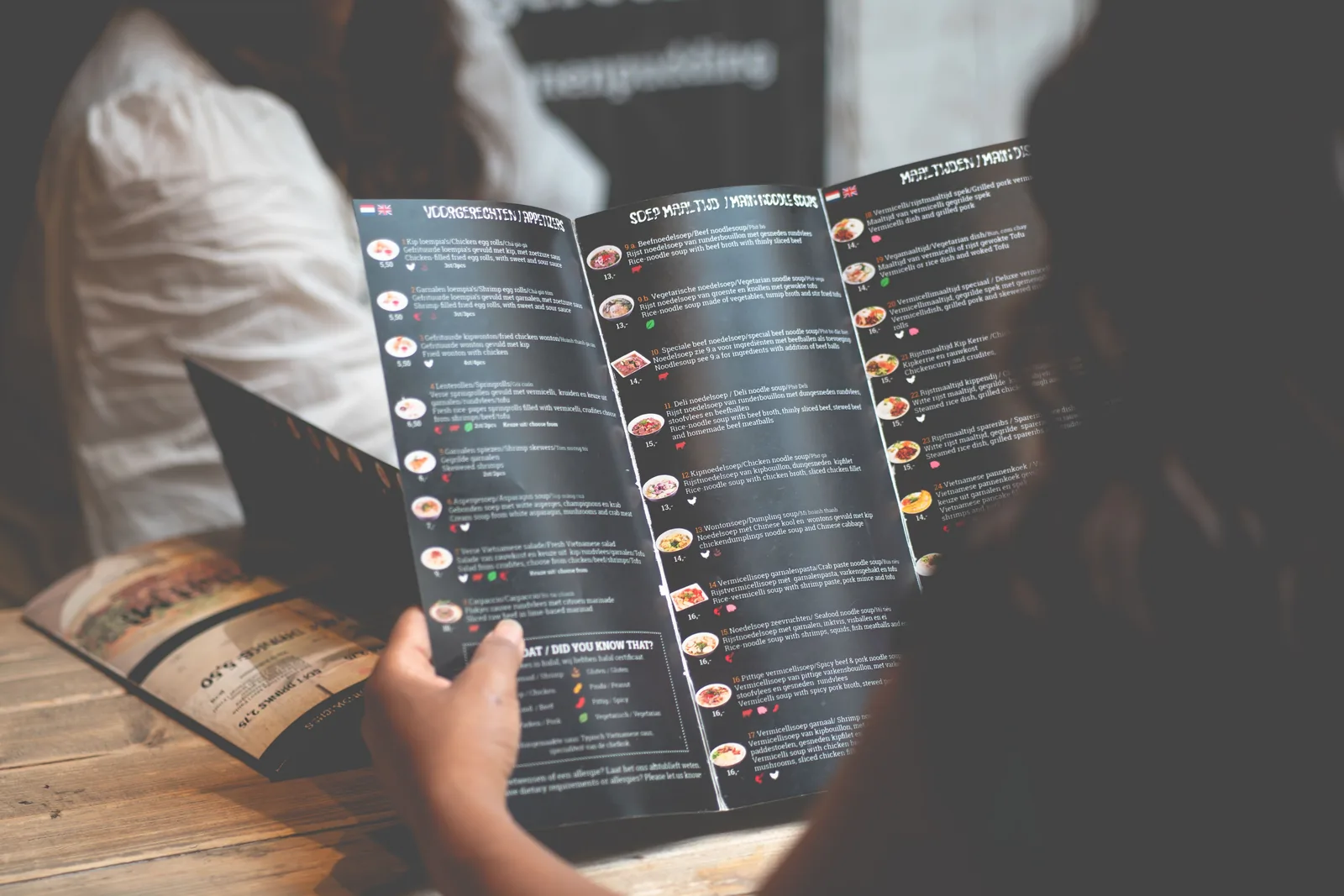
A written explanation is useful because the phrase "gluten-free" may not communicate the seriousness of celiac disease or the need to prevent cross-contact. Be specific about wheat and gluten, then ask about sauces, flour, shared oil, utensils, and preparation surfaces. If the staff cannot answer clearly, choose a different dish or venue.
Key Vietnamese phrases to show in writing:
- Tôi bị bệnh celiac, I have celiac disease
- Tôi không thể ăn lúa mì hoặc gluten, I cannot eat wheat or gluten
- Không dùng nước tương, no soy sauce
- Không dùng tương đen, no hoisin sauce
- Không dùng bột mì, no wheat flour
- Dùng nước mắm thay nước tương, use fish sauce instead of soy sauce
AllergyPass generates a Vietnamese-English celiac card with questions about wheat, gluten, sauces, and cross-contact. Show it before ordering, and use the staff's answers—not the dish name alone—to decide whether to proceed.
Regional variation in Vietnam: Hanoi vs Ho Chi Minh City vs Central Vietnam
Vietnamese cuisine varies by region, but the same checks apply everywhere: ask about wheat-containing sauces and noodles, then ask how the dish was prepared. Regional labels can suggest what to look for; they cannot certify a dish.
Hanoi (north): Pho and bun cha are common choices to investigate. Their rice-noodle base does not settle the question: check the broth, marinade, dipping sauce, and preparation area.
Central Vietnam (Hue, Hoi An, Da Nang): Bun bo hue and banh xeo are rice-based dishes worth asking about, but check broth, shrimp paste, fillings, and sauces. Cao lau is a regional noodle dish with a preparation that varies by vendor, so ask what flour is used rather than relying on its name.
Ho Chi Minh City (south): Hu tieu and other noodle dishes can be made with different noodles or combinations, so ask what is in the bowl. The city gives you more restaurant choice, but a larger choice of venues does not remove the need to check ingredients and cross-contact.
Practical tips for celiac travelers in Vietnam
- Ask about the whole dish. Check noodles, broth, marinades, sauces, toppings, flour, shared oil, utensils, and preparation surfaces—not just the main carbohydrate.
- Use dish names as a starting point. "Bun" and "banh pho" usually indicate rice noodles; "mi" or "mì" usually indicates wheat noodles. Ask if you are unsure.
- Be cautious with fried food. Ask whether the item contains wheat and whether the oil, basket, and utensils are shared with breaded food.
- Carry backup food. Packaged snacks can help on long transfers, tours, or boat trips where you cannot verify a meal quickly.
- Choose communication over assumptions. A larger city or international hotel may offer more opportunities to explain your diet, but neither is a guarantee of a gluten-free kitchen.
Frequently asked questions
Can celiacs eat in Vietnam?
Yes, people with celiac disease can eat in Vietnam, but a rice-based cuisine is not automatically gluten-free. Rice noodles and plain rice can be useful starting points; soy sauce, wheat noodles, banh mi, fried food, sauces, and cross-contact still need checking. A written Vietnamese card can help, but it does not replace confirming ingredients and preparation.
Is pho gluten-free?
Pho noodles are made from rice flour, but a bowl of pho is not automatically safe for someone with celiac disease. Ask about the broth, seasoning sauces, toppings, shared utensils, and cross-contact, and skip hoisin or soy sauce unless the label has been checked. A written Vietnamese-language card can help communicate the questions.
Does Vietnamese food contain soy sauce?
Soy sauce (nước tương) appears in stir-fries, marinades, noodle seasoning, dipping sauces, and at the table. Many conventional soy sauces contain wheat, but recipes and labels vary. Ask about it directly, and do not assume that fish sauce or another replacement is safe without checking the ingredients and preparation.
How do you say gluten-free in Vietnamese?
Show a written explanation rather than relying on the phrase gluten-free alone: Tôi bị bệnh celiac. Tôi không thể ăn lúa mì hoặc gluten. (I have celiac disease. I cannot eat wheat or gluten.) Add the questions about sauces, shared oil, utensils, and preparation that matter to your diet. A Vietnamese-language card can make the request easier to understand.
What noodles are gluten-free in Vietnam?
Bun and banh pho are rice-based noodles, while mi or mì usually refers to wheat noodles. Hu tieu can vary by noodle type and preparation. Ask which flour the noodles contain and whether they were cooked with shared utensils or in shared broth; a dish name alone is not a guarantee.
Is nuoc cham (Vietnamese dipping sauce) gluten-free?
Traditional nuoc cham is commonly made with fish sauce, lime juice, sugar, water, and chili, but recipes and bottled ingredients vary. Ask whether it contains soy sauce, wheat, or another seasoning, and consider cross-contact with shared serving containers. It may be a lower-risk condiment, not a guaranteed one.
Does Vietnamese food contain gluten?
Some Vietnamese food contains gluten and some does not. Common sources include banh mi, wheat noodles, soy sauce, hoisin sauce, oyster sauce, wheat flour, and foods prepared in shared oil or on shared equipment. Rice noodles and plain rice may be lower-risk ingredients, but the whole dish and its preparation still need checking.
This article is for informational and travel preparation purposes only and does not constitute medical advice. Always consult a qualified healthcare professional before traveling with a food allergy, and carry any prescribed emergency medication at all times. See our full medical disclaimer.