 AllergyPass
Food Allergies in Thailand
Travel & Dining Guide
Plan a Thailand trip around hidden allergens, restaurant communication, city-specific risks, and emergency care. This hub routes you to the right guide for each stage of the trip.
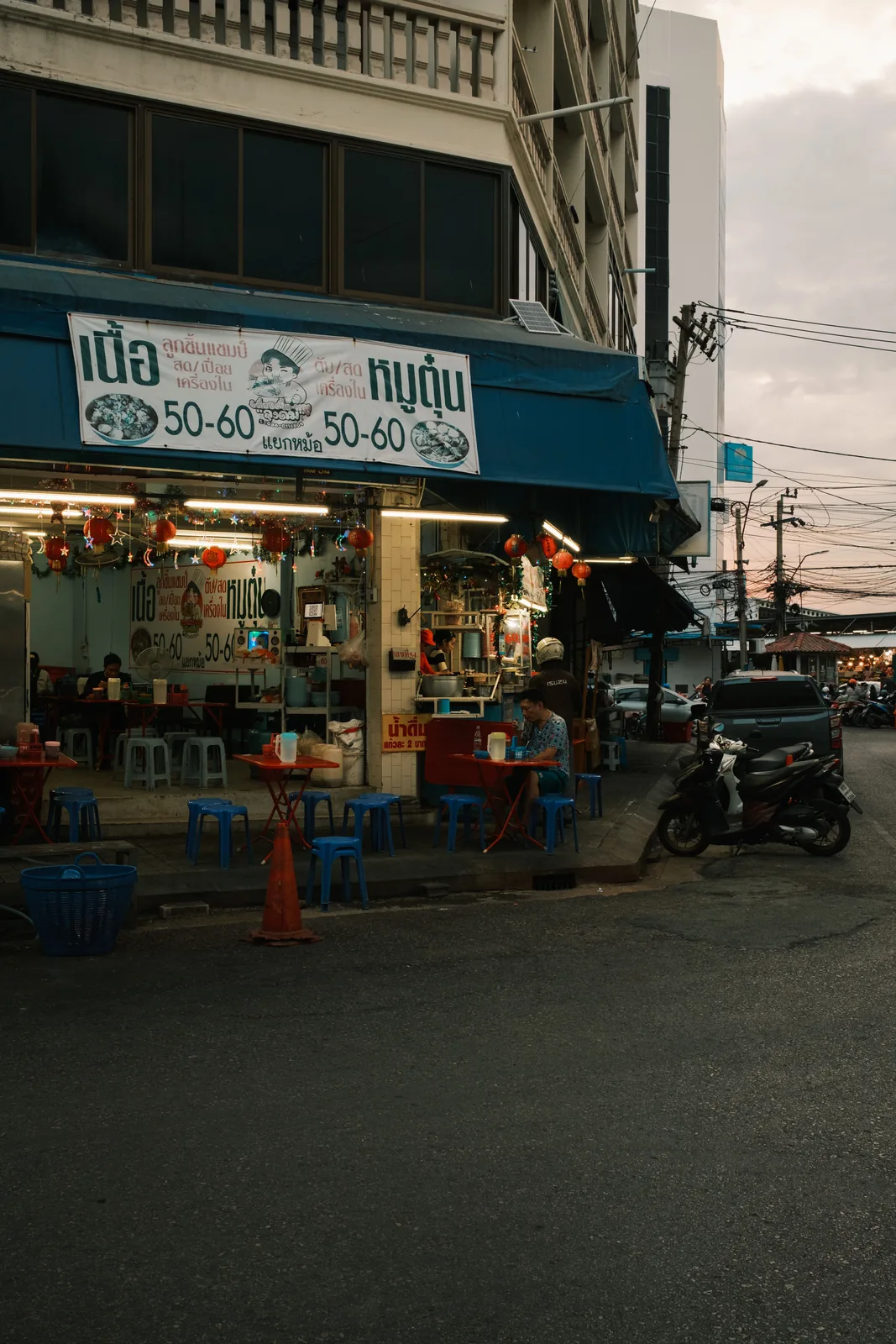 Thailand
First step for every Thailand trip with a food allergy: build your Thai-language card before you board.
Build your Thai allergy cardIn this hub
Understanding Thai food allergens
Thailand's allergen challenge is often hidden in sauces, pastes, garnishes, and shared equipment. Nam pla (fish sauce) is a common seasoning in savory cooking; kapi (shrimp paste) appears in some curry pastes, nam prik, and regional recipes; and peanuts or dried shrimp appear in dishes such as pad thai, satay, larb, and some salads. Ask about the actual recipe rather than assuming from a dish name.
This means the allergy conversation at a Thai restaurant is not about whether a dish contains a specific ingredient as an optional addition. It is about whether the kitchen can fundamentally restructure how a dish is seasoned. Some can, with notice. Many cannot, particularly at street food level. A written Thai-language card communicating this in the kitchen's language is the tool that makes the difference.
Thailand risk at a glance
- Fish or shellfish: Ask about nam pla, kapi, dried shrimp, oyster sauce, broth, sauces, and shared equipment.
- Peanut: Check garnish, sauces, marinades, oil, woks, and shared utensils at the specific venue.
- Tree nuts: Ask about cashews, coconut, sauces, garnishes, and shared preparation; recipes vary.
- Gluten or wheat: Check soy sauce, oyster sauce, noodles, marinades, batters, and shared fryers.
- Dairy: Ask about milk, butter, condensed milk, and desserts rather than relying on a cuisine-wide assumption.
Food safety guides
A practical breakdown of common dish categories: where fish sauce, shrimp paste, peanuts, and derivatives may appear. Read this before your first restaurant meal.
Peanut allergyPeanut-specific dish questions, cooking oil and shared-wok checks, practical starting points, and Thai phrases for staff.
Street foodHow to participate in Thai street food culture with allergies. Communication scripts and dish-level risk breakdown.
Managing a peanut allergy across more than one destination, not just Thailand? See our dedicated peanut allergy travel card guide, which covers the same hidden-ingredient approach for any country.
Your Thai-language allergy card
Nothing communicates better in a Thai kitchen than a Thai-language allergy card. It specifies your allergens and derivative ingredients in Thai script, formatted for restaurant use, and it communicates severity and specific derivatives that verbal requests miss entirely. The research is consistent on this. Written cards in the local language change kitchen behavior more reliably than any other communication method.
Build your Thailand travel allergy card in Thai and English. Print one copy for your wallet, save a digital version on your phone, and show it at every restaurant before you order.
Want to learn the allergen words yourself, not just carry a card? See the full Thai food allergy phrasebook.
City guides
Bangkok is where many Thailand allergy travelers spend time and where international restaurant and hospital options are concentrated, so it gets the primary city guide below. Four other destinations come up often enough to need their own dedicated guides too. Each covers what changes about allergen risk in that specific place, plus hospital options and emergency preparation.
Bangkok hidden ingredients, neighborhood planning, Thai-language cards, food tours, emergency preparation, insurance, and checklists.
City guideNorthern Thai cooking leans more heavily on peanuts, tree nuts, and shrimp paste than the food most travelers know from Bangkok.
City guideSeafood-heavy southern Thai cooking means checking for shrimp paste (kapi) in dishes that don't look like seafood at all.
City guideResort and local dining questions for Koh Samui, with communication and kitchen checks rather than blanket assurances.
City guideInternational and local dining in Pattaya, with practical questions for recipes, shared equipment, and communication.
Getting around Thailand
Managing an allergy on the move is easier when you control your own schedule rather than a shared group timetable, especially around meal timing and medication. Search trains, buses, and ferries between Thai cities below.
Accommodation
Where to stay in Bangkok with food allergies: Sukhumvit, Silom, Siam, and Riverside compared by daily food routines, transport, hotel questions, and access to care.
Read the guide →Experiences
A food allergy does not mean sitting out Bangkok's food scene. Cooking classes put you in control of every ingredient before it goes into the wok, and food tour operators vary widely in how well they can accommodate a real allergy versus a general dislike.
Bangkok food tours for allergy travelers: how to screen tour formats and operators for recipe questions, shared equipment, and cross-contact.
Read the guide →Wellness
Massage and spa visits do not usually involve food, but retreats and wellness programs with set menus need the same recipe and cross-contact questions as any other venue. Confirm the menu, kitchen, and communication process before booking.
Wellness experiences in Thailand: traditional Thai massage, spas, and retreat programs, including what to communicate about dietary needs at multi-day programs with set menus.
Read the guide →Emergency
1669: National EMS (ambulance)
191: Police
1155: Tourist Police (English-speaking)
Emergency numbers checked against the Thailand Tourist Police directory. Save current details offline before travel.
For a serious allergic reaction, use your prescribed epinephrine promptly, call 1669, and go to the nearest appropriate emergency department. Private hospitals can offer international-patient support in major cities, but do not delay care while trying to reach a particular facility.
Emergency healthcare in Thailand: hospital options by city, what to say to staff, and how to prepare before you land.
Read the guide →Travel insurance
Check three things before you buy a policy for a Thailand trip: does it cover emergency anaphylaxis treatment, does it exclude food allergies as a pre-existing condition, and does it include medical evacuation with a clear coverage limit.
SafetyWing Nomad Insurance is one policy to compare. Read its current plan documents and ask the insurer in writing about food allergies, anaphylaxis, pre-existing conditions, and evacuation before buying; terms can change.
Pre-trip checklist
- Build your Thai-language allergy card and save both a digital and printed copy
- Save the 1669, 191, and 1155 emergency numbers offline
- Confirm your travel insurance covers anaphylaxis treatment and medical evacuation
- Pack two epinephrine auto-injectors in your carry-on, if prescribed
- Read the hidden allergens guide before your first restaurant meal
Read the full pre-trip checklist for a destination-agnostic version covering documents, medication, and packing.
Want the checklist as a printable download, plus new guides as they publish?
Free Food Allergy Travel Checklist →Sources and food-safety notes
- Royal Thai Embassy Copenhagen: som tam and pla kung — an official dish reference used here to support dish-specific ingredient checks rather than blanket claims.
Frequently asked questions
How can I plan a Thailand trip with a food allergy?
Build a Thai-language allergy card, then ask about nam pla, kapi, dried shrimp, oyster sauce, peanuts, sauces, and shared equipment in the actual recipe. Choose accommodation by its kitchen, daily food routine, transport, and access-to-care plan. Carry prescribed medication, save 1669 offline, and use the city guides for itinerary-specific questions.
What are the most dangerous foods for allergy travelers in Thailand?
For fish and shellfish allergy travelers, ask about nam pla (fish sauce), kapi (shrimp paste), dried shrimp, and oyster sauce in the specific dish. For peanut allergy travelers, pad thai, satay sauce, som tam, some larb, and some salads can carry visible or hidden peanut risk. Cross-contamination from shared woks and cooking surfaces is an additional risk at street food stalls. Lower-risk choices still need ingredient and cross-contact confirmation.
Which Thailand guide should I read for my specific allergen?
Start with Hidden Allergens in Thai Food, which covers where nam pla, kapi, dried shrimp, oyster sauce, and peanuts appear across common dish categories. Peanut Allergy in Thailand goes dish by dish through cooking oil, garnish, and shared-wok questions. The Thailand Street Food Allergy Guide covers how to read a stall's risk before ordering, which is a different calculation from a sit-down kitchen. The city guides answer itinerary-specific questions for Bangkok, Chiang Mai, and Phuket.
This article is for informational and travel preparation purposes only and does not constitute medical advice. Always consult a qualified healthcare professional before traveling with a food allergy, and carry any prescribed emergency medication at all times. See our full medical disclaimer.