 AllergyPass
The Allergy-Friendly
Backpacking Guide to Southeast Asia
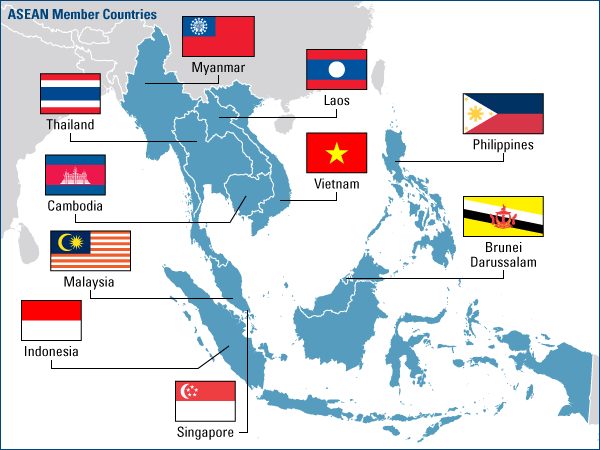
You can backpack Southeast Asia with a food allergy, but the questions change at every border. This guide compares the main risks in five countries and shows what to prepare before you leave.
 Asia
Asia
In this guide
Before you leave: the essentials
These apply regardless of which countries you're visiting or what your specific allergen is.
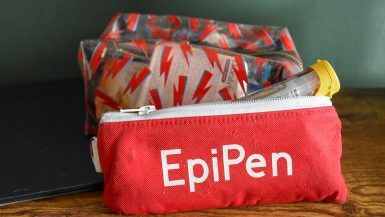
- Carry your emergency medication on your person. Keep prescribed epinephrine in a daypack or pouch you can reach quickly, not in checked luggage or at the bottom of a large backpack. Follow the manufacturer's storage instructions in hot weather.
- Get written allergy cards before you arrive. English explanations at busy street stalls can be misunderstood. Carry cards in Thai, Vietnamese, Bahasa Indonesia, and Khmer for the countries on your route. AllergyPass generates allergy cards for travel, one per country, formatted for restaurants and street vendors.
- Check your travel insurance. Look for emergency treatment, pre-existing-condition exclusions, and medical evacuation. This matters most when your route includes islands, rural areas, or long stretches between major cities.
- Pack backup food for gaps. Long bus rides, overnight trains, island boat transfers, and remote trekking can leave you with few choices. A few familiar snacks give you an option when you cannot verify a meal.
- Keep one small emergency pouch. Put your medication, allergy cards, insurance details, and emergency contacts together so you can find them quickly in a new hotel or transport terminal.
Get allergy cards for every country you're visiting, no internet needed to show them
Build My CardsThailand: ask about peanuts, fish, and shellfish
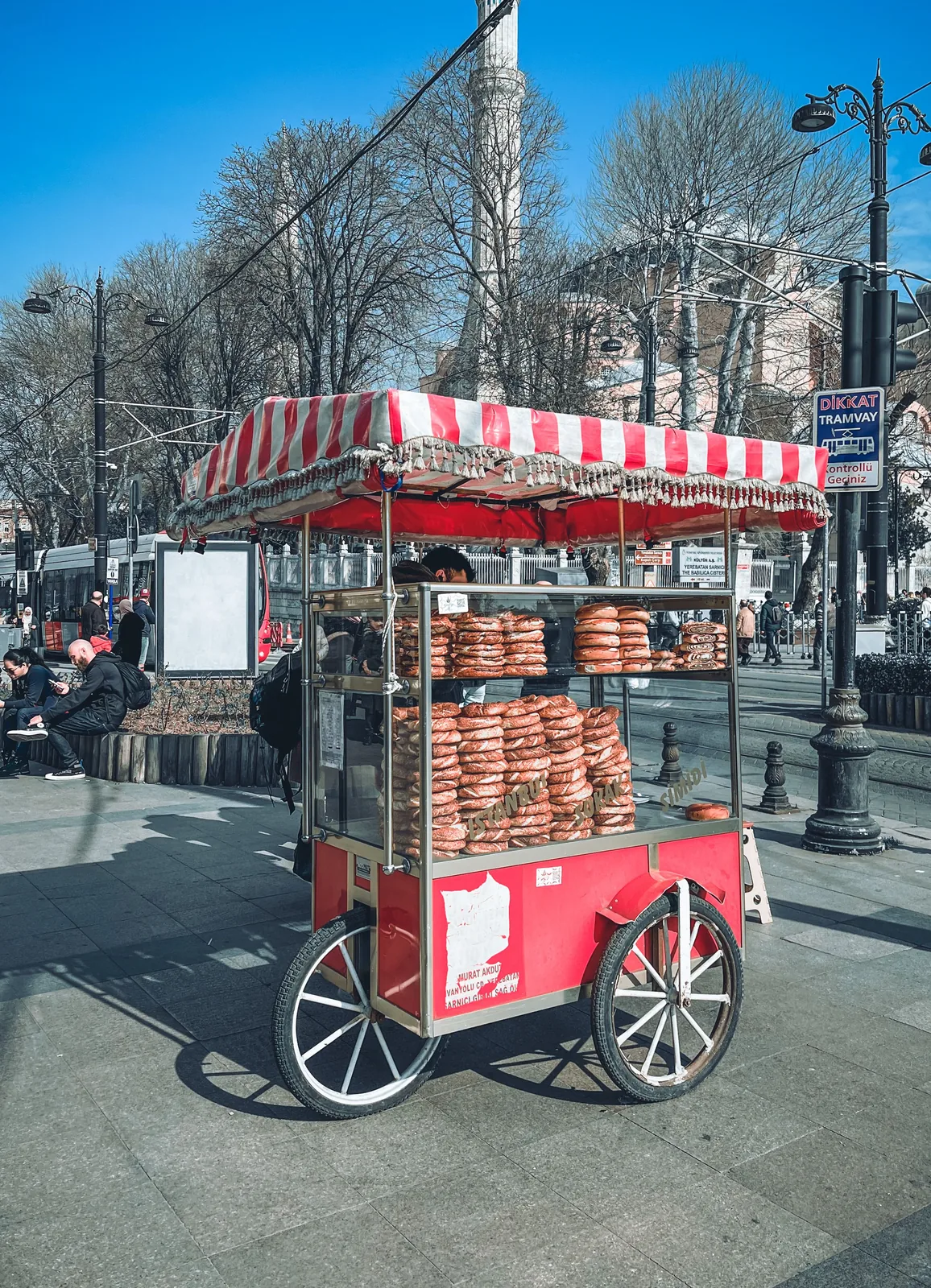
Peanuts may appear as cooking oil, garnish, or paste. Fermented seafood ingredients such as fish sauce, shrimp paste, dried shrimp, and oyster sauce are also used in many Thai recipes and may be invisible in the finished dish.
Common questions in Thailand:
Ask about peanuts and peanut oil, shrimp paste and dried shrimp, fish sauce, oyster sauce, and shared woks. Soy is a separate concern that varies by dish.
Key Thai phrases to show: แพ้ถั่วลิสง (pae thua lisong), allergic to peanuts. ไม่ใส่น้ำปลา (mai sai nam pla), no fish sauce.
Full Thailand guide: Thailand Food Allergy Hub and Hidden Allergens in Thai Food.
Vietnam: fish sauce, wheat, soy, and shellfish questions

Vietnamese cooking often relies on fish sauce, soy-based seasonings, fresh herbs, and rice or wheat-based staples. The dishes may look simple while the broth, filling, or dipping sauce carries the ingredient you need to avoid.
Soy sauce (nước tương) and fish sauce (nước mắm) appear in many savory dishes. Wheat is obvious in banh mi, but it can also enter through soy-based sauces or other prepared ingredients. If you avoid MSG as a personal sensitivity, ask about it separately; it is not the same as a food allergy.
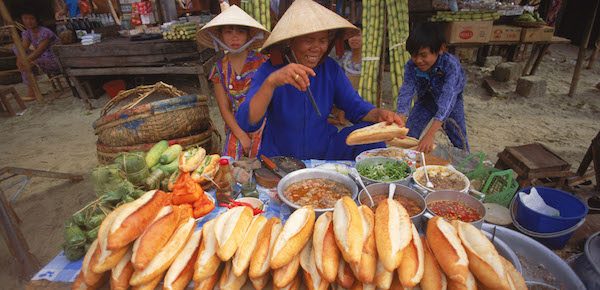
Common questions in Vietnam:
Ask about fish sauce, shellfish in broths or toppings, wheat in bread and sauces, soy, and shared preparation equipment.
Lower-risk options to ask about:
- Goi cuon (fresh spring rolls with rice paper), confirm the filling has no shellfish
- Plain pho bo (beef pho) without additional sauces
- Fresh tropical fruit
- Broken rice (com tam) with plain grilled meats
Peanuts appear as a garnish or sauce ingredient in some Vietnamese dishes. Do not rely on a country-level assumption about cooking oil; ask about the dish and the kitchen you are using.
Full Vietnam guide: Vietnam Food Allergy Hub and What Celiacs Need to Know Before Visiting Vietnam.
Cambodia: ask about prahok and fermented seafood
Prahok, a fermented fish paste, is a foundational ingredient in many traditional Cambodian dishes. It plays a similar role to shrimp paste in some Thai recipes and may be mixed into a dish before it reaches the table.
Common questions in Cambodia:
Ask about prahok and other fermented seafood, peanuts in garnishes or sauces, and shared cooking equipment. Rice-based dishes are common, but that does not remove the need to check the recipe.
Lower-risk options to ask about:
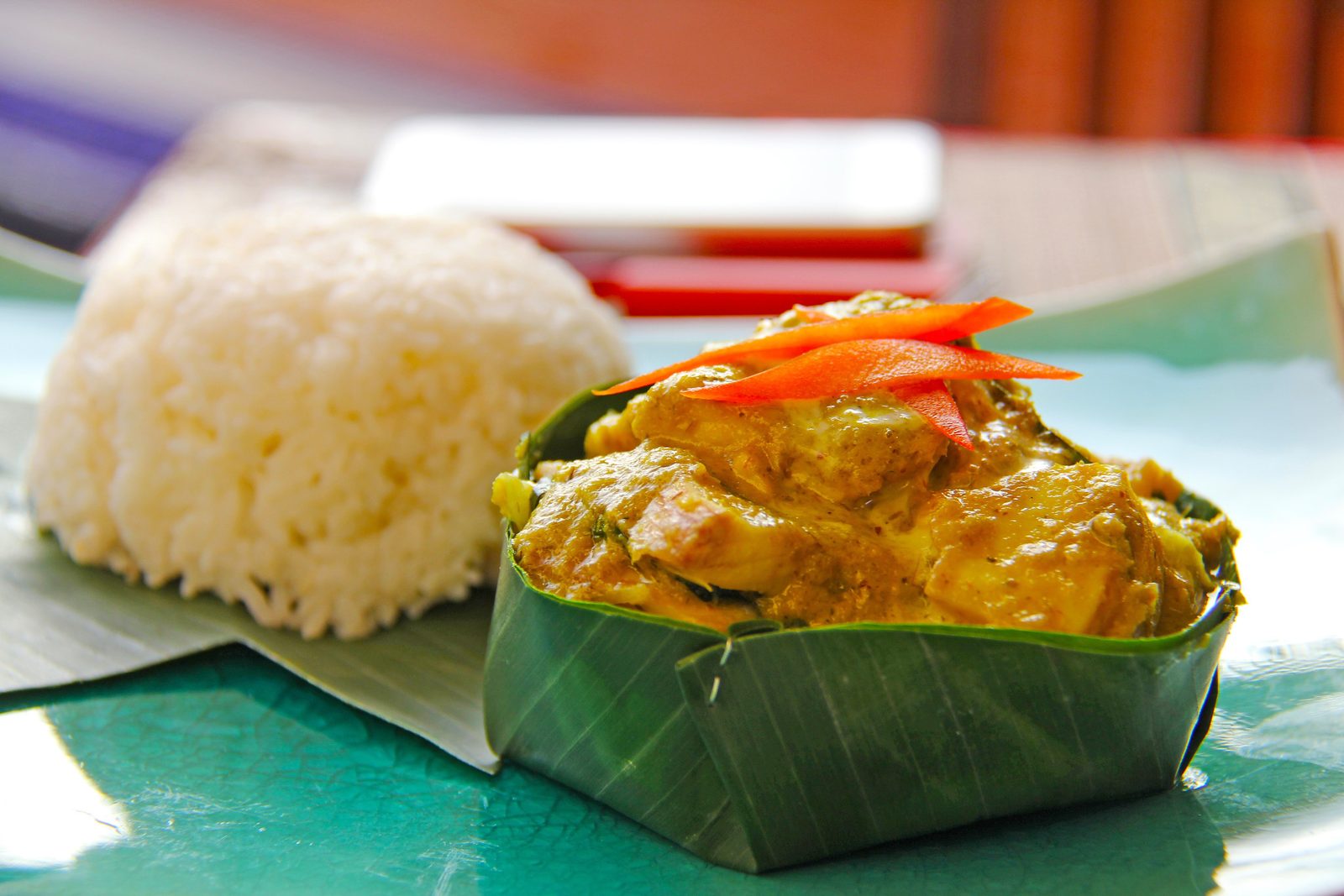
- Plain fish amok (steamed fish curry in banana leaf), after checking the paste, garnish, and any fermented seafood ingredients
- Lok lak (stir-fried beef with lime and pepper sauce)
- Plain rice with grilled meats
Phnom Penh and Siem Reap are more likely to have tourist-facing restaurants and staff who can communicate in English. Outside those hubs, carry your written card and make a backup plan before leaving town.
Indonesia: peanut sauce, soy, and terasi
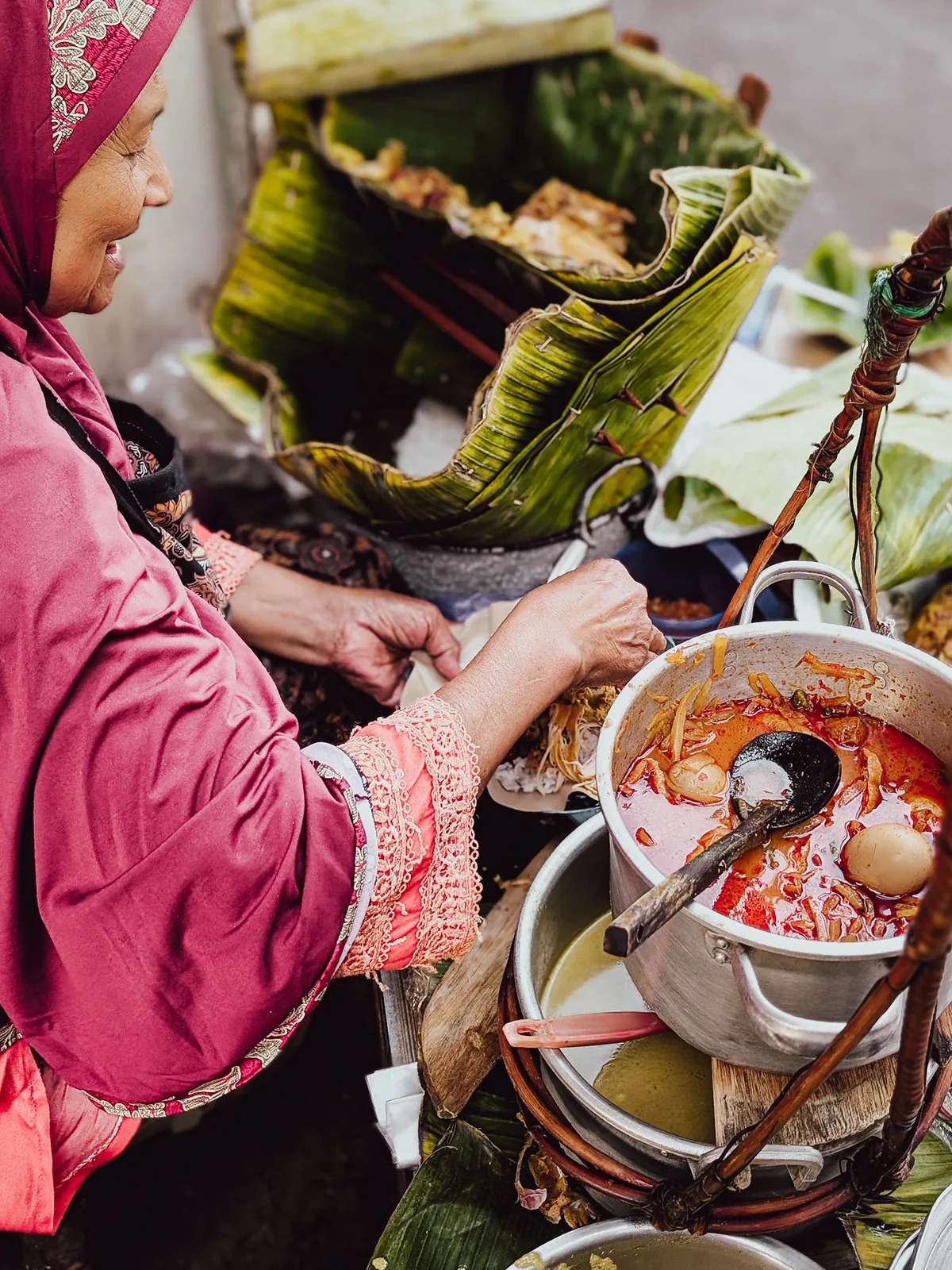
Indonesia's cuisine varies by island and region. In many familiar dishes, peanuts appear in sauces such as the one served with gado-gado and satay; soy appears in tofu, tempeh, and kecap manis; and terasi (shrimp paste) may be mixed into sambal or rice dishes.
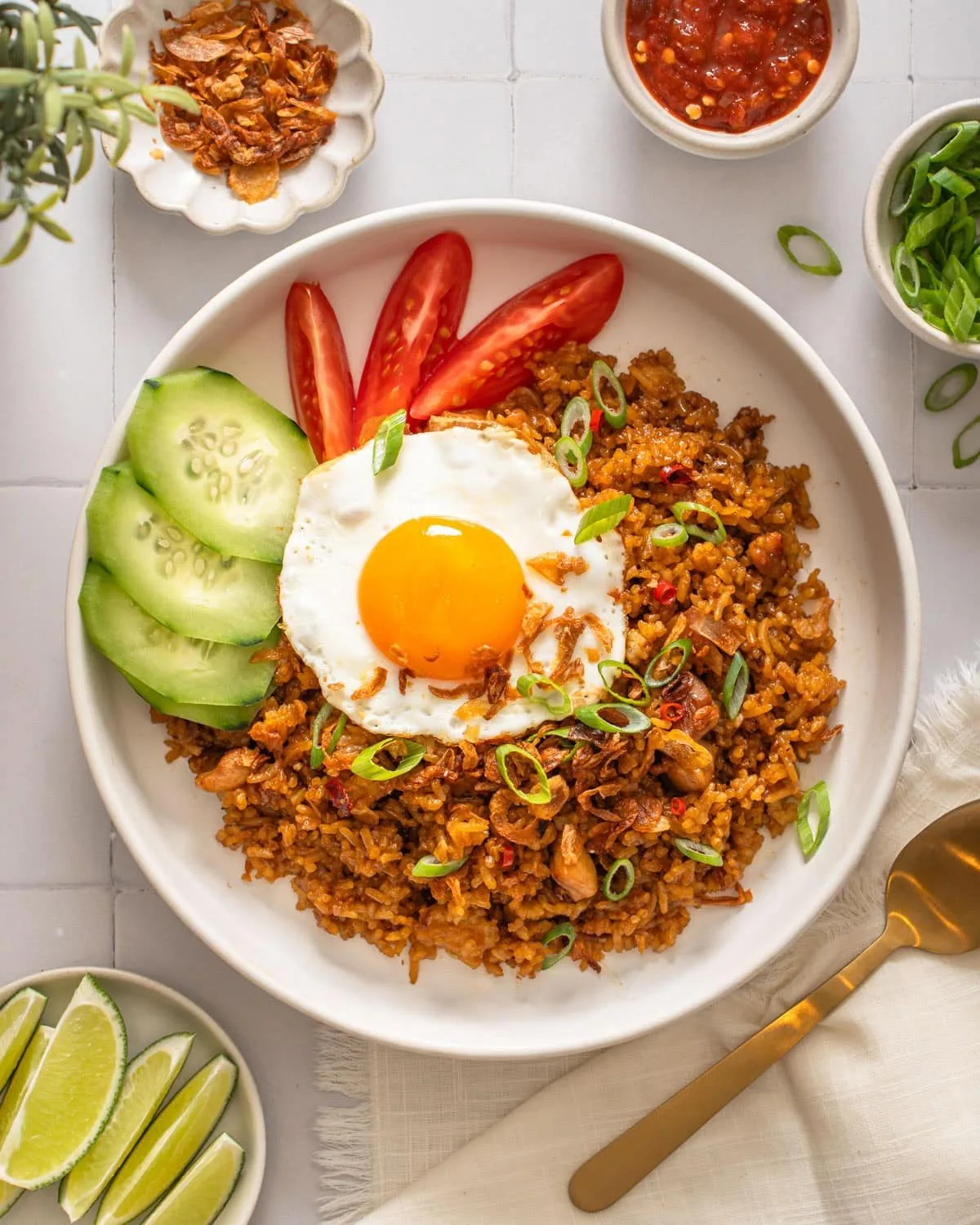
Common questions in Indonesia:
Ask about peanut sauce, terasi or other shrimp paste, soy-based sauces, and shared grills or woks.
Planning in Bali: Tourist areas such as Seminyak, Canggu, Ubud, and Kuta have more international restaurants and English-language service than many rural routes. That can make communication easier, but it is not proof that a kitchen can prevent cross-contact.
Relatively safer options:
- Plain nasi putih (steamed rice)
- Grilled fish or chicken without sauce, check for terasi in marinades
- Fresh fruit
- Warung meals you can watch being prepared
If you have a peanut allergy, ask about the sauce before ordering gado-gado or satay. If you have a shellfish allergy, ask whether sambal contains terasi.
Malaysia: three food traditions, different questions
Malaysian cuisine reflects Malay, Chinese, and Indian traditions, so the ingredient questions change with the type of food you are ordering. Malay dishes may use belacan (shrimp paste), peanuts, coconut milk, and fermented sauces. Chinese-Malaysian dishes may use soy, wheat, or shellfish. Indian-Malaysian curries can include tree nuts and dairy.
Common questions in Malaysia:
Ask which cuisine you are eating, then check belacan or shrimp paste, peanuts, soy and wheat, tree nuts, dairy, and shared equipment.
Planning in Kuala Lumpur and Penang: These cities have a wide range of restaurants and more English-language service than many rural routes. Hawker centres can still involve shared utensils, woks, and sauces, so ask at the individual stall.
Country-by-country allergy risk comparison
Hospital access: know what is near your route
Major hubs such as Bangkok, Chiang Mai, Ho Chi Minh City, Hanoi, Phnom Penh, Denpasar, and Kuala Lumpur have more hospital choice than remote trekking routes. Outside those hubs, confirm how you would reach medical care before you leave town. Medical evacuation coverage can matter when your itinerary includes islands, rural areas, or long travel between cities.
Save the local numbers before departure: Thailand 1669, Vietnam 115, Cambodia 119, Indonesia 118 or 119, and Malaysia 999. Numbers and ambulance coverage can vary by location, so confirm them again when you arrive.
Frequently asked questions
Can you backpack Southeast Asia with food allergies?
Yes, many travelers with food allergies do it. The challenge varies by country and by allergen. Thailand may involve peanut products and fermented seafood ingredients; Vietnam, Cambodia, Indonesia, and Malaysia have their own ingredient questions. Preparation, written local-language allergy cards, and honest risk assessment make the trip more manageable.
Which country in Southeast Asia is easiest for food allergy travelers?
There is no single answer. Malaysia may offer more ways to switch between Malay, Chinese, and Indian cuisines in Kuala Lumpur and Penang. Tourist areas in Bali also have more international restaurants. Those are planning advantages, not guarantees: your specific allergen, the dish, and the kitchen still matter.
What should I pack for backpacking Southeast Asia with a food allergy?
Pack prescribed emergency medication and keep it on your person, written allergy cards in each country's language, insurance details, backup snacks, and any personal medications. Keep the essentials together in one small pouch and follow medication storage instructions in hot weather.
Can people with peanut allergies eat Southeast Asian street food?
It varies by country, dish, and stall. Thailand may involve peanut garnish, sauce, paste, or cooking oil; Indonesia commonly serves peanut-based sauces; and Vietnam uses peanuts in some garnishes and sauces. Across the region, a busy shared wok, grill, or mortar can create cross-contact. If staff cannot confirm the ingredients and equipment, choose another meal.