 AllergyPass
Where to Stay in Vietnam
with Food Allergies
Vietnam's food is extraordinary and its allergy communication can be difficult. Your base changes the restaurants and packaged-food shops you can reach, how much you depend on a hotel kitchen, the time spent moving between meals, and the route you would use if you needed care.
 Vietnam
Vietnam's allergy environment: what you are working with
Vietnamese food needs recipe-level questions. Nuoc mam (fish sauce), mam tom or mam ruoc (shrimp paste), peanuts, sesame, soy, and wheat can appear in broths, sauces, marinades, garnishes, noodles, and fried foods. Ask about the particular dish and preparation at each venue; a hotel, tourist area, or international menu does not remove the need to verify ingredients and shared equipment.
The full breakdown of hidden allergens in Vietnamese food is in the Hidden Allergens in Vietnamese Food guide. For celiac travelers, the Celiac's Guide to Vietnam covers gluten specifically.
A Vietnamese-language allergy card gives a kitchen a clearer starting point, but it is not a guarantee. Ask staff to read it, confirm the recipe and preparation, and accept “we cannot accommodate this” when the answer is unclear. Build your Vietnamese food allergy card for travel before you go.
Vietnam cities: allergy traveler comparison
Ho Chi Minh City (Saigon)
Ho Chi Minh City offers a large mix of Vietnamese, international, and hotel restaurants. Districts 1 and 3 may put more options within reach, but an English menu or international style does not prove that a kitchen can answer questions about sauces, broths, shared fryers, or cross-contact. Ask for the actual dish and preparation details before ordering.
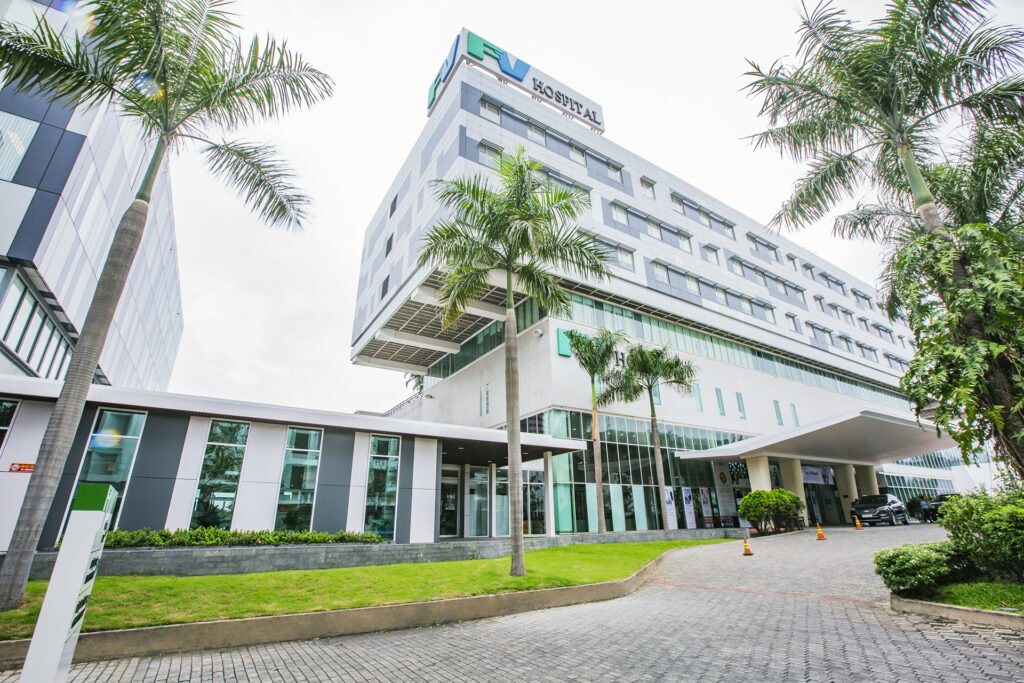
For care planning, FV Hospital (Franco-Vietnamese Hospital) in District 7 is a named planning option for Ho Chi Minh City, with a 24-hour emergency department and international insurance accepted. District 7 sits south of downtown, roughly 30 to 40 minutes from Tan Son Nhat Airport by taxi or Grab, so check the current route and travel time from your actual hotel rather than assuming a fixed trip. Confirm emergency access, international-patient information, payment arrangements, and transport directly; a hotel neighborhood is not a substitute for an emergency plan.
Packaged-food shops can help with backup meals, but stock changes and local labels need to be read carefully. Ask your hotel about a refrigerator or clean storage space, and keep another food plan for days when a shop or restaurant is closed.
Hanoi
Tay Ho and Ba Dinh have international restaurants and accommodation aimed at longer-stay and diplomatic communities, while the Old Quarter is denser, busier, and more street-food focused. None of those labels tells you whether staff understand your exact allergy. Ask whether the property has a refrigerator, a kitchen contact, and a breakfast process that can be explained in writing.
If you stay in the Old Quarter, plan around the pace of the area: you may need to watch rather than taste at busy stalls and carry a backup meal. If you stay farther west, check how much time you will spend reaching the restaurants and sights you want to visit.
For care planning, Hanoi French Hospital (Hôpital Français de Hanoi), in the Dong Da District, is a named planning option with 24-hour emergency care. Check the current route from your actual accommodation and its emergency access directly; do not rely on an old phone number or a fixed taxi estimate, and save the current emergency details offline before departure.
Hoi An
Hoi An can make a short itinerary simple to navigate because many stays, restaurants, and markets are close together. Tourist-facing venues may be familiar with dietary questions, but that does not establish a kitchen's ingredients or cross-contact controls. Use a Vietnamese-language card and ask about fish sauce, shrimp paste, peanuts, sauces, and shared utensils at each stop.
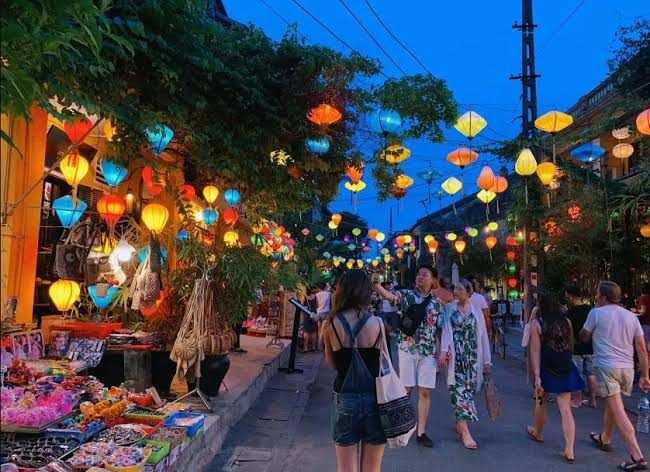
Dish names do not answer what is in the recipe. Cao lau, sauces, dumplings, and banh mi need questions about broths, peanuts, shrimp, pâté, mayonnaise, bread, and the board or knife used for preparation.
Hoi An does not have an international-standard hospital of its own. Vinmec Da Nang International Hospital, on 30/4 Street in Da Nang's Hai Chau District, is the named referral point for allergy travelers staying in Hoi An. Identify the current transport route to it before arrival, since the local care network and transport options here differ from a major city. Keep medication, a backup snack, and the accommodation address with you.
Da Nang
Da Nang's My Khe beach strip has many full-service hotels with on-site restaurants. That can give you a clear pre-arrival contact point, but kitchen practices and language support vary by property. Ask about breakfast, room service, shared equipment, storage, and what happens when the kitchen cannot verify an ingredient.
Da Nang can work as a beach base if you prefer a planned hotel-and-restaurant routine. Vinmec Da Nang International Hospital, on 30/4 Street in the Hai Chau District, is the named planning option here, with 24-hour emergency care. Check the current food shops, care options, and transport route from the actual hotel before arrival rather than assuming the beach corridor solves those questions.
What to ask before booking a Vietnam hotel
Send your exact allergens in writing and ask for a reply from the property. Confirm:
- Whether breakfast is buffet, made to order, or supplied by another kitchen.
- Whether your room has a refrigerator, microwave, or a clean place to store backup food.
- How the property handles fish sauce, shrimp paste, peanuts, sauces, shared fryers, and buffet utensils.
- Whether the request is passed from reservations to breakfast, room service, housekeeping, and restaurant staff.
- What happens if the kitchen cannot verify an ingredient; removing a visible garnish is not a full cross-contact answer.
Frequently asked questions
How should I choose a Vietnam city with a food allergy?
Compare the city by your actual routine: the restaurants and packaged-food shops you can reach, the kitchen and storage options at your accommodation, the amount of travel between meals, and the emergency route you would use. Ho Chi Minh City and Hanoi offer many urban options to screen; Hoi An and Da Nang can suit a smaller or beach-focused itinerary but need more advance planning; rural stays require a larger backup-food and transport plan.
How should I plan emergency care from a Vietnam hotel?
Identify the current emergency route from your actual accommodation, check the facility's emergency and international-patient information, and save the address and local emergency details offline. For a life-threatening reaction, use your prescribed emergency medication and call emergency services first. Do not delay care while a hotel or tour operator tries to find a particular facility. Vietnam's current emergency travel guidance lists local contacts to verify before departure.
Do Vietnamese hotels accommodate food allergies?
Some full-service hotels can discuss a detailed request before arrival, but practices vary and no kitchen should be assumed to prevent allergens or cross-contact. Email your exact allergens, ask about breakfast, room service, storage, shared equipment, and staff handover, and confirm the plan again on arrival. A Vietnamese-language allergy card remains important outside the hotel and for every meal.

This article is for informational and travel preparation purposes only and does not constitute medical advice. Always consult a qualified healthcare professional before traveling with a food allergy, and carry any prescribed emergency medication at all times. See our full medical disclaimer.