 AllergyPass
Where to Stay in Tokyo
with Food Allergies
Tokyo gives you useful information on many packaged foods, but restaurant meals still need direct questions. Your neighborhood changes how easy it is to find packaged backups, reach the restaurants you have checked, communicate with a hotel kitchen, and get across the city if plans change.
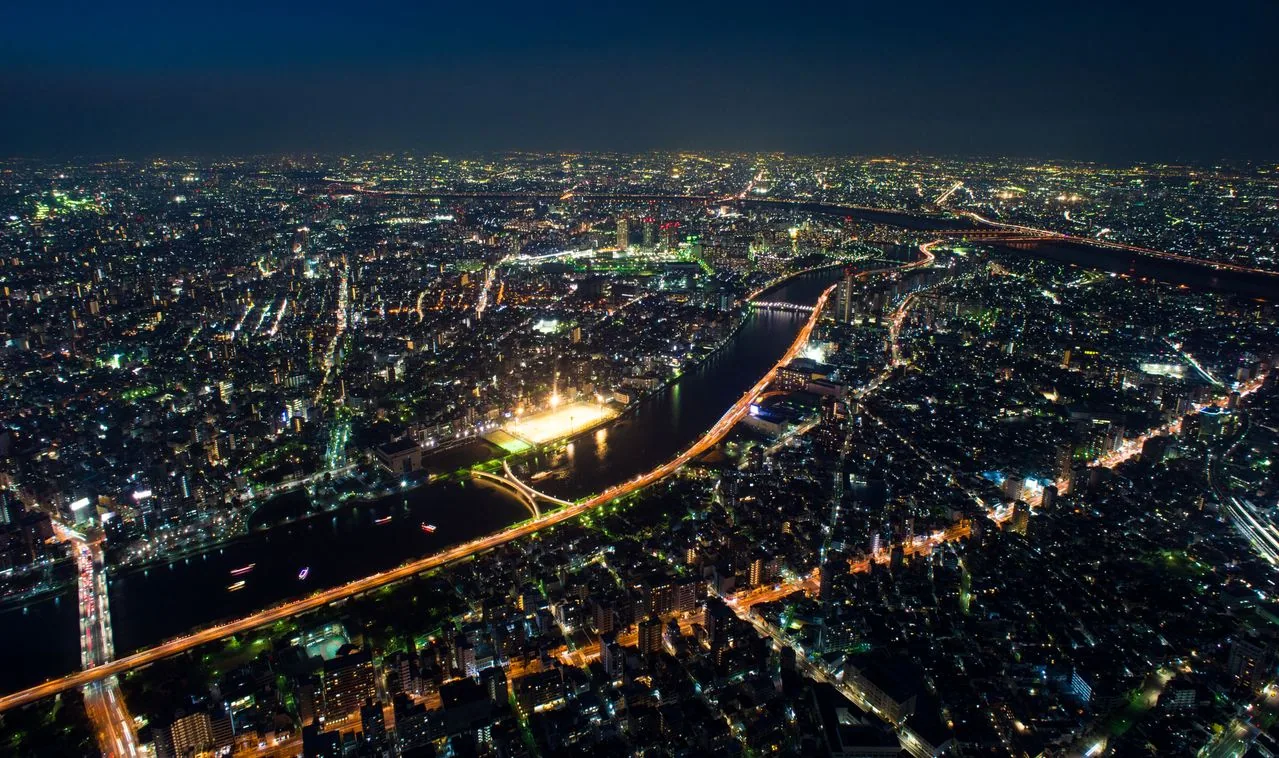 Tokyo, Japan
Tokyo's allergy environment: the labeling advantage and the dashi problem
Japan has a formal allergen-labeling system for covered packaged foods, but the categories and guidance are updated over time. The Consumer Affairs Agency's current guidance explains which ingredients require labeling and which are recommended, and notes that restaurant food, bakery displays, and other foods sold outside the covered packaged-food system need separate questions. Read the current Consumer Affairs Agency food-labeling guidance before relying on a package.
The restaurant environment is where the complexity begins. Dashi is a stock commonly made from kombu (kelp) and katsuobushi (dried bonito fish flakes), but recipes vary. It may appear in miso soup, ramen broth, udon, soba dipping sauces, and simmered dishes. If you have a fish allergy, ask whether the stock, sauce, or seasoning contains bonito, sardine, mackerel, or another fish before ordering.
Soy sauce often contains wheat, and both soy and wheat can appear in sauces, marinades, noodles, fried foods, and packaged seasonings. The full ingredient breakdown is in the Food Allergies in Japan guide.
A well-written Japanese-language allergy card gives staff a clear starting point, but it is not a guarantee. Ask the restaurant to read it, confirm the ingredients and preparation, and accept “we cannot accommodate this” when that is the answer.
Depachika and supermarkets: useful packaged-food backups
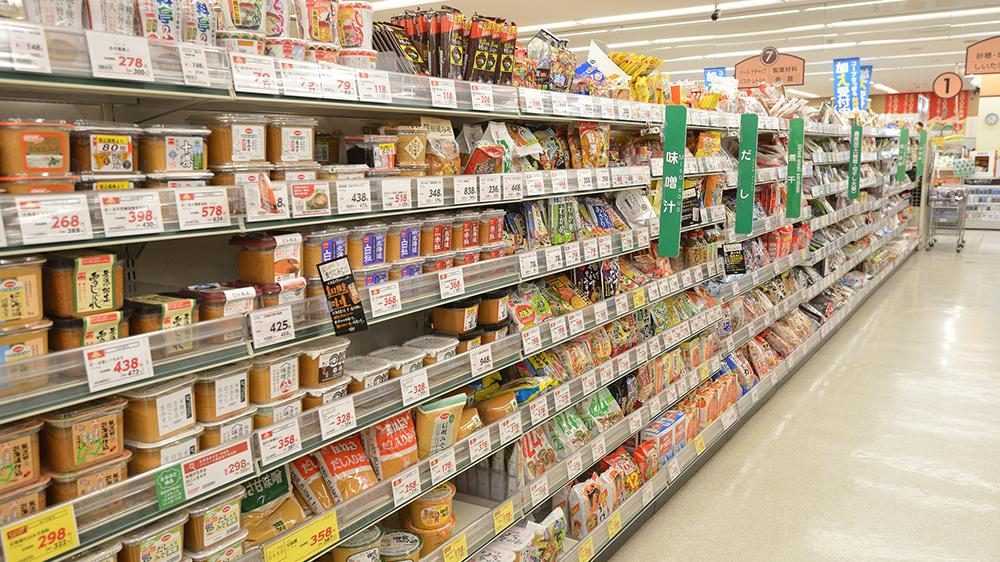
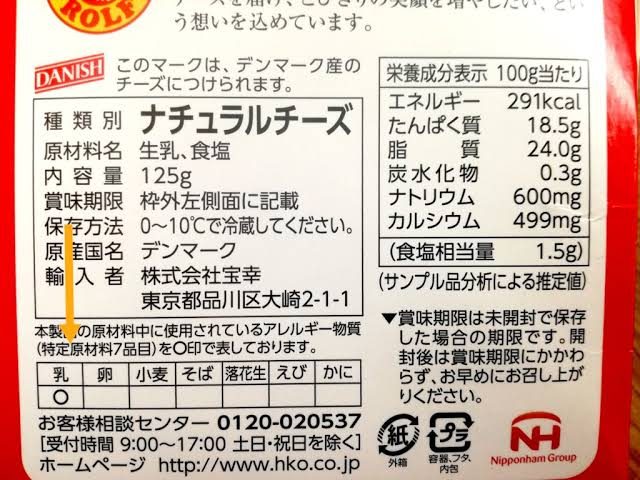
Department-store basements (depachika) and supermarkets can be useful places to look for packaged food, especially when you need a backup meal. Do not assume that every prepared or unpackaged item carries the same information as a sealed product, and do not confuse a label with a restaurant cross-contact check.

Examples include department stores around Shinjuku, Shibuya, Ginza, and Nihonbashi. Store hours, tenants, stock, and labeling details can change, so check the current store information and keep another backup plan for days when a food hall is closed or a product is unavailable.
Tokyo neighborhoods: allergy traveler breakdown
Shinjuku
Shinjuku is a large transit hub with many hotels, department stores, and restaurant types within reach. Isetan Shinjuku and Takashimaya Times Square are useful places to check for packaged food, but current tenants, stock, and opening hours should be verified before you depend on them.
The restaurant environment spans dashi-heavy izakayas, international restaurants, and busy food courts. Ask about stock, soy sauce, wheat, sesame, shared fryers, and preparation surfaces rather than using the neighborhood or menu language as a shortcut.
For care planning, identify the current emergency route from your actual hotel and check the facility's instructions directly. A transit hub may make the city easier to cross, but fixed travel times are not dependable in an emergency.
Shibuya
Shibuya has department-store food halls and a broad mix of international, fusion, and Japanese restaurants. Shibuya Hikarie and Tokyu Food Show can be useful for packaged-food backups, but check whether a particular item is sealed and labeled. Around Daikanyama and Ebisu, ask each kitchen about sauces, oils, granola, desserts, and shared equipment.
The area is busy and route changes can take time. If you stay here, save the address and emergency route for your hotel, and do not assume a short-looking taxi or train trip will remain short at every hour.
Ginza / Marunouchi / Nihonbashi
Ginza, Marunouchi, and Nihonbashi offer central hotels, department stores, and a restaurant mix that ranges from formal Japanese dining to international venues. Full-service hotels may have a clearer pre-arrival contact path, but ask how requests move from reservations to breakfast, room service, and the kitchen; a higher room rate is not proof of suitable food handling.
Department-store basements can help with packaged-food planning. At restaurants, formal service may give you more time to ask questions, but dashi, soy, wheat, sesame, and shared preparation still need to be checked dish by dish.
St. Luke's International Hospital, in Chuo-ku near Ginza and Tsukiji, is Tokyo's most internationally recognized facility for foreign patients, with English-speaking staff and 24-hour emergency care. Confirm its current emergency access and contact details from your exact hotel before relying on it.
Asakusa
Asakusa offers a traditional setting with many dishes built around Japanese stocks, soy sauce, noodles, and fried foods. English menus do not answer whether tempura oil, soba dipping sauce, dashi, or a shared fryer contains your allergen. A Japanese allergy card and a patient kitchen conversation matter here.
Major department-store food halls are farther away, so compare the value of a nearby supermarket, hotel refrigerator, and backup snacks before booking. Identify your care route from the actual property rather than relying on a city-wide estimate.
What to ask before booking a Tokyo hotel
Send your exact allergens in writing and ask for a reply from the property, not only a booking platform. Confirm:
- Whether breakfast is buffet, made to order, or supplied by another kitchen.
- Whether the room has a refrigerator, microwave, or other food-storage and preparation options.
- How the property handles sauces, bakery items, room service, and shared serving utensils.
- Whether your request will be passed to the breakfast, restaurant, housekeeping, and evening teams.
- What the property can do if it cannot verify a meal; “we can remove the garnish” is not a full cross-contact answer.
Frequently asked questions
How should I choose a Tokyo neighborhood with a food allergy?
Choose based on the food routine you expect to use, not a neighborhood ranking. Compare nearby depachika or supermarkets, the kinds of restaurants you can question, your hotel's breakfast and storage setup, station access, and your planned route to care. Shinjuku and Shibuya offer many transport and dining choices; Ginza, Marunouchi, and Nihonbashi may suit travelers who want a central, hotel-centered stay; Asakusa offers a more traditional setting but may require more planning for packaged-food backups.
What does Japanese packaged-food allergen labeling cover?
Japan's required allergen labeling applies to covered packaged foods, not automatically to restaurant meals, bakery displays, or every food sold loose. The list and guidance can change, and allergens outside the required categories may not appear on a package. Read the current Consumer Affairs Agency guidance and still ask restaurants about dashi, sauces, and cross-contact.
How should I plan emergency care from a Tokyo hotel?
Before travel, identify the emergency route from your actual hotel, check the facility's current emergency and international-patient information, and save the relevant contact details offline. For a life-threatening reaction, use your prescribed emergency medication and call emergency services first. A hotel location can make transport easier, but it is not a substitute for an emergency plan or confirmation that a facility can provide the care you need.

This article is for informational and travel preparation purposes only and does not constitute medical advice. Always consult a qualified healthcare professional before traveling with a food allergy, and carry any prescribed emergency medication at all times. See our full medical disclaimer.