 AllergyPass
Food Experiences in Japan
with Food Allergies
Japan offers memorable food experiences, but dashi, soy sauce, seafood, sauces, and shared equipment can be easy to miss. This guide focuses on the questions to ask before booking a tour, class, market visit, or tasting, and when to decline a sample.
 Japan
Japan
The dashi problem: why it affects every experience
Dashi is the stock base of Japanese cuisine. The most common form is ichiban dashi, made from katsuobushi (dried bonito tuna flakes) and kombu (dried kelp). It is used in miso soup, ramen broth, udon broth, soba broth, hot pot (nabe), chawanmushi (steamed egg custard), many dipping sauces, and the rice seasoning used in sushi. It is not a discrete dish component you can request be omitted from a plate: it is in the cooking liquid, the seasoning, and often the preparation of rice itself.
For travelers with fish allergy, ask whether the stock is made with bonito, other fish, shellfish, kombu alone, or vegetables. A class may be able to change the stock, but only the instructor can confirm that the substitute is used in every dish, sauce, and garnish. Do not treat “vegetarian” or “no fish on the plate” as proof that the cooking liquid is fish-free.
Soy sauce (shoyu) is the second structural allergen. It is used as a seasoning, a dipping sauce base, a marinade, and a finishing element across Japanese cooking. Tamari is a gluten-free alternative, but it is still soy. For soy allergy, Japanese food experiences require specific pre-booking confirmation that the operator or instructor can cook without soy sauce.
Japanese cooking classes with food allergies
Cooking classes can give you a clearer menu and a chance to discuss substitutions before the class, but you do not automatically control the kitchen. You may be sharing knives, boards, pans, counters, oil, and ingredients with other students. Ask the school what it can separate, what it cannot change, and whether you can observe without tasting if the setup is not suitable.
What to ask before booking
- Can you substitute ichiban dashi with konbu dashi or vegetable stock for fish allergy?
- Can you remove soy sauce from all recipes if I have a soy allergy?
- Is the class in a shared kitchen where other students may be preparing dishes with my allergen?
- Can you send me the full ingredient list before the class date?
- Can I see the class menu in advance and flag any specific components?
Operators who can answer these specifically are distinguishable from those who give generic reassurances. Request written confirmation of any substitution commitment before paying.
Class formats by allergen suitability
Food tours in Tokyo, Kyoto, and Osaka
Tokyo
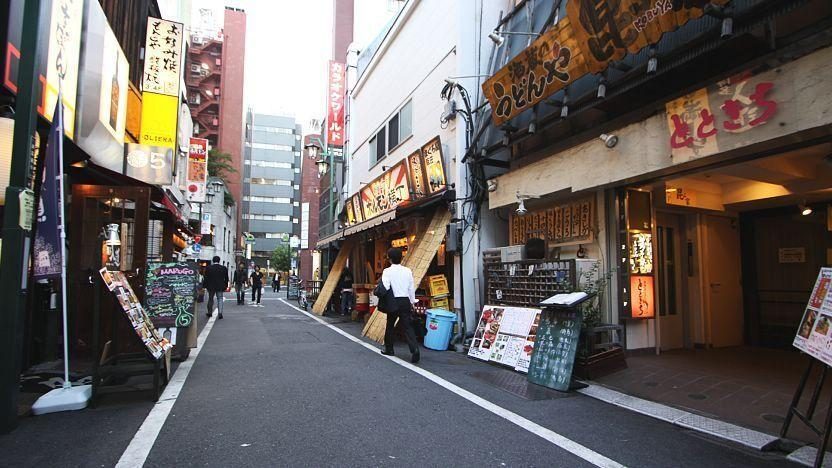
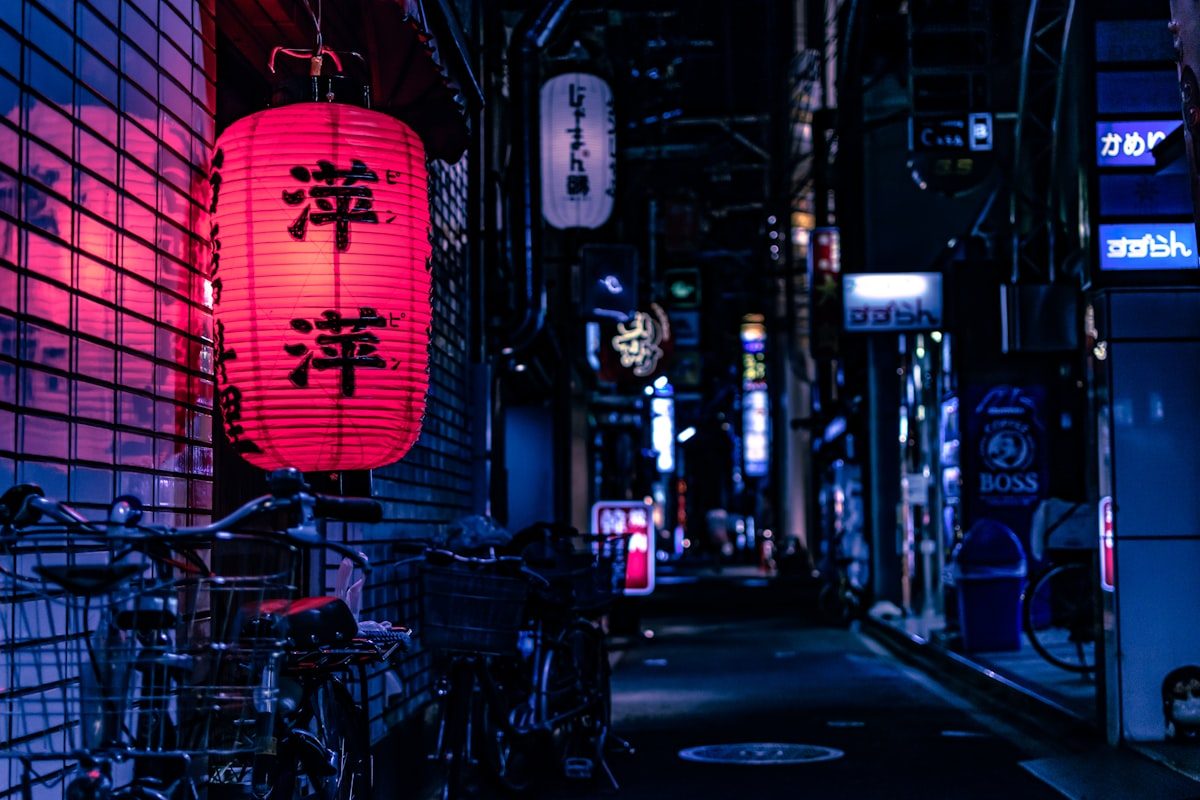
Tokyo has many tour formats, but an operator's size or location does not prove that it can handle an allergy. Ask for the exact route and stop list. If the tour includes izakayas, ramen shops, sushi counters, or market stalls, confirm what each venue can explain and whether a stop can be skipped without pressure.
Depachika (department-store food halls) mix packaged goods, open counters, bakeries, deli foods, and prepared items. Packaged labels may give you useful information; open foods still require questions about recipes, tongs, counters, and shared preparation. The variety can make them useful for browsing or finding a packaged backup, but do not assume every stall can answer an allergy question.
Kyoto
Kyoto food tours often include Nishiki Market, Gion, or a kaiseki meal. Nishiki is a browsing experience with individual vendors, so ask each stall about the exact item rather than relying on the market name. Kaiseki is a multi-course meal with many small components; if you want to try it with fish, soy, or shellfish allergies, contact the specific restaurant well in advance and ask whether it can explain and control every course. The restaurant may still say no.
Shojin ryori is plant-based temple cuisine, but “vegetarian” does not answer every allergy question. Ask about dashi, soy, sesame, wheat, nuts, pickles, dessert, and shared preparation. It may suit a particular allergy profile, but only the individual temple or restaurant can confirm the menu.
Osaka
Osaka's food culture is built around street food: takoyaki (octopus balls), okonomiyaki (savory pancake), kushikatsu (deep-fried skewers), and ramen. Dotonbori and Kuromon Ichiba Market are common food-experience areas. Ask about the exact seafood and toppings in takoyaki and okonomiyaki, plus bonito flakes, sauces, batter, and shared cooking surfaces. Kushikatsu batter often includes wheat and egg, and the fryer may be shared across skewers.
For an Osaka tour, ask the guide to identify the batter, stock, sauce, oil, and shared-surface questions at each stop. A plain-looking yakitori skewer may still be brushed with sauce, and a dumpling or noodle shop may use a shared pot or board. If the guide cannot get a clear answer, it is reasonable to watch, choose a packaged item, or move on.
Build a Japanese-language allergy card to show cooking class instructors and food tour guides at each stop
Build My Japan CardMarket experiences with food allergies
Tsukiji Outer Market (Tokyo)
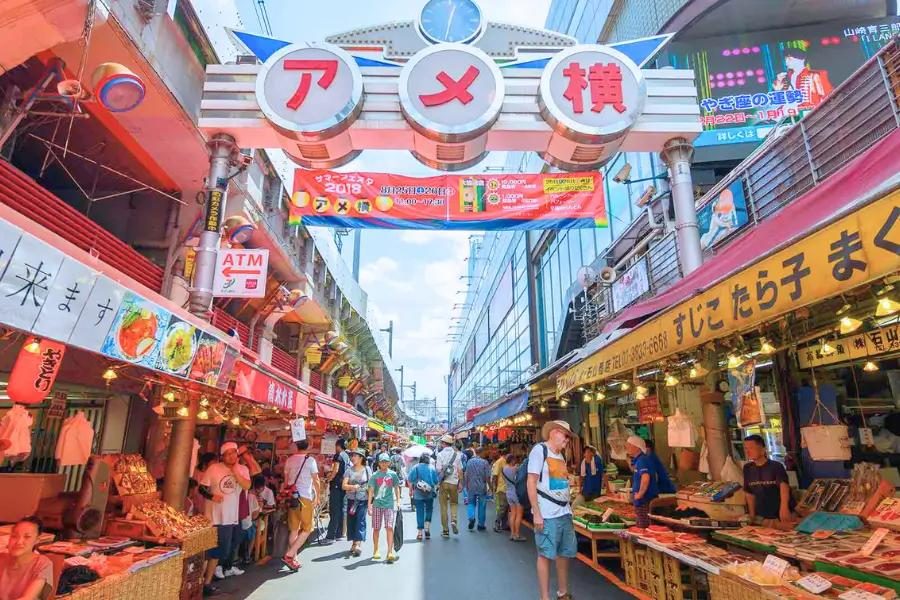
Tsukiji Outer Market has many seafood stalls, dried fish products, roe, shellfish, grills, sauces, and prepared foods. A fish or shellfish allergy can therefore make spontaneous tasting difficult to verify. You can visit for the atmosphere, but ask each vendor about the exact item, shared grills, oil, utensils, and nearby preparation. If the answer is vague, do not taste it.
If you do not have a fish or shellfish allergy, the market still deserves item-by-item checks for other allergens: sushi may involve soy and sesame, tamagoyaki may involve egg and stock, and pickles or sweets may contain unexpected seasonings. Opening times and individual stall offerings change, so check the market's current information before going.
Nishiki Market (Kyoto)
Nishiki mixes pickled vegetables, tofu, dried goods, street food, sweets, and kitchenware. Browse first, then ask vendor by vendor about the exact item, dashi, soy, sesame, wheat, nuts, shared tongs, and preparation surfaces. A vegetable-looking item can still be seasoned or cooked with an ingredient you need to avoid.
Kuromon Ichiba Market (Osaka)
Kuromon combines produce, seafood, and cooked-food stalls. Fresh produce is not automatically a ready-to-eat option: ask about cutting boards, knives, sauces, and tasting samples. For cooked food, screen the exact recipe and shared grill or fryer before deciding.
Sake tasting and other beverage experiences
Plain sake is made from rice, water, koji, and yeast, but a tasting usually includes more than the drink: snacks, marinades, pickles, shared cups, and flavored products may have separate ingredients. Ask what is being served alongside it and how glasses are washed. If you have celiac disease or wheat allergy, check the specific product and the brewery's handling rather than assuming that every drink in a tasting is equivalent.
Matcha itself is tea whisked with water; the wagashi served alongside needs its own ingredient check. Ask whether you can decline the sweet, whether it is packaged or made on site, and whether serving tools are shared.
A whisky visit may be mainly a tour, a tasting, or a meal with snacks. Check the exact drinks, snacks, and glassware. If you have celiac disease or wheat allergy, get advice appropriate to your condition and check the specific product rather than relying on a general statement about distilled spirits.
How to screen operators before booking
Questions that distinguish operators who can accommodate allergies from those who say yes without understanding what that means:
- Can I speak with the guide or instructor directly before booking to explain my allergy?
- Can you send me the full ingredient list for every dish or recipe used in the experience?
- For cooking classes: can you substitute dashi with konbu or vegetable stock? Can you remove soy sauce from all preparations?
- For food tours: can you pre-brief each venue about my allergy before we arrive, and modify or skip stops that cannot accommodate it?
- Which knives, boards, pans, counters, fryers, serving tools, and glasses are shared with my allergens?
- What happens if a venue cannot answer clearly—can I skip that stop without losing the whole experience?
A friendly “yes” is not enough. Ask for the exact change, how it will be kept separate, and who will confirm it at the venue. An operator who tells you what cannot be changed is giving you useful information; you can then decide whether to skip that tasting or choose a different experience.
Carry a Japanese-language allergy card. Show it to cooking class instructors and food tour guides at each stop. Covers dashi (fish stock), soy sauce, and all your specific allergens in Japanese script.
Build My Japan CardFrequently asked questions
Can you do a food tour in Japan with a food allergy?
Yes, if the operator can explain the menu and coordinate each stop before you book. Ask about dashi, soy sauce, wheat, sesame, seafood, sauces, tasting snacks, and shared equipment. A private or small-group tour may allow more discussion, but the format alone is not a guarantee. Be ready to skip a stop when the answer is unclear.
Can I do a Japanese cooking class with a soy allergy?
It may be possible, but tamari is not soy-free. Ask whether soy sauce, miso, tofu, soybean oil, and prepared sauces appear in the menu, and whether separate utensils and work areas can be used. Get the answer in writing before paying; if the class cannot control shared ingredients or equipment, consider observing rather than tasting.
How should I approach Tsukiji Outer Market with a fish allergy?
You can visit to browse, but eating there requires vendor-by-vendor screening. Ask about the exact item, stock, sauces, shared grills, oil, utensils, and nearby preparation. If the vendor cannot answer clearly, skip the tasting.
Which Japan food experiences may be easier to screen?
No format is automatically suitable. Wagashi and tea experiences may have shorter ingredient lists, while ramen, sushi, market, and izakaya experiences often require detailed questions about broth, sauces, seafood, and shared surfaces. Plain sake is made from rice, but tasting snacks and flavored drinks need their own checks. Choose an experience only after the operator explains what it can control.
How do I tell a Japanese cooking class about my food allergy?
Email before booking, state each allergen plainly, and send a Japanese-language card if you have one. Ask for the full menu and ingredient list, including dashi, sauces, oils, garnishes, tasting snacks, and shared tools. Request written confirmation, then bring the same card and reconfirm at check-in.
This article is for informational and travel preparation purposes only and does not constitute medical advice. Always consult a qualified healthcare professional before traveling with a food allergy, and carry any prescribed emergency medication at all times. See our full medical disclaimer.