 AllergyPass
Food Allergies in Cambodia:
Prahok, Peanuts, and Eating Safely
Cambodian food varies by region, dish, and kitchen. If you avoid fish, start with prahok: a fermented fish paste that may be mixed into soups, sauces, and seasoning bases. This guide gives you the questions to ask, Khmer phrases to show, and emergency details to save before you go.
 Cambodia
Build your Khmer-language allergy card before you land. It is the most reliable communication tool you can bring to Cambodia.
Build My Cambodia Allergy CardIn this guide
Prahok: the ingredient most travelers don't know about
Prahok is a fermented fish paste made from salted and fermented freshwater fish. It may be used in soups, stews, dipping sauces, and seasoning bases. Because it can be mixed into a dish before serving, ask about prahok directly rather than looking for visible fish.
A chicken or beef dish can still contain fish-based seasoning. Ask whether the broth, marinade, dipping sauce, or paste contains prahok, fish sauce, dried shrimp, or shrimp paste. If the vendor cannot explain the prepared base, choose another meal.
Cambodia: questions to plan for
- Fish or shellfish: Ask about prahok, fish sauce, dried shrimp, shrimp paste, broth, and seasoning bases.
- Peanut: Check garnishes, sauces, salads, noodle dishes, oil, and shared utensils.
- Soy: Ask about soy sauce, tofu, marinades, and seasoning mixes.
- Wheat or celiac disease: Check soy sauce, baguette-style bread, batters, noodles, sauces, and shared fryers even when rice is the main starch.
- Dairy or tree nuts: Ask about the specific recipe, desserts, drinks, coconut, cashews, and any butter or milk.
Hidden allergens in Khmer food
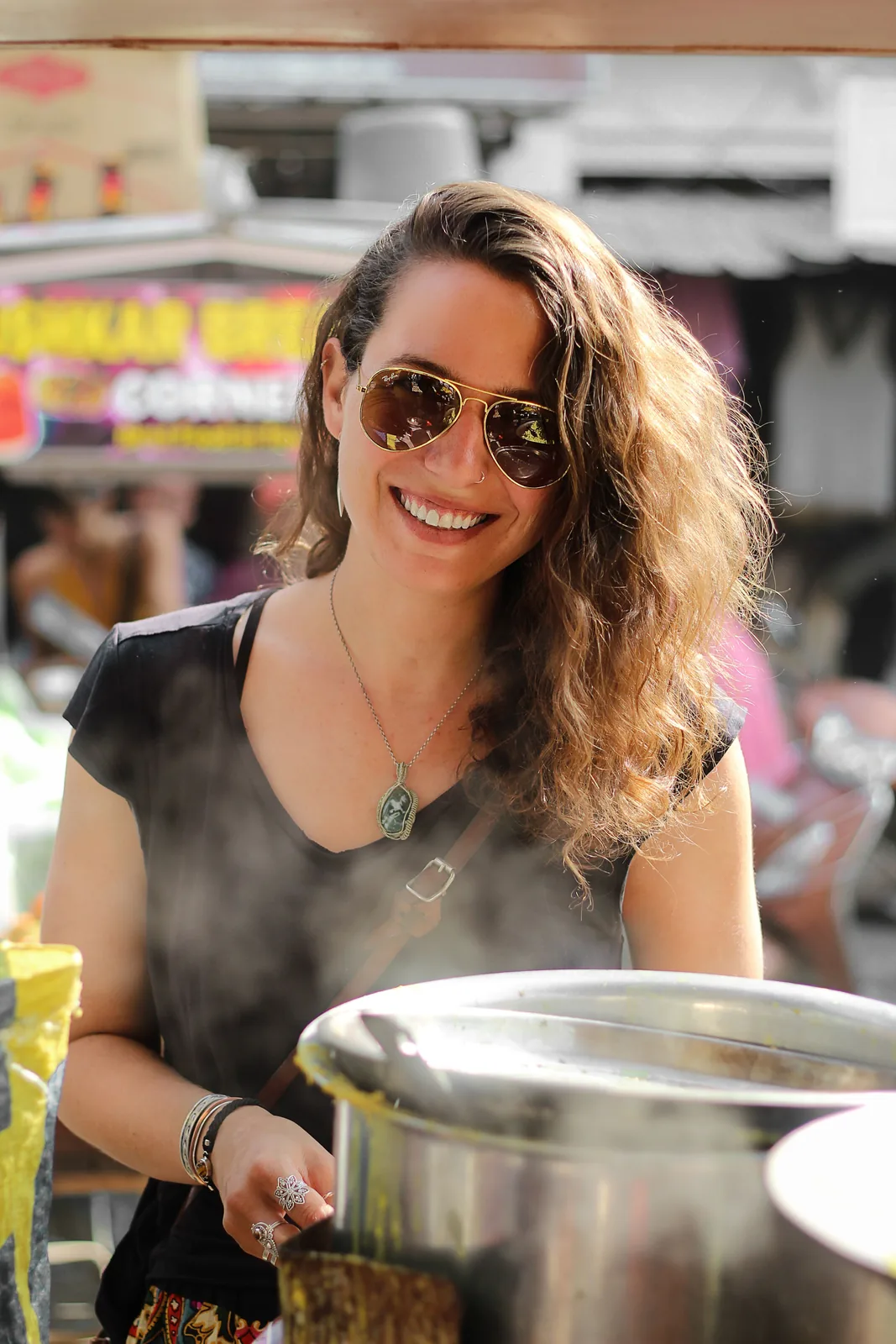
Prahok (ប្រហុក)
Fermented freshwater fish paste. Used in soups (samlor korko, samlor machu), dipping sauces, and as a cooking base. Present in many traditional preparations. Khmer term: ប្រហុក (prahok). The written card term to show: មិនញ៉ាំបង្គា ត្រី ឬប្រហុក (no shrimp, fish, or prahok).
Other fermented seafood condiments
Beyond prahok, Cambodian cooking uses several other fermented seafood condiments. Pla ra (similar to prahok but liquid) appears in some dishes. Kapi (shrimp paste) appears in some recipes. Dried shrimp appears in soups and some stir-fries. These are less universally present than prahok but worth knowing about for travelers with severe fish or shellfish allergies.
Peanuts (សណ្ដែកដី)
Peanuts appear as a garnish in some Cambodian salads (notably Khmer green papaya salad) and in some noodle dishes. Peanut sauce is less structurally central in Cambodia than in Thailand or Indonesia: it is not the default condiment placed on the table. However, cross-contamination risk exists at stalls that serve peanut-containing dishes alongside other food. Khmer term: សណ្ដែកដី (sandaek dei). The same word also means groundnut.
Soy sauce (ទឹកស៊ីអ៊ីវ)
Soy sauce is used in Cambodian stir-fries and some marinades. It contains wheat, making it relevant for both soy allergy and celiac travelers. Khmer term: ទឹកស៊ីអ៊ីវ (tuk si-ew).
Wheat
Traditional Cambodian cuisine is rice-based and naturally low in wheat. The main wheat sources are soy sauce and the French baguette influence in street food (nom pang, the Cambodian equivalent of banh mi, is a wheat-flour bread). This French colonial legacy means baguette sandwiches are a common street food option in both Phnom Penh and Siem Reap.
Dishes that need extra questions
Options that may be easier to assess
These examples may be easier starting points when the vendor can explain the ingredients and preparation. They are not guarantees; show your written card before ordering.
Key Khmer phrases for allergy communication
English is reasonably understood in tourist-facing restaurants in Phnom Penh and Siem Reap. In local restaurants and at street stalls, Khmer is more reliable. Show your written card rather than attempting to speak these phrases, as tone and pronunciation matter significantly in Khmer.
For every allergen term, not just the phrases below, see the full Khmer food allergy phrasebook.
Phnom Penh vs. Siem Reap for allergy travelers
Phnom Penh and Siem Reap offer different planning conditions from smaller towns. Compare the specific neighborhood, accommodation, meal routine, transport, and access-to-care options for your itinerary.
Phnom Penh has a broad mix of local, international, and hotel restaurants. If communication or emergency access is important to your plan, check the current menu, language, address, and medical options around the accommodation you are considering.
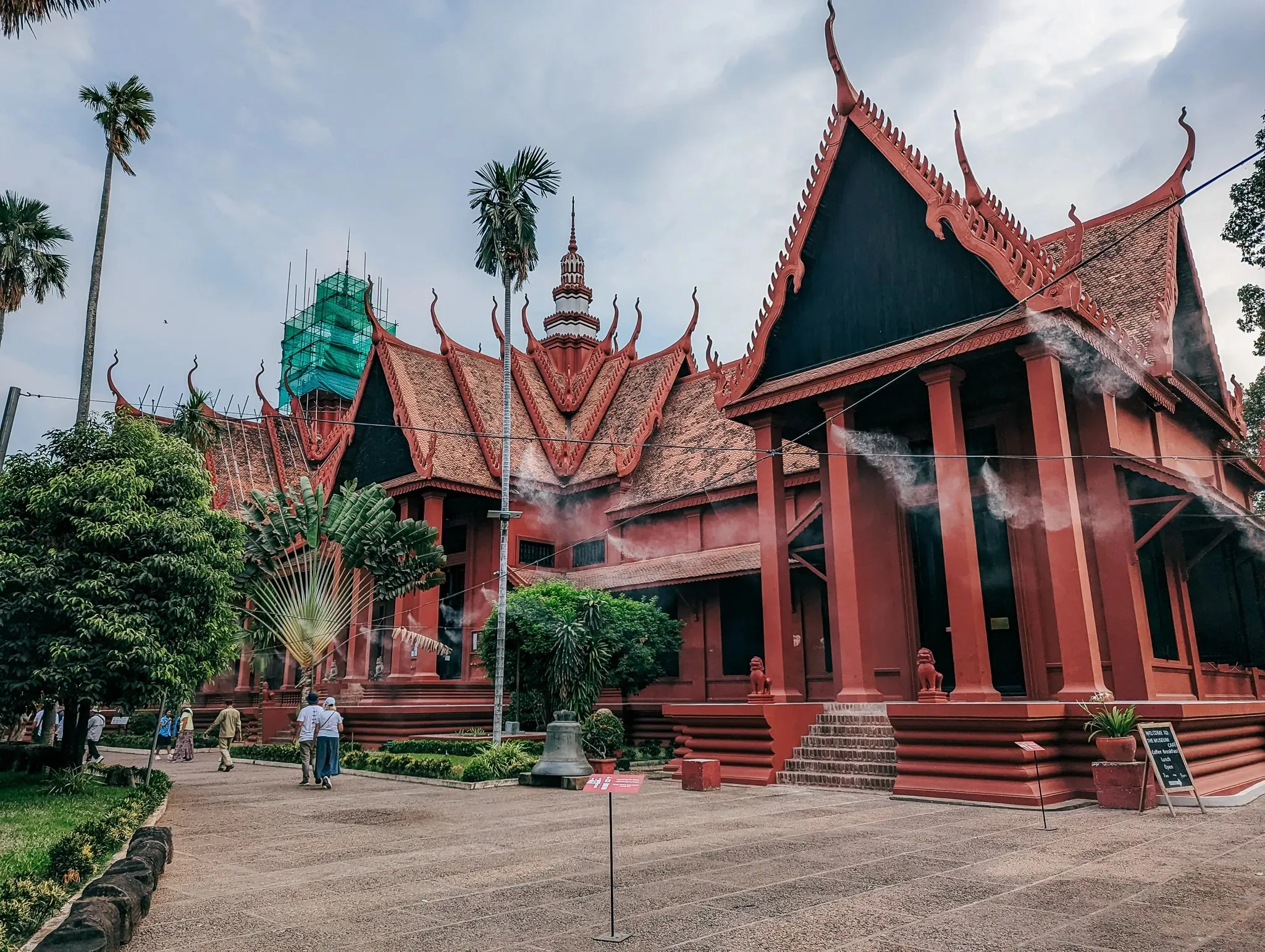
Siem Reap has many visitor-oriented restaurants, but that does not establish that a kitchen can prevent cross-contact. Contact the venue in advance, show the card before ordering, and ask who will prepare the food.

Rural Cambodia and Angkor temple complex: Food options and communication may be more limited away from city centers. Bring food you know you can eat, carry your medication, and plan transport and emergency contacts before a full-day excursion.
Where allergy communication works best in Cambodia
International and fusion restaurants may have more ways to communicate, but ask whether the kitchen can handle your specific allergy and cross-contact concerns. English menus are not ingredient or kitchen guarantees.
Hotel restaurants can be worth contacting before arrival. Ask for the card to reach the kitchen and request a clear answer about recipes, sauces, equipment, and whether the venue can decline a meal it cannot verify.
Local Khmer restaurants can be manageable with a written card, but depend heavily on the individual staff member. Show your card before the staff member takes your order, not after.
Street stalls may be difficult to assess when the broth, paste, oil, utensils, or garnish containers are shared. Removing a visible garnish is not enough if the preparation is unclear; walk away when the vendor cannot answer the important questions.
Emergency information for Cambodia
Do not delay emergency care while comparing hospitals. Before departure, check the current medical options near each accommodation, save the address offline, and read your insurance wording for emergency treatment, assistance, pre-existing conditions, and evacuation. Medical capacity and language support vary by location.
Sources and current-contact notes
Recheck emergency information shortly before departure; numbers and local arrangements can change.
- UK Foreign, Commonwealth & Development Office: getting help in Cambodia: current police, fire, and ambulance numbers.
- UK Foreign, Commonwealth & Development Office: health advice for Cambodia: ambulance and insurance-planning guidance.
Immediate protocol, biphasic reactions, hospital communication, and what to do in the first 30 minutes.
InsuranceEvacuation coverage, anaphylaxis treatment, and what to verify before you buy.
Travel insurance covering anaphylaxis treatment and evacuation. Essential for Cambodia, particularly outside Phnom Penh and Siem Reap.
Get SafetyWing InsuranceFrequently asked questions
How can I plan a Cambodia trip with a food allergy?
Start with a Khmer-language allergy card that names the ingredients you avoid, including prahok if you avoid fish. Ask about the broth, seasoning paste, sauce, garnish, oil, and shared equipment rather than relying on a dish name. Carry prescribed medication, save 119 for an ambulance, and plan where you would seek care from each accommodation.
What is prahok and why is it a problem for allergy travelers?
Prahok is a fermented fish paste used in some Cambodian soups, stews, dipping sauces, and seasoning bases. It may be mixed into a dish before serving, so ask about prahok and other fish-based ingredients directly if you have a fish allergy. Recipes vary by dish and kitchen; a vendor's answer should cover the actual preparation.
What should I check before ordering Cambodian food?
Ask whether the dish contains prahok, fish sauce, dried shrimp, shrimp paste, peanuts, soy sauce, or wheat, and ask how the wok, grill, oil, utensils, and garnish containers are shared. Grilled meat, plain rice, or fruit may be useful starting points only when the ingredients and preparation are confirmed. A written Khmer-language card helps the request reach the person preparing the food.
Is English spoken at Cambodian restaurants?
In tourist-facing restaurants in Phnom Penh and Siem Reap, English is generally understood. At local restaurants and street stalls, English comprehension is variable. A written Khmer-language allergy card is more reliable than verbal English requests in any environment outside the most tourist-oriented restaurants.
This article is for informational and travel preparation purposes only and does not constitute medical advice. Always consult a qualified healthcare professional before traveling with a food allergy, and carry any prescribed emergency medication at all times. See our full medical disclaimer.