 AllergyPass
Indonesia and Bali Food Allergy
Travel Planning Hub
If you have a peanut allergy in Indonesia, start with the language: kacang tanah means peanuts specifically, while kacang is broader. From there, this hub covers the ingredients to ask about, the Bali guides to open, and the emergency details to save before you go.
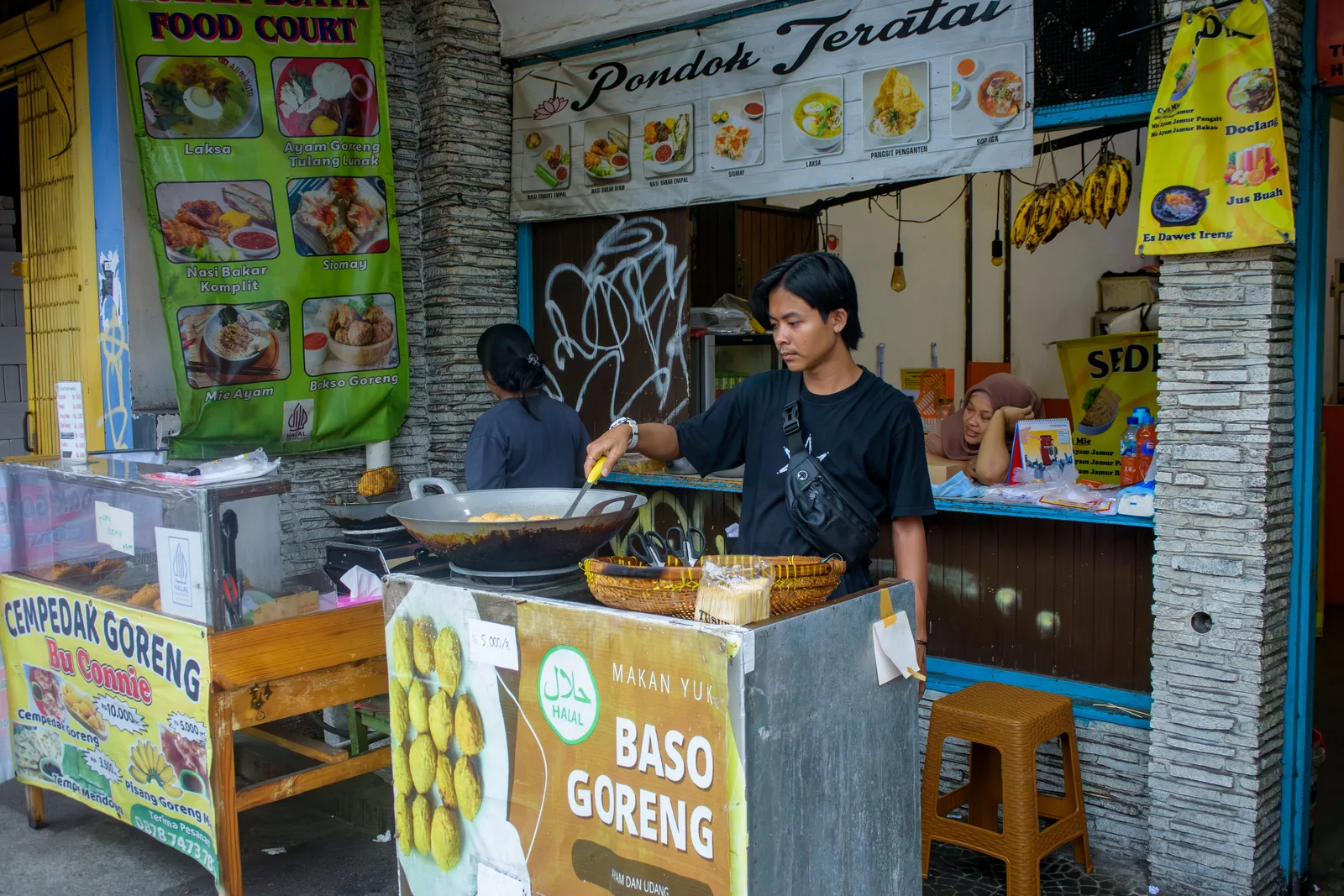 Indonesia
First step for every Bali trip with a food allergy: build your Indonesian-language card. It uses kacang tanah, not kacang, for peanuts.
Build My Indonesia Allergy CardThe kacang problem: why Indonesia is different
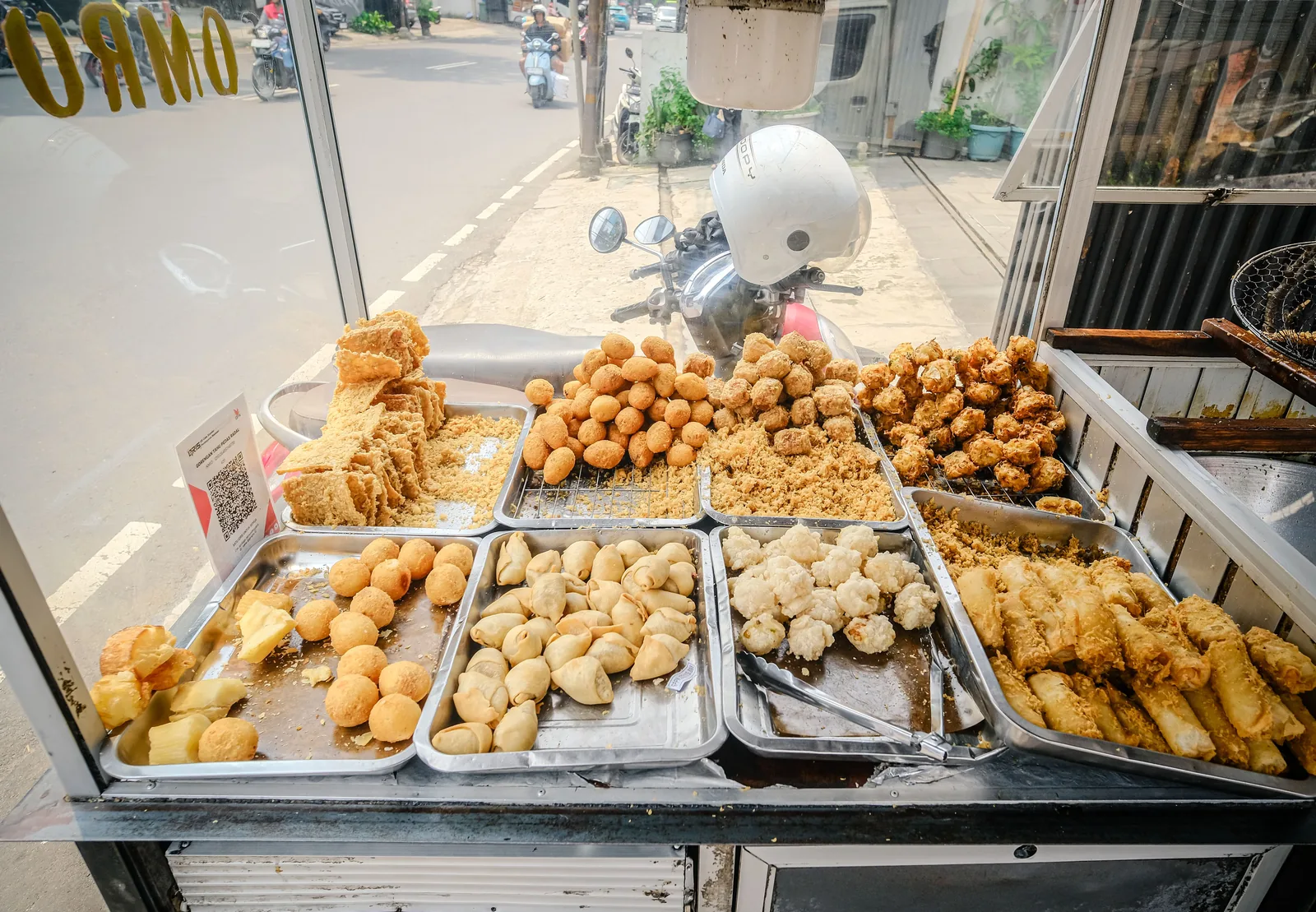
In Indonesian, kacang is a broad word connected with beans or legumes. It includes peanuts, but it can also refer to other pulses. If you have a peanut allergy, say and write kacang tanah rather than relying on kacang alone. Then show the card to the person preparing the food.
Kacang tanah literally refers to peanuts, but the term is only one part of the conversation. Ask whether peanut sauce, crushed peanuts, oil, garnishes, or shared utensils are involved, and leave if the vendor cannot explain the preparation.
Terasi is a fermented shrimp paste that may be mixed into sambal or spice pastes. It is not always visible in the finished dish, so ask about it directly if you avoid shrimp or shellfish. Recipes vary: do not turn a common ingredient into a claim about every Balinese dish.
Indonesia and Bali: questions to plan for
- Peanut allergy: Ask about sambal kacang, crushed peanuts, satay sauce, gado-gado dressing, shared sambal bowls, and cooking oil. Use kacang tanah when communicating.
- Fish or shellfish allergy: Ask about terasi, dried shrimp, fish-based sauces, seafood stock, and shared grills, woks, knives, and oil.
- Soy allergy: Ask about kecap manis, soy sauce, tofu, tempeh, marinades, and seasoning mixes.
- Coconut allergy: Ask about coconut milk, grated coconut, desserts, sambal, and shared utensils; do not assume coconut is interchangeable with other tree nuts for your own medical purposes.
- Gluten or wheat: Check soy sauces, kecap manis, batters, breads, marinades, fried-food equipment, and shared preparation even when the starch is rice or cassava.
- Dairy: Ask about butter, milk, condensed milk, and dessert ingredients rather than relying on a cuisine-wide assumption.
Bali food safety guides
The kacang problem explained, hidden ingredients in Balinese and Indonesian food, dish-by-dish questions, Indonesian phrases, cross-contact, and emergency preparation.
Temples, rice terraces, and cultural activities in Bali that don't involve food risk.
Airport guideCurrent airport-service checks, personal medication planning, emergency escalation, and options for reaching south Bali.
Managing a peanut allergy across more than one destination, not just Indonesia? See our dedicated peanut allergy travel card guide, which covers the same hidden-ingredient approach for any country.
Your Indonesian-language allergy card
An Indonesian-language allergy card gives the kitchen a clear written starting point. Front-of-house English does not guarantee that the person cooking the meal will understand your allergy, so show the card before ordering and ask for it to reach the person preparing the food.
The card can name your allergens and related ingredients, including kacang tanah for peanuts, terasi for shrimp paste, and kecap manis for sweet soy sauce. Build your Indonesia travel allergy card in Indonesian and English, then confirm the actual recipe and preparation.
Want to learn the allergen words yourself, not just carry a card? See the full Indonesian food allergy phrasebook.
Getting around Indonesia
Managing an allergy on the move is easier when you control your own schedule rather than a shared group timetable, especially around meal timing and medication. Search trains, buses, and ferries between Indonesian cities below.
Where to stay in Bali
Emergency
Use prescribed emergency medication according to your action plan and call 118 or 119 for an ambulance. Current Indonesian travel guidance also lists 112 as a general emergency number. Keep your location and allergy card ready, and ask local staff to help if the call is handled in Indonesian.
Do not delay emergency treatment while comparing hospitals. For a non-emergency planning option, review the current details for BIMC Hospital Kuta and save the address of the facility you intend to use from your own accommodation area. Availability, language support, transport, and payment arrangements can change.
Sources and current-contact notes
Recheck emergency numbers, airport services, and hospital contact details shortly before departure. Keep your accommodation address available in Indonesian.
- Indonesia Travel emergency information: current ambulance and general-emergency numbers.
- Indonesia's 112 emergency service: current general emergency-service information.
- BIMC Hospital Kuta: current hospital contact and service information.
Pre-trip checklist
Get the full pre-trip checklist and destination guides in your inbox
Subscribe →Complete pre-trip checklist for food allergy travel is available in our free food allergy travel checklist guide.
Frequently asked questions
How can I plan a Bali trip with a food allergy?
Start with an Indonesian-language allergy card that says kacang tanah when you mean peanuts. Before ordering, ask about peanut sauce, terasi, kecap manis, coconut, the recipe, and shared equipment; do not rely on a dish name or on a tourist-area location as proof that a meal is suitable. Carry prescribed medication, save current emergency numbers, and plan how you would reach medical care from your accommodation.
What are the biggest allergen risks in Indonesian and Balinese food?
Ask about peanuts and peanut sauce, shrimp paste (terasi), sweet soy sauce (kecap manis), coconut, wheat in sauces or batters, and shared oil, woks, grills, utensils, and sambal containers. Recipes vary between Indonesian regions and individual kitchens. Rice or cassava as a base does not answer questions about the broth, seasoning, sauce, or preparation.
What does kacang mean in Indonesian?
Kacang is a general word connected with beans or legumes, while kacang tanah specifically means peanuts. If you have a peanut allergy, use kacang tanah on your card and when asking questions. Then confirm the sauce, garnish, oil, and preparation with the person making the food; the word alone cannot prevent cross-contact.
This article is for informational and travel preparation purposes only and does not constitute medical advice. Always consult a qualified healthcare professional before traveling with a food allergy, and carry any prescribed emergency medication at all times. See our full medical disclaimer.