 AllergyPass
Backpacking Southeast Asia
with Food Allergies
Southeast Asia is a multi-country food trip, not one cuisine. Fish sauce, shrimp paste, fermented fish, peanuts, soy sauce, and coconut recur in different forms, but the recipe and kitchen still matter. Use this guide to prepare for border crossings, then open the country-specific pages before each stop.
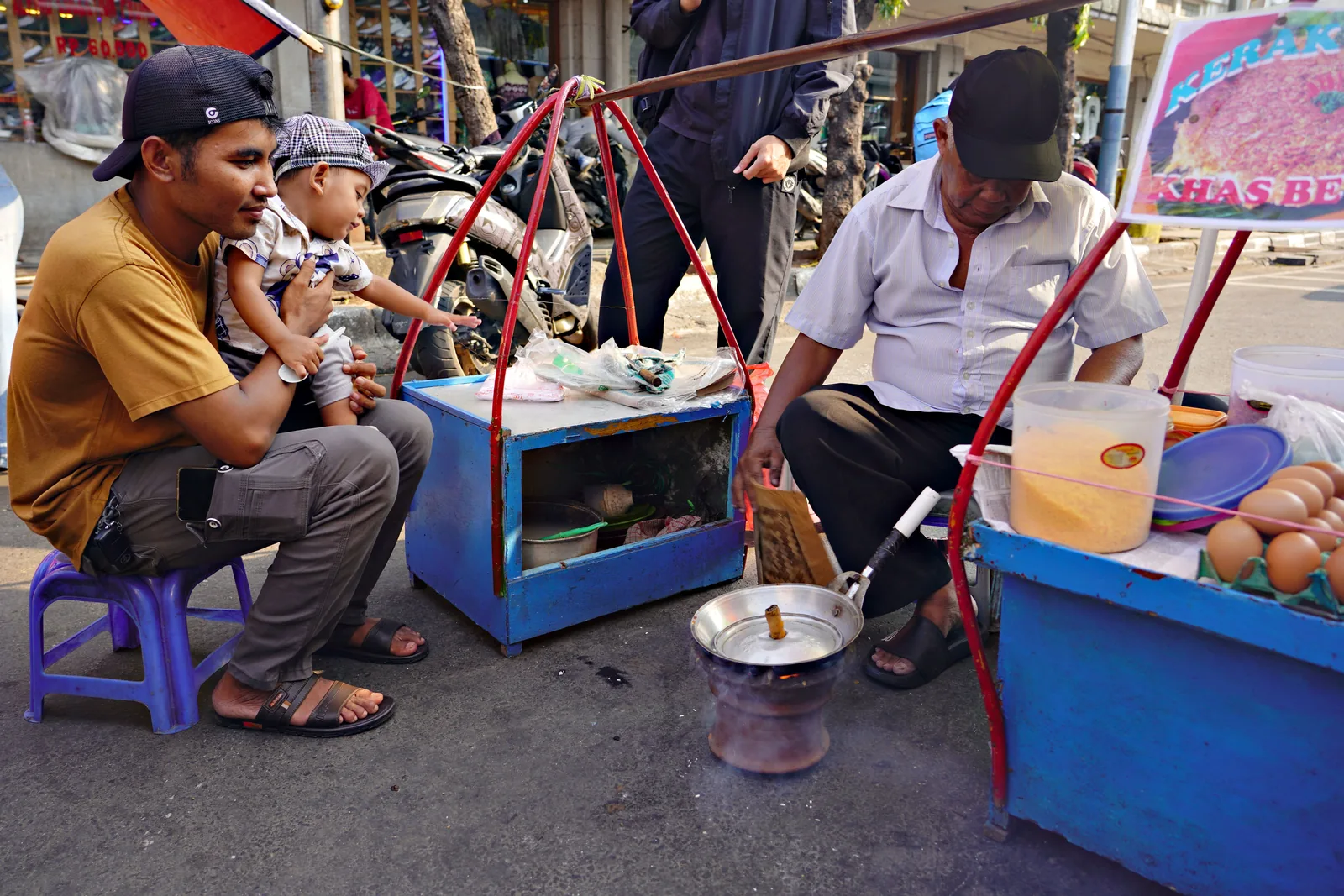 Asia
Asia
The regional allergen problem
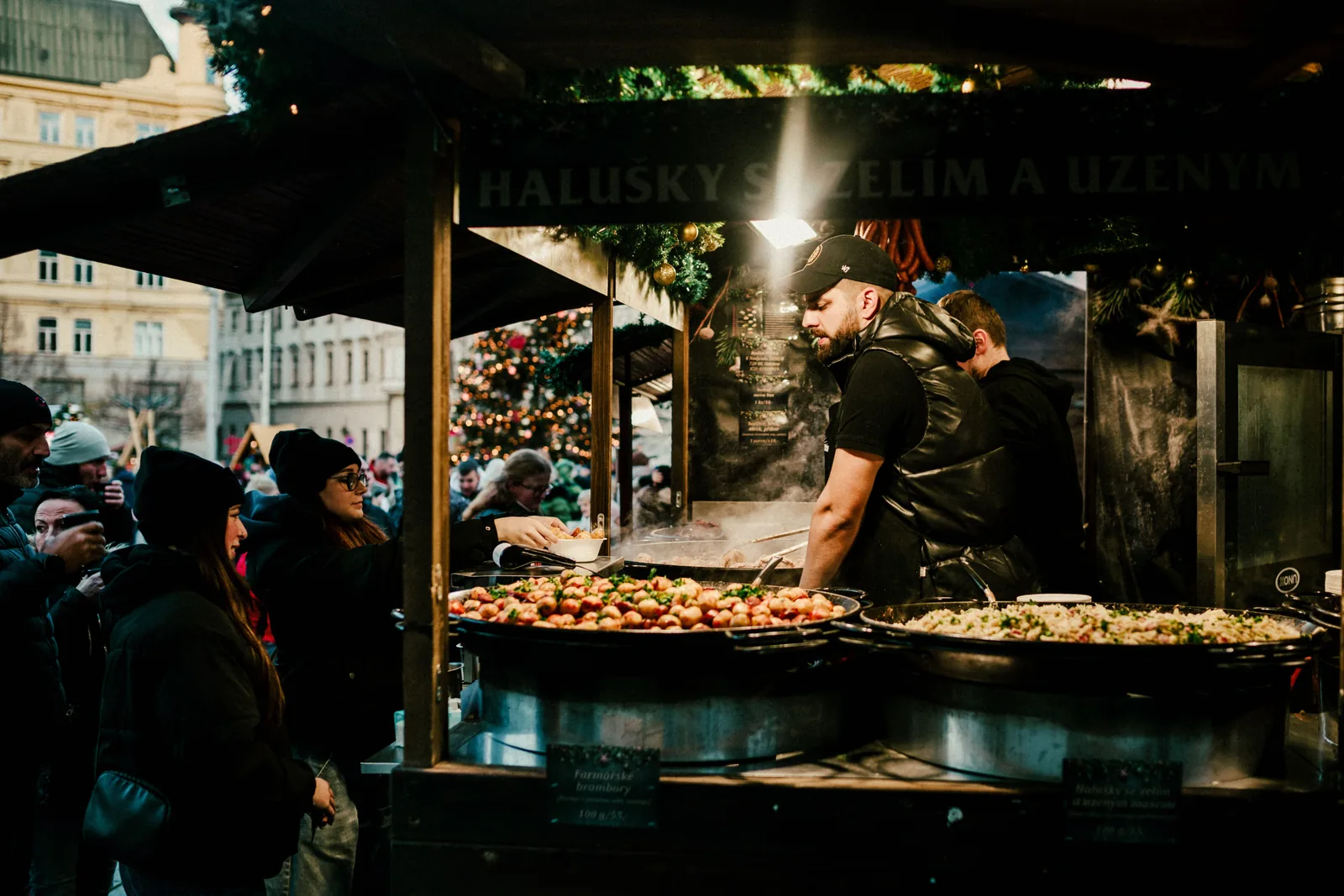
Many cuisines in Southeast Asia use fermented seafood as a seasoning, but the product and recipe vary. Examples include nam pla and kapi in Thailand, nuoc mam and mam tom in Vietnam, prahok in Cambodia, terasi in Indonesia, and belacan in Malaysia. These products may be added during cooking, so ask about the actual dish rather than relying on its name.
A sauce or paste may already be part of the recipe and cannot be removed after cooking. Ask whether the dish is prepared from a separate base; if the vendor cannot explain it, choose another meal or venue.
If you avoid fish or shellfish, your card should name the local fermented seafood ingredient as well as the allergen itself. “No fish” may not communicate “no fish sauce” or “no shrimp paste”; show the card to the person preparing the food.
Peanuts may appear as a garnish, sauce base, or ingredient in satay, gado-gado, and pad thai. Ask about sauces, oil, garnish bowls, woks, boards, and utensils. A request to remove visible peanuts does not solve contact that already happened during preparation.
Country-by-country allergen comparison
| Country | Questions to ask about fish or shellfish | Questions to ask about peanuts | Wheat or gluten questions | Local terms to learn |
|---|---|---|---|---|
| Thailand | Check nam pla, kapi, seafood stock, sauces, and shared woks or oil. | Check crushed peanuts, pad thai, satay, oil, and garnish bowls. | Check soy sauce, noodles, batters, and shared fryers. | Nam pla, kapi |
| Vietnam | Check nuoc mam, mam tom, broth, marinades, and shared equipment. | Check garnishes, sauces, bún dishes, oil, and shared spoons. | Check soy sauce, hoisin, bánh mì, noodles, and fried-food equipment. | Nuoc mam, mam tom |
| Cambodia | Ask about prahok, fish sauce, dried shrimp, broth, and seasoning bases. | Check salads, garnishes, sauces, oil, and shared utensils. | Check soy sauce, baguette-style bread, batters, and noodles. | Prahok |
| Indonesia (Bali) | Ask about terasi, dried shrimp, seafood sauces, and shared grills or oil. | Use kacang tanah; check sambal kacang, satay, sauces, oil, and utensils. | Check kecap manis, soy sauce, batters, noodles, and shared fryers. | Terasi, kacang tanah |
| Malaysia | Ask about belacan, dried shrimp, fish sauce, seafood stock, and shared equipment. | Check satay, sauces, garnishes, oil, and shared utensils. | Check soy sauce, noodles, flour batters, and roti or bread. | Belacan |
Destinations in Southeast Asia
This page is the region-wide comparison and multi-country preparation guide. For a specific destination's street food, hidden allergens, city guides, where to stay, and hospital detail, go to that country's own food allergy hub:
Hidden allergens in Thai cooking, Bangkok and the beach-city guides, street food, and where to stay.
Country hubHidden allergens in Vietnamese cooking, city guides for Hanoi and Da Nang, street food safety, and where to stay.
Country hubThe Bali-focused planning hub: kacang tanah, hidden ingredients, communication, accommodation, and emergency preparation.
Country guidePrahok, recipe-specific questions, Khmer communication, city planning, and emergency preparation.
Country hubEvery guide, tool, and city hub for Malaysia, including Kuala Lumpur and Penang, organized in one place.
Country hubHawker-centre culture and the three distinct allergen profiles across Singapore's Chinese, Malay, and Indian cuisines.
Backpacking Southeast Asia with food allergies
Cross-regional preparation
- Build your allergy card in the language of every country you are visiting, not only the first
- Save emergency numbers offline for each country before you cross a border
- Confirm your travel insurance covers medical evacuation across all countries on your itinerary
- Pack two epinephrine auto-injectors in your carry-on (if prescribed)
- Read the hidden allergens guide for each country before your first meal there
The complete pre-trip system: what to pack, what to prepare, and how to handle a reaction if it happens.
InsuranceAnaphylaxis coverage, evacuation limits, and what to verify before you buy. Essential reading for Southeast Asia.
EmergencyWhat to do in the first 30 minutes. Biphasic reactions, hospital communication, and immediate protocol.
Communication toolWhy written allergy cards in the local language work better than verbal requests. How to use them effectively.
Preparation guideWhat changes when you leave home: language barriers, unfamiliar food cultures, different labeling laws, and new cross-contamination norms. Essential reading before your first international allergy trip.
Family travel guideCommunicating on your child's behalf at airlines, hotels, restaurants, and tour operators across Southeast Asia. Managing breakfast buffets and knowing what to do if a reaction occurs.
ConnectivityYour allergy card, translation tools, and emergency contacts all depend on staying connected. Why data is a safety item, not a convenience, across Asia.
TransportStep-by-step booking on 12Go, popular routes such as Bangkok to Chiang Mai and Hanoi to Sapa with typical journey times, and how much food to pack for each leg.
Build your allergy cards for every Southeast Asia destination in one session.
Build My Allergy CardsCompare current travel-medical and evacuation terms. Ask SafetyWing in writing how your allergy history affects coverage.
Get SafetyWing InsuranceFrequently asked questions
How can I plan a Southeast Asia trip with a food allergy?
Build a separate card for every country, then learn the local names for the ingredients you avoid. Ask about fermented seafood, peanuts, soy sauce, coconut, sauces, oil, and shared equipment; use the country hub for the specific recipe questions. Carry prescribed medication, save each country's emergency number offline, and check your insurance and medical route before crossing a border.
How should I compare Southeast Asian countries for an allergy trip?
Compare the language you need, the ingredients used in your itinerary, the accommodation kitchen, transport, access to care, and how much of your food will be prepared to order. Do not rank a whole country as easy or difficult: the dish, venue, communication, and shared preparation matter more than a destination label.
What allergens are most common across Southeast Asia?
Recurring questions include fish sauce, shrimp paste, fermented fish pastes, peanuts, soy sauce, wheat, coconut, sesame, and shared oil or utensils. Their use varies by country, region, dish, and kitchen. A rice-based dish or a vegetarian label does not answer questions about sauces, seasoning bases, or cross-contact.
Do I need a different allergy card for each country?
Yes. Each country uses a different language and different local ingredient names. A Thai-language card that names nam pla and kapi does not communicate anything to a Vietnamese restaurant worker. AllergyPass lets you build cards for each destination separately, each specifying the local fermented seafood ingredient by its local name.
This article is for informational and travel preparation purposes only and does not constitute medical advice. Always consult a qualified healthcare professional before traveling with a food allergy, and carry any prescribed emergency medication at all times. See our full medical disclaimer.