 AllergyPass
What Happens If You Have an Allergic Reaction Abroad?
If a serious allergic reaction happens abroad, the priorities are the same anywhere: follow your action plan, use prescribed emergency medication, call local emergency services, reach medical care, and deal with language and insurance after urgent treatment is underway.
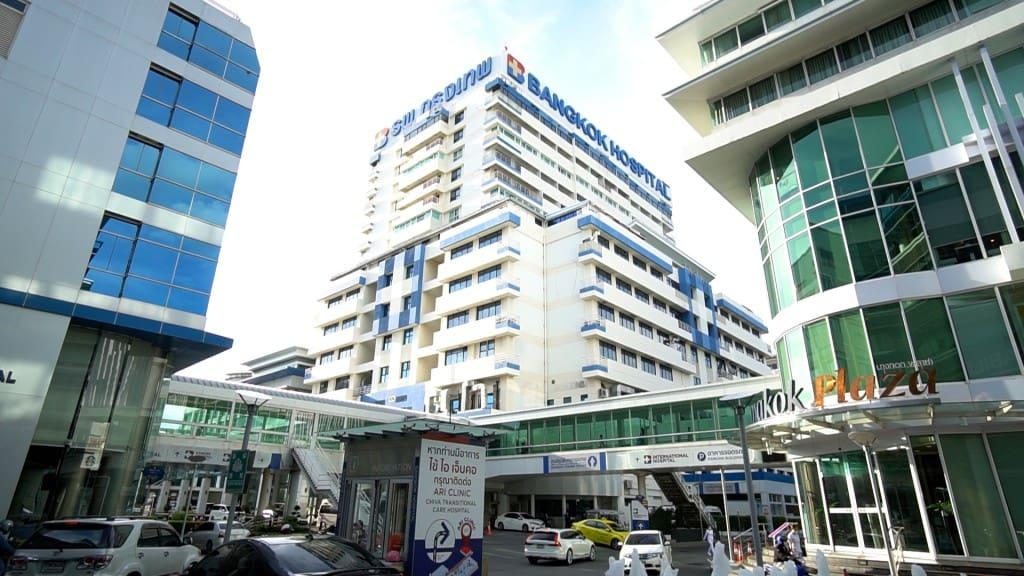
The immediate protocol
The priorities are the same abroad, but the emergency number and healthcare system vary:
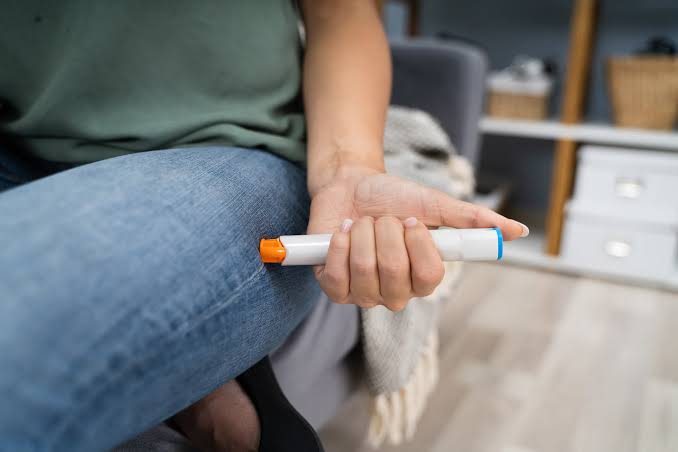
- Use prescribed epinephrine according to your action plan and the instructions for your device.
- Call the local emergency number or have someone call. Tell the operator you may be experiencing anaphylaxis and give your location.
- Position yourself carefully: lie flat with legs raised if possible; if breathing is difficult, sit with legs outstretched. Avoid sudden standing or walking.
- Follow your action plan about another dose if symptoms do not improve or worsen and another prescribed device is available. Do not delay the emergency call.
- Seek emergency medical assessment even if symptoms improve. The treating team will decide how long observation should last.
Emergency numbers by region
- Before departure: save the official emergency number for every country and transit point on your itinerary.
- European Union: 112 is the common emergency number, but confirm the local service and language options.
- Elsewhere: do not assume that 112, 911, 999, or another familiar number will connect to medical help. Check current government or travel-health guidance for the destination.
Save the local emergency number for every destination offline before you arrive. Keep your phone charged, tell a companion or hotel staff what to do, and know how to describe your location. If you cannot call, ask someone nearby to contact emergency services while you follow your action plan.
At the hospital
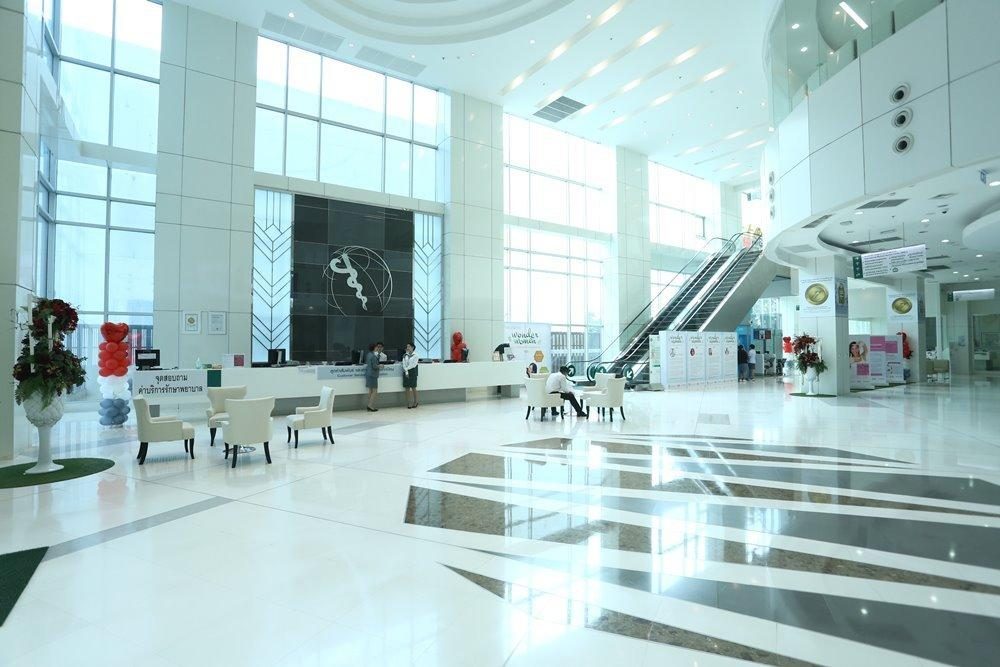
When you arrive at an emergency department abroad, staff may need to understand your symptoms, allergies, medication, and relevant medical history quickly. This is where your preparation helps.
Show your action plan or medical summary. Give staff your allergy, reaction history, prescribed medications, and any relevant conditions in a format they can read. A translated version may help, but emergency clinicians will still assess you directly.
Show your allergy card as communication support. Your AllergyPass card can identify the suspected allergen and language terms. It does not replace a medical history or the clinician's assessment.

Hospital treatment depends on the reaction. Clinicians may give additional epinephrine, oxygen, fluids, airway support, and other medicines, then decide what monitoring or observation is appropriate. Do not assume a fixed observation time or leave because symptoms have improved without speaking with the treating team.
Medical care abroad: what to expect by region
Southeast Asia (Thailand, Vietnam, Bali, Malaysia)
Major cities may have private facilities with international-patient services, but availability, language support, payment requirements, and clinical resources vary by facility. Research local emergency options before travel, but call the local emergency service first during an active reaction.
For rural or island travel, research how a patient is transferred to emergency care and whether your insurer provides assistance. Do not delay treatment while trying to reach a preferred international hospital.
Japan
In Japan, save the local emergency number and destination-specific medical assistance contacts before travel. Language support and payment arrangements vary by facility, so keep a Japanese medical summary or allergy card available.
Europe
In Europe, access and cost depend on citizenship, reciprocal healthcare arrangements, insurance, and whether you use a public or private facility. An EHIC may help eligible travelers with medically necessary state-provided care, but it is not travel insurance and does not cover every cost. Check the current official guidance for your country of residence and destination.
What allergic reaction treatment costs abroad
There is no dependable global price for an allergic reaction. Before travel, ask your insurer how the policy handles emergency assessment, medication, ambulance transport, admission, observation, evacuation, and payment guarantees. At the facility, ask about costs only when it is safe to do so; do not delay treatment to negotiate a deposit.
- Public or private care: the facility type and local healthcare system can change the bill substantially.
- Observation or admission: the cost depends on the treatment, monitoring, tests, and length of stay.
- Transport: an ambulance or medical evacuation is a separate question from the hospital bill.
- Eligibility: reciprocal healthcare arrangements may help some travelers, but they are not a substitute for travel insurance.
- Documentation: keep receipts, discharge notes, prescriptions, and the insurer's assistance instructions for any claim.
Travel insurance: the gap most people discover too late
Most travelers discover their insurance coverage details when they are filling out a claim form, not before they travel. For allergy travelers, the relevant questions to check in advance are specific.
Some policies treat food allergies as a pre-existing condition and exclude related claims. Others cover emergency treatment regardless. The distinction is in the fine print.
SafetyWing Nomad Insurance is one policy to compare for longer trips, but its documentation does not name food allergies or anaphylaxis. Read the pre-existing-condition and evacuation terms, and get written clarification from the insurer before relying on it for an allergy-related claim.
If you are traveling alone
Solo travel with a severe allergy is manageable with a few additional steps that group travelers have covered by default.
- Wear a medical ID bracelet with your allergen and emergency contact listed. If you are incapacitated, it communicates your condition without you.
- Save your action plan or medical summary accessible on your phone or in a note someone can find without unlocking your device.
- Tell your accommodation about your allergy, emergency contact, and how to call local emergency services. Do not assume staff can provide medical care or access your medication.
- Check in with someone at home at regular intervals on days when you are eating in new places.
- Carry more safe backup food than group travelers do: when you cannot quickly ask another person for help finding a safe option, having food with you removes the pressure of finding something immediately.
Sources and further planning
Use your personal action plan and current destination guidance for medical decisions. These sources support the emergency and travel-planning principles in this guide:
- CDC Travelers' Health: Allergies and Travel: preparation, translated allergy cards, emergency plans, and travel health kits.
- CDC Yellow Book: Severely Allergic Travelers: medication access, carry-on storage, airline questions, and medical-care planning.
- Anaphylaxis UK: What to do in an emergency: emergency medication, positioning, and device-specific instructions.
Frequently asked questions
What do you do if you have an allergic reaction in another country?
If you suspect anaphylaxis, follow your personal action plan and use prescribed epinephrine without delay. Call the local emergency number and seek emergency medical care. Stay with someone if possible, and show staff your action plan, medication information, and allergy card.
How much does an allergic reaction cost to treat abroad?
There is no dependable global price. Costs depend on the country, public or private facility, treatment, observation, admission, transport, and insurance or reciprocal healthcare eligibility. Ask the insurer about emergency care and evacuation when it is safe to do so, but never delay treatment to discuss payment.
What is biphasic anaphylaxis?
Biphasic anaphylaxis means symptoms return after an initial improvement without another known exposure. The timing and likelihood vary, so follow the treating clinician's advice about observation and discharge. Feeling better after epinephrine does not mean you should skip emergency assessment.
Can I use antihistamines instead of epinephrine for a reaction abroad?
No. Antihistamines may help some mild symptoms but do not treat anaphylaxis or replace epinephrine. If your action plan indicates anaphylaxis, use prescribed epinephrine without delay and call the local emergency number.
This article is for informational and travel preparation purposes only and does not constitute medical advice. Always consult a qualified healthcare professional before traveling with a food allergy, and carry any prescribed emergency medication at all times. See our full medical disclaimer.