 AllergyPass
How to Book Trains, Buses & Ferries in Asia
with a Food Allergy
Overnight trains, sleeper buses, and island ferries can mean 10 or more hours with limited food you can verify. This guide walks through booking Asia ground transport on 12Go step by step, gives typical journey times for the most popular routes, and shows how to turn each ticket into a food and medication plan.
 Asia
Asia
AllergyPass is an independent site, not 12Go. We are a 12Go affiliate partner: links to 12Go on this page are affiliate links (see the disclosure below).
How to book on 12Go, step by step
12Go is a booking platform that sells tickets from many separate train, bus, ferry, van, and airline operators across Asia in one place. The steps below follow the normal booking flow, with the allergy checks to add at each step.
- Search your route and date. Enter the departure and arrival city on 12Go. Results usually mix trains, buses, vans, ferries, and flights, sorted by time and price.
- Pick by departure time first, price second. A departure that lets you eat a verified meal before boarding, and arrive in time for another, often matters more than a small saving. Note the full journey time, including any transfer or border crossing.
- Check the operator and the pickup point. Read the operator's reviews, the exact departure point, luggage rules, and whether the ticket includes a transfer. Combined tickets (for example bus plus ferry) have more hand-offs, so plan food for every leg.
- Read the ticket type before paying. Some tickets are e-tickets you show on your phone; others are vouchers you exchange at a counter or office. Allow time for that exchange so you are not choosing between collecting a ticket and buying safe food.
- Pay and save the confirmation offline. Save the ticket, the operator's contact details, and your allergy card on your phone and on paper. Mobile data can drop on long rural stretches.
- Contact the operator directly if you need something. The booking form is not an allergy-communication channel. If you need a specific seat, berth, or an answer about onboard food, ask the operator and keep their reply.
Popular routes: journey times and how much food to pack
Typical times below come from 12Go's route pages (checked October 2026) and vary by operator, season, and traffic. Your ticket shows the real schedule. Select a route to compare live options.
Overnight train, bus, flight About 9 to 14 hours by land Sleeper trains run overnight: pack dinner, breakfast, and a delay buffer. Treat dining-car and platform food as optional until you can verify it.
Bus or train plus ferry, flight About 12 to 18 hours by land and sea Several hand-offs (bus, pier, ferry). Pack food for the whole chain; pier and terminal food varies widely.
Ferry, speedboat About 1 to 3 hours Short, but weather can delay crossings. Carry a packaged snack and water, and keep medication on you, not in luggage stored on deck.
Sleeper bus, train to Lao Cai About 5.5 to 9 hours Train routes end at Lao Cai with a shuttle onward. Pack for the full trip; mountain road stops may have little you can verify.
Sleeper train, sleeper bus About 12 to 15 hours A long overnight leg on the Reunification Express line. Pack at least two meals plus a delay buffer; vendors may board with bánh mì (wheat) and snacks.
Bus, train, flight About 5 to 6 hours by bus, plus border time Border queues add time. Eat before departure and carry snacks with labels you have read.
Bus, van (cross-border) About 9 to 11 hours, including the border The border crossing can take one to two hours with few food options. Pack for the full day and carry a Khmer-language card for arrival.
Shinkansen, highway bus About 2 hours by Shinkansen; 6 to 10 by bus Station bento and convenience-store items carry Japanese allergen labels. Read the exact item, and bring a backup.
KTX, flight About 2.5 to 3 hours by KTX Major stations have Korean-labeled packaged food. Carry a Korean card for anything prepared.
See live times, operators, and ticket types for trains, buses, and ferries across Asia, then build your food plan around the departure you pick. Confirm final details on your ticket.
Search routes on 12GoIs 12Go legit? What it does and does not do
12Go is operated by 12Go Asia Pte. Ltd., which lists a Singapore Tourism Board travel agent licence (TA03409) on its site. It is a reseller: the bus, train, or ferry is run by a separate operator, so the experience depends on the operator you choose. That is why the operator's reviews and pickup details matter more than the platform name.
- What it helps with: comparing routes, times, and operators in English; paying in one currency; keeping tickets in one place.
- What it does not do: tell the operator about your allergy, guarantee food, seating, or assistance, or verify how any food is prepared.
- Where to check: the operator for onboard questions, the ticket for times and pickup, and your own packed food for meals.
Before you board: confirming the details
Advance booking can reduce one logistical task, but check the carrier's final ticket and instructions. Confirm the departure terminal, boarding time, luggage rules, seat, transfer, and cancellation terms. A booking platform is not an allergy-communication service, so contact the carrier separately if you need an accommodation.
Use 12Go or the carrier's own site to compare available routes, schedules, operators, and ticket terms. Coverage and inventory change, so confirm the final booking and departure details with the carrier.
Check routes on 12GoFor allergy travelers, knowing the route and timing helps you decide how much food and water to carry. Check the actual ticket for the journey length and build in a delay buffer rather than relying on a typical schedule.
Transport types: where food planning gets difficult
Overnight trains
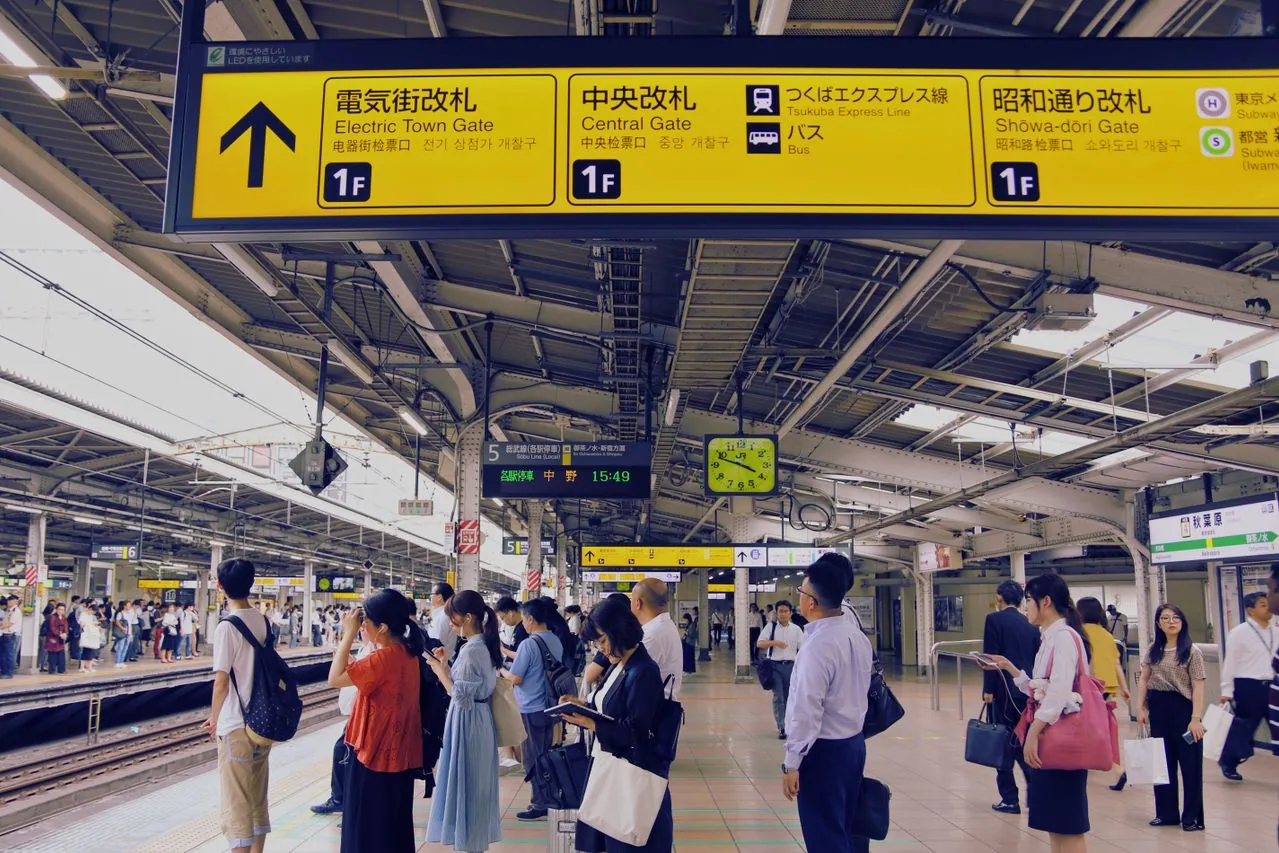
Overnight trains can involve dining cars, vendors boarding at stations, and long stretches without a shop. The practical question is not whether a route sounds comfortable; it is whether you can carry enough food and medication for the actual journey and any delay.
Thailand: Dining-car and platform food may include rice dishes, noodle soups, stir-fries, fish sauce, oyster sauce, peanuts, or other recipe-specific ingredients. Ask about the exact item if you buy it, but plan to rely on food you brought and labels you can read.
Vietnam: Vendors may board at stations with bánh mì, instant noodles, and packaged snacks. Bánh mì contains wheat, and fillings or sauces vary. Read the Vietnamese label when possible and pack enough food for the full ticketed journey plus delays.
Japan: Station bento and convenience-store products may provide useful packaged-label information, but read the current label on the exact item. The availability of carts, shops, products, and English information varies by station and route. Carry a backup rather than relying on a cart or platform shop.
South Korea: Major stations may have convenience stores and packaged foods with Korean allergen information. Read the current label, carry a Korean-language card for any prepared food, and do not assume a train service, station, or product has the same selection on every route.
Malaysia and Singapore: Onboard and station food varies by service. Vendor food such as nasi lemak or roti needs recipe and preparation questions; packaged items still require label checks. Pack your own food for long legs. For Singapore specifically, the Singapore Food Allergy Hub covers hawker centres, labelling, and what to ask.
Long-haul buses
Long-haul buses often include rest stops, but the stop, food vendors, and time available vary by operator. Buffet food, shared utensils, sauces, and language barriers can make an unplanned meal hard to verify. Pack food for the whole route and use stops for verified packaged items or water when available.
The standard approach: eat before boarding from a restaurant or supermarket where you have verified ingredients. Carry snacks sufficient for the full journey. Treat the roadside stop as a bathroom and stretch break, not a meal opportunity.
When comparing bus operators, check the actual departure point, rest-stop policy, luggage rules, seat layout, and arrival time. “VIP” or “gold-class” describes the service category, not allergy handling or food preparation.
Ferries and island boats
Ferry food depends on the vessel and route. A speedboat may have no food service; a larger ferry may have a snack counter. Check the actual crossing time and bring food for delays, boarding queues, weather disruption, or a missed connection rather than assuming an island hop will be short.
Ferry terminals may have prepared-food stalls, packaged shops, or very little food. Eat before the terminal when that fits your plan, and carry a packaged backup whose label you have read.
Budget airlines within Asia
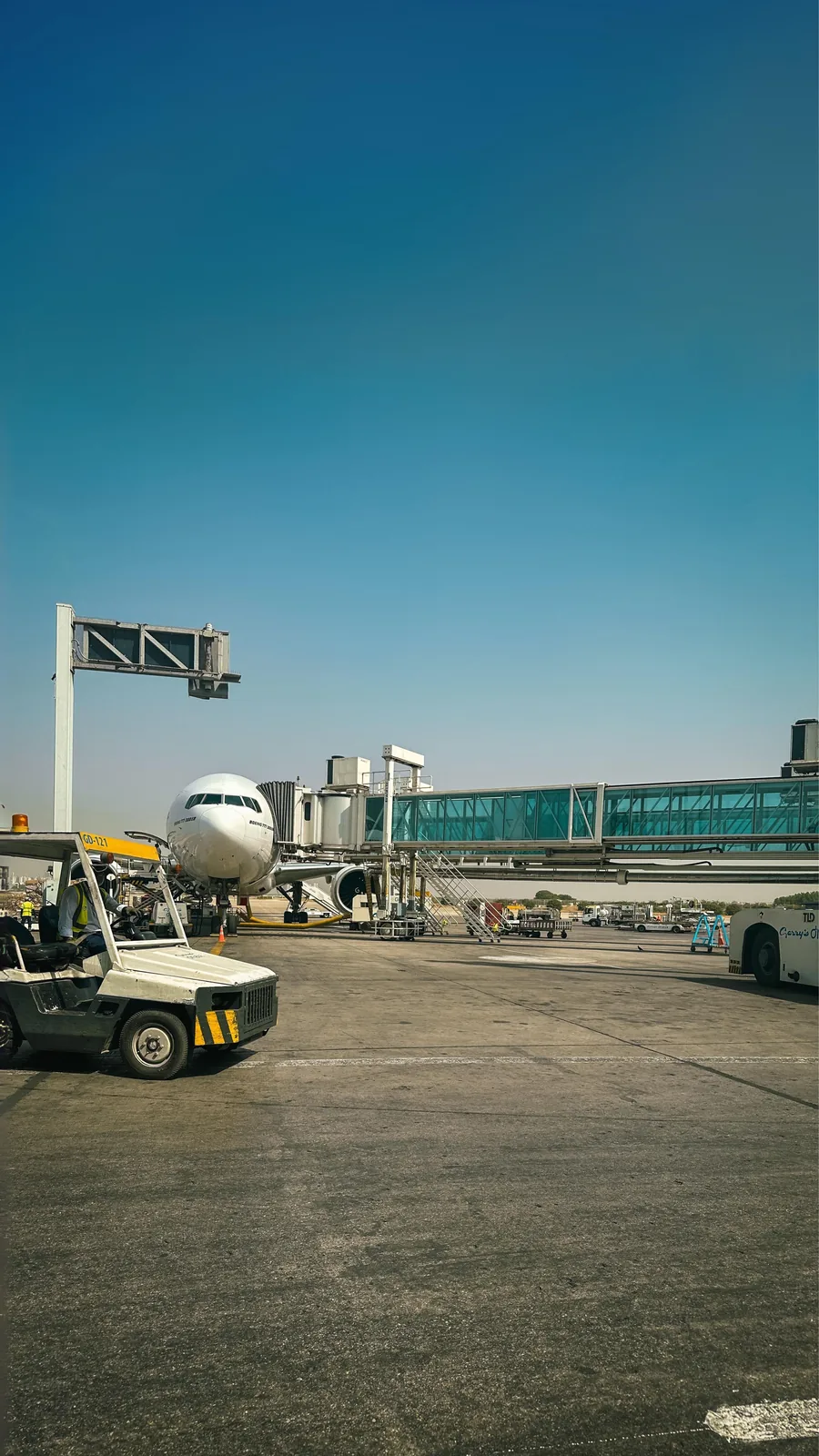
Budget carriers often sell food rather than including it, but menus, labels, and allergy policies vary by airline, aircraft, route, and product. Check the current policy directly with the carrier and bring food from a source you have verified. A short flight still needs a plan for delays and boarding restrictions.
Full-service carriers may offer special meals, but availability, notice periods, ingredients, and cross-contact controls vary. Read the current carrier policy, request the meal through the required channel, and confirm the request at check-in. Bring backup food and keep medication accessible; a special-meal request is not a guarantee.
Knowing your transport schedule in advance is one of the most practical things you can do as an allergy traveler. It gives you time to plan your food for each leg of the journey. 12Go covers trains, buses, ferries, and flights across Southeast and East Asia in English.
Browse Asia transport routesWhat to pack for Asian transit
The food you bring onto any Asian transport is the food you control. Everything else is a risk variable. A practical packing list for transit:
- Enough familiar food for the scheduled journey plus a delay buffer. Schedules, connections, boarding, weather, and rest stops can change.
- Sealed, labeled packaged items. Purchased from a supermarket where you read the label before buying. Not street food or market items bought just before boarding.
- Food you already know you tolerate. Whole fruit may work for some travelers, but wash it where appropriate and account for your own allergy plan.
- Water you can access. Carry a sealed bottle when allowed, and check the carrier's security rules for the route.
- Medication in an accessible bag. Keep prescribed emergency medication and your action plan with you, not in checked baggage or somewhere you cannot reach during the journey.
Country-by-country transport notes
Frequently asked questions
Is 12Go legit for booking trains, buses, and ferries in Asia?
12Go is an established booking platform operated by 12Go Asia Pte. Ltd., which lists a Singapore Tourism Board travel agent licence (TA03409) on its site. It sells tickets from many separate train, bus, ferry, and van operators, so service quality depends on the operator you pick. Read the operator's reviews, the pickup point, and the ticket instructions before paying, and confirm the final departure details on the ticket.
Can I tell the train or bus operator about my food allergy when booking on 12Go?
Do not rely on the booking form to communicate an allergy. A ticket does not tell the operator about your allergy or guarantee any food, seat, or assistance. Contact the operator directly if you need something specific, carry an allergy card in the local language, and pack your own food for the full journey plus delays.
How far in advance should I book the Bangkok to Chiang Mai train?
Overnight sleeper berths on popular routes such as Bangkok to Chiang Mai can sell out, especially around holidays and weekends, so book as early as your plans allow. Booking early also fixes the departure time, which tells you how many meals you need to pack for a journey that can run 9 to 14 hours by land, longer with delays.
How should I handle food on Asian overnight trains?
Treat onboard and platform food as optional unless you can read the label or the seller can explain the exact ingredients and preparation. Pack enough food for the scheduled journey plus delays, keep medication accessible, and use stops to buy only items you can verify.
How do I book trains and buses across Asia?
Use a booking site or the carrier's own site to compare the route, operator, departure point, luggage rules, seat, and cancellation terms. Confirm the final ticket with the carrier. Advance booking can reduce one logistical task, but it does not communicate a food allergy or guarantee food, seating, or assistance.
Which Asian train routes may make food planning easier?
A route may be easier to plan when you can buy sealed packaged food and read the current label, but no rail network guarantees an allergy-controlled meal. Compare the journey length, station access, likely stops, and what you can pack. Treat onboard carts, dining cars, and platform vendors as supplementary until you verify the exact product.
What should I pack to eat on Asian transport?
Pack enough familiar food for the scheduled journey plus a delay buffer, sealed packaged items whose labels you have read, water when allowed, and prescribed medication in an accessible bag. Treat roadside stop food and platform vendors as optional until you can verify the ingredients and preparation.
This article is for informational and travel preparation purposes only and does not constitute medical advice. Always consult a qualified healthcare professional before traveling with a food allergy, and carry any prescribed emergency medication at all times. See our full medical disclaimer.