 AllergyPass
Create a food allergy travel card restaurants can read and keep
Choose what to avoid and where you’re going, then save or print your card. Wallet passes are included with paid plans.
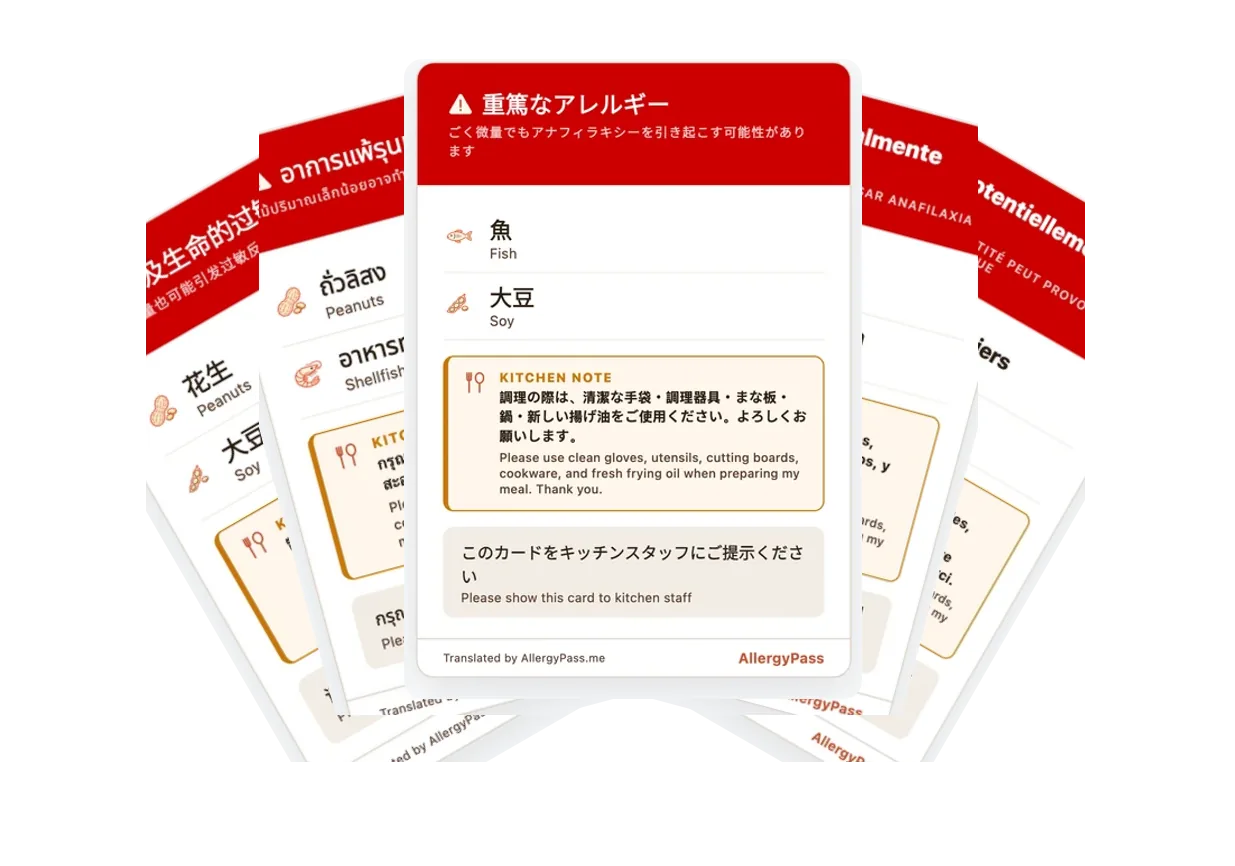
Your card in minutes, no account needed
- 1 Select what to avoid
- 2 Choose destination
- 3 Preview and receive files
English image: free. Add a print-ready PDF and Wallet passes for $7.99.
Showing the free English card. Pick your destination above to get the card in the local language.
Each pass covers 1 destination language. You can change the destination above before checkout.



Where are you going?
Your card only works if the kitchen can read it. Pick your destination and we'll translate it into the local language.
Your card is ready. Choose the format you want.
Print + Wallet — $7.99
- Print-ready PDF
- Cut-out card layout and trim guides
- Apple/Google Wallet for up to 3 allergens
- Card image delivered by email
- One-time payment
Wallet passes hold up to 3 allergens. The print-ready PDF has no allergen limit.
Choose your card package
One-time payment. No subscription. Your card image, printable PDF, and eligible Wallet links are delivered by email after checkout.
The preview above stays readable and carries a sample watermark until your card is sent; the image that arrives has none.
✓ Sent! Check for your card.
Don't see it? Check your spam or junk folder.
Your free image is on its way. Want a print-ready version too?
Keep the card you just built and add the print-ready PDF and Wallet passes. $7.99, one time.
Secure checkout by LemonSqueezy · 14-day refund policy
No account. No card details. Just an email address.
✓ Your image and wallet links were sent to your email after purchase.
What is a food allergy translation card for travel?
A food allergy card for travel is a bilingual card that lists your allergens in English next to the local-language translation for wherever you're headed, so kitchen staff can read exactly what to avoid instead of relying on a conversation neither of you can fully follow.
How it works
The builder above puts one together in three steps: select what to avoid, choose a destination, then review the finished card and receive your files. The emailed image uses the same card template shown in the preview; paid plans also include a printable PDF, and cards with up to three allergens include Wallet links. File delivery is the final step in the builder.
Who it's for
Anyone eating out with an allergy, intolerance, or religious dietary restriction somewhere the local language isn't your own: backpackers island-hopping through Southeast Asia, a family flying to Europe with a child's peanut allergy, or a solo traveler managing celiac disease through a two-week trip.
It covers 40+ languages, from Thai and Japanese to Arabic and Hungarian. The English card is completely free and downloadable — the clean card image, not a time-limited or sample-watermarked preview — with unlimited allergens, no account and no credit card; enter your email and we'll send it.
The hidden-ingredient warnings shown while you build your card come from a database of 200+ ingredient sources mapped to specific allergens — things like fish sauce hiding gluten or ghee hiding dairy that a menu rarely spells out.
Want more detail?
The phrasebook hub breaks every language down phrase by phrase. Heading somewhere specific? The Thailand, Japan, and Europe guides cover the hidden ingredients and restaurant etiquette worth knowing before you land.
From travelers who used AllergyPass
at the restaurant.
-
Great platform! Super easy and helpful!
-
The service is good and very convenient, it’s been needed for a while.
-
A very useful app when traveling. It helped me clearly communicate my food restrictions and avoid foods that could cause me problems.”
-
Very useful when traveling. It made it easier to choose suitable food and avoid things I couldn’t eat.
Frequently asked questions
Why allergy cards matter abroad
Language barriers make food allergies genuinely dangerous. A written card makes the request clearer and easier to pass to the kitchen.
Translation apps lose the urgency
A literal translation may not communicate severity or give the kitchen enough context. AllergyPass pairs the translation with explicit severity wording.
Hidden ingredients are everywhere
In Southeast Asia, fish sauce, shrimp paste, and peanut oil show up in dishes that don't mention them. Even experienced cooks don't always flag it.
Emergencies are stressful enough
If something goes wrong, a card in the local language helps first responders act faster. Worth having and never needing.
Communicating allergies abroad
A bilingual card is one useful communication tool. It works best alongside a few habits.
Before you travel
Learn the cuisine. Southeast Asian cooking uses fish sauce and shrimp paste as base flavours, they're in dishes that don't mention them on the menu. Know what you're walking into before you land.
At the restaurant
Show the card and say it out loud. Not everyone reads well, and not everyone takes a card as seriously as a spoken request. When in doubt, order something simple you can verify visually.
What trips people up
Relying on a translation app alone. Assuming things are labelled. Skipping the verbal conversation. Leaving their medication in the hotel room.
Hidden allergens by cuisine
 Thai food
Fish sauce, shrimp paste, peanuts in nearly every sauce. Pad thai base contains both fish sauce and shrimp paste.
 Japanese food
Soy sauce in virtually everything. Dashi (fish stock) as base for miso soup, noodle broths, and sauces.
 Vietnamese food
Fish sauce (nước mắm) as universal condiment. Peanuts in satay garnishes, phở toppings, and noodle dishes.
 Indonesian food
Peanut sauce in satay and gado-gado. Shrimp paste (terasi) as the base of most sambals.
Other AllergyPass resources
Everything you need to eat safely abroad.
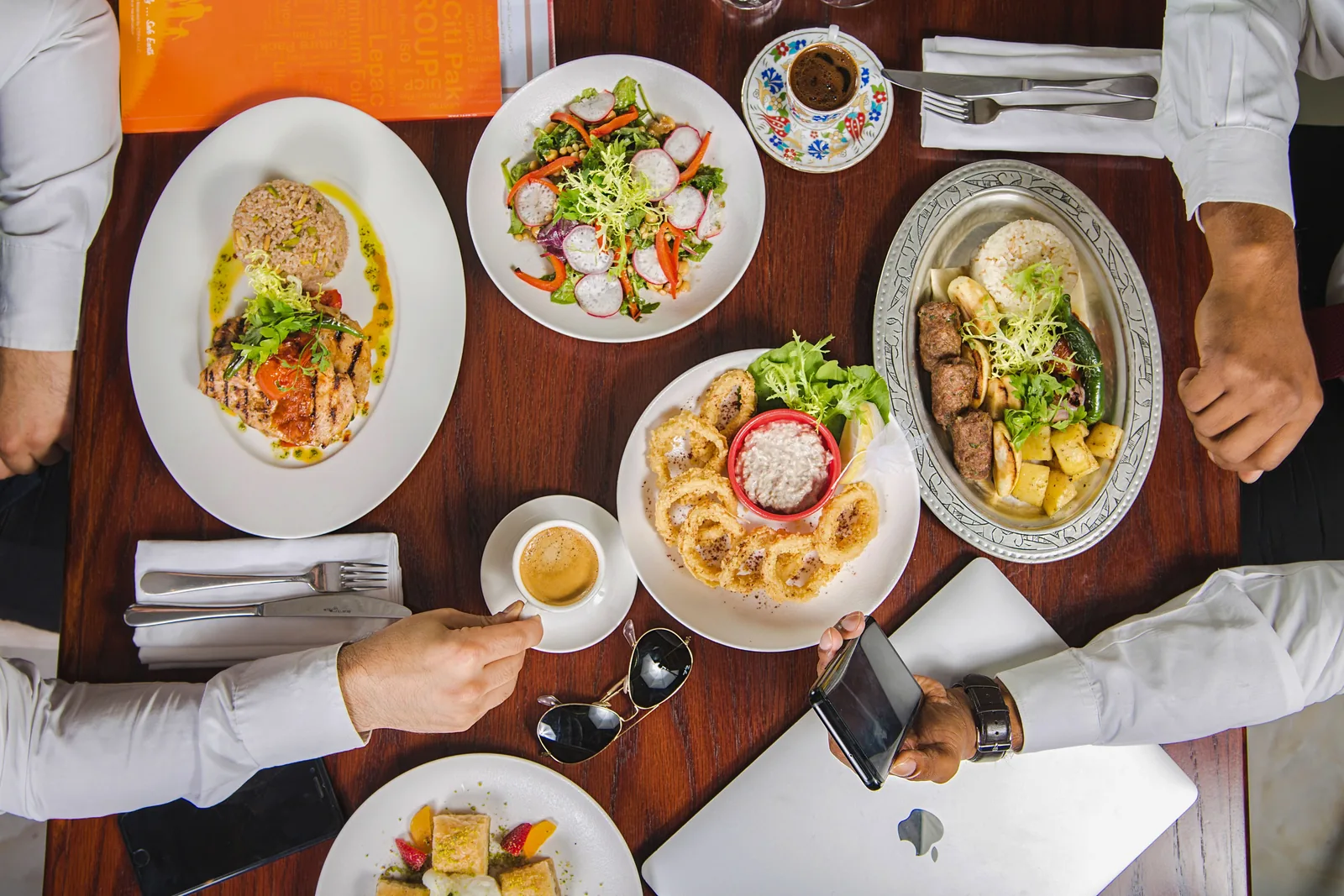
Allergy Risk Checker
Search by dish and allergen. See what's hiding in pad thai, pho, or sushi before you order.
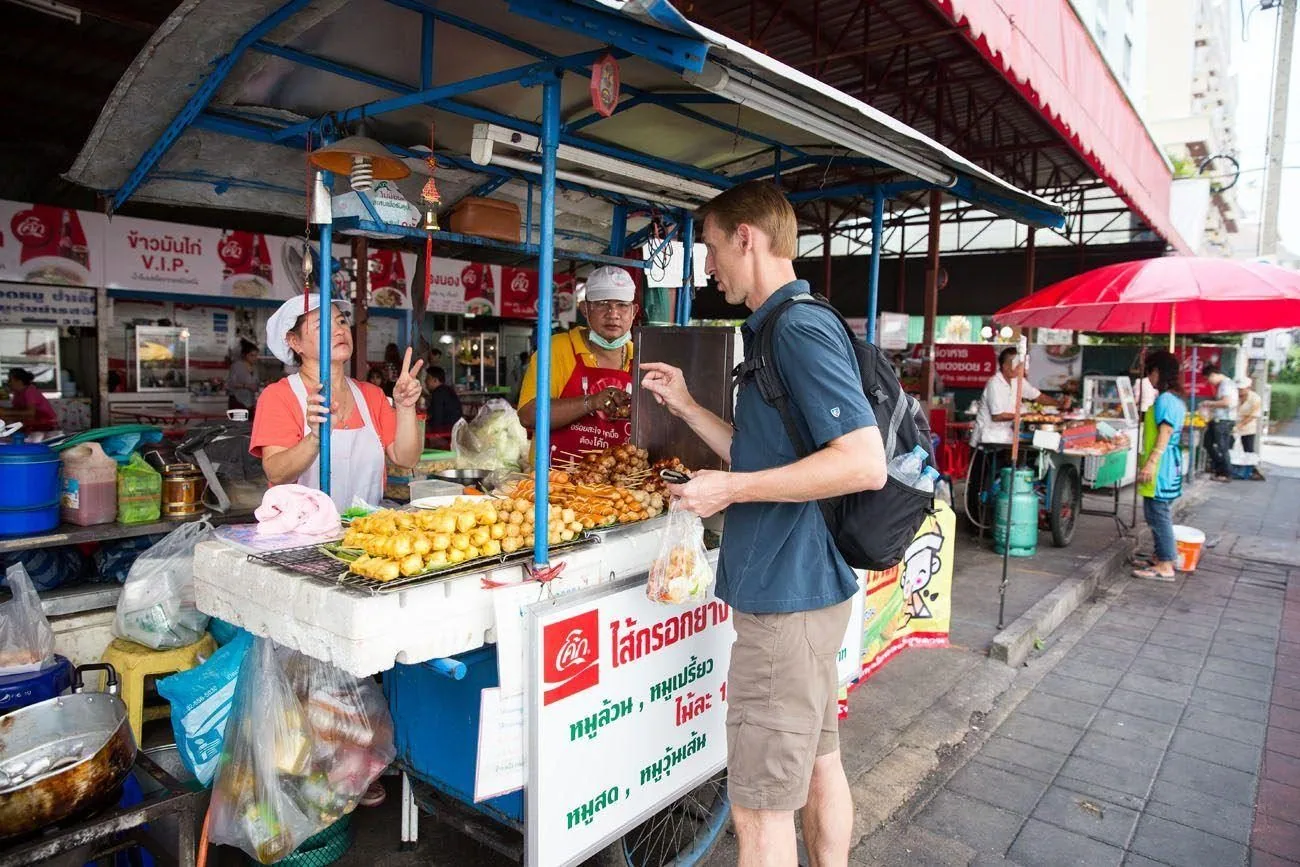
Hidden Allergens in Thai Food
Fish sauce, shrimp paste, peanut oil, dried shrimp. What they're in, where they hide, and how to avoid them.
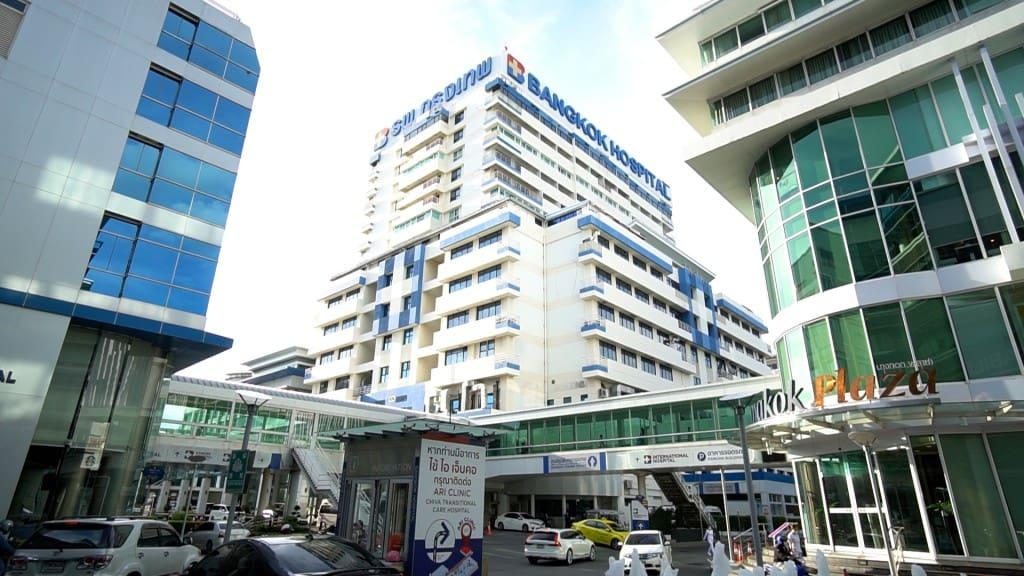
Emergency Healthcare in Thailand
Emergency numbers, best hospitals by city, what to expect from the Thai system, and travel insurance advice.
Your card is free to build
No account. No commitment. Takes 2 minutes, and you can always save it later.