 AllergyPass
Food Allergy Travel
in Europe
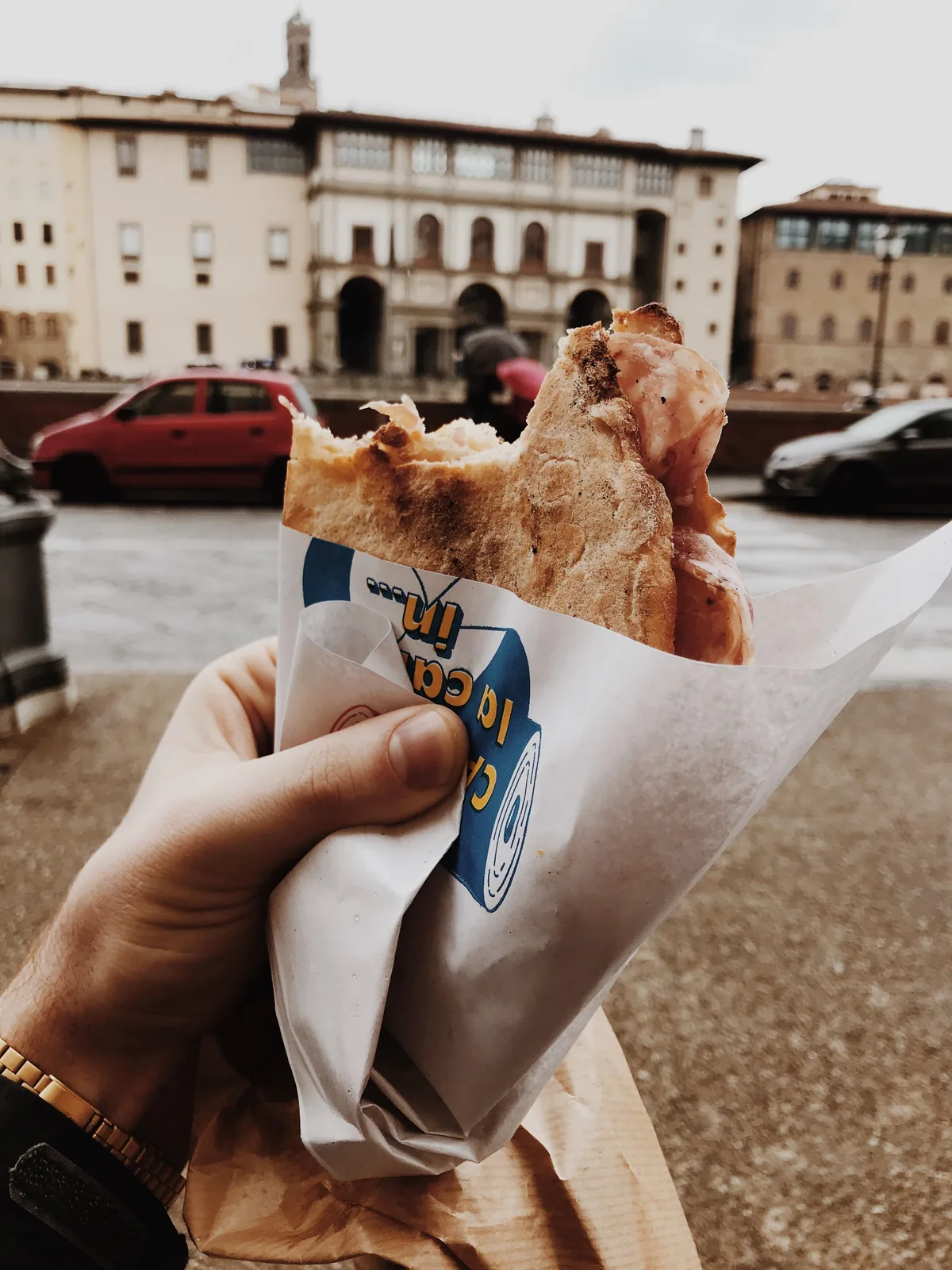
Europe gives travelers a shared starting point for allergen information, but a regulation is not the same thing as a cross-contact plan. What changes across borders is the cuisine, the language, the national way restaurants provide information, and whether a particular kitchen can answer your questions clearly.
 Europe
Build your allergy card in the language of every European country you are visiting. One session covers all of them.
Build My Europe Allergy CardsIn this guide
EU allergen law: what it means for travelers
EU Regulation 1169/2011 (the Food Information to Consumers regulation, EU FIC) is the legal framework covering allergen labeling and disclosure across all EU member states. It applies to every food business in the EU: supermarkets, restaurants, cafes, market stalls, caterers, and airline meals originating in the EU.
The regulation covers 14 major allergens. For packaged food, allergens used as ingredients must be emphasised in the ingredient list. For non-prepacked food, including restaurant meals, allergen information must be provided; the exact method is shaped by national rules. You can ask, but the regulation does not turn a restaurant’s answer into a guarantee that the kitchen has controlled cross-contact.
In practice, the quality of allergen information you receive at a restaurant depends on whether the establishment has accurate records, whether the staff member you ask actually checks rather than guessing, and whether the kitchen follows safe allergen handling procedures. EU law creates the right; it does not guarantee the accuracy of what you are told.
What EU law gives you: a shared list of allergens and a basis for requesting information. Member States set some details of how non-prepacked information is presented and enforce the rules locally, so keep the country-specific advice below in view.
What changes across European borders
The broad framework is shared across EU member states, but national rules shape how restaurants present information. More importantly for a traveler, recipes and kitchen habits change by place. Use this table to decide what to ask about—not to rank countries as safe or unsafe.
| Country | What to check first | Useful planning lead | Celiac planning note |
|---|---|---|---|
| Italy | Wheat in pasta and bread; eggs in fresh pasta; pine nuts in some pesto | AIC’s participating-venue network can help you build a shortlist | Ask about separate pasta water, utensils, and work surfaces |
| France | Butter and cream in sauces, eggs, wheat in flour-thickened dishes | Ask what is in the sauce and keep bread and crumbs away from the plate | Check the kitchen’s handling of bread, pastry, and shared surfaces |
| Spain | Wheat in croquetas and breadcrumbs; nuts or peanuts in particular recipes | FACE-linked resources can help, but confirm each venue’s fryer and tapas setup | Ask whether a separate plate can be prepared away from bread and shared oil |
| Germany | Wheat (schnitzel, pretzels, spätzle), mustard, celery, dairy; beer and barley also contain gluten | Packaged labels are useful; ask about breading, sauces, and fryer oil | Do not assume fries or a “gluten-free” side use a separate fryer |
| Austria | Wheat (schnitzel breading, spätzle, kaiserschmarrn), egg, dairy; poppy seeds in some pastries | Menus often use a lettered allergen code (A–R); learn the key before ordering | Ask whether the Panade (breading) recipe and fryer are shared with wheat-containing items |
| Belgium | Wheat (waffles, frites batter), dairy, mustard in sauces | Check the language used in the region and prepare the matching card | Ask about batter, shared fryers, sauces, and chocolate or nut fillings |
| Turkey | Sesame (in bread and pastry), tree nuts (pistachios, walnuts in desserts), wheat | Turkey is outside the EU framework; use Turkish-language questions and verify local information | Ask about bread, pastry, shared grills, and whether staff can check the recipe |
| Portugal | Bacalhau (salt cod) and shellfish in stocks and coastal dishes; sulphites in wine; wheat and eggs in pastries such as pastel de nata | Ask about stocks and shared grills — coastal kitchens often use the same pans for fish, shellfish, and other dishes | Wheat runs through Portugal’s pastry counters; ask about shared trays before ordering pastel de nata or other baked sweets |
| Greece | Sesame in koulouri, bread, and tahini-based dips; tree nuts in baklava and other pastries; feta and yogurt throughout Greek cooking | Ask about bread and dips before they arrive — koulouri and taramosalata are often placed on the table unordered | Filo pastry is wheat-based and runs through spanakopita, tiropita, and baklava; ask about shared trays before ordering |
| Serbia | Wheat in burek, gibanica, and lepinja; dairy in kajmak and cheese fillings; walnuts and other nuts in desserts and pastries | Serbia sits outside the EU framework, so mandatory allergen labeling does not apply — ask directly about ingredients | Burek and gibanica pastry is wheat-based and recipes vary by venue; ask about shared trays, knives, and ovens at bakeries |
Practical tips across all European destinations
What works consistently across Europe
- Ask who can check the ingredients. The person serving you may not know the recipe. Ask for the chef, manager, or written allergen information rather than accepting a guess.
- Request the restaurant’s allergen information in the form it uses. This may be a written matrix, menu key, binder, or a checked answer from the kitchen; the format varies by country.
- Use your allergy card in the local language regardless of English proficiency. Kitchen staff who prepare food are often not the same people who speak English at front of house. A written card in the local language reaches the right person.
- At supermarkets, read the label. EU packaged-food rules require allergens in the ingredient list to be clearly emphasised in a distinguishable typeface, such as different font, style, or background. Supermarket shopping can give you more control, but still check every ingredient and precautionary statement.
- Ask specifically about cross-contamination, separate from ingredients. EU law covers declared ingredients, not cross-contamination. At establishments you cannot fully assess, asking directly about shared fryers, shared equipment, and preparation surfaces gives you information the allergen menu alone does not.
- For wine, check the bottle or product information. Sulphites above the EU threshold are one of the 14 regulated allergens, but a restaurant wine list may not show the full label. Ask staff to check the bottle when this matters to you.
Country guides
Western Europe
Butter and cream in classic French cooking, flour-thickened sauces, mustard, and how to communicate your allergy in French.
Country guideAIC’s participating-venue network, pine nuts in pesto, anchovies as a hidden ingredient, and Italian allergy communication.
Country guideTapas cross-contamination, croquetas and shared fryers, the FACE celiac restaurant guide, and Spanish phrases for allergy communication.
Country guideThe dual-language card requirement (Dutch and French by region), waffles and mussels, mustard in Belgian sauces, and where allergy communication works best.
Country guideBacalhau (salt cod) as the national staple, fish and shellfish in stocks and coastal menus, sulphites in all Portuguese wine, and peanuts in pastries. EU law applies.
Southern Europe
Central Europe
Beer and sulphites, wheat-heavy cuisine (schnitzel, spätzle, pretzels), mustard and celery as declared allergens, and Germany's strong supermarket free-from range.
Country guideThe A-to-R menu letter-code system, written-documentation requirements behind verbal allergen answers, and hidden wheat, egg, and dairy in Wiener Schnitzel, Kaiserschmarrn, and Sachertorte.
Language cardHungary has no country guide yet. Sour cream, walnut pastries and dumplings, plus how Hungarian restaurants must give allergen information.
Turkey: EU-adjacent
Turkey sits outside the EU but modeled its allergen law on EU FIC. Sesame in bread and pastry, pistachios and walnuts in desserts, Istanbul's allergy-aware restaurant culture, and Turkish communication phrases.
Country hubAll AllergyPass Turkey guides, key allergen risks, emergency information, and Turkish allergy vocabulary in one place.
Switzerland: EU-adjacent
Southeast Europe: EU candidate
Travel preparation guides
New to international allergy travel, or traveling with a food-allergic child? These cross-cutting guides cover preparation, communication, and risk management that applies across every European destination.
What actually changes when you leave home: language barriers, unfamiliar food cultures, different labeling laws, and new cross-contamination norms. A practical orientation for first-time international allergy travelers.
Family travel guideCommunicating on your child's behalf at airlines, hotels, restaurants, and activity operators. Briefing tour guides, managing breakfast buffets, and what to do if your child has a reaction abroad.
Celiac disease in Europe
Celiac planning in Europe benefits from both packaged-food labeling and country-specific organizations, but those supports are not a substitute for checking a restaurant’s preparation. Italy’s AIC network and Spain’s FACE-linked information can help with research; elsewhere, supermarket labels, specialist groups, and direct kitchen questions may be more useful. Choose the destination and venue you can actually verify.
Europe pre-trip checklist
- Build your allergy card in the local language of every country you are visiting
- For Italy: check the AIC eating-out network and confirm the venue’s current participation before booking
- For Spain: check celiac.es for FACE-listed restaurants if you are celiac
- For Belgium: confirm whether your destination is French-speaking (Wallonia, Brussels) or Dutch-speaking (Flanders) and bring the correct card variant
- For Turkey: remember that it is outside the EU framework and prepare Turkish-language questions separately
- Confirm travel insurance covers anaphylaxis treatment across all countries on your itinerary
- European emergency number: 112 works across all EU member states and connects to local emergency services
Emergency information across Europe
Immediate protocol, biphasic reactions, hospital communication, and what to do in the first 30 minutes. Works across all destinations.
Insurance guidePre-existing condition clauses, anaphylaxis coverage, and what to verify before you travel across multiple European countries.
Compare current travel-medical and evacuation terms. Ask SafetyWing in writing how your allergy history affects coverage.
Get SafetyWing InsuranceFrequently asked questions
What is EU allergen law and how does it help travelers?
EU Regulation 1169/2011 sets a common framework for the 14 major allergens. They must be emphasised in packaged-food ingredient lists, and allergen information must be provided for non-prepacked food such as restaurant meals. The way restaurants provide that information can be set by national rules, and the law does not guarantee that a kitchen has prevented cross-contact. Ask separately about shared fryers, utensils, surfaces, and preparation areas.
Can I travel in Europe with a food allergy?
Yes, with planning. EU rules give you a common starting point for ingredient information, but they do not make every restaurant suitable or remove cross-contact. Learn the local words for your allergens, carry a written card, and ask the person responsible for the kitchen to check sauces, broths, shared fryers, utensils, and preparation surfaces. If the answer is vague or staff cannot check, choose a different meal or use a packaged backup.
Do I need an allergy card in Europe if I speak English?
Yes. The person serving you may not be the person preparing the food, and the kitchen may use a different language from the front of house. A card gives staff the exact allergen names and a written request they can pass to the kitchen. It is a communication aid, not a guarantee: wait for a clear answer about ingredients and preparation before ordering.
This article is for informational and travel preparation purposes only and does not constitute medical advice. Always consult a qualified healthcare professional before traveling with a food allergy, and carry any prescribed emergency medication at all times. See our full medical disclaimer.