 AllergyPass
Flying
with a Food Allergy
The flight itself is a small part of a much bigger allergy-management problem: booking, meal requests, security, boarding, and hours in a sealed cabin with food you can't control. Most of the risk is decided before you ever reach the gate. This guide covers what to do at each stage, in order.
Before you book
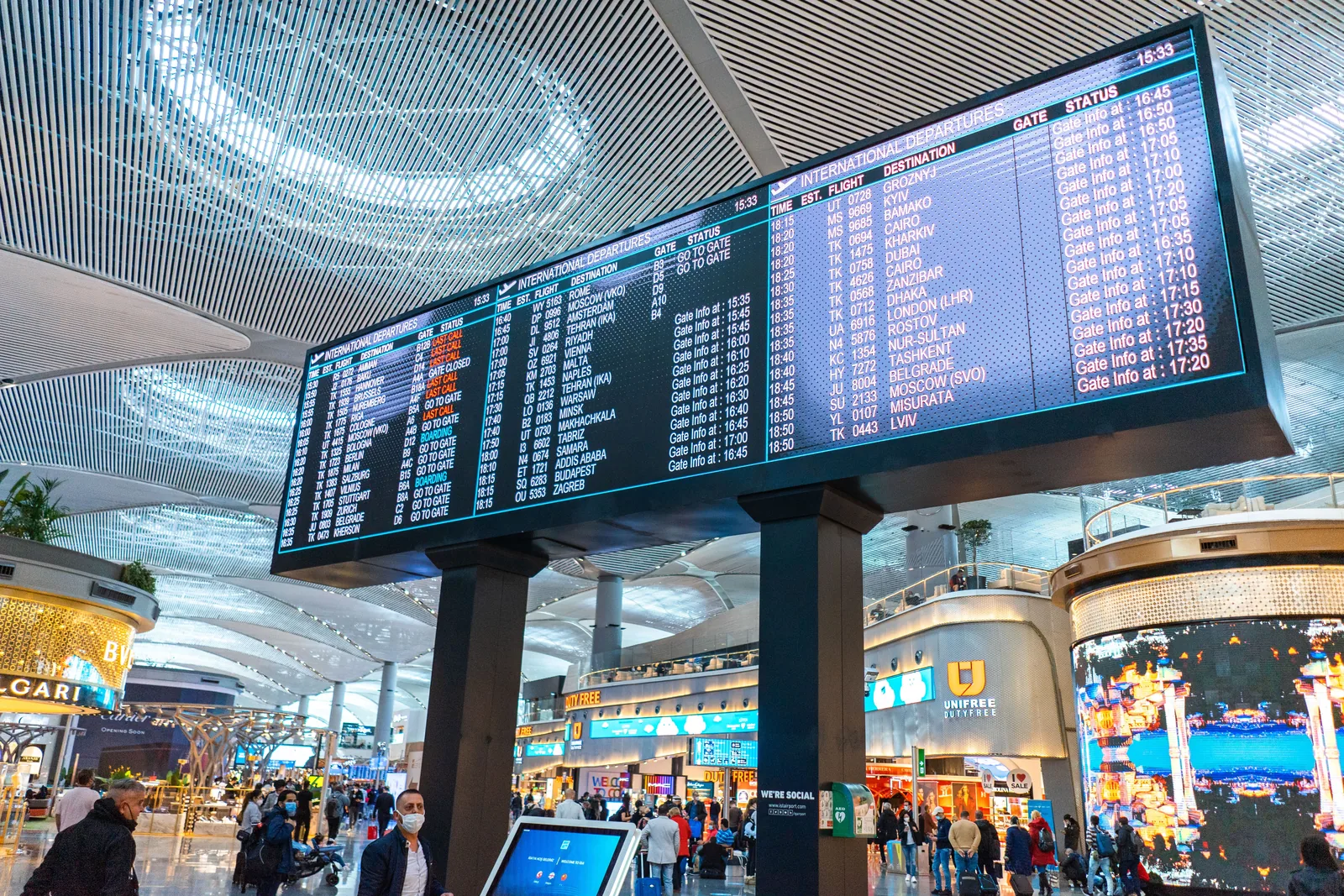
Tell the airline about the allergy before you fly, not for the first time at the gate. Add a note through the booking if the carrier offers that option, then read the current assistance policy and deadline for the operating carrier. Codeshare flights, route changes, and airport transfers can change which airline handles the request, so keep the confirmation and contact details with your itinerary.
Notifying the airline may trigger a meal request or place a note on the booking, but the crew's obligations depend on the carrier's policy. It does not remove the allergen from the aircraft. If you have a history of severe reactions, read the policy before booking and decide whether the carrier's process is compatible with your own action plan.
Seat selection is mainly a logistics choice. A seat near the aisle may make it easier to reach crew or leave the row; a seat away from the galley may reduce service traffic. Neither changes the cabin's allergen status or substitutes for your medication and action plan.
Requesting an allergy meal
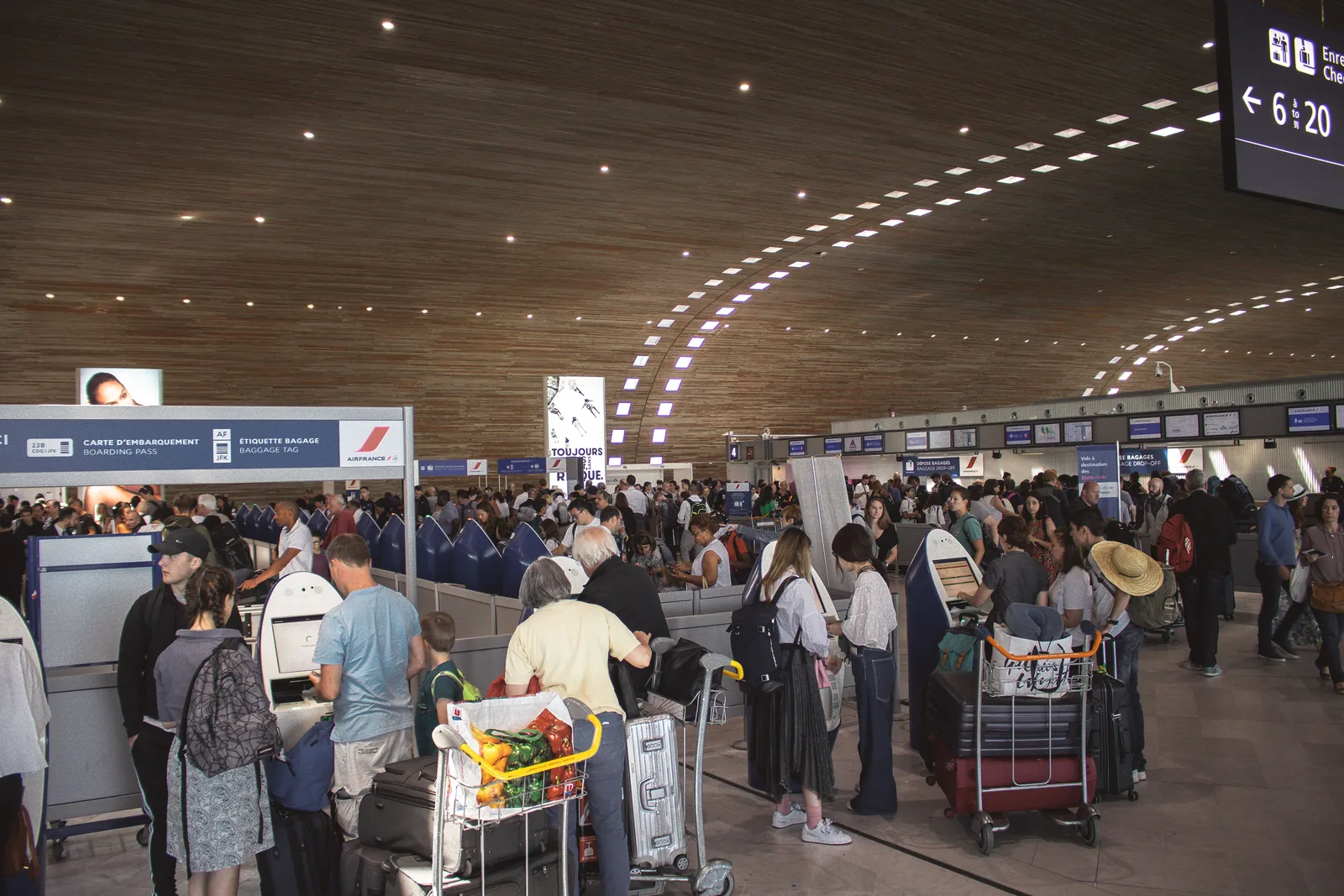
Special meal codes, names, deadlines, and availability vary by airline and route. A meal labeled gluten-free, vegetarian, vegan, or low-allergen does not automatically meet your specific allergy needs, and a special meal is not a custom allergen-free preparation. Use the carrier's current booking process, save the confirmation, and ask what happens on codeshare or short regional segments.
Treat the special meal as an option, not your only food plan. It can be unavailable, delayed, mislabeled, or unsuitable for your particular restriction. Bring solid, sealed food you know you can eat for each flight segment and layover, subject to the departure and arrival countries' customs rules.
Build an allergy card before you fly, so gate staff and cabin crew understand the allergy at a glance, in their language.
Build My Allergy Card →In-flight risk: buffer zones and cross-contamination
A "buffer zone" is a measure some airlines offer for particular allergies. It may involve an announcement asking nearby passengers not to open certain snacks, or a decision not to serve that allergen on that sector. It is not an allergen-free cabin. Other passengers may bring food onboard, and cleaning procedures vary between aircraft and airports.
Practical steps that may reduce contact include wiping your tray table and armrests with your own wipes, avoiding the seatback pocket for items you will touch and then bring to your face, and choosing sealed food instead of open snacks. Cleaning is not a guarantee of allergen removal. If you have a severe allergy, tell the cabin crew directly after boarding and show your written card; a booking note may not reach every crew member.
Carrying medication through security
Prescribed emergency medication belongs in your cabin bag, but screening rules are jurisdiction-specific. The US TSA medication guidance is useful for US departures, not a universal rule for every airport. Keep pharmacy labeling and supporting documents with the medication, check each airport's current instructions, and ask the screening officer how to present it.
Keep medication with you, not in checked luggage or a bag you cannot reach. On a multi-leg itinerary, check the aviation-security and import rules for every airport and country you will pass through; requirements can differ even when the medication is medically necessary.
Carry the amount specified by your clinician or personal action plan, plus any backup your clinician recommends for the itinerary. Keep the prescription and replacement plan accessible. Travel insurance that explicitly covers prescription medication replacement may help with a loss, but check the policy wording before purchase.
Frequently asked questions
Should I tell the airline about my food allergy before I fly?
Yes, as early as possible. Add the allergy to the booking or contact the airline's assistance team, then check the current deadline and policy for the operating carrier. This may start a meal request or place a note on the booking, but it does not guarantee an allergen-free cabin or suitable meal. Keep your own food, medication, and communication plan ready.
How do I request an allergy meal on a flight?
Use the airline's current “Manage My Booking” process or contact its assistance team. Deadlines, meal codes, routes, and codeshare responsibility vary. A special meal is a substitution, not an allergen-free cabin or custom allergen-free preparation. Carry backup food you know you can eat for delays and connections.
Can airlines guarantee a peanut-free or allergen-free flight?
Do not treat a flight as allergen-free. Other passengers may bring the allergen, and airline cleaning and service procedures vary. Some carriers offer a buffer-zone announcement or avoid serving a specific allergen on a sector, but these are risk-reduction measures rather than guarantees. Read the current policy for the operating carrier and route.
Can I bring an EpiPen through airport security?
Carry prescribed emergency medication in your cabin bag and check the rules for every airport on the itinerary. The US TSA medication guidance is specific to US departures, not a universal rule. Keep pharmacy labeling and supporting documents with the medication, and ask the screening officer how to present it.
This article is for informational and travel preparation purposes only and does not constitute medical advice. Always consult a qualified healthcare professional before traveling with a food allergy, and carry any prescribed emergency medication at all times. See our full medical disclaimer.