 AllergyPass
Food Allergies in Portugal:
Seafood, Sulphites, and EU Law in Practice
Portugal follows the EU allergen-information framework. The practical questions are recipe-specific: fish and shellfish can appear in stocks and rice dishes, wine may contain sulphites, and peanuts or tree nuts can appear in snacks and pastries.
 Portugal
In this guide
EU allergen law in Portugal
Portugal is an EU member state and follows the Food Information to Consumers (FIC) Regulation. The framework covers 14 designated allergens. For packaged food, an allergen used as an ingredient must be emphasised in the ingredient list; for non-prepacked food such as restaurant meals, allergen information must be provided, with some details of presentation set by national rules.
The 14 mandatory EU allergens are: cereals containing gluten (wheat, rye, barley, oats, spelt), crustaceans, eggs, fish, peanuts, soybeans, milk and dairy, tree nuts (almonds, hazelnuts, walnuts, cashews, pecans, Brazil nuts, pistachios, macadamia), celery, mustard, sesame, sulphur dioxide and sulphites (above 10mg/kg or 10mg/litre), lupin, and molluscs.
A menu does not necessarily show the information in the format you need. Ask who can check the recipe and request the restaurant’s written matrix, menu key, or a confirmed answer from the kitchen. The law does not guarantee that the kitchen has prevented cross-contact, so ask separately about shared oil, utensils, boards, grills, and stock pots.
Hidden allergens in Portuguese cuisine
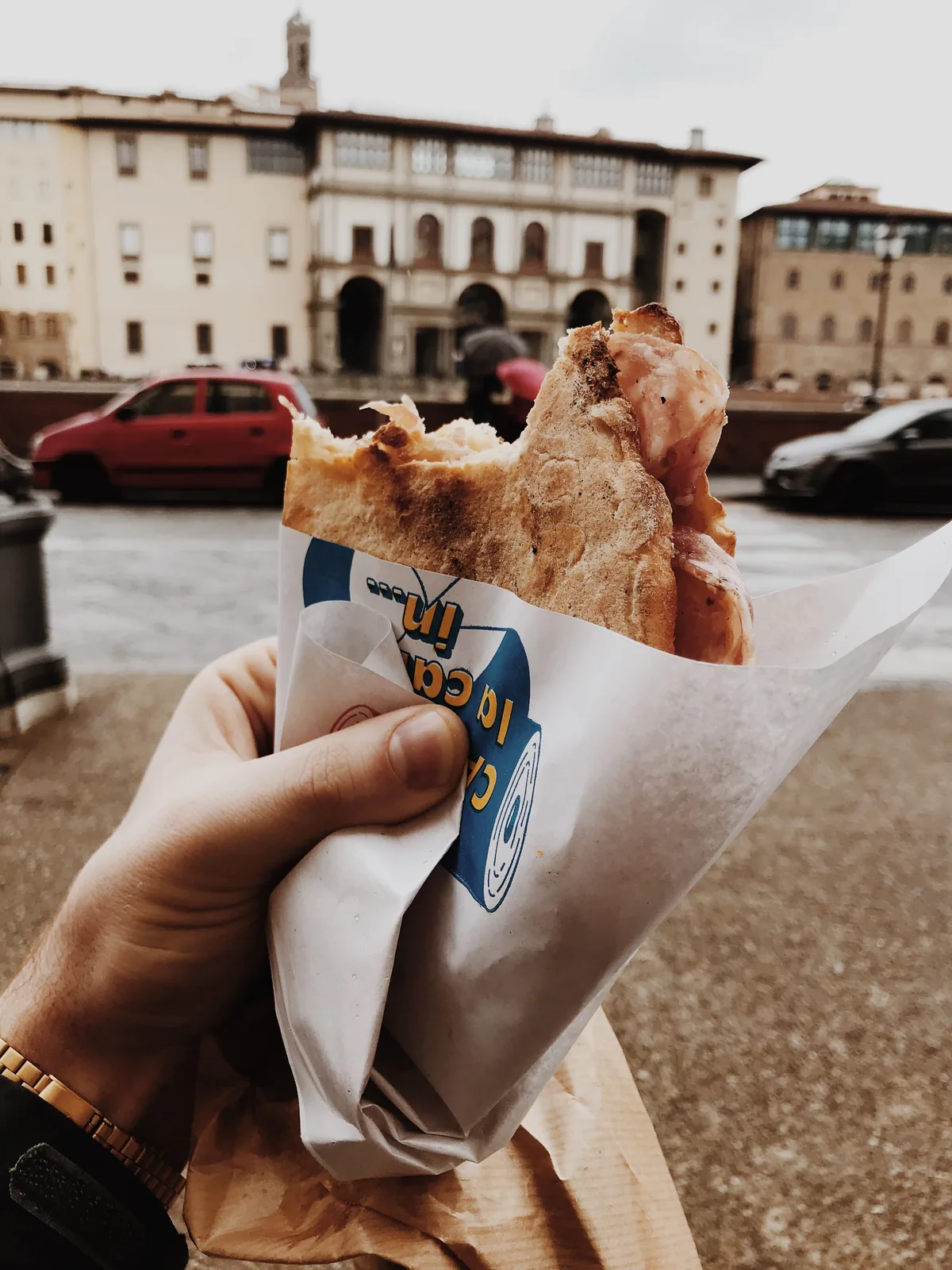
Fish: check stocks, rice dishes, and familiar names
Bacalhau is dried and salted cod, so it must be avoided with a fish allergy. It appears in croquettes (pasteis de bacalhau), rice dishes, soups, stews, and gratins. Ask about stocks and sauces as well as the named ingredient; a short menu label may not describe the full preparation.
Grilled fish is common in coastal regions, and fish stock may be used in soups, rice dishes, and sauces. Caldeirada is a fish stew; caldo verde varies by recipe. Ask what stock is used even when the menu appears meat-focused.
Shellfish: in rice, stocks, and coastal menus
Shellfish (marisco) is common in coastal cities and the Algarve. Clams, prawns, shrimp, barnacles, and lobster can appear in cataplana, arroz de marisco, and stock-based preparations. Ask whether a dish uses shellfish stock and whether the pan, grill, or utensils are shared.
Seafood-focused kitchens may use the same grills, surfaces, pans, or oils for shellfish and other dishes. An inland or meat-focused venue may make the conversation easier, but it is not automatically free of seafood; ask before ordering.
Sulphites: check wine and preserved foods
Sulphites (sulfur dioxide, SO2) are used in some wines and preserved foods. EU rules require a wine containing sulphites above the regulated threshold to declare them on the label. Check the bottle or ask staff to show you the product information rather than assuming that a wine’s name or region answers the question.
Sensitivity varies, and sulphites can also appear in some dried fruits, preserved fish products, and vinegar-based condiments. Check the label when buying packaged food and ask about the product when eating out.
Wheat and eggs: in pastries and iconic dishes
Wheat (trigo) is the base of Portugal's rich pastry culture. Pastel de nata (Portuguese custard tart) usually contains wheat pastry, eggs, and dairy. Pão de Deus (sweet bread rolls), bolos (cakes), and many pastry-shop offerings also contain wheat, so ask about the actual recipe and shared trays.
Eggs (ovos) are deeply embedded in Portuguese baking. Conventual sweets (doces conventuais), a category of traditional sweets originating from Portuguese convents, often use egg yolks and sugar. Ovos moles (soft eggs), bolo de mel (molasses cake), and toucinho do ceu (almond and egg cake) are examples. Portuguese dessert culture is one of the most egg-intensive in Europe.
Peanuts: in snacks and pastry fillings
Peanuts (amendoins) appear in some bar snacks, sweets, nougat, and pastry fillings. Ask whether the product uses peanut or another nut, and whether the same trays, scoops, or surfaces handle multiple nut types.
Almonds and walnuts are also common in regional desserts. A severe peanut allergy should be stated explicitly, along with the need to avoid cross-contact.
Gluten and tree nuts in regional sweets
Almond (amêndoa) is a cornerstone of southern Portuguese and Algarve pastry. Marzipan-style sweets shaped as fruit (frutas de amêndoa), almond cakes (bolo de amêndoa), and regional confections use almond. Ask about the specific nut and shared pastry equipment, especially at counters handling several fillings.
Walnut (noz) appears in bolo de mel (Madeiran molasses cake) and several regional bread and cake recipes. Hazelnut features in chocolate confections and some pastry fillings. Cross-contact between different nut types at the same counter is possible.
Get a Portuguese-English allergy card covering fish, shellfish, sulphites, and all EU 14 allergens
Build My Portugal CardKey Portuguese phrases for allergy communication
- Tenho alergia alimentar grave a [allergen]: I have a serious food allergy to [allergen]
- Sou alérgico/a a peixe: I am allergic to fish
- Sou alérgico/a a marisco: I am allergic to shellfish
- Sou alérgico/a a amendoins: I am allergic to peanuts
- Sou alérgico/a a gluten (trigo, centeio, cevada): I am allergic to gluten (wheat, rye, barley)
- Sou alérgico/a a leite e lacticinios: I am allergic to milk and dairy
- Sou alérgico/a a ovos: I am allergic to eggs
- Esta alergia pode ser fatal: This allergy can be fatal
- Este prato contém peixe ou caldo de peixe?: Does this dish contain fish or fish stock?
- Pode confirmar os ingredientes com o cozinheiro?: Can you confirm the ingredients with the chef?
- Preciso de ajuda médica urgente: I need urgent medical help (emergency)
Portuguese dishes that need closer checking
Choosing a dining format in Portugal
Restaurants in Lisbon and Porto: A reservation gives you time to send a Portuguese card and ask who can check the recipe. Do not treat a modern venue, tourist district, or English-speaking server as proof that the kitchen can control cross-contact.
Traditional tascas (family-run restaurants): Allergen processes may be informal. Show the card before ordering and ask about the full recipe, stock, fryer, grill, and utensils. If the answer is “probably” or staff cannot ask the kitchen, choose another place.
Pastelarias (pastry shops): Wheat, eggs, dairy, and nuts may be handled together. Ask about the exact item and shared trays or tongs; a display label or a familiar pastry name is not enough for a severe allergy.
Supermarkets (Continente, Pingo Doce, Lidl): Packaged-food labels follow the EU framework, so they can be a useful backup. Read every ingredient list, check precautionary statements, and remember that open bakery and deli counters are not the same as sealed packaged food.
Inland Portugal vs. coastal areas: Menus and recipes change by region, but geography is not a guarantee. A meat-focused dish inland can still use fish stock or shared equipment, while a coastal restaurant may be able to explain a separate preparation. Ask about the venue in front of you.
Emergency information for Portugal
- Emergency number: 112 (European emergency number, covers police, fire, medical)
- Medical emergency: Call 112 and follow your personal emergency action plan. The Portuguese emergency medical institute (INEM) coordinates medical response.
- Medication: Carry your prescribed emergency medication with you; do not rely on finding a pharmacy during a severe reaction.
- Key emergency phrase: Estou a ter uma reação alérgica grave, ligue 112 — I am having a severe allergic reaction, call 112.
Communicate your allergy clearly in Portugal. Generate a Portuguese-English allergy card covering all EU 14 mandatory allergens: including fish, shellfish, sulphites, and peanuts.
Build My Portugal CardA first-hand account
Everything above comes from regulation and documented practice, which is the part that can be checked. What it cannot give you is the texture of a real trip. Cindi at An Easy Journey traveled Portugal with a family member managing life-threatening allergies, and wrote up how the restaurants, the language barrier and the daily risk calls actually went. Her account informs none of the guidance here. It stands next to it.
How this guide was researched
This guide draws on the EU Food Information to Consumers (FIC) Regulation, Portuguese national food safety guidance, established knowledge of Portuguese culinary traditions and ingredient use, and best practices in travel allergy communication. Regulatory and medical specifics are cross-checked against official EU and Portuguese government sources. This guide is reviewed periodically to reflect changes in regulation and on-the-ground restaurant practice.
Sources and references
- European Commission: Food Information to Consumers Regulation (EU No. 1169/2011)
- ASAE (Portuguese Food and Economic Security Authority): allergen and food safety guidance
- European Emergency Number Association (112)
- INEM: Instituto Nacional de Emergencia Medica
Frequently asked questions
How should I plan for food allergies in Portugal?
Portugal follows the EU allergen-information framework, but ingredient information is not the same as a cross-contact guarantee. Carry a Portuguese-language card, ask the kitchen about the exact recipe and shared equipment, and pay particular attention to fish, shellfish, stocks, wine, pastries, and shared fryers. If staff cannot check, use a packaged backup or choose another venue.
What should I check first in Portuguese food?
Start with fish and shellfish in bacalhau, soups, rice dishes, sauces, and coastal menus. Also check sulphites in wine and preserved foods, wheat and eggs in pastries such as pastel de nata, and peanuts or tree nuts in snacks and sweets. Recipes vary, so treat these as questions to ask rather than country-wide guarantees.
Does pastel de nata contain allergens?
A standard pastel de nata contains wheat in the pastry and egg and dairy in the custard. A pastry counter may also handle several allergen-containing products side by side, so ask about the recipe and shared trays or utensils rather than relying on the name alone.
How do you say food allergy in Portuguese?
Tenho alergia alimentar grave a [allergen]: I have a serious food allergy to [allergen]. For fish: Sou alérgico/a a peixe. For shellfish: Sou alérgico/a a marisco. For severity: Esta alergia pode ser fatal. A written card in Portuguese is more reliable than verbal communication in a busy restaurant.
Can I eat bacalhau with a fish allergy?
No. Bacalhau is salt cod, so it must be avoided with a fish allergy. It appears in croquettes, rice dishes, soups, stews, gratins, and stocks, sometimes in ways that are not obvious from a short menu description. Flag the allergy before ordering and ask the kitchen to check the full preparation.
This article is for informational and travel preparation purposes only and does not constitute medical advice. Always consult a qualified healthcare professional before traveling with a food allergy, and carry any prescribed emergency medication at all times. See our full medical disclaimer.