 AllergyPass
How to Choose a Bangkok
Food Tour with Food Allergies
A food allergy does not automatically rule out a Bangkok food experience, but the format and the operator's answers matter. Compare tour styles, ask specific questions before booking, and keep a clear plan for any stop that cannot accommodate you.
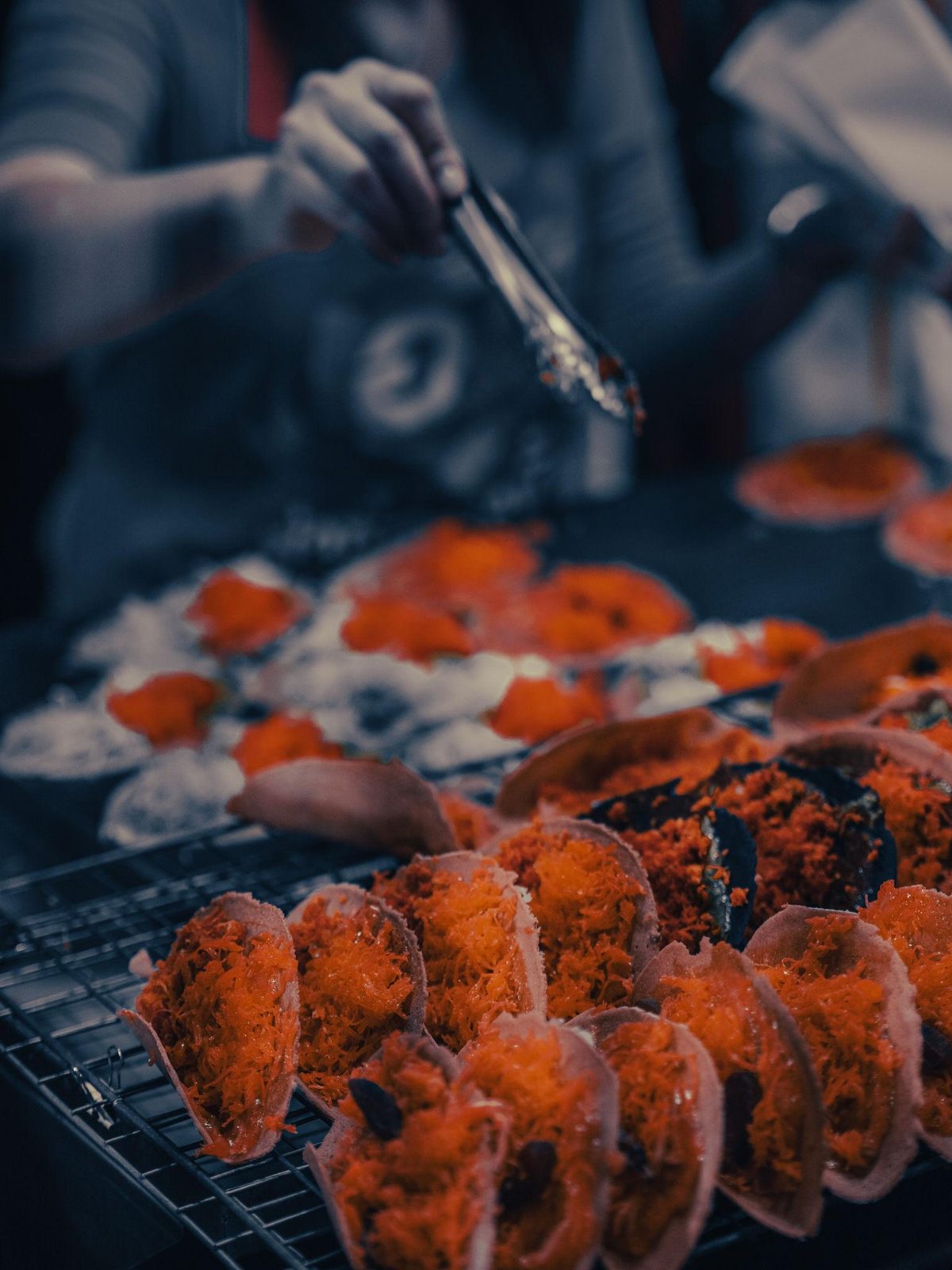 Bangkok, Thailand
The core challenge with Bangkok food tours and allergies

Thai cuisine's recurring allergy risks are often hidden in sauces, pastes, garnishes, and shared equipment. Fish sauce is common in many savory dishes; shrimp paste (kapi) appears in some curry pastes and dips; and peanuts or dried shrimp appear in dishes from pad thai to satay to green papaya salad. A tour operator should confirm the actual itinerary and recipes rather than promise that every vendor can modify every dish.
On a group street-food tour, the guide may need to move several people through multiple stops on a fixed schedule. That can leave little time to confirm the actual recipe, cooking oil, utensils, and cross-contact controls at each vendor. Ask the operator whether the guide will brief each vendor, change the route, or let you skip a stop when the answer is uncertain. If the operator cannot explain the process, treat that as useful information before booking.
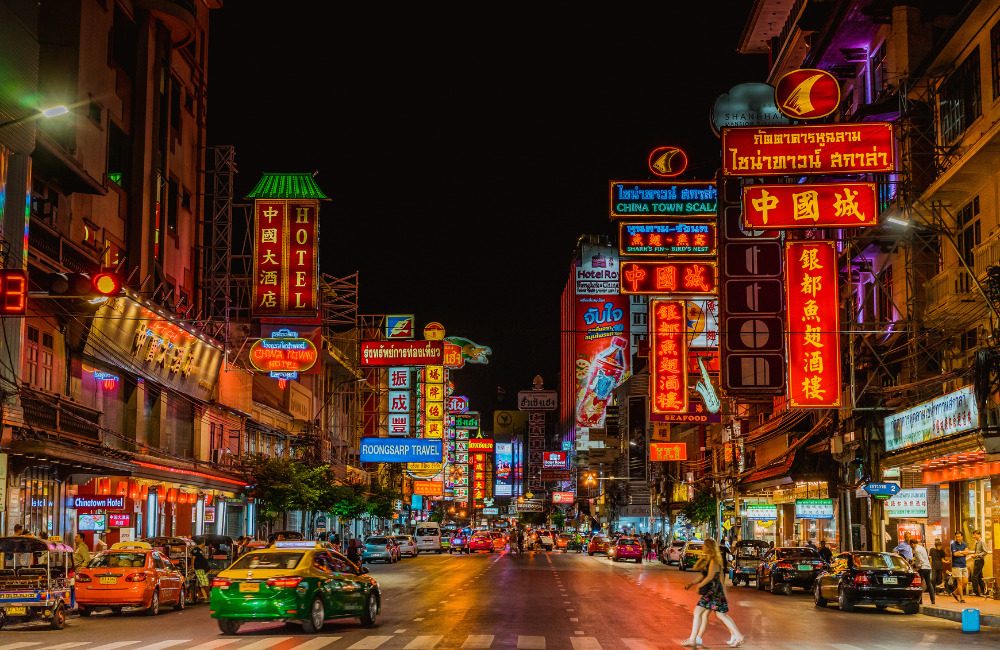
Bangkok cooking classes: easier to screen, not automatically safe
A Thai cooking class can be easier to screen because one instructor can discuss the menu, ingredients, and substitutions with you before the class. You still need to ask about pastes, sauces, shared tools, prep surfaces, and whether the instructor can actually change the recipe.
Class formats vary. Some include a market visit; others use a fixed ingredient list in a teaching kitchen. Ask how many dishes you will cook, which ingredients are fixed, and whether the class can omit or replace your specific allergen. A substitution is only useful if the replacement and the rest of the recipe also fit your allergy plan: soy sauce is not a universal substitute for fish sauce, and a curry paste may contain more than one allergen.
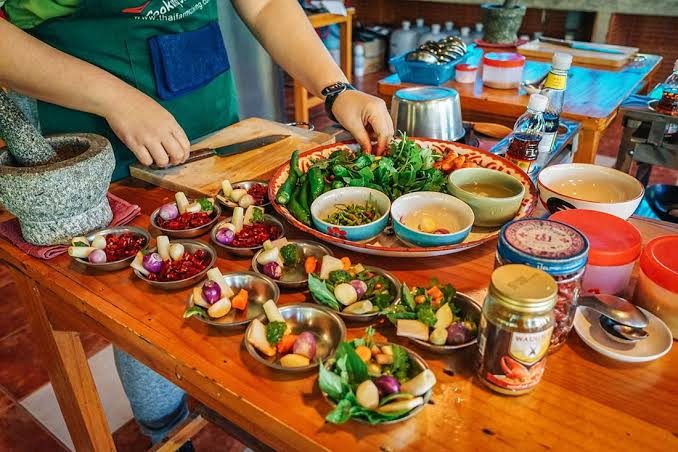
When comparing Bangkok cooking classes, look for operators that list a real allergy-contact process, offer private or small-group options, and let you speak with the instructor before the class. A culinary-school setting may be more structured, but the setting alone does not establish that the kitchen can manage your allergy.
Browse Bangkok cooking classes and food experiences with advance booking and operator messaging.
Try "Hands-On Thai Cooking Class"Restaurant-based food tours: how to screen operators
If you want a street-food experience, look for an operator who offers pre-tour communication and can explain how the route changes when a vendor cannot answer. A restaurant-based route may allow more advance notice and a slower meal, but it still needs dish-by-dish confirmation.
The screening questions to ask before booking any food tour:
- Can I communicate my specific food allergy to the guide before the tour date?
- Will the guide pre-brief each restaurant about my allergen before we arrive?
- Can you modify the tour stop list or let me skip a vendor who cannot answer my questions?
- What is the group size, pace, and time available at each stop?
- Are the restaurants on the tour sit-down establishments or street stalls?
Look for operational answers, not just confidence: who briefs the vendor, what ingredients are checked, how the guide handles shared equipment, and what happens if the answer is uncertain. A generic "yes, we accommodate all dietary needs" does not tell you enough to make a decision.
Search Bangkok food tours, filter by group size and read operator reviews mentioning dietary accommodations.
Try "Bangkok Food Bus Tour"What to bring on any food experience
Regardless of the tour format you choose, two things belong with you on any Bangkok food experience.
Your Thai-language allergy card. Your guide will communicate with vendors in Thai. Having a written card that lists your allergens in Thai (including derivative ingredients) gives your guide a clear, accurate reference to show vendors. It removes the translation ambiguity between what you said in English and what the guide conveys in Thai. Print a Thai allergy card for travel before your tour.
Your prescribed emergency medication. Keep it accessible according to your personal action plan, not in checked luggage or back at the hotel. A food tour is an active eating situation, so the medication should travel with you.
Frequently asked questions
Can you do a food tour in Bangkok with a food allergy?
Possibly, if the operator can discuss your specific allergen and the format gives enough time to verify each dish. Private or small-group tours and cooking classes may be easier to screen than fast-paced street-food groups, but no format guarantees a safe meal. Tell the operator about your allergy before booking and decide in advance what you will do if a vendor cannot answer.
What allergy risks are on Bangkok food tours?
Common questions include fish sauce, shrimp paste, peanuts, dried shrimp, shared woks, utensils, frying oil, and garnishes. The exact risk depends on the dish and vendor. A fast-paced street-food route can leave little time to verify recipes or cross-contact; a sit-down format may allow more advance communication, but still requires a specific answer from each restaurant.
Are Bangkok cooking classes safer for allergy travelers?
A cooking class may be easier to screen because you can discuss the menu and substitutions with one instructor before the class. It still does not guarantee that every ingredient, paste, tool, or shared surface is suitable. Ask whether the menu can be changed for your specific allergen and how the class handles cross-contact before booking.
Planning sources
For general cross-contact planning, see FARE's cross-contact guidance and its food allergy chef-card guidance. For a medical emergency in Thailand, the National Institute for Emergency Medicine lists 1669 emergency medical services.
This article is for informational and travel preparation purposes only and does not constitute medical advice. Always consult a qualified healthcare professional before traveling with a food allergy, and carry any prescribed emergency medication at all times. See our full medical disclaimer.