 AllergyPass
Nice Food Allergy
Travel Guide
Nice is a city of markets, seafood, olive oil, and chickpea-based socca. The useful questions are usually quite specific: what is in the dressing, which bread or batter was used, and what has touched the griddle or serving tools? This guide focuses on those questions before you choose a stall, restaurant, or day trip.
 Nice, France
Make the card before you fly. It is useful at Cours Saleya, small restaurants, and any stop where you may not share a language with the person cooking.
Build My Nice Allergy CardThe Nice allergen problem in plain terms
Nice's food identity runs through the Niçoise repertoire, but recipes are not fixed across every restaurant or stall. Salade niçoise may include anchovy or tuna, egg, olives, and vegetables; pissaladière is commonly associated with anchovy and olives; pan bagnat usually combines bread with tuna or other fillings and a seasoned dressing. Ask what is in the particular version and whether the ingredient is mixed into a dressing, filling, or topping.
Socca is traditionally made with chickpea flour, water, and olive oil, but a wheat-free batter does not tell you how a particular stall handles cross-contact. Ask whether the batter contains wheat and whether the pan, ladle, oven, or griddle is shared with crêpes, galettes, or other wheat foods. If you must avoid cross-contact, an unclear answer is a reason to skip it.
Underneath fish and socca, Nice has the same structural French risks covered in the country-wide hidden allergens guide: bread and pastry, sauces, shared fryers, and dishes whose recipes change from one kitchen to another. Soupe au pistou may be served with grated cheese or cheese on the side, so ask how the particular bowl is finished rather than relying on the name.
Nice questions worth asking
- Salade niçoise and pan bagnat: are anchovy, tuna, egg, mustard, or another ingredient you avoid in this version?
- Socca: does the batter contain wheat, and are the pan, ladle, oven, or griddle shared?
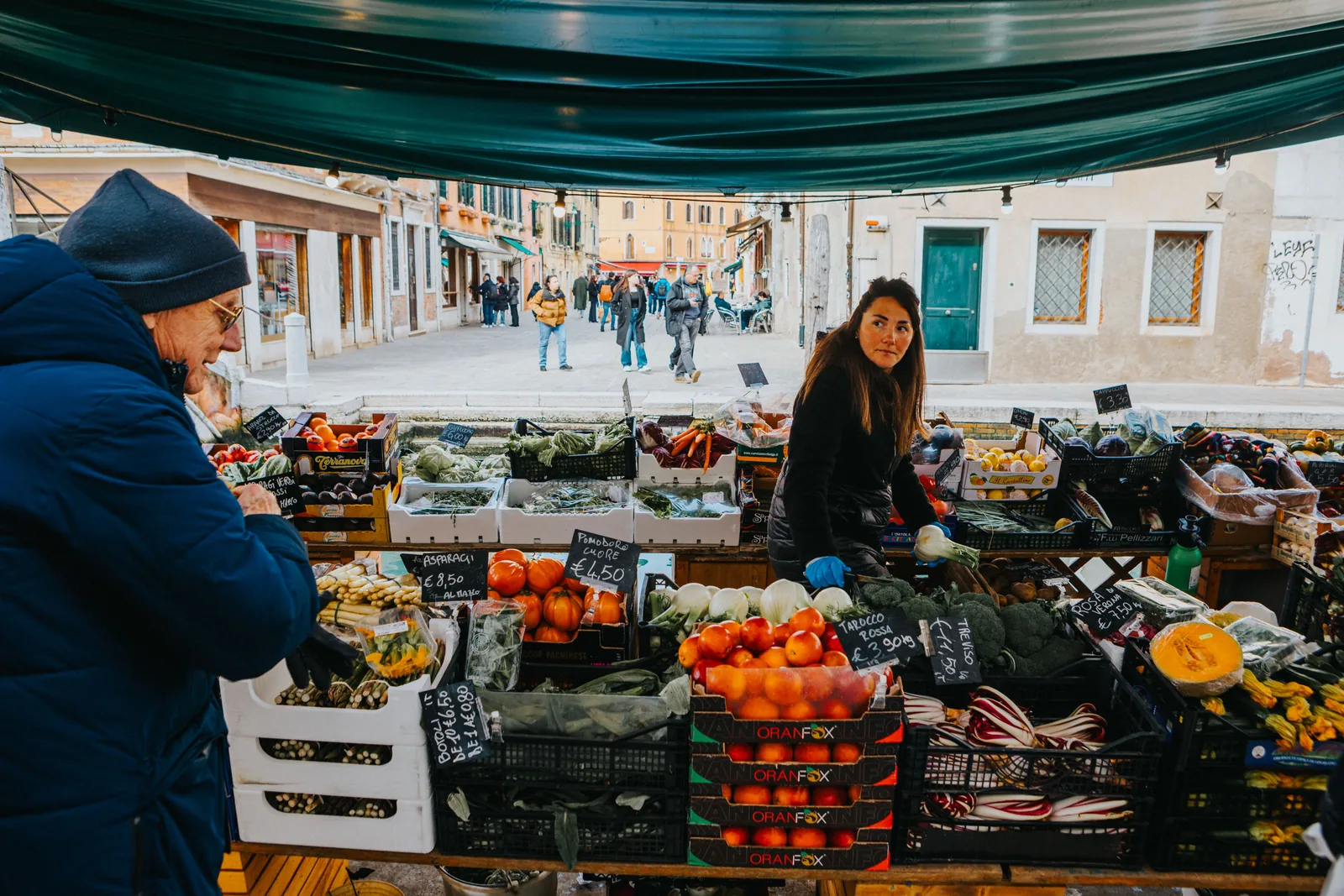
- Markets: are tongs, boards, trays, fryers, or display cases shared?
- Soupe au pistou: is cheese in the soup, served on top, or added at the table?
Related guides
Start with the country guide, then use the emergency and Bordeaux pages if your trip goes beyond Nice.
Escargots, crêpes, moules-frites, and the cheese course: the allergens the standard warnings don't cover.
Country guideRestaurant allergen rules, hidden dairy and sesame, and a French allergy card for clearer communication.
EmergencyEmergency numbers, what public urgences costs a visitor, and travel insurance guidance.
Sibling cityWine-country sulphites and canelé's egg-and-dairy risk have their own profile. The Bordeaux-specific guide.
Your Nice allergy card
A written French-language allergy card gives a restaurant or market stall a clear starting point: it names ingredients such as anchois, œuf, and fromage instead of relying on a rushed translation. France also requires written information about allergenic ingredients in food and drink served by restaurants, although you should still ask directly when a dish or preparation is unclear. The French government explains the rule in its restaurant allergen-information guidance.
Where to base yourself in Nice
Vieux Nice puts you close to Cours Saleya, markets, and many small food businesses. The Promenade des Anglais area may suit a hotel-based plan or an itinerary built around the seafront. Choose between them based on the specific restaurants, kitchen access, transport, and medication storage you can verify—not on a neighborhood-wide promise about allergy handling.
If you plan a trip into the hills or along the coast, save the exact address of each stop and decide how you would return to a larger medical service if needed. Carry your prescribed medication. For a severe reaction, follow your emergency plan, use prescribed epinephrine when indicated, and call 15 for medical emergency services or 112. CHU de Nice publishes current information for its emergency services on its emergency page; France's official emergency-number guidance is available through Service-Public.fr.
A first-hand account
The guidance here is based on French and EU rules plus current local sources. For a family's lived experience, Cindi at An Easy Journey traveled through Nice, the lavender routes inland, and Monaco with food allergies. Her restaurant-by-restaurant account includes stops that did not work out; use it for ideas, not as a guarantee about any venue.
Frequently asked questions
What should I ask about socca and shared griddles?
Socca batter is traditionally made with chickpea flour, water, and olive oil, but ask whether this batch contains wheat and whether the pan, ladle, oven, or griddle is shared with crêpes, galettes, or other wheat foods. If you must avoid cross-contact, do not assume a wheat-free recipe is enough.
What should I ask about salade niçoise and pan bagnat?
Recipes vary, so ask whether the dish contains anchovy, tuna, egg, mustard, or another ingredient you avoid, and whether those ingredients are mixed into a dressing or filling. In a pan bagnat, also ask about the bread and the preparation surface.
What should I check at Nice markets and restaurants?
Use a written card in French, ask for the ingredient information, and ask how the food is prepared. At markets, check shared tongs, boards, trays, fryers, and display cases. At restaurants, ask directly when a menu description is incomplete; written allergen information does not guarantee that cross-contact is absent.