 AllergyPass
Food Allergies in France:
What the EU Rules Mean at the Table
Food allergies in France sit under the EU 14-allergen framework, and allergen information for non-prepacked food must be made available to consumers. That information does not guarantee a separate kitchen preparation or eliminate cross-contact, so the useful questions are about the exact dish, sauces, and equipment.
 France
In this guide
The four things to know before you order
- What the rules cover
- The EU 14 allergens must be declared when present.
- What they do not cover
- Disclosure does not guarantee protection from cross-contact.
- What to ask about
- Sauces, butter, flour, stock, garnishes, and shared equipment.
- What to carry
- A written French allergy card that names each allergen clearly.
Paris and France guides
Covered markets, boulangerie and patisserie questions, supermarket chains, and Paris dishes to check closely.
Accommodation guideMarais, Saint-Germain, Bastille, and Batignolles compared by market access, hospital proximity, and kitchen reliability.
Language guideEvery major allergen written in French with pronunciation, and how to get it all on one written card.
Allergen guideHow France compares to other countries for gluten-free travel, and where dedicated gluten-free bakeries cluster in Paris.
What EU allergen law actually requires in France
France follows the EU Food Information to Consumers (FIC) rules and French implementing rules. For non-prepacked food, including restaurant meals, the allergen information must be written and available to the customer. It may be on the menu, on a sign, or in a notebook or other document that staff can show you; it does not have to be printed beside every dish.
Look for the written allergen information or ask staff to show it. Then check that it matches the dish as it is prepared today, especially when there is a daily menu, garnish, sauce, or last-minute change.
Hidden allergens in French cuisine
Dairy: check butter, cream, and cheese separately
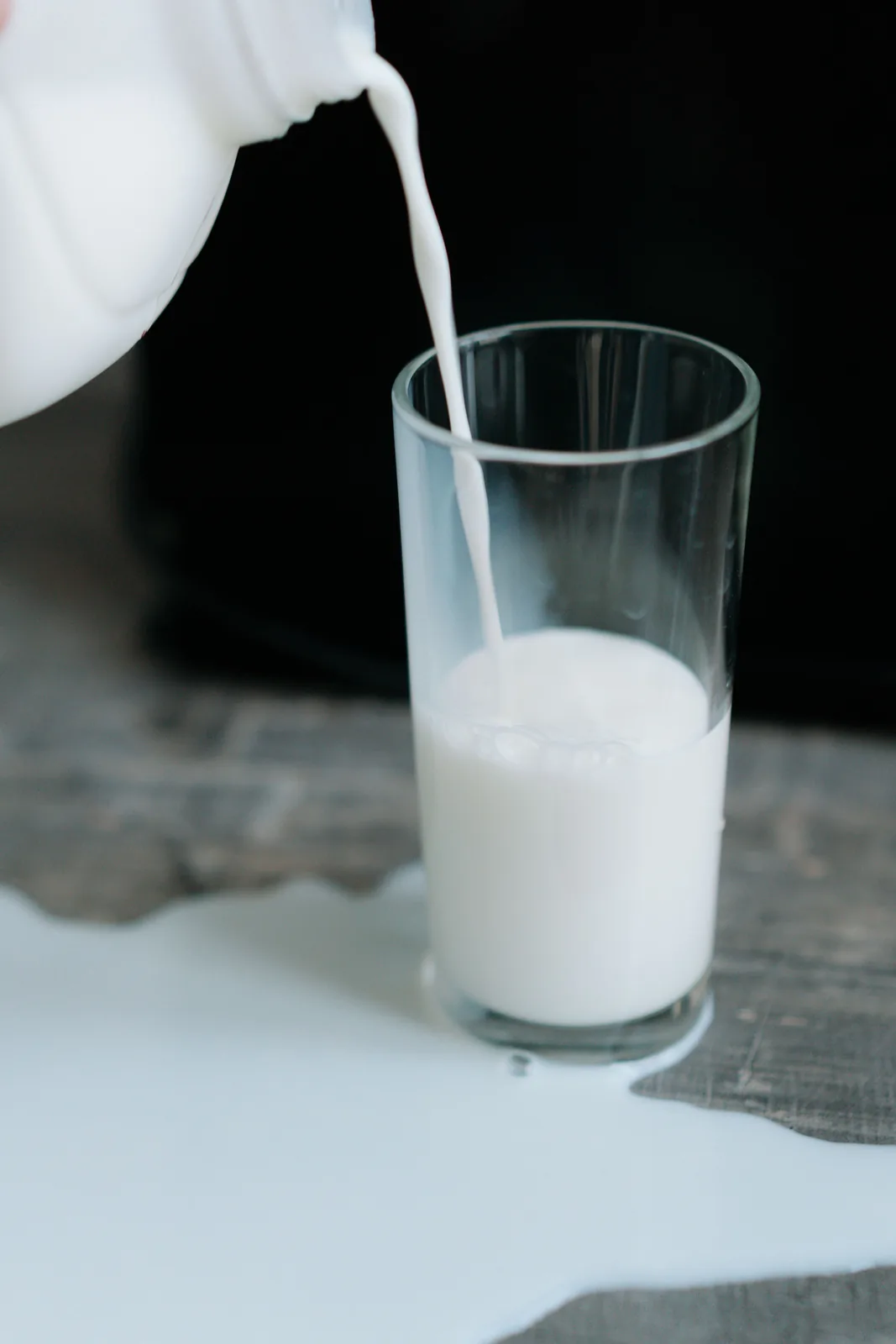
Butter (beurre) is used in sauces such as beurre blanc, beurre noisette, hollandaise, and béarnaise. Cream (crème fraîche, crème double) appears in some soups, gratins, pasta dishes, and sauces. A kitchen may also finish a dish with butter at the last moment, a technique called "monter au beurre," so the menu description may not tell you everything.
For dairy allergy, ask about butter, cream, cheese, milk, and the cooking surface separately. A written card should name the relevant ingredient or derivative for clarity. Lactose intolerance is different from milk allergy, so use the wording that matches your medical advice.
Gluten and wheat: in the sauces, not just the bread
Wheat flour is a common thickening agent for French sauces (roux, velouté, béchamel). Some classical sauces therefore contain gluten even when the dish is not pasta or bread-based. Breaded dishes (escalope panée, croque-monsieur), quiches, tarts, and pastries are obvious wheat sources. The hidden ones are the brown gravies, cream sauces, and soups that look gluten-free but are thickened with flour.
Dedicated gluten-free bakeries (boulangeries sans gluten) and restaurants exist in Paris and other cities, but availability varies. At a traditional boulangerie, ask about shared trays, tongs, work surfaces, and ovens; a product without wheat in its recipe may still not be suitable for someone who must avoid gluten strictly.
Tree nuts: in desserts, sauces, and pastries
Almond appears in frangipane, some galettes, tarts, and macarons. Praline made with caramelized hazelnuts appears in some chocolates, cakes, and ice creams, and walnut oil (huile de noix) is used in some salads in southwest France. At a pastry counter, ask about the recipe and whether nut-containing products share trays, tongs, or cases.
Mustard and celery: the EU allergens France uses heavily
Mustard (moutarde) is used in some vinaigrettes, sauces, marinades, and dishes such as lapin à la moutarde. Celery (céleri) may appear in stocks (fond), soups, garnishes, and prepared foods as celery salt (sel de céleri). Both are EU-listed allergens that are worth naming on a card written in French.
Ask about both the named ingredient and stock or seasoning blends when relevant.
Peanuts: less central, but present in specific cuisines
Peanuts (arachides) are less central to many classic French dishes than butter or wheat, but they appear in some pralines, nougat, chocolate products, and dishes from other culinary traditions. Peanut sauces (sauce arachide) may appear in West African cooking, while Asian restaurants may use peanuts in sauces or garnishes. Treat the cuisine label as a starting point and ask about the recipe.
Ask directly: sans arachides (without peanuts). Confirm with the kitchen whether peanuts are in the sauce, garnish, oil, dessert, or shared equipment. A card written in French should list peanuts separately from tree nuts so staff can answer the right question.
Sesame: hidden in bread and bakery products
Sesame (sésame) may appear as a topping on breads, buns, and crackers, but it can also be blended into tahini-based sauces, spice mixes, and some dishes from Middle Eastern, North African, and Asian cuisines. Ask about sesame oil as well as whole seeds.
At a bakery, ask whether sesame products share trays, tongs, work surfaces, or ovens with the item you want. A bilingual allergy card that lists sesame by name is clearer than a general request for "seeds."
Fish and shellfish: concentrated in coastal cuisine

Fish and shellfish questions depend on the region, dish, and kitchen. Coastal areas such as Brittany, Normandy, and the Mediterranean coast feature many seafood dishes, but fish stock, anchovy, or shellfish can also appear away from the coast. Bouillabaisse, the Marseille fish stew, traditionally combines several fish species, shellfish, and fish-based stock, so it is a poor choice for many fish or shellfish allergies unless the kitchen can describe a suitable preparation.
Beyond seafood platters (plateau de fruits de mer) and grilled fish, fish may appear as fish stock (fond de poisson), anchovy paste in dressings or tapenade, or a fish derivative in some prepared sauces. At seafood restaurants and market stalls, ask whether surfaces, knives, pans, and fryers are shared with shellfish. Ask about stocks and sauces, not just the named seafood on the menu.
Looking for allergens in French? Build a French-English allergy card covering dairy, sesame, nuts, and the rest of the EU 14 for restaurant staff.
Build My French Allergy CardAllergy in French? Build a French allergy card with your allergens ready to show restaurant staff.
Build My French Allergy CardFrench dishes that need closer checking
Egg appears in French pastry, sauces, and many bistro dishes. If you manage an egg allergy in France or across several destinations, see our dedicated egg allergy travel card guide.
Where allergy communication works best in France

High-end restaurants (restaurants gastronomiques): A tasting menu or complex dish may require advance notice. Call ahead, explain the allergy clearly, and ask whether the kitchen can accommodate it without relying on a last-minute substitution.
Modern bistros and neo-bistros: A shorter menu may make it easier to identify ingredients, but the arrondissement or restaurant style is not a guarantee. Ask whether staff can speak with the kitchen and whether a separate pan or utensils are available.
Supermarkets (Carrefour, Monoprix, Intermarché): Packaged foods generally provide ingredient lists with the EU allergens emphasised when present. Read the complete label, including advisory statements, and remember that loose or prepared foods may follow different information rules.
Traditional boulangeries and patisseries: Ask about wheat, dairy, eggs, nuts, sesame, and shared trays or tongs. A dedicated gluten-free bakery may offer more information or separation, but verify its practices directly.
Traditional bistros and brasseries: Butter, flour, stock, and sauces may be used in dishes that sound simple. Ask directly and confirm with the kitchen, not just the server, especially if cross-contact would be medically serious.
Getting around France
Managing an allergy is easier when you control your own schedule, especially around meal timing and medication, rather than working around a shared group timetable. France's rail network (SNCF/TGV) is the standard way to move between cities; for a self-drive option with pickup at the Paris airport, or for booking hotels ahead of the trip, Trip.com is the affiliate partner AllergyPass uses for France.
Compare self-drive rental cars in France, with pickup at Charles de Gaulle or Orly, if you'd rather control your own route between cities than rely on train timetables. For accommodation, see the Trip.com hotel listings for Paris and Marseille or the dedicated Where to Stay in Paris guide for a neighborhood-level breakdown.
Travel insurance
Check three things before buying a policy for a France trip: does it cover emergency anaphylaxis treatment, does it exclude food allergies as a pre-existing condition, and does it include medical evacuation with a clear coverage limit.
SafetyWing Nomad Insurance is one policy to compare, but its documentation does not name food allergies or anaphylaxis. Review the pre-existing-condition and evacuation terms and get written clarification before buying.
Emergency information for France
If you think you are having anaphylaxis, follow your personal action plan, use prescribed emergency medication as directed, and call for urgent medical help. This page is general travel information, not a replacement for advice from your allergist or doctor.
- Emergency number: 15 (SAMU, medical), 112 (European emergency number)
- American Hospital of Paris — 63 Boulevard Victor Hugo, 92200 Neuilly-sur-Seine, +33 1 46 41 25 25. Private, English-speaking staff throughout, 24/7 emergency unit for patients 16 and older.
- Hôpital Lariboisière (AP-HP) — 2 Rue Ambroise Paré, 75010 Paris, adult emergency department +33 1 49 95 64 45. Public teaching hospital near Gare du Nord, open 24 hours every day.
- Medication: Carry your own prescribed emergency medication and keep it with you rather than in checked luggage. Do not rely on finding a replacement during a reaction.
Avoid Allergy Miscommunication in France. Generate a French-English allergy card covering the EU 14 allergens and show it directly to restaurant staff.
Build My France CardHow this guide was researched
This guide draws on the EU's Food Information to Consumers (FIC) Regulation and related EU allergen rules, French national food labeling and public health guidance, common restaurant industry practices observed across French dining tiers (from packaged retail to fine dining), and established best practices in travel allergy communication, including the use of written translation cards as a supplement to verbal communication. Where regulatory or medical specifics are cited, they are cross-checked against the official sources listed below. This guide is reviewed and updated periodically to reflect changes in regulation and on-the-ground restaurant practice.
Sources and references
- European Commission: Food Information to Consumers Regulation (EU No. 1169/2011)
- French government: restaurant allergen-information guidance
- European Emergency Number Association (112)
- French public health emergency resources (Service-Public.fr)
Frequently asked questions
Is France safe for travelers with food allergies?
France follows the EU 14-allergen framework. For restaurant food, the allergen information must be written and available to customers, but it does not have to appear beside every dish on the main menu. Look for a menu note, sign, list, or notebook, or ask staff to show it. That information covers declared ingredients, not cross-contact, so ask about the actual dish, sauces, butter, flour, stock, and equipment. A written French card can make the conversation clearer, but it is not a guarantee that a kitchen can safely modify a dish.
What are the EU 14 mandatory allergens?
The 14 are cereals containing gluten, crustaceans, eggs, fish, peanuts, soybeans, milk, tree nuts, celery, mustard, sesame, sulphur dioxide and sulphites above 10 mg/kg or 10 mg/l, lupin, and molluscs. The EU food-information regulation requires these allergens to be emphasised in packaged-food ingredient lists and written information to be available for non-prepacked food such as restaurant meals, bakery items, and market food. In France, mustard and celery are especially useful words to recognise: mustard turns up in vinaigrettes and sauces, while celery can be hidden in stocks, soups, and seasoning blends.
Is French food difficult for dairy allergies?
Dairy needs careful checking because butter, cream, and cheese are common in French sauces, pastries, gratins, and finishing steps. A dish may be finished with butter even when the menu does not mention it. Ask about butter, cream, milk, cheese, and the cooking surface separately. If you have lactose intolerance rather than a milk allergy, use the wording and limits that match your medical advice.
Can you eat gluten-free in France?
Yes, but plan around preparation rather than the label alone. Wheat is obvious in bread, quiche, pastry, and breaded food, but flour can also appear in sauces, soups, and gravies. Paris and other French cities have dedicated gluten-free bakeries and restaurants, while availability is less predictable outside larger centres. If you have coeliac disease or must avoid cross-contact, ask how the venue handles shared trays, utensils, work surfaces, and ovens.
This article is for informational and travel preparation purposes only and does not constitute medical advice. Always consult a qualified healthcare professional before traveling with a food allergy, and carry any prescribed emergency medication at all times. See our full medical disclaimer.