 AllergyPass
Egypt Food Allergy
Dishes, Questions & Planning
What's actually in an Egyptian meal? Fava beans anchor ful and ta'ameya, sesame runs through tahini and sweets from Cairo to the Red Sea coast, and wheat shows up in eish baladi bread at nearly every table. Whether you're eating from a koshari cart, a Nile felucca cafe, or a resort buffet, those three ingredients are the ones to ask about first. This hub breaks down the dishes, the phrases, and the planning steps for an allergy-safe trip to Egypt.
 Egypt
Egypt
Prepare an Arabic-English card before you board, then use it with direct recipe and preparation questions.
Build My Egypt Allergy CardIn this hub
Understanding Egyptian food allergens
Egyptian dishes often combine wheat, fava beans, sesame, dairy, and seafood in ways that are easy to miss from the dish name. Eish baladi is a wheat flatbread served with many meals; ful and ta'ameya are commonly made with fava beans; tahini appears in dips, sauces, and sweets; and coastal menus may include fish or shellfish. Ask about the complete recipe and any bread, sauce, topping, or shared cooking surface.
A dish that avoids one named ingredient may still contain another allergen in its bread, sauce, topping, oil, or shared utensil. Communicate the exact concern in writing before ordering, and leave when the answer is vague rather than guessing.
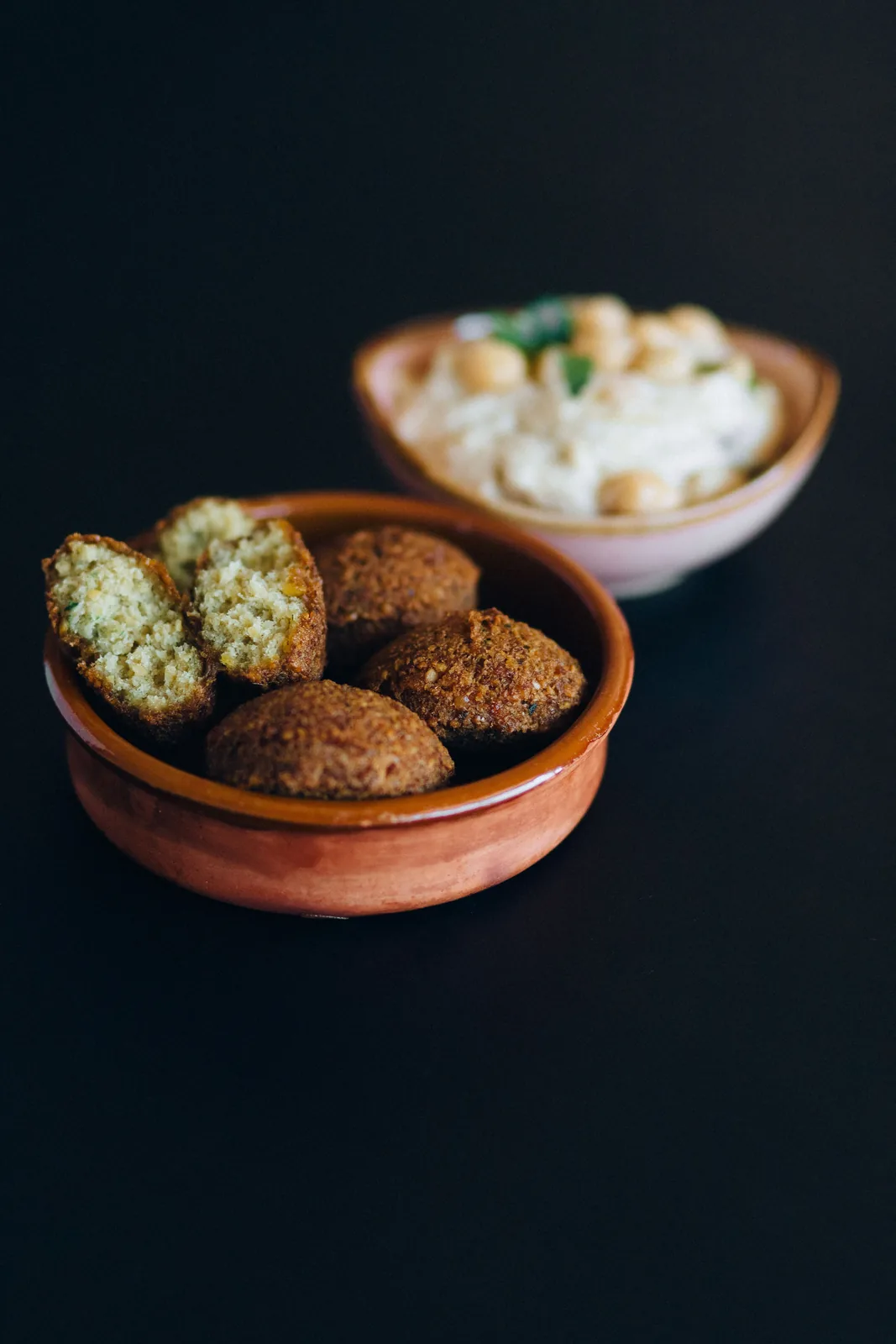
Egypt food questions at a glance
- Wheat: Ask about eish baladi, koshari pasta, fiteer, breading, and shared bakery surfaces.
- Sesame: Check tahini, sauces, dips, halawa, spice mixes, and garnishes.
- Fava beans: Ask about ta'ameya, ful, spreads, and shared fryers. G6PD deficiency is a separate medical issue requiring individual clinical advice.
- Dairy: Check domiati and roumy cheese, ghee, yogurt, pastry fillings, and finishing sauces.
- Fish and shellfish: Ask about the named seafood, stock, paste, and shared grills or fryers.
Key phrases in Egyptian Arabic
A written card carries the detail, while “Ana 3andy hasaseya min...” (“I have an allergy to...”) can open the conversation. Point to the card and ask the server to confirm the ingredients and preparation. A card is a communication aid, not proof that a kitchen has understood or can prevent cross-contact.
Street food and set-menu dining
Street stalls selling ta'ameya, koshari, and shawarma may rely on prepared components, shared pots, fryers, or serving utensils. Ask what is in the base, sauce, topping, bread, and oil; do not assume a larger restaurant, hotel, or cruise kitchen can accommodate an allergy without specific answers in advance.
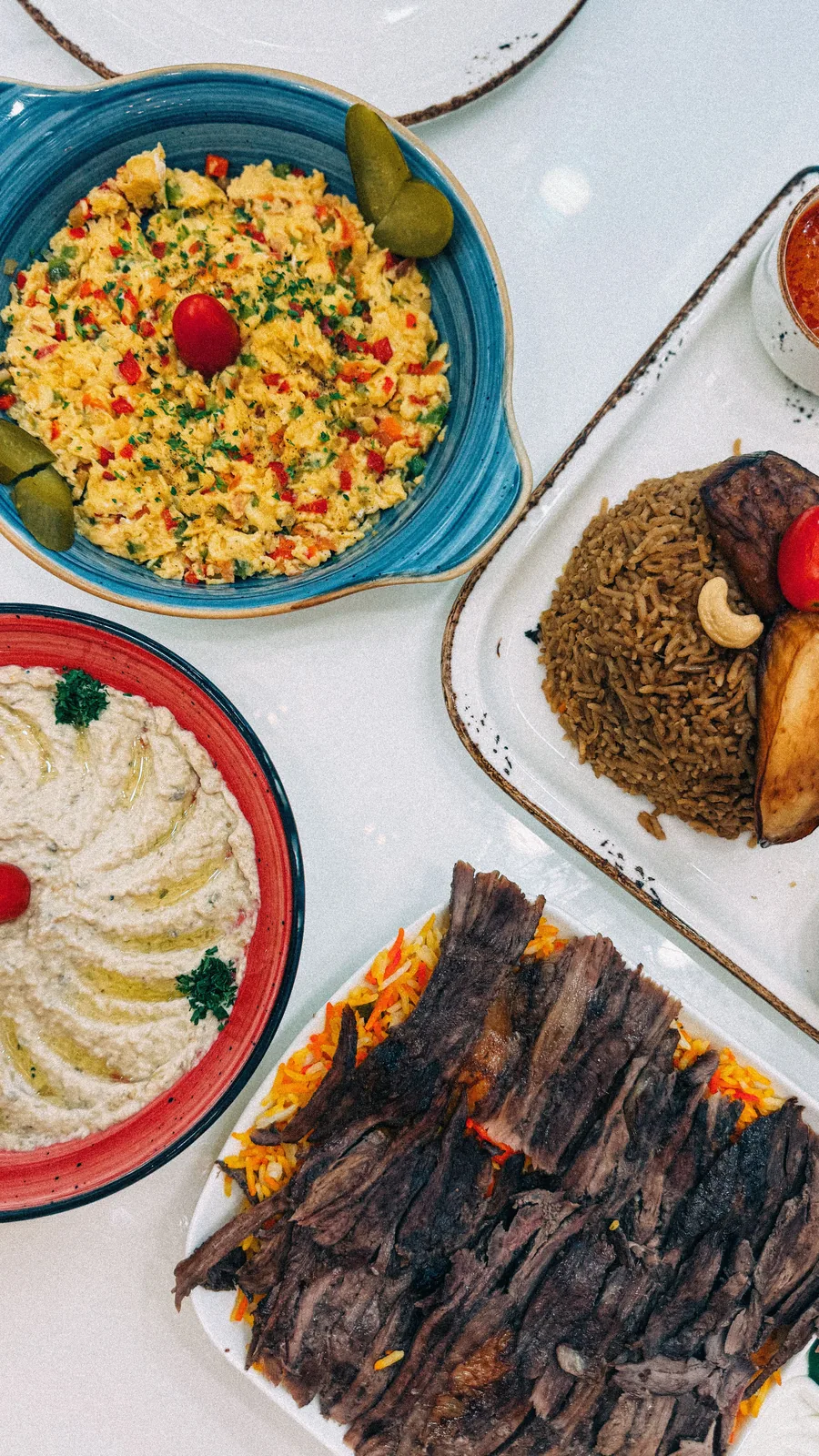
Food safety guides
The complete breakdown of every dish category: which contain fava beans, sesame, wheat, dairy, and fish. Read this before your first meal.
EmergencyPrivate vs public hospitals, pharmacies, and emergency contacts for allergic reactions across Egypt.
City guides
City-specific guides for Egypt are not yet available. Check back soon for detailed food allergy guides for Cairo, Alexandria, Luxor, and the Red Sea resort towns.
Accommodation
Accommodation guides for Egypt are being developed. In the meantime, confirm kitchen facilities and allergy communication protocols with your hotel or Nile cruise operator before arrival.
Experiences
Food experience guides for Egypt are not yet available. Pyramid and temple visits, felucca sailing, and market tours through Khan el-Khalili are best managed with your Arabic-English allergy card and this hub's hidden allergens guide.
Getting around Egypt
Managing an allergy on the move is easier when you control your own schedule rather than a shared group timetable, especially around meal timing and medication. Search trains, buses, and ferries between Egyptian cities below.
For self-drive car hire or an airport transfer instead, compare rental cars in Egypt, pickup at the Cairo airport.
Your Arabic-English allergy card
An Arabic-English allergy card can help you state the exact ingredients you need to avoid and ask the same questions at each stop. It is a communication aid, not a guarantee that a server understands the kitchen or that shared equipment is free from cross-contact.
Build your Egypt allergy card for travel in Arabic and English. Print one copy for your wallet, save a digital version on your phone, and show it before you order at every restaurant, street cart, and Nile cruise dining room.
Emergency
123: Ambulance
122: Police
126: Tourist police
180: Fire brigade
Before travel: Save these numbers and your insurer's assistance line offline
For a serious allergic reaction, use your prescribed emergency medication according to your action plan, call 123 for an ambulance, and seek urgent care. Use a written Arabic-English card to communicate the allergy while help is arranged. Do not delay care while trying to settle insurance questions.
Emergency healthcare in Egypt: private vs public hospitals, pharmacies, and what to do for an allergic reaction.
Read the guide →Travel insurance
Check three things before you buy a policy for an Egypt trip: does it cover emergency anaphylaxis treatment, does it exclude food allergies as a pre-existing condition, and does it include medical evacuation with a clear coverage limit, since evacuation from more remote sites like Upper Egypt's temple towns or a desert excursion can be a genuine logistical challenge.
SafetyWing Nomad Insurance is one policy to compare, but its documentation does not name food allergies or anaphylaxis. Review the pre-existing-condition and evacuation terms and get written clarification before buying.
Pre-trip checklist
Get the full pre-trip checklist and destination guides in your inbox
Subscribe →Complete pre-trip checklist for food allergy travel is available in our free food allergy travel checklist guide.
Frequently asked questions
How should I plan food-allergy travel in Egypt?
Start with the dish and ask about fava beans, sesame, wheat, dairy, seafood, sauces, shared pots, fryers, and utensils. Ta'ameya, ful, tahini, eish baladi, koshari, and regional seafood dishes can involve different ingredients by recipe and venue. Use an Arabic-English card as a communication aid, carry your prescribed emergency medication, and skip food that cannot be explained clearly.
What food-allergy questions matter most in Egyptian food?
Ask whether fava beans, sesame, wheat, dairy, fish, or shellfish are in the dish, sauce, bread, topping, or dessert. For koshari and fried foods, ask about shared pots, oil, serving spoons, and preparation surfaces.
What should I know about fava beans in ta'ameya?
Ta'ameya is traditionally made from fava beans rather than chickpeas. Fava-bean avoidance for a diagnosed food allergy is different from favism associated with G6PD deficiency. If you have G6PD deficiency, ask your clinician for personal guidance before eating fava beans; do not use this page to diagnose either condition.
What language should an Egypt allergy card use?
An Arabic-English card gives you a written way to state the exact allergen and ask preparation questions. It does not guarantee that every server or kitchen will understand or follow the request, so use it alongside direct questions and skip food when the answers are unclear.