 AllergyPass
Food Allergies in Spain:
Tapas, Shared Plates, and Hidden Allergens
Spain provides allergen information under the EU framework and Spanish rules. The harder question is often what happens in the kitchen: shared fryers, sauces, stocks, utensils, and fast service can matter as much as the menu.
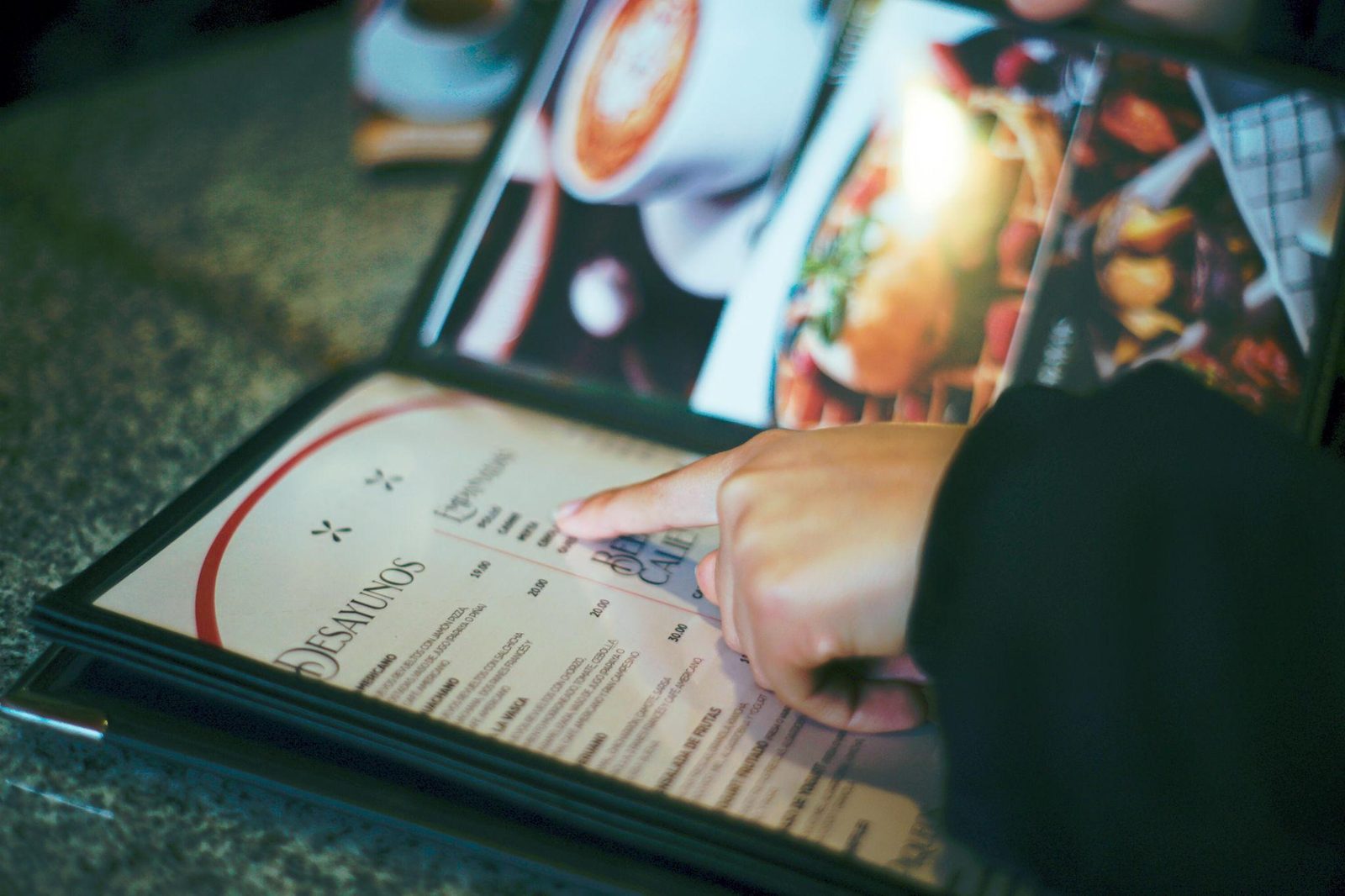 Spain
Spain
Need a Spanish allergy card? Generate a bilingual Spanish-English allergy card in under a minute and show it directly to restaurant staff.
Build My Spain CardIn this guide
What it's really like having food allergies in Spain
Spain uses the EU food-information framework, with Spanish rules covering both packaged products and food sold without packaging, including food served by restaurants. For packaged food, look for allergens highlighted in the ingredients list. For restaurant food, allergen information may be available in a menu, another written record, or orally under conditions that make the information verifiable. The right to ask is useful, but it is not the same as a guarantee that a kitchen can prevent cross-contact.
Communication will depend on the individual venue, the staff on duty, and the complexity of your request. In a restaurant where staff cannot answer questions about ingredients or preparation, you do not have enough information to make a safe choice; a quieter venue or a different meal may be the better option. A written card helps, especially when the staff member taking the order is not the person cooking it.
The practical challenge is often cross-contact: shared fryers, utensils, pans, and preparation surfaces can move an allergen from one dish to another. Tapas adds more dishes and more decisions to a single order, so ask about preparation rather than relying on the dish name. A written allergy card, shown before ordering, consistently performs better than a verbal explanation in a loud, busy bar, since it removes ambiguity from the conversation entirely.
Why tapas culture is the real allergy risk in Spain
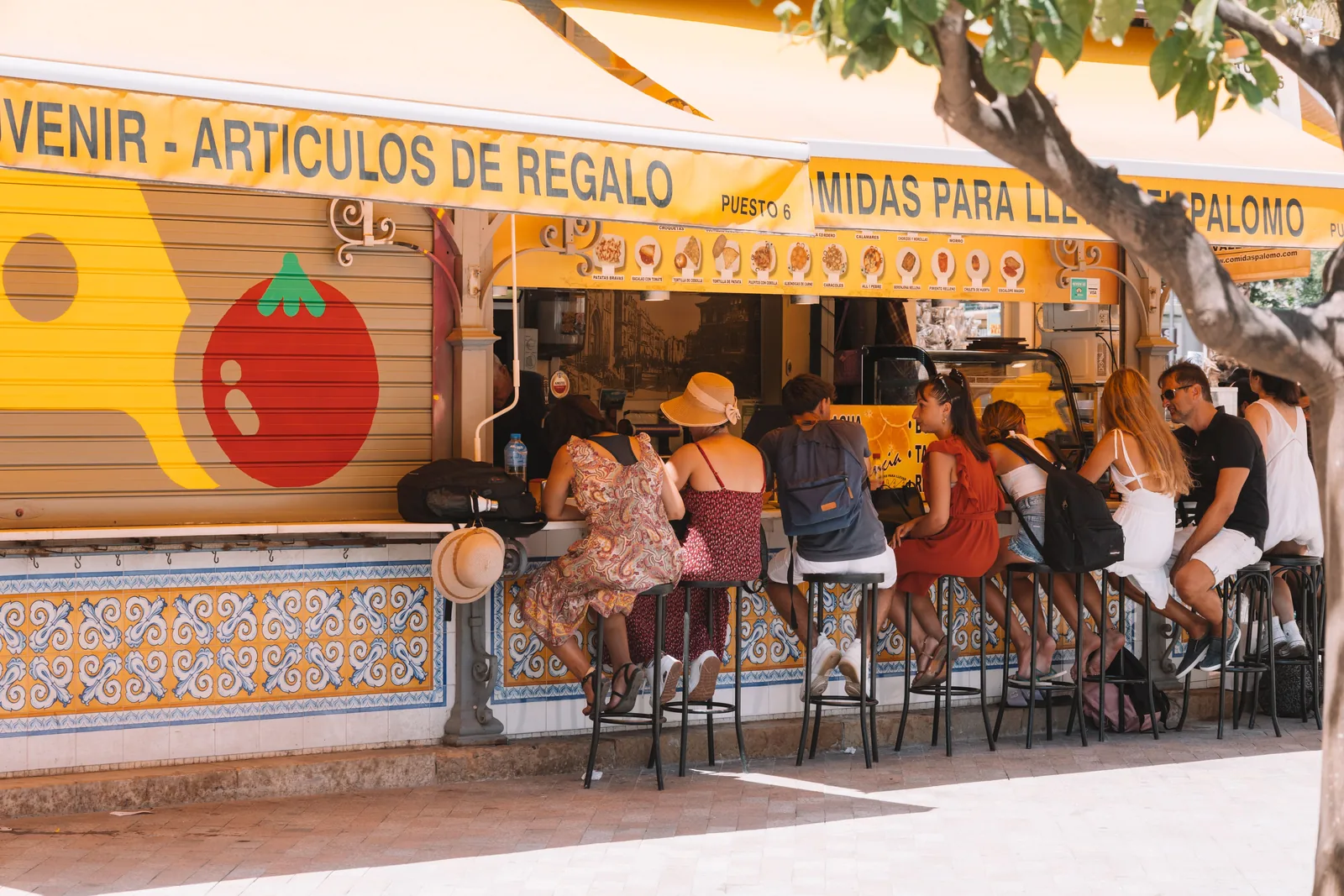
Allergen information tells you about ingredients; it may not tell you whether a kitchen uses the same fryer, pan, tongs, or work surface for several dishes. Tapas orders can include croquetas, calamares, and patatas bravas from the same busy kitchen, so those preparation details matter.
The cross-contact questions in Spanish tapas dining usually come from several specific points:
- Shared fryers: Some kitchens fry croquetas, calamares, potatoes, and breaded foods in the same oil. Ask whether a separate fryer is used; if not, fried food may not be suitable for you.
- Shared utensils and surfaces: A shared table is not itself the problem, but tongs, serving spoons, pans, and work surfaces can transfer an allergen between dishes.
- Bread at the table: Bread may arrive before the meal. Ask staff to remove it if needed, and ask whether crumbs or the bread basket could affect your food preparation.
- Busy service: When a bar is crowded, staff may have less time to investigate a complex request. Explain your allergy before ordering and leave if nobody can answer clearly.
Hidden allergens in Spanish cuisine
Croquetas: a dish that needs several questions
Croquetas are common tapas made with a thick filling, often béchamel, and a breadcrumb coating. A typical béchamel contains wheat and milk; the coating may involve wheat and egg; and the filling varies (jamón, cod, chicken, mushroom, or seafood). Ask about the recipe, the coating, and the fryer separately. A cod croqueta is fish, not shellfish, but it may still be prepared near other seafood.
Romesco and picada sauces: nuts in unexpected places
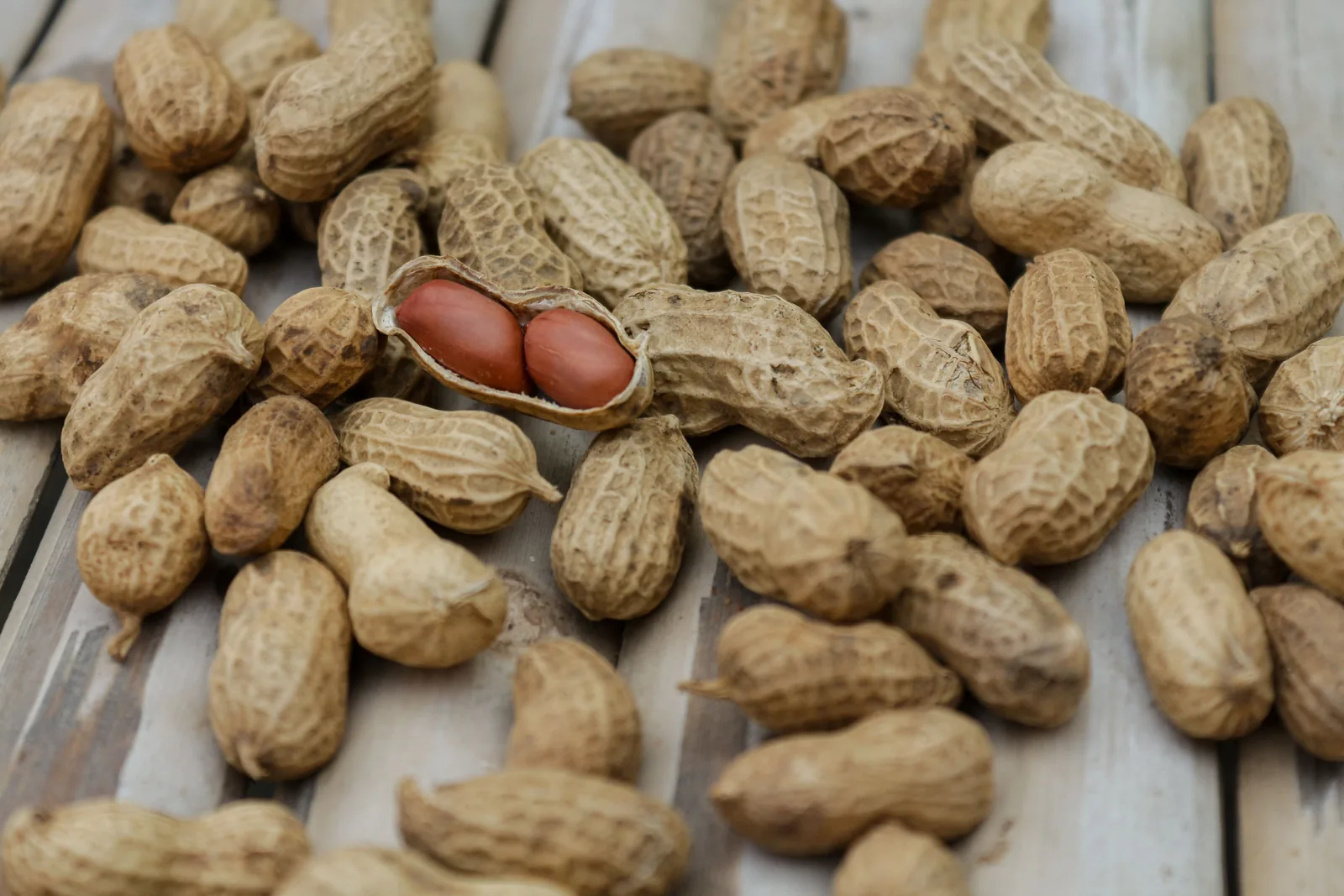
Romesco sauce often includes almonds or hazelnuts alongside roasted peppers and tomatoes. Picada is a Catalan thickening mixture that may include nuts, bread, or both. Recipes differ between cooks, and either sauce may be served as a garnish or folded into a larger dish. If you have a tree-nut allergy, ask whether the sauce is made in-house and what is in it rather than relying on the menu name.
Seafood stocks in rice dishes
Paella and other rice dishes such as arròs negre and fideuà are cooked with a seasoned liquid. That may be meat-, fish-, or seafood-based, depending on the dish and the kitchen. Arròs negre is associated with squid or cuttlefish and may use seafood stock, but the name alone does not answer every allergy question. Ask about the stock, the visible seafood, and whether pans or ladles are shared.
Aioli and alioli: eggs in a garlic sauce
Alioli is a garlic-and-oil sauce, but restaurant versions may also contain egg or use a commercial mayonnaise-style base. It can accompany patatas bravas, grilled meats, and other dishes. If you have an egg allergy, ask what is in the version being served and whether it comes from a shared container.
Lupin and packaged bakery products
Lupin is one of the allergens that must be declared under EU food-information rules. It can appear in some packaged breads, pastries, and flour mixes, but it is not a Spain-specific ingredient. People with peanut allergy should follow their clinician's advice about lupin, because cross-reactivity is possible for some people. Check the ingredient list on packaged products and include lupin on your written card if it is relevant to you.
Get a Spanish-English allergy card covering the EU 14 allergens and tapas-specific risks
Build My Spain CardKey Spanish phrases for allergy communication
- Tengo alergia a [allergen]: I am allergic to [allergen]
- Tengo una alergia alimentaria grave: I have a serious food allergy
- ¿Este plato contiene [allergen]?: Does this dish contain [allergen]?
- ¿La freidora es compartida?: Is the fryer shared?
- ¿El caldo lleva pescado o marisco?: Does the stock contain fish or seafood?
- ¿Hay riesgo de contaminación cruzada?: Is there a risk of cross-contact?
- Sin gluten, por favor: Without gluten, please
- Sin lácteos, por favor: Without dairy, please
- ¿Tiene información sobre alérgenos?: Do you have allergen information?
- Esta alergia puede ser mortal: This allergy can be fatal
- Necesito atención médica: I need medical attention
Allergen vocabulary: English to Spanish
| English | Spanish |
|---|---|
| Food Allergy | Alergia alimentaria |
| Peanut | Cacahuete |
| Tree Nuts | Frutos de cáscara |
| Shellfish | Mariscos |
| Milk | Leche |
| Egg | Huevo |
| Wheat | Trigo |
| Gluten | Gluten |
Spanish dishes that need closer checking
Celiac disease in Spain
FACE (Federación de Asociaciones de Celíacos de España) and its member associations advise restaurants through the FACE gluten-free dining programme. Its current listings and guidance can help people with coeliac disease find venues that have been advised or assessed through that programme. Check the current listing and still explain your needs when you arrive.
The practical risks for celiacs at conventional Spanish restaurants:
- Bread or crumbs reaching the table before the meal
- Croquetas and other breaded foods being fried in shared oil
- Gazpacho or another sauce being made with bread
- Wheat flour being used as a thickener in a sauce or stew
- A "sin gluten" option being prepared with shared equipment or utensils
FACE's restaurant programme uses its own current badge and listings; the crossed grain symbol is also used for qualifying packaged gluten-free products. Neither replaces a conversation about your particular needs, and a general "sin gluten" statement is not enough to answer cross-contact questions.
Where allergy communication works best in Spain
Restaurants that can explain their process: Look for a venue willing to discuss ingredients, stocks, sauces, fryer use, and preparation surfaces. Call ahead if your allergy is severe or your request is complex.
Sit-down restaurants vs. tapas bars: A sit-down restaurant may give you more time to explain an allergy than a crowded bar, but the format is not a safety guarantee. Ask before ordering and choose dishes the kitchen can describe clearly.
Supermarkets: On packaged food, look for allergens highlighted in the ingredients list. Free-from ranges and imported products vary by store, so read each label rather than relying on a shelf sign or brand reputation.
Tourist-area restaurants: English-language service can make a conversation easier, but it does not prove that staff understand cross-contact or can modify a dish safely.
Regional differences across Spain
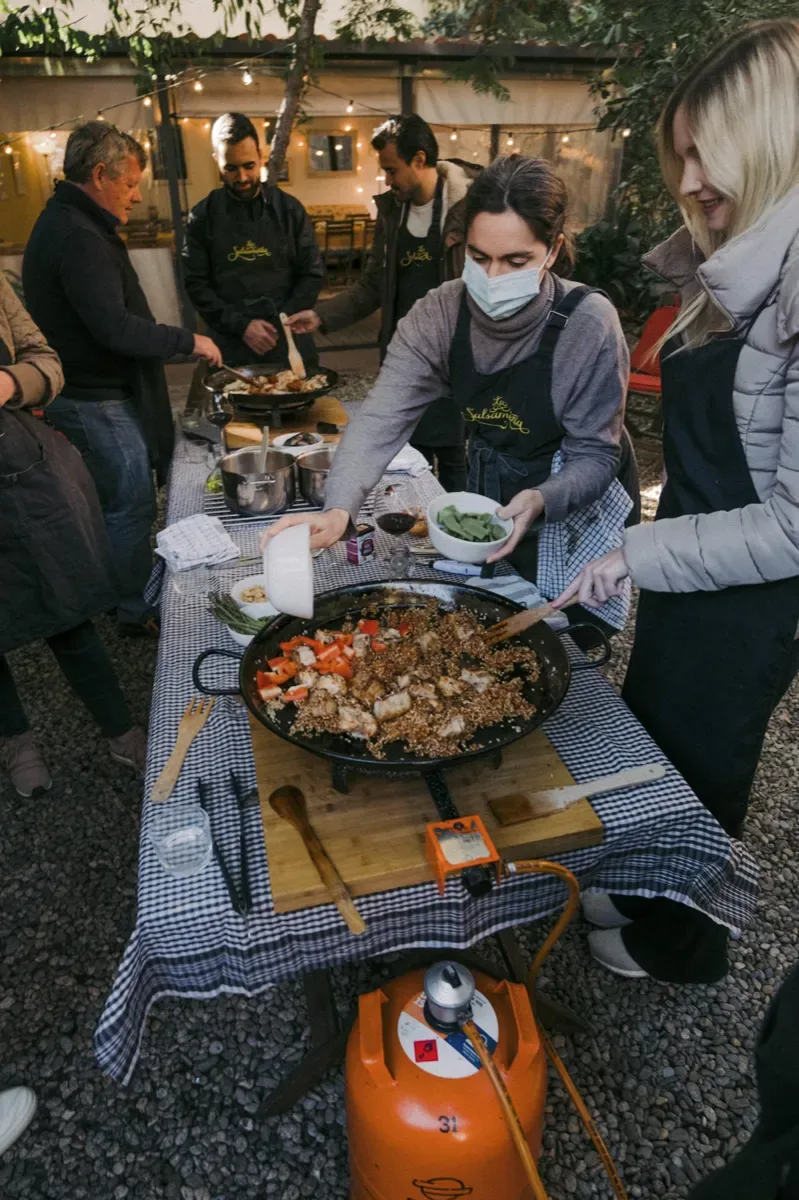
The same dish can be prepared differently from one restaurant to the next. Regional names are useful prompts for questions, not guarantees about ingredients or handling.
- Madrid: Menus range from traditional tabernas to modern restaurants. Ask whether a sauce, stock, or garnish is made separately.
- Barcelona and Catalonia: Ask about romesco, picada, calçots, and rice dishes; recipes vary and nut ingredients may be blended into sauces.
- Valencia: Paella and other rice dishes make the stock, pan, and ladle important questions. Do not infer the stock from the rice's appearance.
- Basque Country: Pintxos may be displayed together, so ask about shared tongs, trays, and preparation surfaces as well as the ingredients.
- Andalusia: Fried tapas such as pescaíto frito and croquetas make fryer use worth checking carefully.
Restaurant safety checklist for Spain
- Show your allergy card before ordering, not after the first dish arrives.
- Ask if fryers are shared between allergen-containing and allergen-free items.
- Confirm stock ingredients in any rice, soup, or braised dish.
- Verify sauces and dressings, especially romesco, picada, and alioli.
- Discuss cross-contamination directly, not just ingredient lists.
- Carry emergency medication with you at every meal, not just on travel days.
Emergency information for Spain
- Emergency number: 112. It is the national emergency number in Spain and is free to call.
- Useful words: Centro de salud (health centre), Urgencias (emergency department), hospital (hospital), and ambulancia (ambulance).
- Medication: Carry your prescribed emergency medication and follow your personal action plan. Do not wait to see whether a pharmacy can supply medication during a severe reaction.
- Key emergency phrase: Tengo una reacción alérgica grave, llamen al 112: I'm having a severe allergic reaction, call 112
Can tourists get emergency allergy medication in Spain?
The safest medication plan is to bring your own prescribed epinephrine auto-injector and enough antihistamines to cover the full trip, since travel disruptions can extend a visit past the original return date.
A pharmacy may be useful for routine questions or replacing a non-emergency item, but availability and dispensing requirements can vary. Do not make access to a local pharmacy your emergency plan, and do not travel without enough of your prescribed medication for the trip plus reasonable delays.
For a severe reaction, follow your prescribed action plan and call 112 immediately. Tell the dispatcher that you are having a severe allergic reaction and give your location. Do not drive yourself if you are seriously unwell.
Spain vs other European destinations for food allergies
France and Italy share the same broad EU allergen-information framework, but the useful comparison is the individual venue: a formal menu, a counter-service bar, a market stall, and a family restaurant may all handle questions differently. Spain's tapas format can create more fryer, utensil, and shared-sauce questions, but no country-wide ranking can tell you whether a particular kitchen can manage your allergy.
Across Europe, regulation gives you useful information rights, while the final decision still depends on the recipe and the kitchen's handling. A written card, specific questions, and a willingness to leave when answers are unclear are more portable than a list of supposedly safe countries or dishes.
Sources & References
- European Commission, Regulation (EU) No 1169/2011: the EU framework for food information, including the regulated allergens and information requirements for food businesses.
- AESAN: information for food sold without packaging: Spanish guidance on allergen information for loose food, retail, and catering, including when oral information may be used and how it must be supported.
- FACE: information for coeliac tourists visiting Spain: practical guidance on the FACE gluten-free dining programme, product labels, and questions to ask restaurants.
- Spanish government: emergency number 112: official information about calling 112 in Spain, including access from mobile phones.
This guide reflects publicly available regulatory information and general food safety practice. It is not medical advice. Always consult a qualified allergist for personal risk assessment, and carry your prescribed emergency medication.
Frequently asked questions
Is Spain safe for travelers with food allergies?
Spain provides allergen information under the EU framework and Spanish rules, but that information does not guarantee that a kitchen can prevent cross-contact. Tapas orders can involve shared fryers, sauces, utensils, and fast service. Explain your allergy before ordering, ask about preparation, and leave if staff cannot answer clearly.
What are the most common hidden allergens in Spanish food?
Wheat in croquetas, breaded fried foods, and some sauces; tree nuts in some romesco and picada sauces; fish, crustaceans, or molluscs in rice dishes and stocks; egg in some alioli; and sulphites in some cured products and wines. Recipes vary, so ask about the exact preparation.
Is Spanish food safe for celiacs?
FACE and its member associations advise some restaurants through a gluten-free dining programme. Use current FACE listings as a starting point, then explain your coeliac needs and ask about shared fryers, utensils, bread, and preparation surfaces. A "sin gluten" option is not enough information by itself.
Does paella contain shellfish?
Paella de marisco is seafood-based and paella mixta combines meat and seafood. Paella valenciana is traditionally associated with meat and vegetables, but recipes and preparation vary. Ask about the stock, visible seafood, pans, ladles, and other shared equipment.
How do you say food allergy in Spanish?
Tengo alergia a [allergen] means "I am allergic to [allergen]." Tengo una alergia alimentaria grave means "I have a serious food allergy," and Esta alergia puede ser mortal means "This allergy can be fatal." Bring a written Spanish card, then use follow-up questions to check ingredients and cross-contact.
This article is for informational and travel preparation purposes only and does not constitute medical advice. Always consult a qualified healthcare professional before traveling with a food allergy, and carry any prescribed emergency medication at all times. See our full medical disclaimer.