 AllergyPass
Kuala Lumpur & Penang
Food Allergy Guide
Malaysia's hawker centres, markets, food tours, and cooking classes are worth screening one stop at a time. Belacan, peanuts, shellfish, sauces, shared oil, and busy service can matter more than the name of the format.
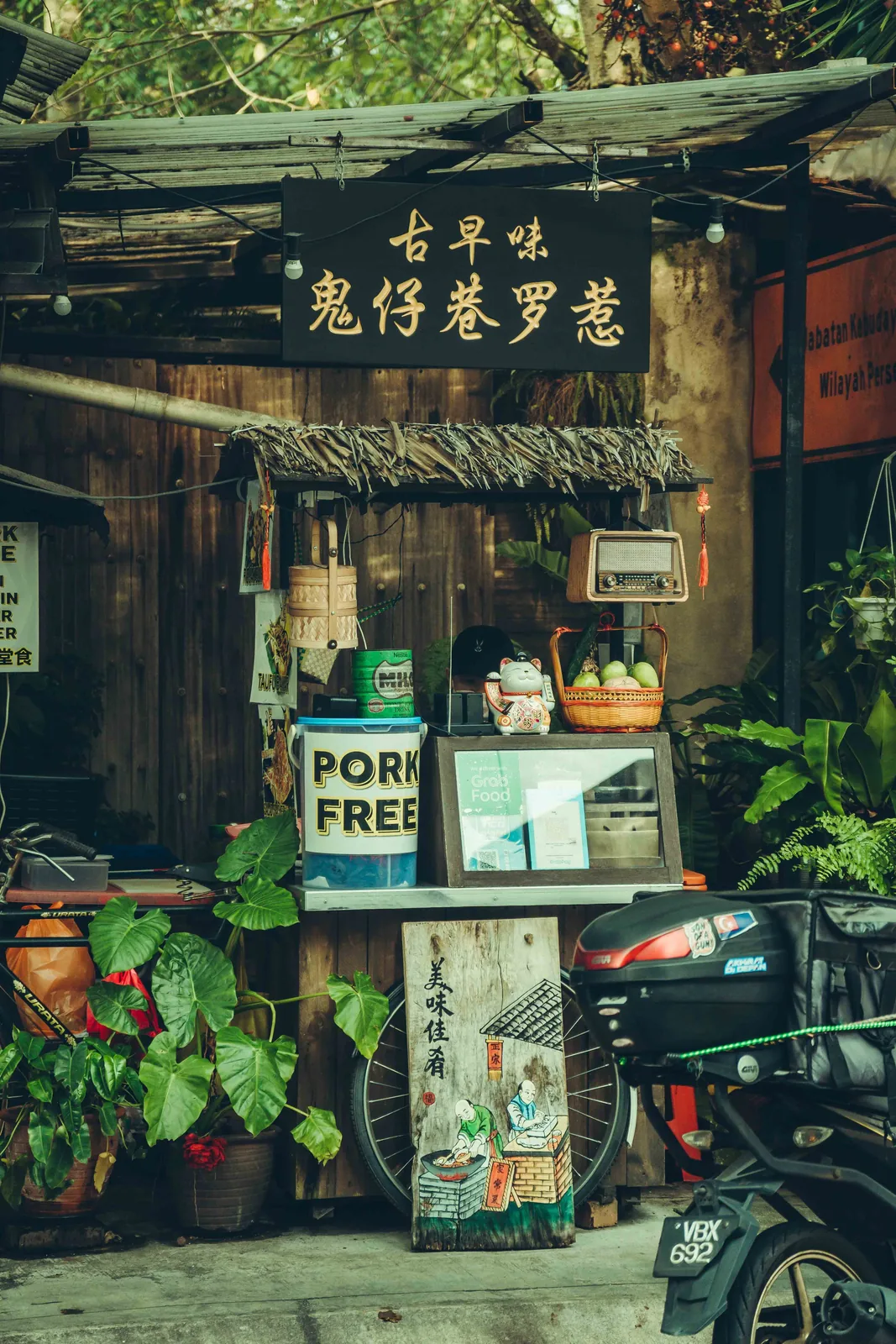 Malaysia
Build your Malay-language allergy card before your first hawker stall visit. Show it at every stop.
Build My Malaysia Allergy CardCompare the format by what you can verify
Hawker centres: how to navigate them
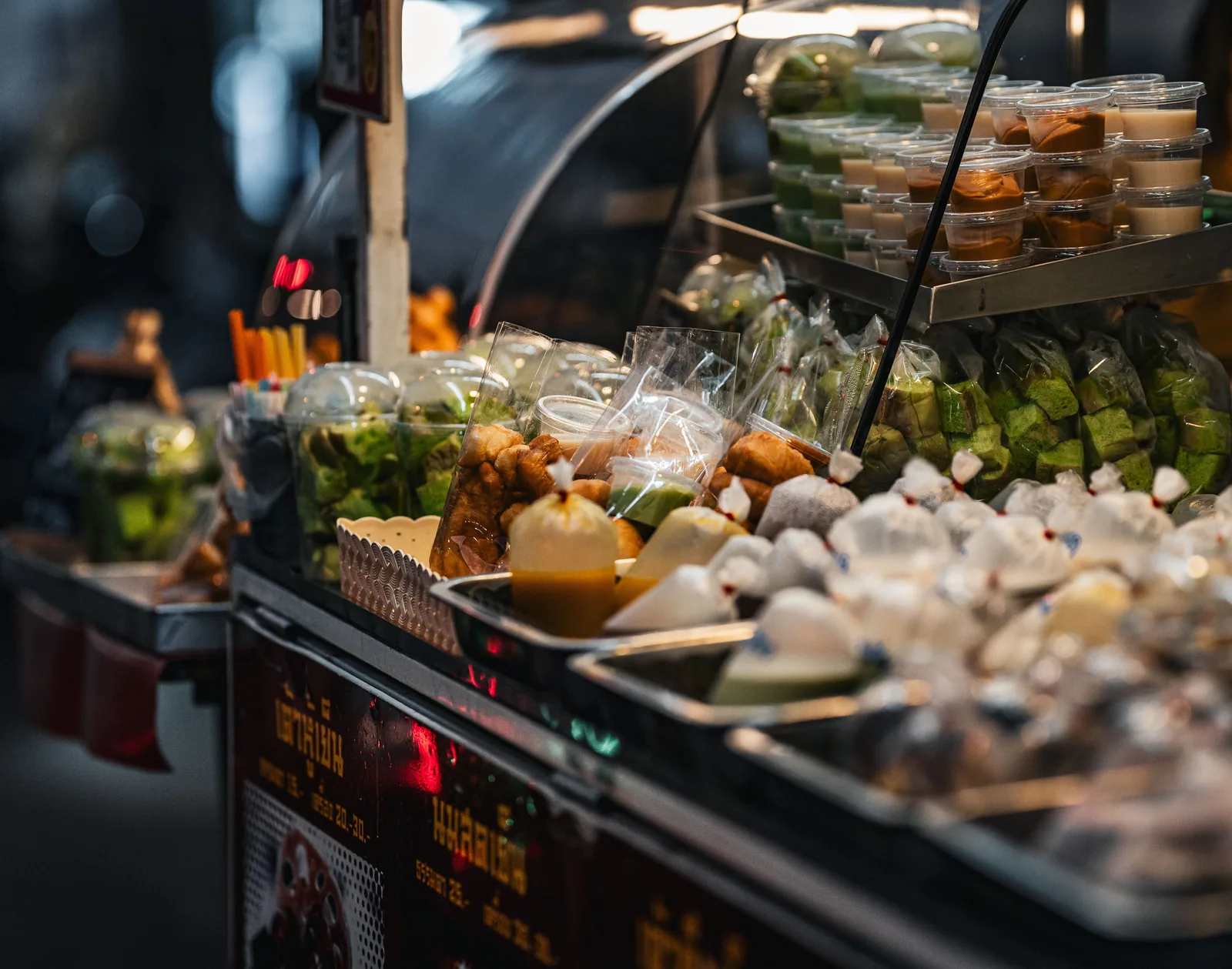
Hawker centres are a shared, fast-moving food environment. A vendor may use the same wok, oil, tongs, board, or serving spoon for several dishes, and a busy queue may leave little time for an ingredient conversation. Walk the circuit first, show your card, and choose only a stall that can explain the particular dish.
A single-dish stall may give you a narrower recipe question than a stall running several dishes, but it is not a cross-contact guarantee. Ask about the char kway teow ingredients, sauces, oil, wok, and utensils, and ask what the vendor can do if the answer is uncertain.
Hawker centre navigation by allergy type
Peanut allergy: Ask about the satay sauce, rojak dressing, garnishes, spice pastes, and shared oil. Char kway teow may include peanut garnish depending on the vendor. Show your card before ordering and leave if the vendor cannot answer the recipe and equipment questions.
Shellfish allergy: Ask about belacan, dried shrimp (udang kering), oyster sauce, seafood stock, shared woks, and oil. Dried shrimp may appear in char kway teow, nasi lemak, and noodle dishes. Name each derivative on the card.
Soy allergy: Ask about soy sauce, tofu (tauhu), marinades, spice mixes, and shared utensils. Indian-Malaysian mamak food may still contain dairy, wheat, or shared equipment, so do not treat a cuisine label as a soy-free answer.
Wheat/gluten: Mee, wonton noodles, and yellow egg noodles are wheat-based; rice noodles may be rice-based but can share a wok, oil, or strainer with wheat noodles. Specify the exact noodle and explain cross-contact concerns on the card.
Hawker centres where allergy communication works better
Tourist-facing centres may make it easier to start a conversation, but tourist traffic is not evidence of a controlled kitchen. Use the named locations below as places to inspect, not as endorsements or guarantees.
KL: Jalan Alor, Imbi Market, and Chow Kit Market each have different layouts and stall mixes. Walk them first and choose only a vendor who can answer.
Penang: New Lane, Gurney Drive, and Air Itam Market offer different stall environments. Crowding, language, and equipment vary by vendor and time of day, so do not generalize from the location name.
Food tours in KL and Penang
KL and Penang have walking tours, market visits, and evening hawker experiences. Screen the operator's process rather than booking from the format name alone.
Private tours
Before booking a private tour, ask for the stop list and dishes; confirm that the guide will brief each vendor in Bahasa Malaysia, check sauces and shared equipment, replace a stop when the vendor cannot answer, and let you watch without tasting. A private format gives more control, but it does not make an unverified stop suitable.
Group tours
A fixed group tour may leave little time for individual questions. If you join one, tell the operator before booking, ask whether you can skip or replace a stop, bring your card and backup food, and be ready to watch rather than taste when the vendor cannot verify the dish.
This article is for informational and travel preparation purposes only and does not constitute medical advice. Always consult a qualified healthcare professional before traveling with a food allergy, and carry any prescribed emergency medication at all times. See our full medical disclaimer.