 AllergyPass
Where to Stay in Malaysia
with Food Allergies
Malaysia spans very different food environments across Peninsular Malaysia, Sabah, and Sarawak. Your base changes the restaurants and packaged-food shops you can reach, how much you depend on one hotel kitchen, the time spent moving between meals, and the route you would use if you needed care.
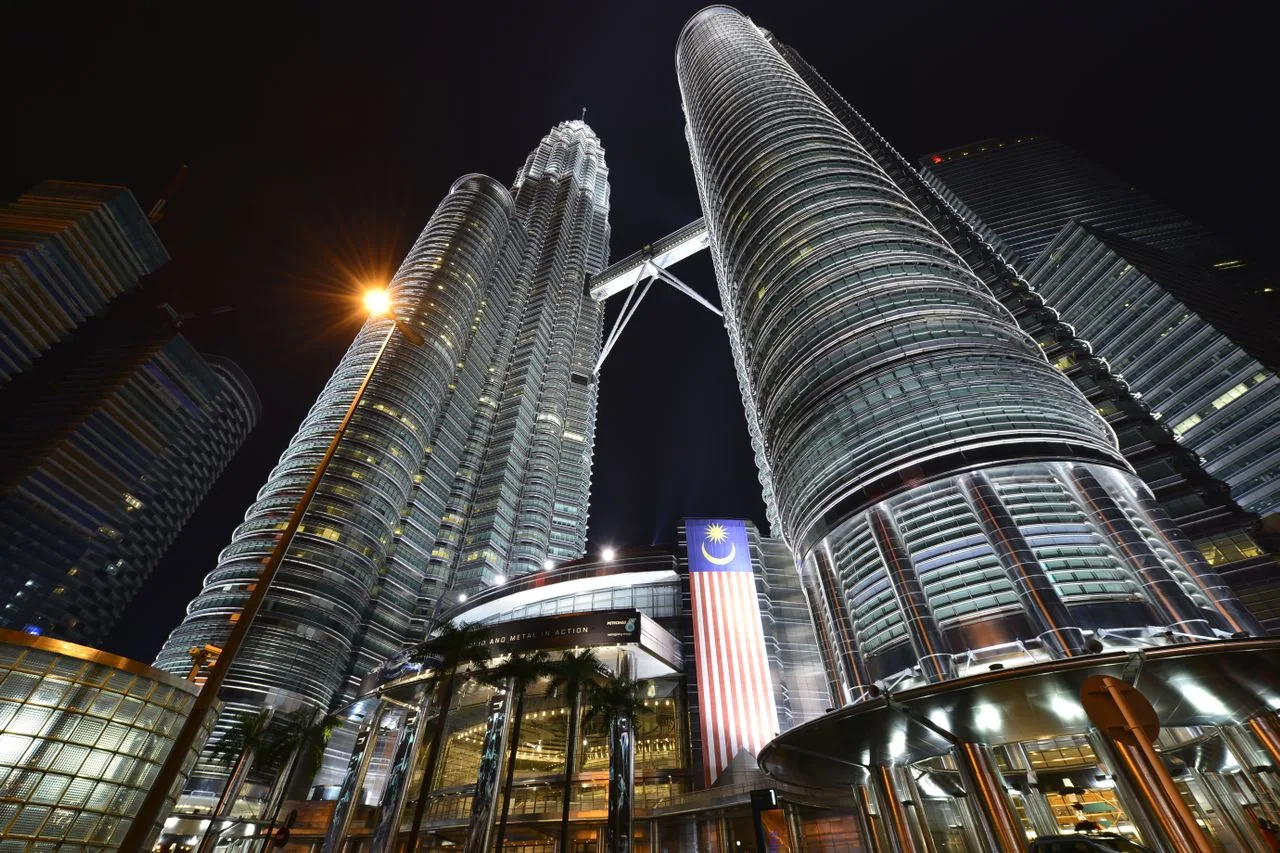 Malaysia
Build your Malay-language allergy card before you land. Use it at every restaurant and hawker stall.
Build My Malaysia Allergy CardKuala Lumpur
Kuala Lumpur offers a large mix of international, Malaysian, hotel, mall, and independent restaurants. English may make an initial conversation easier in some venues, but ask about belacan, peanuts, candlenuts, sauces, shared oil, and preparation surfaces in writing. For the ingredient and city details, see the Kuala Lumpur Food Allergy Hub.
KLCC (Kuala Lumpur City Centre)
KLCC has many hotels, mall restaurants, and packaged-food shops within reach. Check current tenants and stock, and ask whether your hotel can store backup food or explain its breakfast and room-service process.
Full-service properties may offer a pre-arrival contact, but kitchen practices vary. Send the exact request before booking and confirm it again with the restaurant team when you arrive.
For care planning, identify the current emergency route from your actual hotel and check facility information directly. Fixed taxi times are not dependable in traffic.
Bukit Bintang
Bukit Bintang has many restaurant types, malls, food courts, and hotels at different price points. Jalan Alor and other busy street-food areas need the same questions about sauces, shared utensils, oil, and vendor communication as any hawker setting. A sit-down restaurant may give you more time, but it still needs to explain the dish.
Choose the area based on whether you want to walk to meals or depend on short rides. Ask the hotel how breakfast is handled and whether staff can reach the kitchen directly.
Bangsar and Mont Kiara
Bangsar and Mont Kiara have residential, international, and cafe-oriented food options. A serviced apartment or supermarket nearby may suit a longer stay, but “health-conscious” or imported does not answer questions about peanuts, sesame, dairy, sauces, or shared equipment.
These areas can involve more rides for sightseeing. Confirm how you will store or prepare backup food, and choose a property where the kitchen or restaurant contact is reachable across shifts.
Penang (Georgetown)
Penang's food culture needs recipe-level questions. Belacan (shrimp paste), peanuts, candlenuts, sauces, shared woks, oil, and serving utensils can matter in Malay, Chinese, and Nyonya dishes including char kway teow and rojak. A hawker stall may not have time or equipment to answer a detailed cross-contact question.
A sit-down venue may give you more time than a hawker centre, but it still needs to explain the recipe and kitchen. Use a written card and ask for the particular sauce, paste, oil, and utensil information. For the ingredient and city details, see the Penang Food Allergy Hub.
Georgetown Heritage Zone
Georgetown puts heritage restaurants, hawker centres, packaged-food shops, and hotels within a compact sightseeing area. That gives you more venues to screen, not a guarantee that any one venue can accommodate an allergy.
Larger hotels may have more capacity to coordinate an advance request, while boutique properties vary significantly in their kitchen capacity. Ask the property about breakfast, shared equipment, and who will communicate your request to the kitchen.
Identify the current emergency route from your actual accommodation and check facility information directly. Do not rely on a fixed taxi estimate or a hotel listing.
Batu Ferringhi
Batu Ferringhi is a beach resort area where you may depend more on hotel restaurants, nearby stalls, and a smaller set of packaged-food shops. Contact the resort kitchen before booking, ask about buffet service and shared utensils, and treat night-market food as optional unless the vendor can explain the preparation.
Check the current emergency route from the actual resort; travel times vary with traffic and weather.
Malacca (Melaka)
Malacca's heritage district offers a compact tourist route, but Peranakan (Nyonya) dishes can include belacan, coconut, candlenuts, peanuts, sauces, and shared equipment. Ask for the exact recipe and do not assume a tourist-facing restaurant can modify it.
Boutique heritage properties and full-service hotels offer different food and storage setups. Ask about breakfast, a refrigerator, and who can speak with the kitchen. Identify the current emergency route and facility information before arrival rather than relying on a named hospital or fixed travel time.
Kota Kinabalu (Sabah)
Kota Kinabalu is a base for Sabah's islands and mountain trips. Waterfront and central-market venues vary widely, while local dishes may feature fish, prawns, squid, belacan, and other sauces. Ask the restaurant or guide about the exact recipe, shared grill or fryer, and what food is available during excursions.
Before departure, check current emergency facilities and transport from your actual accommodation. For excursions, ask the operator what happens if a meal cannot be verified and where the group would go in an emergency.
What to ask your Malaysia hotel before arrival
Email these questions before you arrive
- Can the kitchen explain your exact allergen in belacan, peanuts, candlenuts, sauces, and shared equipment?
- Can breakfast staff explain buffet ingredients, serving utensils, and how your request is handed between shifts?
- Does the room have a refrigerator or other practical storage for backup food?
- Where can you buy current packaged-food backups, and what happens if the shop is closed?
- What is the current emergency route from the property, and who can help communicate the address?
Frequently asked questions
How should I choose a Kuala Lumpur area with a food allergy?
Compare KLCC, Bukit Bintang, Bangsar, and Mont Kiara by the food routine you want, access to packaged backups, hotel kitchen contact, transport, and your emergency route. Central areas may reduce travel between meals; residential areas may suit a longer stay with a serviced apartment or supermarket nearby. No area removes the need to verify each kitchen.
How should I plan Penang dining with a food allergy?
Penang's hawker culture needs careful questions about belacan, peanuts, candlenuts, sauces, shared woks, oil, and serving utensils. Georgetown gives you more accommodation and restaurant choices to screen than a beach resort, but a sit-down venue is not automatically suitable. Use a written card, ask about the exact dish, and treat a market visit as sightseeing when the stall cannot explain the preparation.
What should I ask a Malaysia hotel about food allergies before arrival?
Email your exact allergens before booking and ask about breakfast, room service, storage, shared equipment, belacan, peanuts, candlenuts, sauces, and staff handover. Ask where current packaged-food backups can be bought and how the property would help you reach emergency care. Confirm the plan again at check-in; a front-desk promise is not a kitchen-level answer.

This article is for informational and travel preparation purposes only and does not constitute medical advice. Always consult a qualified healthcare professional before traveling with a food allergy, and carry any prescribed emergency medication at all times. See our full medical disclaimer.