 AllergyPass
Pune Food Allergy Guide:
Peanuts, Besan & Questions
Pune food may involve peanuts, besan, wheat, dairy, or egg in places that look simple: misal toppings, bakarwadi, sabudana, bakery foods, and desserts. This guide focuses on the questions to ask about recipes and shared equipment.
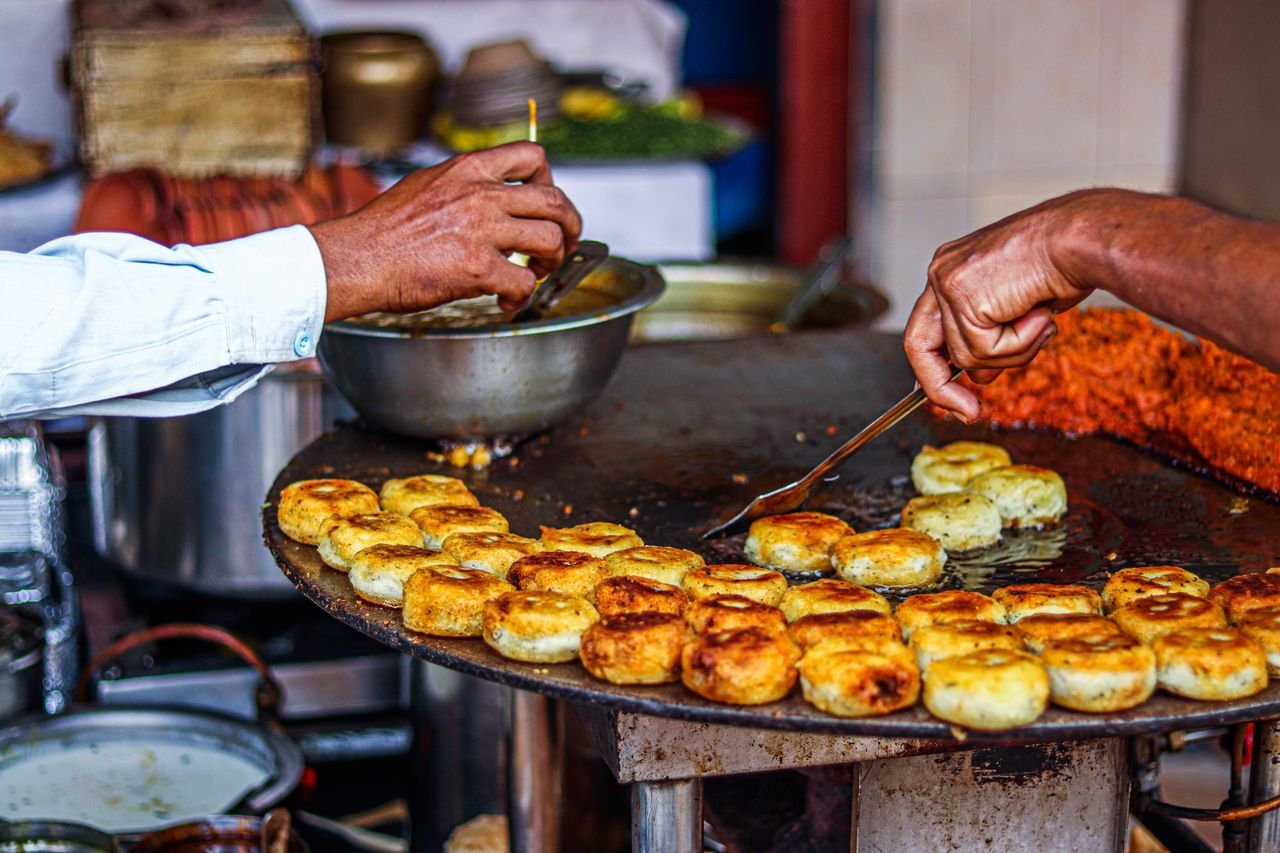 Pune, India
Prepare a written allergy card before your first meal in Pune.
Build My Pune Allergy CardThe Pune allergen problem in plain terms
Pune’s Maharashtrian food traditions include dishes and snacks where peanuts and besan are important ingredients. Misal may be served with farsan and chutneys; bakarwadi is a rolled fried snack whose dough includes besan; thecha may be made with peanuts, chilli, and garlic; and sabudana preparations may include ground peanuts. Recipes and toppings vary, so ask about the complete plate.
Pune also has bakery and Irani-cafe foods where wheat, dairy, egg, and shared bakery equipment may matter. Puran poli is commonly a wheat flatbread with a sweet lentil filling and may be finished with ghee, but ask about the recipe and handling at the venue you are visiting.
Pune's core hidden allergens
- Peanuts: ask about misal toppings, thecha, sabudana preparations, chutneys, and snack mixes
- Besan (chickpea flour): check bakarwadi, farsan, batters, sev, and snack dough
- Wheat, dairy, and egg: ask about puran poli, breads, biscuits, mawa cake, pastries, and bakery equipment
- Dairy: shrikhand, basundi, and the ghee finish on puran poli and many Maharashtrian sweets
Pune dishes: questions to ask
| Dish | Questions to ask | Why the question matters |
|---|---|---|
| Puneri misal | What is in the farsan, chutneys, and spice mix? Is the pav wheat-based? | The lentil base is only one part of a dish assembled with toppings and bread |
| Bakarwadi | Is the dough made with besan? Are peanuts in the filling or seasoning? What oil is used? | The besan-based dough and frying method are part of the snack, not a removable topping |
| Thecha | Does thecha contain peanuts? Is it made with shared spoons or grinders? | A condiment can be served separately but still be part of the standard plate |
| Puran poli | Is the flatbread wheat-based? Does the filling contain dairy or other ingredients? Is ghee added? | The sweet filling and finishing fat are not obvious from the dish name |
| Shrikhand / basundi | Are dairy, egg, or nuts used? What is in any fruit, syrup, or garnish? | A sweet name does not identify the base, garnish, or shared serving utensils |
| Sabudana khichdi / vada | Are peanuts or peanut powder mixed into the preparation? What oil and utensils are used? | The sago or tapioca component does not describe the added mixture or cooking surface |
| Bakery items (mawa cake, biscuits, bread) | What flour, dairy, and egg are used? Are trays, knives, counters, or ovens shared? | Breads, biscuits, and cakes vary, and bakery equipment can contact several recipes |
Your Pune allergy card
Use an English-Hindi allergy card to name the ingredients that matter in Pune, not simply to say that you have an allergy. Show it while asking about peanuts in thecha or toppings, besan in batters and snack dough, and dairy or egg in bakery items. The useful part is the conversation it starts; the card cannot inspect a recipe or a shared fryer for you.
Build the Hindi-English version before departure, keep one paper copy with your medication, and save the image where it opens without a connection. At a stall or bakery, point to the relevant allergen and wait for a specific answer rather than accepting a quick nod.
Planning emergency care in Pune
Choose an emergency plan from the address where you will actually stay, because Pune traffic can change the practical route. If a severe reaction occurs, use your prescribed medication as directed and get urgent care; 112 is India’s unified emergency number. Treat the facilities below as names to verify, not a ranking of care.
Ruby Hall is on Sassoon Road near central Pune. Check whether that route works from your accommodation and confirm the current emergency entrance by phone.
Contact: +91 20 6645 5100 · Emergency: +91 70577 00700
Jehangir is another Sassoon Road facility to compare for a central itinerary. Verify its emergency services, access point, and listed contact before relying on it.
Contact: +91 20 6680 3000
For an Erandwane or western Pune stay, Deenanath Mangeshkar may be a more relevant route to examine. Recheck present access and contact information.
Contact: +91 20 4015 1000
Ask your insurer in writing how it handles allergic-reaction treatment in India, then save the policy and assistance number offline. An insurance call should never postpone urgent medical care.
Travel insurance for Pune
Read the medical section rather than relying on a policy’s headline benefits. Ask specifically about anaphylaxis treatment, pre-existing-condition exclusions, evacuation, eligibility, and the process for paying or reclaiming hospital costs.
SafetyWing Nomad Insurance is one option in the comparison, but the published wording does not specifically promise cover for food allergy or anaphylaxis. Get an answer for your circumstances before paying.
Read the full guide to travel insurance for food allergies →
Pre-trip checklist
Before you land in Pune
- Build your Hindi-English allergy card, naming peanuts, besan, gluten, and dairy specifically if any apply to you
- Carry your prescribed emergency medication and keep it accessible
- Confirm your travel insurance covers emergency treatment for an allergic reaction
- Save 112 and recheck the nearest appropriate emergency department from your accommodation
- Ask about peanuts, besan, chutneys, toppings, shared oil, grinders, counters, and bakery equipment
This article is for informational and travel preparation purposes only and does not constitute medical advice. Always consult a qualified healthcare professional before traveling with a food allergy, and carry any prescribed emergency medication at all times. See our full medical disclaimer.