 AllergyPass
Delhi Food Allergy
Travel Guide
Ghee can be in the dal, cashew paste in the curry, and besan batter on the pakora. The fryer or tawa may also be shared. This guide turns those Delhi-specific questions into a practical plan for food, accommodation, communication, and emergency care.
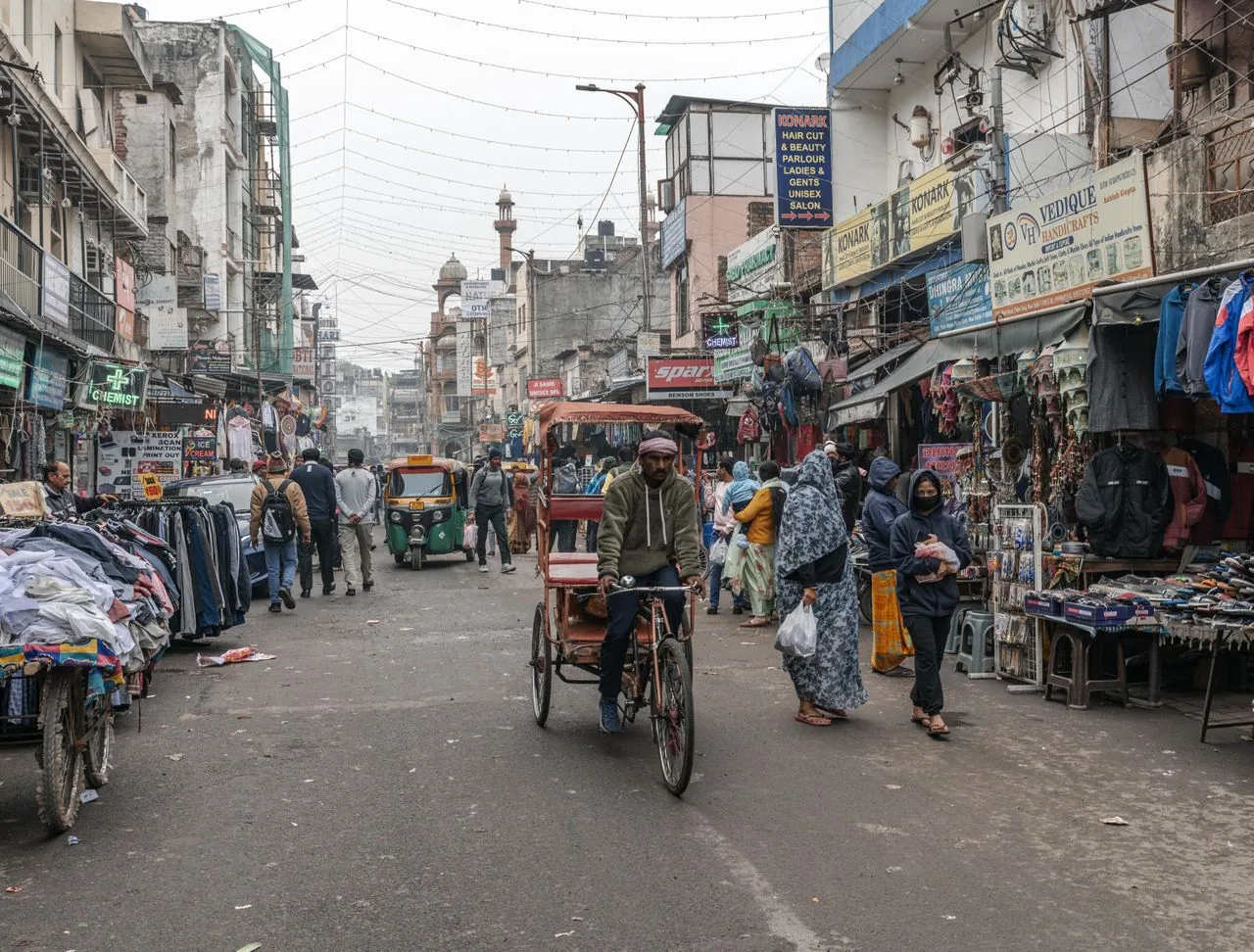 Delhi, India
Before you land, prepare a Hindi-English card that names your allergens and the questions you need the kitchen to answer.
Build My Delhi Allergy CardThe Delhi allergen problem in plain terms
Delhi menus often include North Indian and Punjabi dishes, where ghee, cream, besan, and cashew paste may be built into the recipe. Dal, paneer dishes, butter chicken, pakora, chaat, and richer curries each need their own questions about ingredients and preparation. Do not infer the recipe from the dish name or the restaurant's price level.
A verbal "no dairy please" may not communicate every ingredient you need to avoid. A written Hindi-English card can name ghee, butter, cream, paneer, yogurt, and other derivatives, but you still need the kitchen to confirm the exact dish and shared equipment.
If your trip includes Punjab, Chandigarh, or a Punjabi-speaking community, the India (Punjabi) allergy card may be a useful additional option. Language coverage varies, so ask a companion, hotel, or guide to help when the written request is not understood.
Delhi questions at a glance
- Ghee and dairy: ask about ghee, butter, cream, paneer, yogurt, and raita
- Besan: ask about chickpea flour, wheat in the fryer, and shared oil
- Cashew and peanuts: ask about blended sauces, garnishes, chutneys, and shared utensils
Food safety guides
These guides cover the specific allergen risks in Delhi and North Indian cooking and how to navigate them at restaurants and street food stalls.
The complete breakdown of ghee, mustard oil, besan, and cashew paste hidden allergens, and how FSSAI's packaged-food labeling law actually works.
Complete referenceThe full India allergy reference: hidden allergens, Hindi phrases, and every AllergyPass India guide in one place.
Food experiencesOld Delhi food walks, cooking classes, and how to manage allergies at Chandni Chowk without giving up the experience entirely.
CommunicationWhy a written card in the local language works better than a verbal request, and how to use one effectively in Delhi.
Your Delhi allergy card
A written Hindi-language allergy card is a communication aid. It can name ghee, cashew paste, besan, peanuts, and other ingredients instead of relying on a generic "no dairy" or "no nuts" request. Show it before ordering, ask the kitchen to confirm the dish and preparation, and do not treat the card as kitchen verification.
AllergyPass builds multilingual allergy cards in Hindi and English, formatted specifically for restaurant use. Generate yours before you land, print a copy, and save a digital version on your phone home screen.
Where to stay
Compare neighborhoods by transport, food and grocery access, medication storage, hotel kitchen questions, and the route to current emergency care. South Delhi, Connaught Place, Vasant Kunj, and Old Delhi involve different trade-offs; no area guarantees safer food or faster treatment.
Planning emergency care in Delhi
Choose emergency care by current location and the seriousness of the reaction, not by an online ranking. Save the route to a nearby current emergency department from your accommodation and verify contact details before travel. The facilities below are planning starting points, not guarantees of availability, specialist coverage, language support, or billing arrangements.
Mathura Road, Sarita Vihar, New Delhi. Check its current emergency entrance, services, and contact details before relying on it for a particular need.
Contact: +91 11 2692 5858
Press Enclave Marg, Saket Institutional Area, New Delhi. Check current emergency access, services, and contact details before travel.
Contact: +91 926 888 0303
Okhla Road, New Delhi. Check current emergency access, services, and contact details before travel.
Contact: +91 92896 78787
Confirm your travel insurance covers anaphylaxis treatment, but do not delay urgent care while trying to settle payment or reach a preferred facility. Carry your policy details and insurer assistance number offline.
For a severe reaction, follow your clinician's action plan, use prescribed emergency medication promptly, call 112, and go to the nearest appropriate emergency department. Check the official 112 India emergency portal before travel because local arrangements can change.
Travel insurance for Delhi
Check whether the policy covers emergency treatment for allergic reactions, how it treats food allergies as a pre-existing condition, and whether medical evacuation is included with a clear limit. Ask how it handles treatment arranged outside a preferred network. Confirm coverage for anaphylaxis and epinephrine administration before you travel.
SafetyWing Nomad Insurance is one policy to compare, but its documentation does not name food allergies or anaphylaxis. Review the pre-existing-condition and evacuation terms and get written clarification before buying.
Read the full guide to travel insurance for food allergies →
Pre-trip checklist
Before you land in Delhi
- Build your Hindi-English allergy card and save it offline on your phone
- Pack the medication prescribed for you and keep it accessible rather than in checked luggage; do not assume a local pharmacy will have a replacement
- Confirm your travel insurance covers anaphylaxis treatment
- Compare neighborhoods by transport, food access, medication storage, and the route to current emergency care
- Save the nearest current emergency department route and contact details before you need them
This article is for informational and travel preparation purposes only and does not constitute medical advice. Always consult a qualified healthcare professional before traveling with a food allergy, and carry any prescribed emergency medication at all times. See our full medical disclaimer.