 AllergyPass
Narita Airport
with Food Allergies
You land, need food or a pharmacy, and Tokyo is still some distance away. Here is what to verify in the terminal, what is nearby if something goes wrong, and how to reach the city with your medication and luggage.
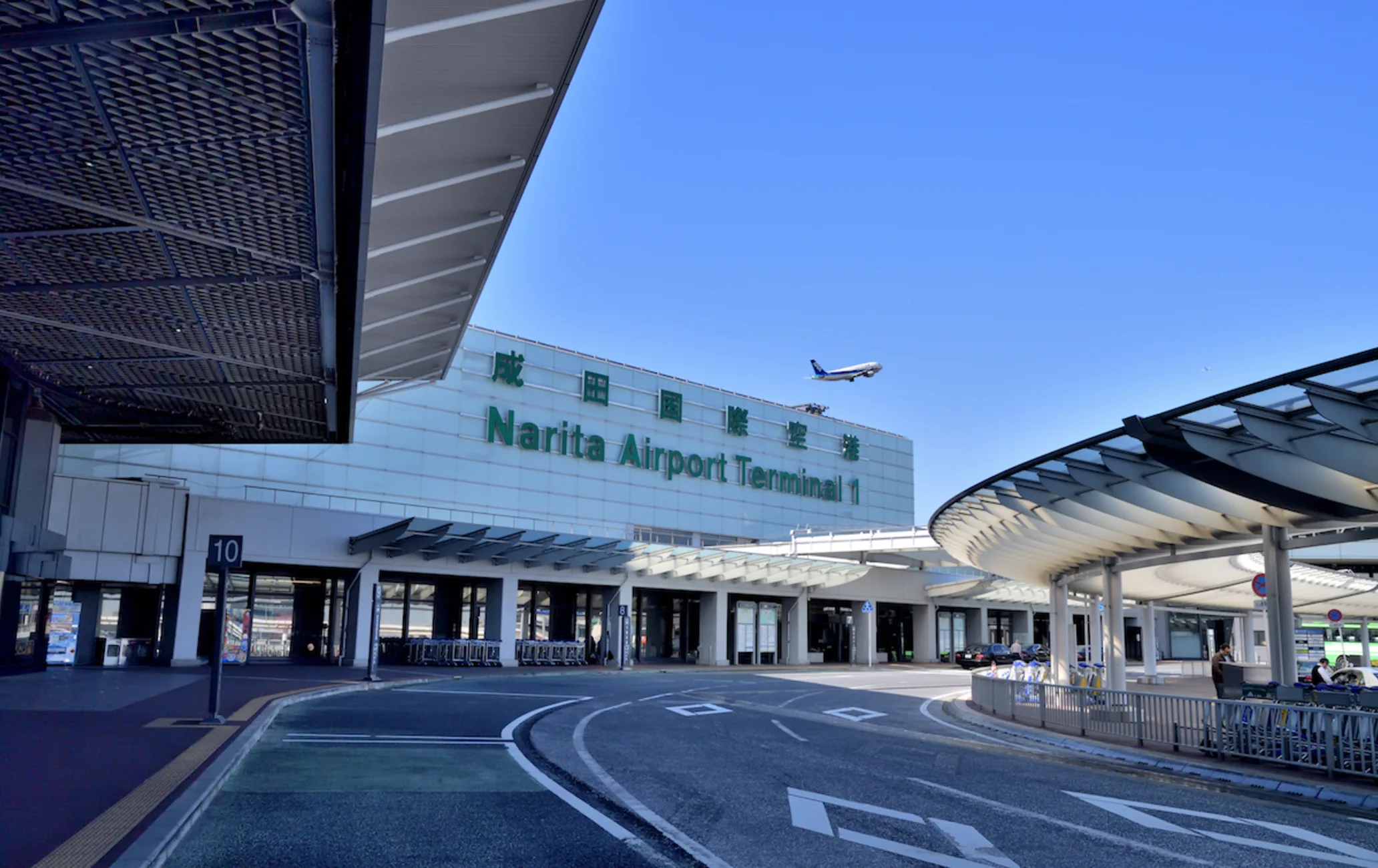 Narita, Japan
Eating at Narita before you land in the city
The terminals have cafés, food counters, shops, and packaged-food retailers, but the current mix and locations vary. Check Narita's facilities directory for your terminal and ask whether a counter is before or after security before you plan a meal.
Dashi often includes bonito or other fish and may include shellfish; it can appear in noodle broths and vegetable side dishes. Soy sauce contains soy and may contain wheat depending on the product. Ask about the actual dish, stock, sauces, utensils, and shared cooking surfaces. If staff cannot answer clearly, choose another option rather than guessing from the dish name. Check specific dishes in the Allergy Risk Checker before you order.
Packaged food can help when the current label is readable and intact, but it is not a guarantee of a safe meal. Japanese allergen labeling has its own scope and packaged labels do not answer questions about cross-contact during preparation. Read the label, check the product date and packaging, and keep a recognized backup food with you if you have one.
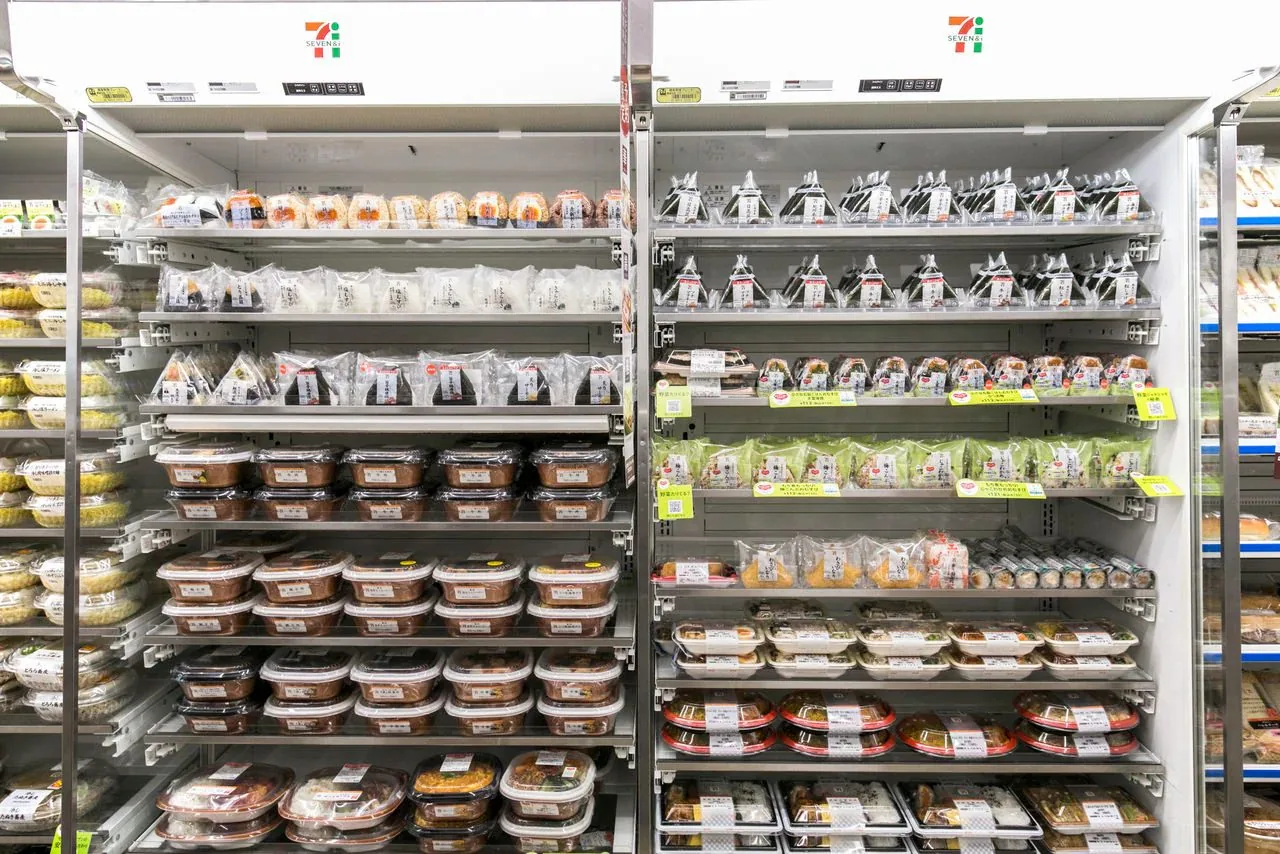
If you're arriving on a long-haul flight and have not eaten in hours, use food you brought or recognize if possible. Otherwise, slow down enough to read the label or ask a specific question instead of making the first decision under time pressure.
Pharmacy access in the terminal
Airport drugstore locations and hours change. Check Narita's current facilities directory or ask an information desk after you arrive. Do not assume a particular antihistamine, prescription medicine, or epinephrine auto-injector will be available in the terminal.
Carry prescribed medication according to your clinician's plan rather than treating an airport shop as your supply. If you need medicine in Japan, ask a pharmacist or clinician what is available and legal for you; do not substitute a newly purchased product for your usual emergency plan without professional advice.
The airport's medical clinic, and the nearest hospital
Narita's official clinic page lists current clinic locations, opening hours, and services. Check it for your terminal because availability can vary. These clinics are for assessment and listed outpatient services, not a substitute for emergency response.
90-1 Iida-cho, Narita-shi, Chiba. Its multilingual contact page lists the address and says the operator may connect callers to an English-speaking staff member during weekday hours. Travel time, emergency access, and available services depend on the circumstances.
For anaphylaxis or difficulty breathing: follow your personal action plan, use prescribed emergency medication as directed, and call 119. Do not delay emergency care to reach a named hospital. Confirm what your travel insurance covers for emergency treatment before you land.
Getting from the airport into Tokyo
Keisei's official information lists the Skyliner airport-to-Nippori trip as about 36 minutes. Check the current timetable, terminal, and transfer details before you board. JR Narita Express also serves major Tokyo destinations; compare the current route and timetable for your hotel. Both are reserved-seat trains with space intended for airport luggage.
A taxi is door-to-door, but the fare, traffic, and late-night availability vary. Check the current airport pickup rules and fare estimate before choosing it, especially if you are travelling with several bags or arriving after the last convenient train.
If Kyoto is your next stop, compare shinkansen and highway bus options from Tokyo before you land.
Compare Tokyo to Kyoto on 12GoNeed a taxi from the terminal itself? GO is one taxi-hailing option in Japan. Check current airport pickup rules and service availability before relying on it. This is a plain recommendation, not a sponsored link.
Storing your luggage if you have a long layover
If you land with hours to spare before your onward flight, luggage storage can make a short stop easier. Check the current storage location, opening hours, cancellation terms, and protection limits before booking, and keep medication and essential documents with you.

Sources and current-contact notes
- Narita Airport clinic information: current clinic locations, hours, and listed services.
- Japanese Red Cross Narita Hospital contact information: address, phone number, and weekday language-support note.
- Keisei Skyliner: current route, timetable, and airport-station information.
- Narita Airport train access: current airport rail-access information.
Build your card before you leave the terminal
Everything above is a backup plan. The thing that actually reduces risk at every meal after this one is a bilingual allergy card a kitchen can read without you needing to find the right Japanese words. Build it now, while you're still connected to airport WiFi, rather than after your first restaurant order.
Frequently asked questions
Is there a hospital near Narita Airport?
Japanese Red Cross Narita Hospital is a local hospital option. Its official contact page lists the address and says the operator may connect callers to an English-speaking staff member during weekday hours; travel time and emergency access depend on the circumstances. During a serious reaction, follow your action plan, call 119, and use the nearest appropriate emergency department rather than delaying care to reach a preferred hospital.
Can I get allergy medication at Narita Airport?
Airport drugstore locations and hours change, so check Narita's current facilities directory or ask an information desk. Do not assume a particular antihistamine, prescription medicine, or epinephrine auto-injector will be in stock. Carry your prescribed medication rather than planning to buy it after arrival.
How can I get from Narita Airport into Tokyo?
Keisei's official information lists the Skyliner airport-to-Nippori trip as about 36 minutes; check the current timetable and your terminal before travelling. JR Narita Express also serves major Tokyo destinations, so compare the current route and timetable for your hotel. A taxi is door-to-door, but fare, traffic, and late-night availability vary. If you're continuing beyond Tokyo, check and book the next leg before you land.
This article is for informational and travel preparation purposes only and does not constitute medical advice. Always consult a qualified healthcare professional before traveling with a food allergy, and carry any prescribed emergency medication at all times. See our full medical disclaimer.