 AllergyPass
How to Assess Street Food in Vietnam
with a Food Allergy
Sometimes—but not by guesswork. Learn how to assess the stall, ask about preparation, and know when to walk away.
 Vietnam
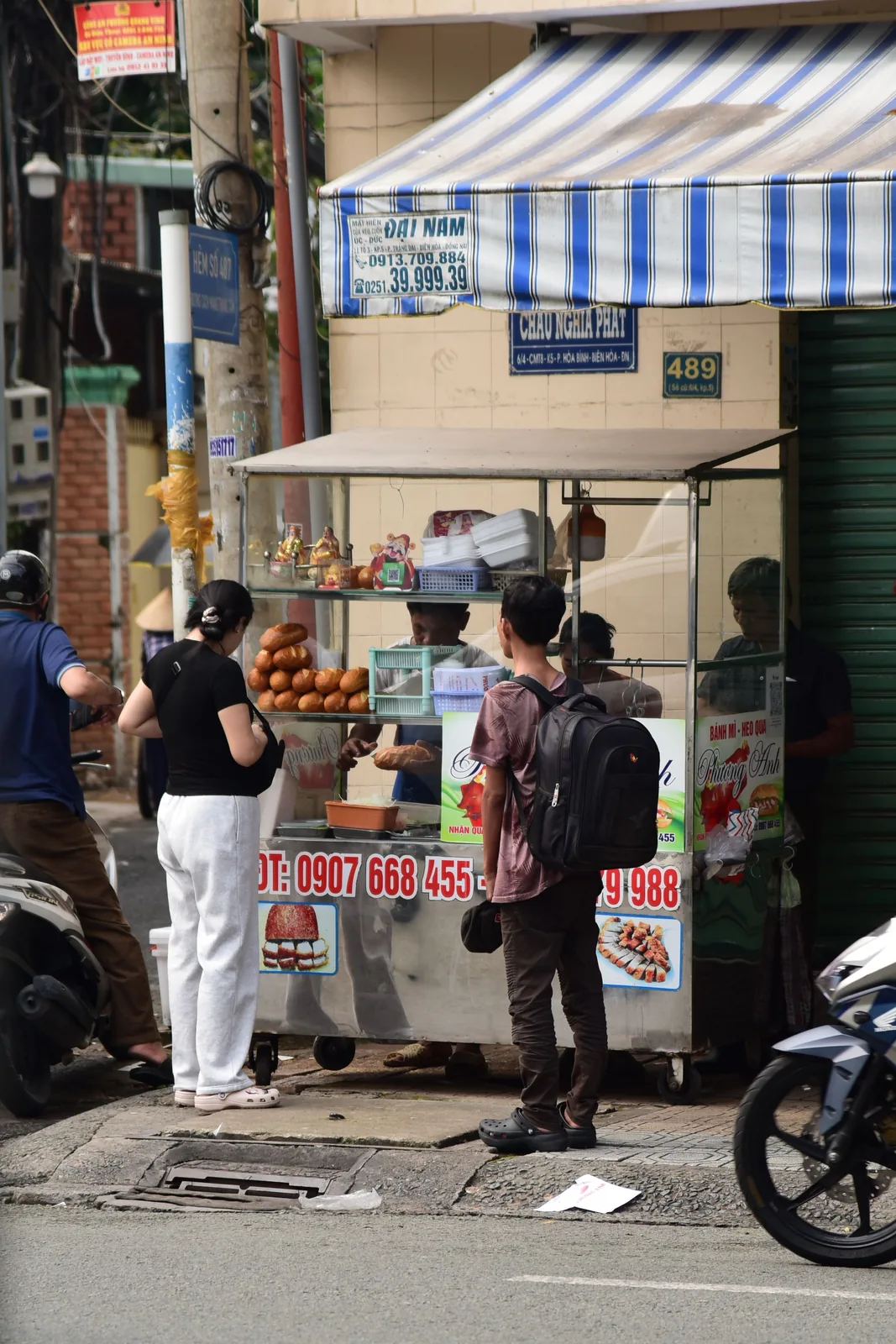
Street food is a major part of eating in Vietnam: pho at a Hanoi stall, bánh mì assembled to order, and bún bò Huế in Huế. With a food allergy, the goal is not to prove that every dish can be adapted; it is to find meals whose ingredients and preparation you can understand.
The answer depends on your specific allergy, the stall type, the dish, and whether you can communicate clearly enough for the information to reach the person preparing the food.
This guide focuses on the decision-making: how to read a stall before you approach, what to ask, and when the risk is manageable versus when it isn't. For the ingredient-level detail (which specific dishes contain which allergens) see Hidden Allergens in Vietnamese Food.
In this guide
Understanding Vietnam's street food culture
Vietnamese street food varies by region and by stall, so the useful question is not whether a dish is generally suitable. It is whether this vendor can explain this recipe and preparation clearly enough for your allergy plan.
Specialization can help with questions. A vendor who focuses on one dish may have a shorter, more consistent ingredient list than a multi-dish stall. That can make the recipe easier to explain, but it does not prove that the dish is free from your allergen or cross-contact.
Regional variation matters. Vietnamese recipes change between north, central Vietnam, and the south. A dish prepared in Hanoi may not use the same sauces or fermented products as the version served in Huế or Ho Chi Minh City. Ask about this vendor's recipe rather than relying on a general description of the dish.
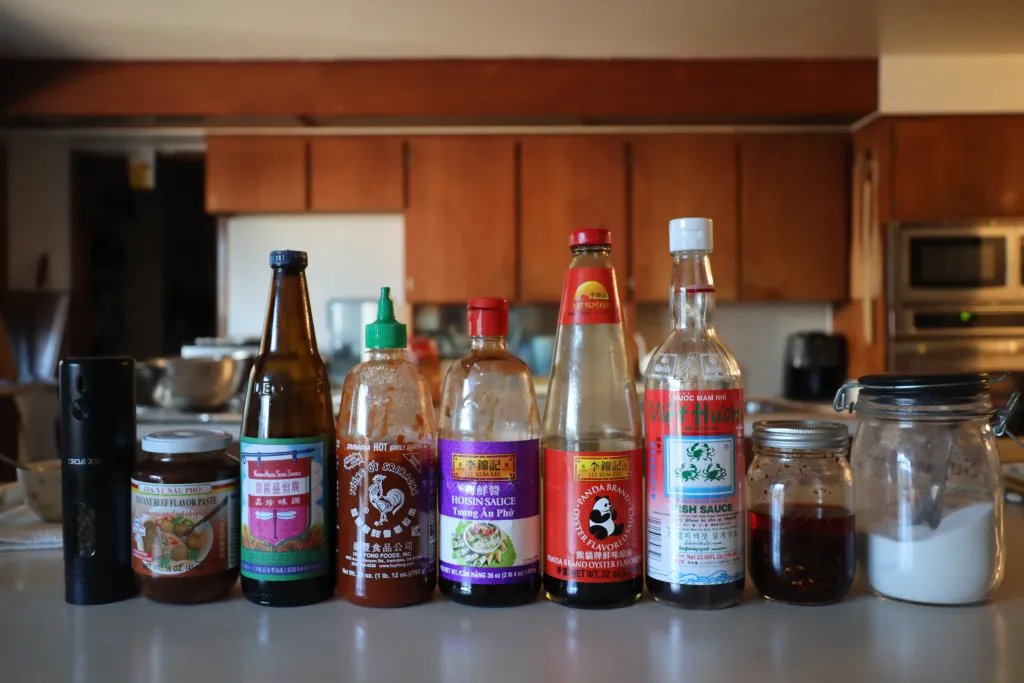
Condiments need their own check. Nước chấm, hoisin, chili sauce, and herb plates may arrive alongside a dish. Ask what each contains and avoid shared bowls or bottles if they may have contacted your allergen.
Shared cooking equipment: the real cross-contact risk
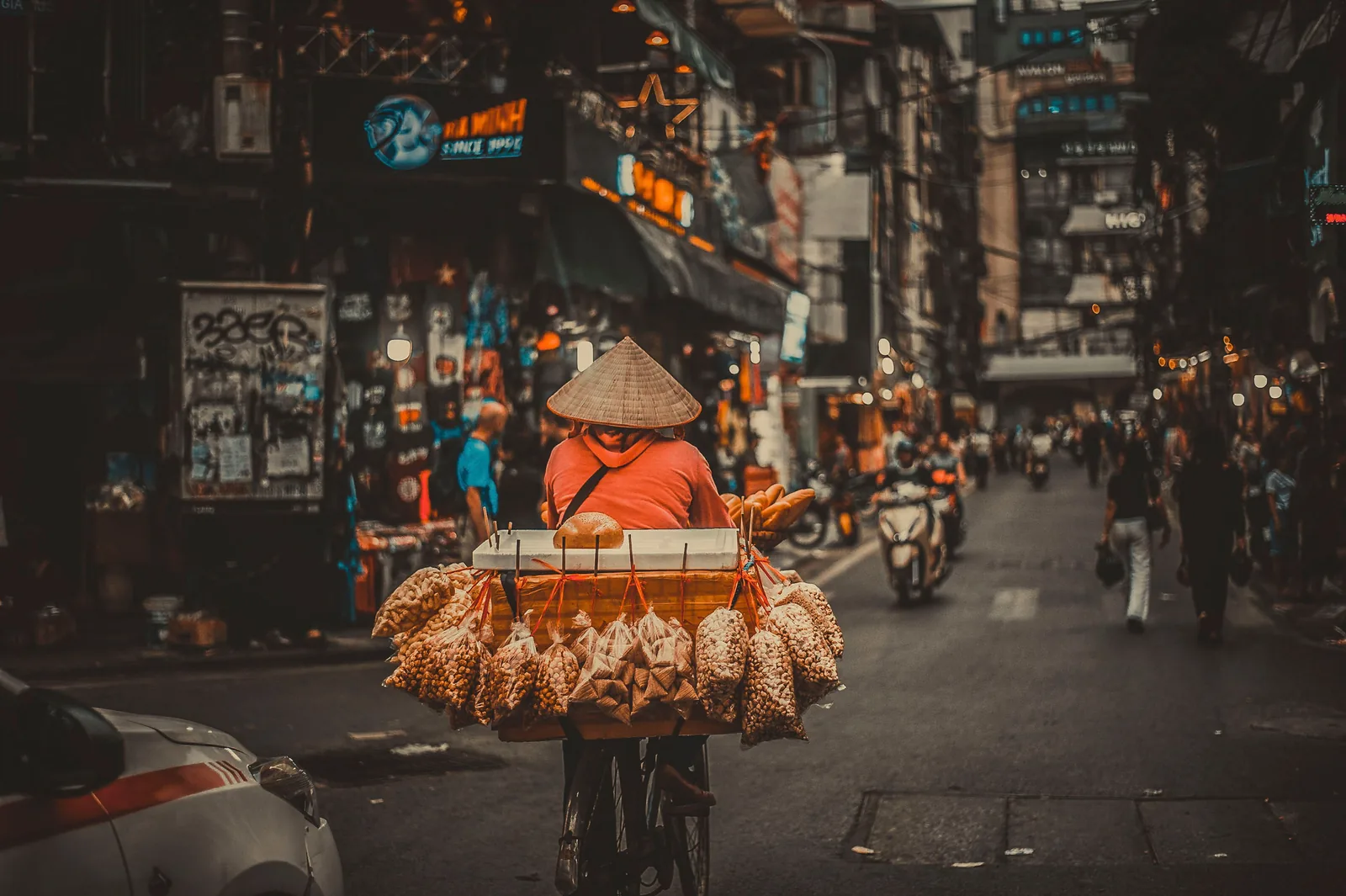
Before getting into specific allergens, check the physical setup of the stall. A dish may have a simple ingredient list and still contact an allergen through equipment, oil, garnish containers, or shared broth.
Shared pots and broth. A single pot may serve every bowl at a pho stall. Ask what is in the broth and whether the ladle is shared; the broth is usually not made to order for one customer.
Shared utensils and tongs. Tongs, ladles, serving spoons, knives, and boards may move between dishes. Ask whether clean equipment is available; removing one ingredient does not undo contact that already happened.
Shared garnish stations. Peanuts, dried shrimp, and sesame may be added from communal containers. Ask for a clean utensil only if the vendor can provide one and keep the garnish area separate.
Shared cooking oil. A fryer may be used for shrimp, battered foods, tofu, and other items. Ask whether the oil and basket are shared before ordering fried food.
Peanut risks at Vietnamese street stalls
Peanuts in Vietnamese street food appear as garnishes and sauce ingredients. The oil still needs checking, especially at a busy fryer or stall, because recipes and equipment vary.
What remains is the garnish and sauce problem. Crushed peanuts are scattered over bún dishes from a shared bowl with a communal spoon. Peanut-based dipping sauces are common with gỏi cuốn (fresh spring rolls) and bánh xèo. The sauce looks similar to non-peanut sauces and won't always be labeled.
A pho stall may be easier to assess for a peanut allergy if the broth, garnish plate, condiments, and utensils are all checked. Do not assume the broth or garnish plate is peanut-free; ask before eating and keep unverified sauces aside.
A higher-risk scenario is a bún stall where peanuts are added from a shared bowl or spoon. Asking for no peanuts does not solve contact that may already have occurred through the spoon, board, or preparation surface.
Shellfish risks at Vietnamese street stalls
Shellfish risk in Vietnamese street food comes from two directions: visible shellfish as an ingredient, and invisible shrimp-based fermented products used as flavoring.
Visible shellfish is easier to identify, but shrimp paste, dried shrimp, and shrimp-based sauces can be harder to spot. They may appear as condiments, dipping sauces, or broth components in dishes that do not look like seafood dishes.
Bún bò Huế is one example where recipes may use mắm ruốc, a fermented shrimp product, in the broth. Ask about this vendor's broth; if it is already prepared with shrimp paste, removing a garnish will not make it suitable for a shellfish allergy.
A lower-risk setup is a stall that does not handle your allergen at all, such as a fruit stall or a venue whose equipment and menu you can verify. Asking a seafood-heavy stall to modify one dish may leave the cross-contact problem unaddressed.
Fish sauce risks: the invisible seasoning
Nước mắm is common in Vietnamese seasoning. It may go into broth, grilled-meat marinades, dipping sauces, or the dish as a finishing ingredient. A savory dish may contain it even when no fish is visible, so ask about the specific recipe.
For someone avoiding fish, asking for “no fish sauce” is necessary but may not be enough if the broth, marinade, or sauce was prepared in advance. If the vendor cannot explain what was used, choose another meal.
Fruit or plain rice may be simpler starting points, but check cutting boards, toppings, sauces, and shared containers. Chay or vegan venues may avoid fish sauce, but ask about soy, mushrooms, shared equipment, and the specific preparation rather than treating the label as a guarantee.
Soy risks in Vietnamese street food
Soy sauce (nước tương or xì dầu) appears in some Chinese-influenced dishes, stir-fries, grilled-meat marinades, noodle dishes, and bánh mì preparations. It is not universal, so ask about the specific dish and sauce.
For soy-allergic travelers, ask about dark or glossy sauces, hoisin, marinades, stir-fried noodles, tofu, and shared utensils. Plain rice or broth may be simpler, but only after the ingredients and preparation are confirmed.
Wheat risks in Vietnamese street food
Common wheat questions include bánh mì bread, conventional soy sauce, hoisin, flour-based batters, and shared fryers. Pho and bún noodles are often rice-based, but check the noodles, broth, sauces, fillings, utensils, and preparation surface.
Bánh mì bread is visibly wheat-based, but removing it does not certify the fillings or surface. Marinades in grilled-pork dishes and sauces in stir-fries need their own checks.
Street-food options that may be easier to assess
The goal is to identify options whose ingredients and preparation you can actually verify. The examples below describe where to start asking questions, not guarantees.
Pho (beef or chicken)
Ask about broth, noodles, toppings, condiments, utensils, and cross-contact. Keep unverified sauces aside; a rice noodle base is not a guarantee.
Fresh-cut fruit stalls
Mango, pineapple, dragon fruit, and watermelon may be simpler choices. Check the knife, board, gloves, toppings, and any sauce or seasoning.
Chay (vegetarian) restaurants
Chay or vegan venues may avoid fish sauce and shellfish, but ask about soy, peanuts, sesame, mushrooms, and shared equipment. The label alone is not enough.
Plain grilled meats (without sauce)
Ask about the marinade, grill, tongs, and dipping sauce. Removing sauce at the table does not remove an allergen already used in the marinade or on shared equipment.
Bún bò Huế
Some recipes use mắm ruốc in the broth. Ask before ordering; if the prepared broth contains shrimp paste, removing a garnish will not solve the problem.
Seafood market stalls
Seafood handling may involve shared surfaces, oil, knives, tongs, and sauces. For a serious shellfish or fish allergy, choose another venue if the setup cannot be explained.
Bánh xèo (sizzling pancakes)
May contain shrimp and is served with sauces or garnishes. Check the filling, batter, dipping sauce, oil, and preparation.
Multi-dish stalls with one wok
Shared woks, grills, utensils, sauces, and garnish stations may create cross-contact. If the vendor cannot explain the setup, choose another stall.
Questions to ask vendors before ordering
Asking the right questions changes the information you get. "Can I eat this?" is too vague. These are more useful:
- Does this dish have fish sauce (nước mắm) in it or in the sauce?
- Does the dipping sauce contain shrimp paste (mắm tôm) or peanuts (lạc)?
- Are peanuts added as a garnish? Is the same spoon used for other dishes?
- Is the broth made with fish sauce or shrimp-based ingredients?
- Is there soy sauce or hoisin in the marinade for the meat?
- Does the same wok or pan cook dishes with shrimp or fish?
Specific answers are more useful than reassurance. If the vendor cannot say what is in the broth, sauce, marinade, oil, or equipment, treat the uncertainty as information and choose another meal.
Using allergy translation cards at Vietnamese stalls
A Vietnamese-language card can preserve the specific ingredients and preparation concerns better than a rushed spoken exchange. Show it before ordering and ask for it to be read by the person preparing the food. It improves communication but does not guarantee that the stall can prevent cross-contact.
The wording should match your actual allergy and the local cuisine. Someone avoiding fish may need to ask about fish sauce, dried fish, fish stock, and fermented fish products; someone avoiding shellfish may need shrimp paste and dried shrimp. Do not add ingredients you do not need without checking the wording.
Show the card before choosing a dish. A vendor who explains what they can or cannot accommodate has given you useful information. A nod without an ingredient or preparation answer is not confirmation; ask again or leave.
Build a Vietnamese-English allergy card covering your specific allergens with local ingredient names
Build My CardFor the full explanation of how allergy cards work, when they're effective, and what they should include, see Do Food Allergy Translation Cards Actually Work?
Building a personal risk strategy
There is no single answer to whether Vietnamese street food suits a food allergy. Use these variables to decide whether a particular stall and dish fit your own allergy plan.
Use these as questions before each stall. A “lower risk” column is not a safety certification. If the stall cannot answer the important questions for your allergy, make a different choice.
Emergency preparedness
Carry the medication prescribed in your allergy action plan every time you leave your accommodation, including epinephrine if prescribed. Keep it with you rather than in checked luggage, and bring enough for the full trip plus delays.
Vietnam's ambulance number is 115. If a serious reaction starts, follow your action plan, use prescribed emergency medication, and call 115 rather than waiting for a vendor or taxi. Emergency calls may be handled in Vietnamese, so keep your location and allergy card ready.
Tell a travel companion, hotel staff member, or someone nearby what is happening. For medical planning in Vietnam, see Emergency Healthcare in Vietnam.
Sources and current-contact notes
Recheck emergency information shortly before departure. Keep your accommodation address, prescribed medication, and allergy card available when you are out at a market or stall.
- UK Foreign, Commonwealth & Development Office: getting help in Vietnam: current emergency numbers and language notes.
- UK Foreign, Commonwealth & Development Office: health advice for Vietnam: ambulance and insurance-planning guidance.
Frequently asked questions
Can I eat Vietnamese street food with a food allergy?
Some Vietnamese street food may be workable, but no stall should be treated as automatically suitable. The decision depends on your allergy, the dish, the stall's equipment, and whether the vendor can answer specific questions. Single-dish stalls may be easier to assess than busy multi-dish stalls, but shared woks, grills, utensils, oils, and sauces can still create cross-contact.
How do you explain a food allergy to a Vietnamese street food vendor?
Show a written Vietnamese card before ordering. List the specific ingredients and forms you must avoid, such as nước mắm or mắm tôm, and ask for the card to be shown to the person preparing the food. A card improves communication; it does not prove that the stall can prevent cross-contact.
Does pho contain common allergens?
Pho recipes vary. Ask about the broth, noodles, seasoning, toppings, sauces, shared utensils, and cross-contact. Hoisin and soy-based sauces may contain wheat or soy, and fish sauce may appear in the broth or at the table. Rice noodles or fresh herbs do not make the finished bowl automatically suitable for your allergy.
What should I check first with a peanut allergy?
Ask about peanuts in the garnish, sauce, marinade, oil, and shared utensils. Pho, grilled meats, and fresh fruit may be useful starting points, but none is automatically suitable. Avoid unverified gỏi cuốn sauces and bún garnishes, and do not treat removing visible peanuts as enough if the preparation is shared.
How should I approach Vietnamese street-food markets with a shellfish allergy?
Start by asking whether the stall handles shrimp, dried shrimp, shrimp paste, or other shellfish, and whether its cooking surfaces, oil, knives, and utensils are shared. Choose a stall that does not handle your allergen when possible; asking for one dish to be modified may not solve the cross-contact problem.
What should I do if I have an allergic reaction at a street-food stall?
Follow your allergy action plan and use prescribed emergency medication immediately. If you have prescribed epinephrine, use it according to that plan and call Vietnam's ambulance number, 115. Tell someone nearby what is happening and seek emergency care. See Emergency Healthcare in Vietnam for hospital contacts.
Key takeaways
- Vietnamese street food is not automatically suitable or unsuitable; the stall, dish, allergy, and communication all matter.
- Check condiments separately: nước chấm, hoisin, chili sauce, and peanut sauces may arrive beside the dish.
- Single-dish stalls may be easier to assess than multi-dish stalls, but neither is automatically suitable.
- For a serious allergy, shared equipment can make a dish unsuitable even when the recipe does not list your allergen.
- Ask about broth, sauces, marinades, garnishes, oil, utensils, and preparation surfaces.
- Show a Vietnamese-language card before ordering and ask for it to reach the person preparing the food.
- Carry prescribed emergency medication. Vietnam's ambulance number is 115.
This article is for informational and travel preparation purposes only and does not constitute medical advice. Always consult a qualified healthcare professional before traveling with a food allergy, and carry any prescribed emergency medication at all times. See our full medical disclaimer.