AllergyPass
Where to Stay in Goa
with Food Allergies
North and South Goa offer different travel patterns, food access, and routes to emergency care. Compare the exact accommodation and beach-shack questions before you book.
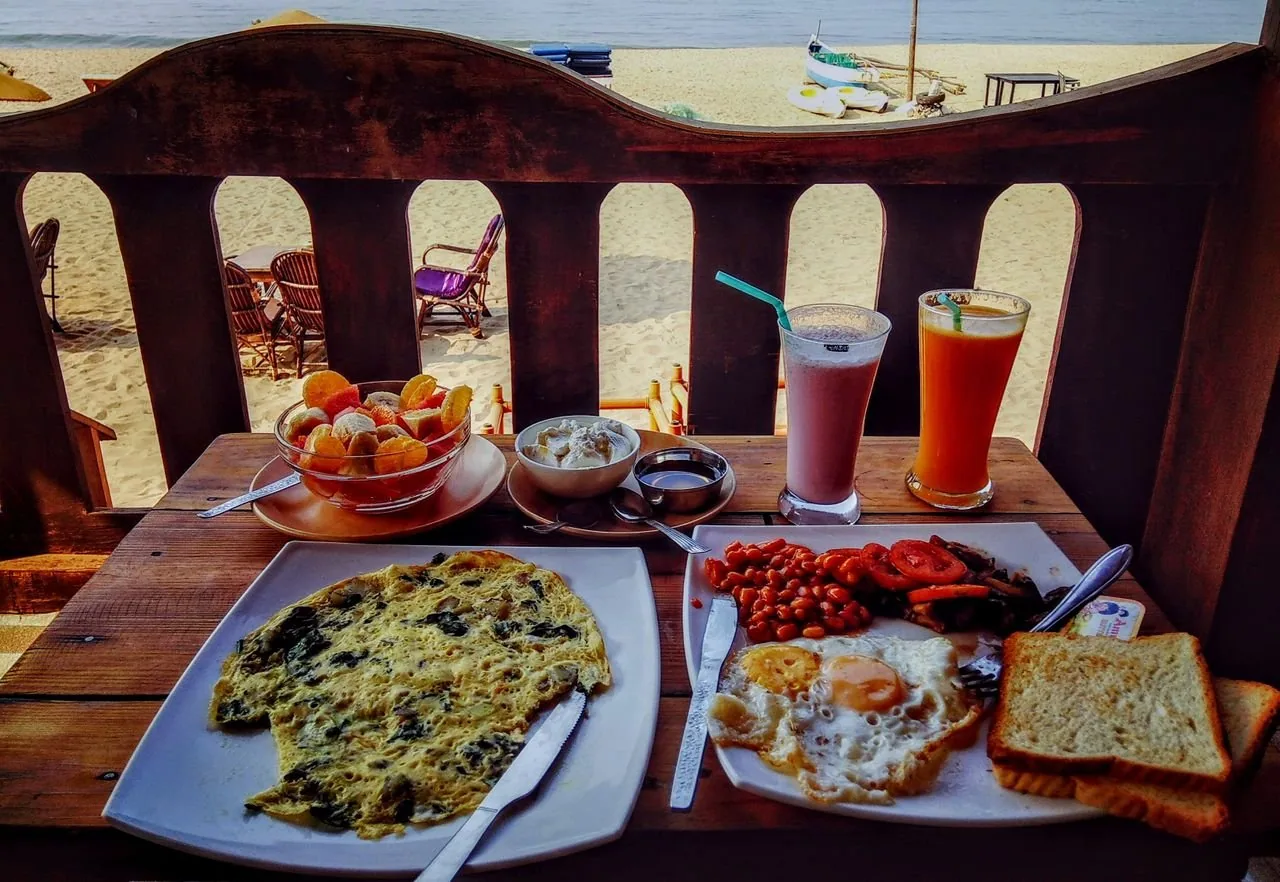 Goa, India
What actually matters for allergy travelers choosing where to stay in Goa
Goa’s beach towns are spread out, so the exact address matters more than a broad North-versus-South label. Compare:
- Emergency route: Which current emergency department would you use from this address, and how will you reach it?
- Food access: Can you reach venues or shops where staff can answer specific ingredient and shared-equipment questions?
- Room and hotel facilities: Is there storage for medication or simple food, and will the property answer kitchen questions before arrival?
North Goa vs South Goa: allergy traveler breakdown
North Goa: Calangute, Baga, Anjuna, Candolim
Calangute, Baga, Anjuna, and Candolim offer different mixes of accommodation, restaurants, and beach shacks. A busier or more tourist-oriented area does not prove that staff can answer an allergen question or that shared equipment is controlled, so check the specific venue and hotel before booking.
For emergency planning, Manipal Hospital Goa in Panaji is the practical hospital choice for travelers staying in these North Goa towns. Confirm its current emergency-department access and contact details from your exact hotel before relying on it.
South Goa: Palolem, Colva, Benaulim, Agonda
Palolem, Colva, Benaulim, and Agonda offer different accommodation and food-access trade-offs. Fewer nearby venues may mean you need a stronger plan for groceries or prepared food, while a quieter setting does not guarantee more detailed allergen answers.
For emergency planning, Apollo Victor Hospital in Margao is the practical hospital choice for travelers staying in these South Goa towns. Confirm its current emergency-department access and contact details from your exact hotel before relying on it.
Questions for beach shacks
Ask about cashew, coconut, fish, shellfish, sauces, fryer oil, grills, pans, utensils, and serving surfaces. A chicken or vegetable dish is not automatically free from seafood contact, and a menu description does not answer every cross-contact question. If staff cannot explain the recipe or preparation clearly, skip the dish or choose a different venue.
Planning emergency care from your accommodation
For a severe reaction, follow your prescribed action plan, use emergency medication as directed, and seek urgent care. India’s official emergency system uses 112. The facilities below are planning starting points only; check current emergency access, location, phone details, and services before travel.
Dona Paula, Panaji. The practical planning point for travelers staying in North Goa (Calangute, Baga, Anjuna, Candolim). Confirm current emergency-department access and contact details before relying on it.
Contact: +91 832 663 2500
Margao, South Goa. The practical planning point for travelers staying in South Goa (Palolem, Colva, Benaulim, Agonda). Confirm current emergency-department access and contact details before relying on it.
Contact: +91 832 272 8888
Confirm your travel insurance covers emergency treatment for an allergic reaction, and ask the insurer how to contact its assistance service. Do not delay urgent care while trying to settle payment or authorization questions.
What to ask before booking a Goa hotel or villa
Ask before you book
- Can the property explain how its kitchen handles my specific allergen, including sauces, oil, and shared equipment?
- Does the property have its own kitchen, and can breakfast staff identify the ingredients and preparation of the food I may need?
- Is there a refrigerator or other storage for medication or simple food?
- What is the current nearest appropriate emergency department from this address?
- Who should I contact at the property if I need help during a medical emergency?
Build your Hindi-English allergy card before your trip so you can state the exact ingredients you need to avoid. Treat it as a communication aid, not as proof that a beach-shack or hotel kitchen is free from cross-contact.
Frequently asked questions
How should I compare North and South Goa with a food allergy?
Compare the exact accommodation address by transport, food and grocery access, room facilities, beach-shack questions, and the route to current emergency care. North and South Goa offer different travel patterns, but neither is inherently safer for allergies.
What should I ask a Goa beach shack about food allergies?
Ask about the exact recipe, cashew, coconut, fish, shellfish, sauces, fryer oil, grill, pans, utensils, and serving surfaces. A busy location or menu description does not prove that staff can verify ingredients. Skip a dish or venue when the answer is unclear.
How should I plan emergency care from my Goa accommodation?
Use your prescribed emergency medication according to your action plan and seek urgent medical care during a severe reaction. India’s official emergency system uses 112. Before travel, identify the nearest appropriate emergency department from your accommodation and recheck its current location, contact details, access arrangements, and services.