 AllergyPass
Where to Stay in Seoul
with Food Allergies
Your Seoul base changes how far you travel for food, where you can buy packaged backups, how much you depend on a hotel kitchen, and how you would reach care. Compare neighborhoods by those daily decisions rather than by a promise that one area is allergy-friendly.
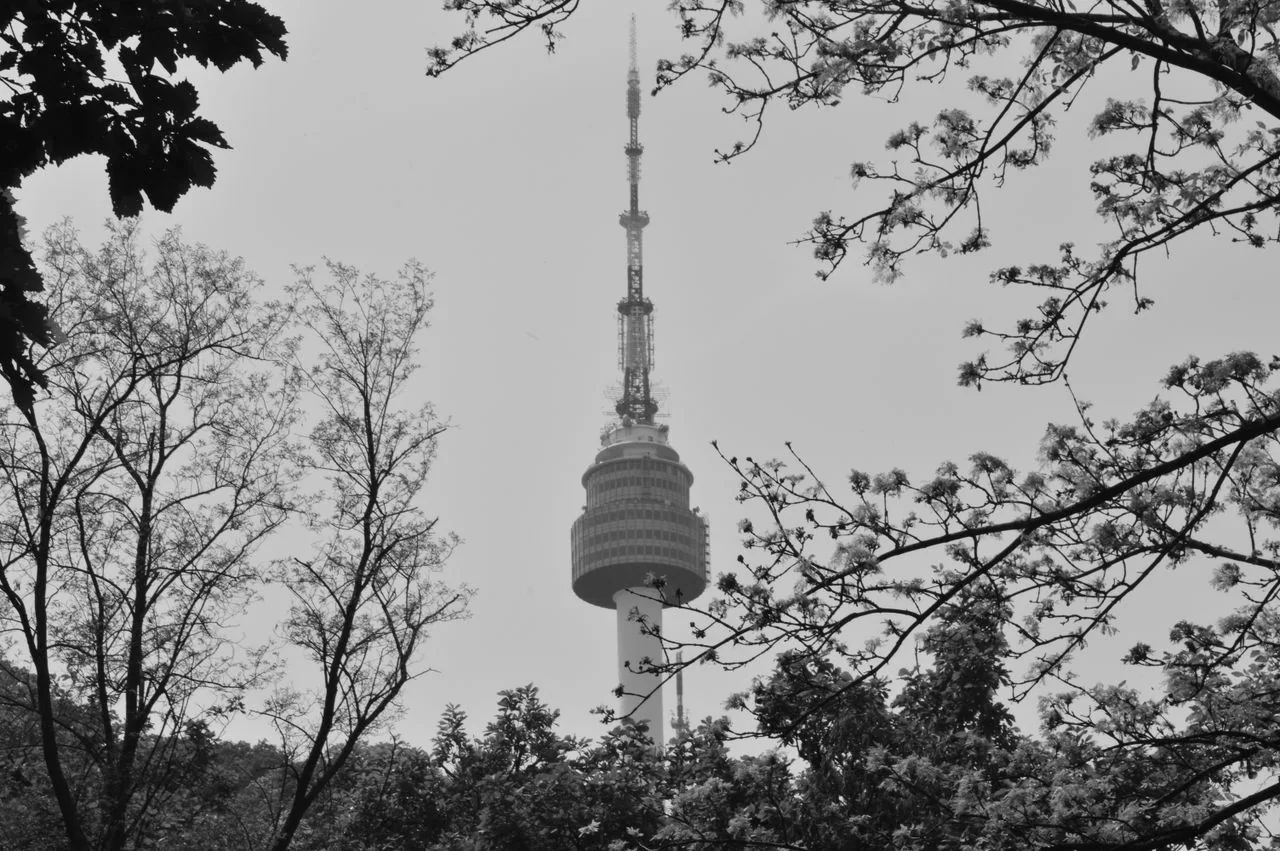 Seoul, South Korea
Build your Korean-language allergy card before you land. Show it at every restaurant, including hotel dining rooms, and ask the kitchen to confirm the actual preparation.
Build My Korea Allergy CardSeoul neighborhoods for allergy travelers
Itaewon and Hannam-dong
Itaewon and nearby Hannam-dong offer international, Korean, cafe, and residential dining options. That variety gives you more venues to screen, but English or an international menu does not answer questions about sesame oil, pastes, kimchi, broths, or shared equipment.
Hotel choices vary from boutique and mid-range properties to larger stays. Ask about breakfast, room storage, restaurant handover, and whether staff can contact the kitchen directly. If you stay elsewhere and commute here for meals, keep a backup plan for traffic or a closed venue.
Samsung Medical Center, at 81 Irwon-ro in Gangnam-gu, has an International Healthcare Center for foreign patients. It is not in Itaewon, so identify the current emergency route from your exact hotel rather than choosing a hospital from a neighborhood description.
Gangnam and Apgujeong
Gangnam is a major accommodation area for international business travelers, with a high concentration of luxury full-service properties. Those properties may have a restaurant team you can contact before arrival, but kitchen practices vary: send your specific request in advance and confirm it again in person.
Gangnam and Apgujeong have full-service hotels, malls, restaurants, and packaged-food shops. A mall makes shopping convenient, but read current labels and ask about prepared-food handling. In hotels, send the exact request to breakfast and restaurant teams, not only reservations.
Samsung Medical Center, at 81 Irwon-ro in Gangnam-gu, has an International Healthcare Center for foreign patients. Confirm its current emergency access, language support, and route from your exact hotel before relying on it. A large hospital or a higher room rate does not replace an emergency plan.
Myeongdong and Jung-gu
Myeongdong is Seoul's most tourist-dense neighborhood and the geographic center of the city. The hotel concentration is high across all price points. For sightseeing access, it is a convenient base: Gyeongbokgung Palace, Namsan Tower, and the central shopping districts are all accessible on foot or by short metro.
Myeongdong is convenient for sightseeing and has many hotels, shops, and street-food stalls. Egg breads, tornado potatoes, tteokbokki, fried food, sauces, and shared oil need dish-specific questions. If a stall cannot pause to read the card, treat it as a sightseeing stop and eat elsewhere.
Before booking, identify a packaged-food shop, hotel storage option, and emergency route from the actual property. Do not use the tourist-district label as a substitute for those checks.
Hongdae and Sinchon
Hongdae and Sinchon combine cafes, independent restaurants, Korean BBQ, student-priced food, and street stalls. A young or international crowd may make a conversation easier, but it does not tell you what is in a sauce or whether a grill is shared. Ask about sesame oil, marinades, banchan, and cooking surfaces.
Hotel choices tend toward budget and mid-range. Ask about refrigerator access, breakfast, and the nearest packaged-food backup before booking.
Severance Hospital, Yonsei University, is in Sinchon, Seodaemun-gu and has an International Health Care Center for foreign patients. Confirm its current emergency access, language support, and route from your exact hotel before relying on it.
Supermarkets and packaged-food backups
E-mart and Homeplus: current store locations and stock vary. Use them to look for sealed products, read the Korean label, and keep a backup in case the restaurant plan fails.
SSG Food Market and department stores: imported products may have English information, but stock and advisory statements change. Treat an English label as a reading aid, not a cross-contact answer.
Convenience stores: useful for sealed packaged food, but prepared items and loose food need separate questions. Do not assume every item carries the same allergen information.
Itaewon specialty shops: may offer imported products, but verify current labels and storage conditions yourself.
Emergency care planning in Seoul
Samsung Medical Center (Gangnam-gu), Severance Hospital, Yonsei University (Sinchon, Seodaemun-gu), and Asan Medical Center (Songpa-gu near Olympic Park) each provide international-patient services. Contact the facility you plan to use directly for current emergency access, language support, and payment information. A named hospital may be useful for planning, but its location is not a guarantee that it is the right destination for your reaction.
For a life-threatening reaction, use your prescribed emergency medication and call 119 first. Do not delay care while trying to reach a particular hospital or arrange a translation.
Keep your allergy card and medication with you, and ask your hotel how it would communicate the address and help direct responders. Recheck current facility details rather than relying on an old phone number.
What to ask your Seoul hotel before arrival
Email these questions before you arrive
- Can your restaurant kitchen explain sesame oil, pastes, kimchi, banchan, sauces, broths, and shared equipment for my exact allergen?
- Can breakfast staff identify ingredients and shared serving utensils rather than only point to a dish label?
- Does the room have a refrigerator or other useful storage for backup food?
- Where can you buy current packaged-food backups, and what happens if the shop is closed?
- What is the current emergency route from the property, and can staff communicate the address in Korean?
- Will my request be handed from reservations to breakfast, restaurant, housekeeping, and evening staff?
Frequently asked questions
How should I choose a Seoul neighborhood with a food allergy?
Compare Myeongdong, Itaewon, Gangnam, and Hongdae by the food routine you want, nearby packaged-food shops, hotel kitchen contact, station access, and your emergency route. Itaewon may give you more international restaurants; Gangnam may suit a hotel- and mall-centered routine; Myeongdong and Hongdae may require more planning around busy street food and shared equipment. No neighborhood removes the need to verify each meal.
What hidden ingredients should I ask about in Seoul?
Ask about sesame oil, ganjang, doenjang, gochujang, kimchi and jeotgal, broths, marinades, shared banchan, and cooking surfaces. These ingredients can appear across Seoul, so a neighborhood or restaurant style is not enough to answer the question. Use a written Korean-language card and confirm the particular dish and preparation.
What should I ask a Seoul hotel about food allergies before arrival?
Email your exact allergens before booking and ask about breakfast, banchan, room service, storage, shared equipment, sesame oil, fermented pastes, kimchi, and staff handover. Ask where current packaged-food backups can be bought and how the property would help you reach emergency care. A full-service property may be easier to contact, but no hotel kitchen should be assumed to prevent allergens or cross-contact.

This article is for informational and travel preparation purposes only and does not constitute medical advice. Always consult a qualified healthcare professional before traveling with a food allergy, and carry any prescribed emergency medication at all times. See our full medical disclaimer.