 AllergyPass
Food Experiences in Seoul
with Food Allergies
Seoul offers memorable food experiences, but soy, sesame, wheat, seafood, sauces, and shared equipment can be easy to miss. This guide focuses on the questions to ask before booking a class or tour, ordering at a stall, or joining a Korean BBQ meal.
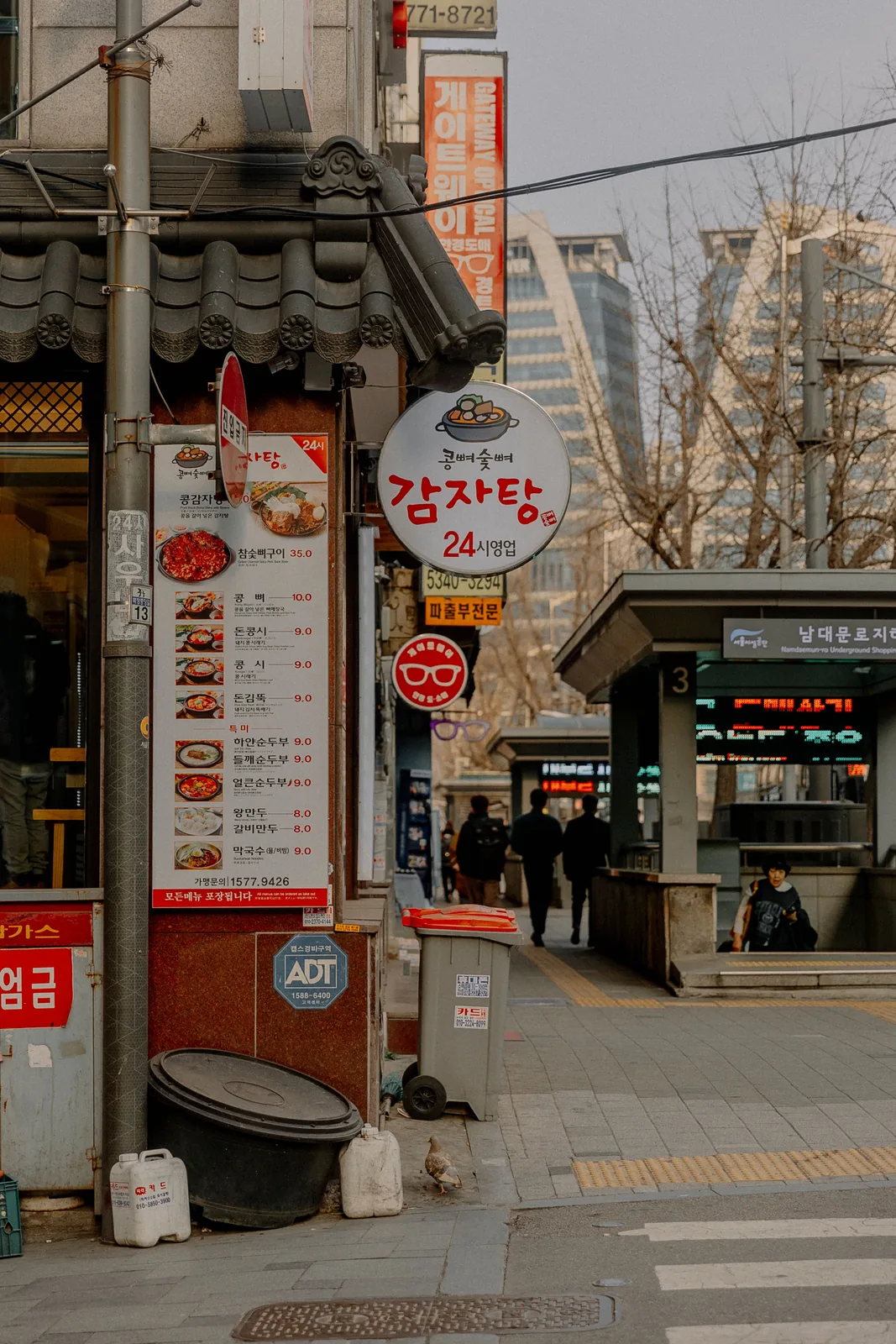 Seoul, South Korea
In this guide
Korean BBQ with a food allergy
Korean BBQ (gogi-gui) is one of Seoul's defining food experiences. Cooking at the table may make the main ingredient easier to identify, but it does not remove questions about marinades, grill surfaces, tongs, sauces, banchan, or other diners' food. Ask what the restaurant can keep separate before ordering.
The meat: what to order
Samgyeopsal (pork belly) and chadolbaegi (thinly sliced beef brisket) are often served without a marinade, but confirm that at the restaurant. Ask whether the meat arrives seasoned, whether the grill and tongs are shared, and whether staff can keep sauces off your portion. An unmarinated cut does not answer the cross-contact question.
Galbi (marinated short ribs) and bulgogi (marinated thinly sliced beef) commonly use ganjang, sesame oil, garlic, and sugar, but recipes vary. Ask whether the meat is marinated and what is in the marinade: “Is this meat marinated?” (Yangnyeom i doeeo it-na-yo?). If you need plain meat, confirm how it will be cooked and served.
Banchan and sauces: the hidden allergen zone
Banchan (small side dishes delivered automatically before ordering) can contain several different allergens. Kimchi may include jeot such as salted shrimp or anchovy. Spinach namul may use sesame oil and ganjang; bean sprouts may use sesame oil; and japchae commonly uses soy sauce and sesame. Ask about each dish instead of accepting the plate as a single item.
Some restaurants may have kimchi made without jeot, but do not assume that from the word “vegan” or from appearance alone. Ask directly: “Kimchi-e saeujeot deureo innayo?” (Does the kimchi contain salted shrimp?) and ask about shared serving utensils.
Dipping sauces may include ssamjang, doenjang, gochujang, sesame oil, garlic, and ganjang. Ask about the exact sauce. Plain salt may be an option, but confirm that the salt is served with clean utensils and that the meat is not brushed with sauce during cooking.
Markets: Gwangjang, Namdaemun, and night markets
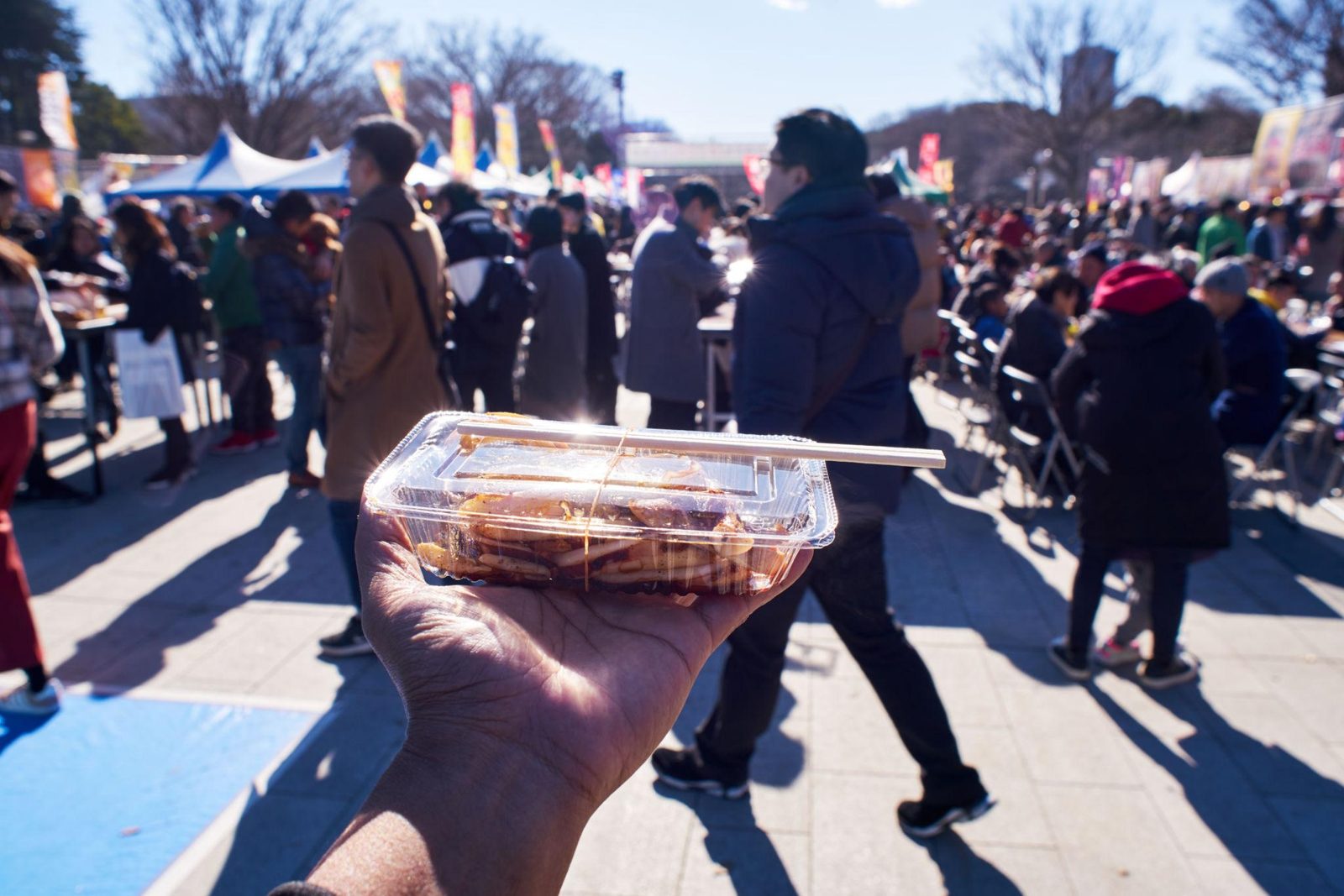
Gwangjang Market
Gwangjang is a collection of independent stalls rather than one kitchen. Browse the menu, then ask the individual vendor about the exact batter, broth, sauce, oil, garnish, and shared pan or utensils. A dish with a simple name may still contain a seasoned base or be cooked beside other foods.
Namdaemun Market and night markets (Dongdaemun, Hongdae)
Namdaemun Market is a general goods and food market with a similar street food profile to Gwangjang. The allergy navigation principles are the same. Dongdaemun and Hongdae night markets skew toward younger food trends: Korean corn dogs (wheat, egg, sometimes cheese), hotteok (wheat, egg, cinnamon sugar filling), tteokbokki, and bungeoppang.
Roasted chestnuts and roasted sweet potatoes (goguma) may have short ingredient lists, but ask about seasoning, shared tongs, and nearby preparation. A simple-looking stall item still needs a quick cross-contact check.
Cooking classes in Seoul
Seoul has cooking classes for international visitors, but the class title does not tell you how the kitchen handles allergies. Before booking, request the menu and ingredient list and ask about ganjang, doenjang, gochujang, sesame oil, jeot, wheat, nuts, shared boards, knives, bowls, and other students' ingredients. Get a written answer about what can be changed.
Kimchi-making classes
Kimchi classes often start with cabbage, gochugaru, garlic, ginger, green onion, and salt, then add a recipe-specific seasoning. Ask whether it includes saeujeot, myeolchi-jeot, soy, sesame, wheat, or prepared paste. A vegan version may still use soy or sesame, and you need to know whether tools and bowls are shared.
For soy allergy, ask whether the paste contains ganjang, doenjang, tofu, or another soybean ingredient. Do not infer the answer from the color or the word “traditional.”
Bibimbap and home cooking classes
Bibimbap includes rice, seasoned vegetables, protein, and often gochujang. Components may be prepared separately, but ask whether the vegetables, protein, bowls, utensils, and topping can be kept separate. Gochujang recipes vary and may include wheat or soy; a substitute is only useful if the instructor can confirm its ingredients.
Ask the school whether it can omit ganjang and sesame oil, what it will use instead, and how it will prevent shared tools or bowls from reintroducing the allergen. “We can leave it out” should come with a description of the preparation.
Tteok (rice cake) workshops
Tteok recipes can be short, but fillings, coatings, colorings, and shared equipment vary. Ask about rice flour, wheat, sesame, nuts, dairy, bean fillings, and any sauces or toppings. Confirm the specific recipe with the school before booking; if the answer is incomplete, attend as a demonstration rather than a tasting.
Get a Korean-language allergy card to show cooking class instructors, BBQ restaurants, and market vendors
Build My Korea CardPojangmacha: street tent dining
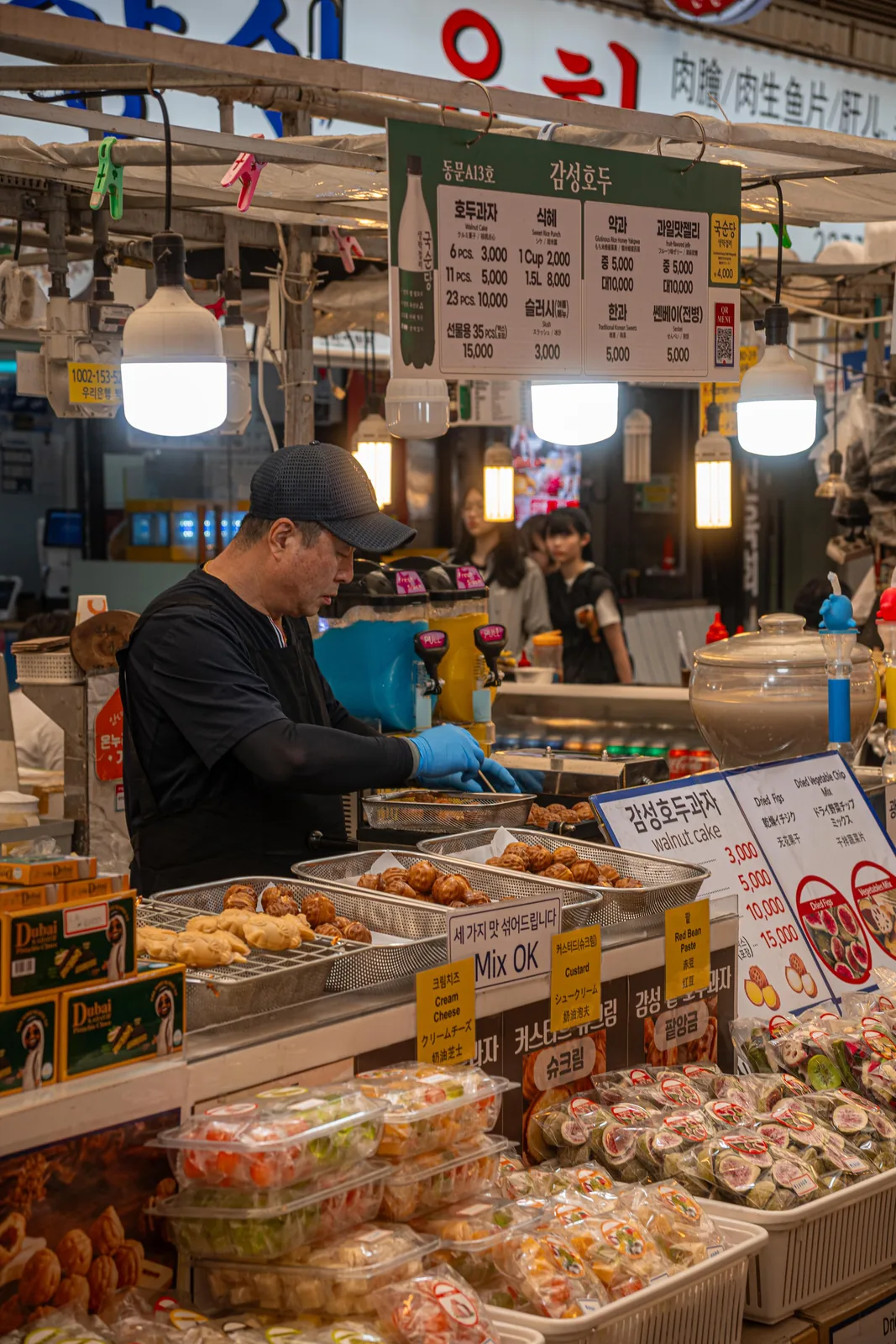
Pojangmacha are the orange-tented street food stalls found throughout Seoul, particularly around subway exits, near Cheonggyecheon Stream, and in residential areas after dark. They are a defining part of Seoul's street food culture and an atmospheric eating experience.
The standard pojangmacha menu includes tteokbokki, eomuk (fish-cake skewers in fish broth), sundae (blood sausage), and fried items. Ask about fish, wheat, gochujang, broth, sauces, and shared oil. The small cooking surface and fast service may make it difficult for a vendor to separate an order or explain every ingredient.
Odeng broth is made for fish-cake skewers and should be screened as a fish-based broth. Plain rice or a grilled meat skewer may be available at some stalls, but ask about marinade, shared grill space, sauces, and tongs. If the vendor cannot answer, enjoy the atmosphere without eating.
Korean convenience stores: an underrated allergy resource
Korean convenience stores (GS25, CU, 7-Eleven, and Emart24) offer a practical way to inspect packaged food in Seoul. The selection includes kimbap, triangle gimbap (onigiri-style), pre-packed bibimbap, instant ramen, steamed buns, and snacks. Read each label; refrigerated prepared foods are not automatically easier to manage than restaurant food.
South Korea's Ministry of Food and Drug Safety lists 22 foods and ingredients for allergen labeling. Packaged convenience-store food commonly presents that information in Korean, which can give travelers more to work with than a verbal answer alone. Still read every label and precautionary statement: the practical challenge for international visitors is Korean script, and product formulations can change.
Key Korean allergen terms to recognize on labels: 밀 (mil, wheat), 대두 (daedu, soy), 우유 (uyu, milk), 달걀 (dalgyal, egg), 새우 (saeu, shrimp), 게 (ge, crab), 조개류 (jogaeryu, molluscs), 생선 (saengseon, fish), 땅콩 (ttangkong, peanut), 참깨 (chamkkae, sesame).
Triangle gimbap (samgak gimbap) is individually packaged, but fillings and labels vary. Check the allergen declaration and precautionary statement, including for tuna, squid, kimchi, sauces, and sesame. Do not choose a vegetable or kimchi flavor solely because the name sounds simple.
Han River picnic culture
Eating at a Han River park is a Seoul tradition. The parks have convenience-store kiosks and delivery options, but the practical plan is to bring a packaged item whose label you have read and keep your medication and allergy card with you. Delivery menus, pickup points, and products can change, so do not rely on a park-wide food assumption.
Chimaek (chicken and beer) is the classic Han River combination, but fried chicken usually involves batter and shared oil. Ask the vendor about wheat, sesame seasoning, sauces, and fryer separation. A plain grilled option may be available, but verify the marinade and preparation rather than assuming a delivery menu can modify it.
Food tours in Seoul
Seoul food tours come in private and group formats, often covering Insadong, Bukchon, Myeongdong, or Gwangjang Market. A private guide may have more time to coordinate, but the guide cannot guarantee a venue's kitchen. Ask for the exact stop list, menu, and plan for skipping a tasting.
When contacting an operator, state your specific allergens in writing, ask whether each vendor or restaurant can be pre-briefed, and request a draft itinerary. Ask what the guide will do when a vendor cannot answer. A confident promise is less useful than a clear stop-by-stop process.
For a soy allergy, you may prefer a tour whose venues can explain sauces and preparation rather than a route built around spontaneous market tastings. For any allergy, choose an operator that will skip or replace a stop when the recipe, kitchen, or shared equipment cannot be verified.
Communicate your allergy in Korean. Generate a Korean-English allergy card covering soy, sesame, shellfish, and all your specific allergens in Korean script.
Build My Korea CardFrequently asked questions
Can I do Korean BBQ with a food allergy?
Korean BBQ may give you a clearer main ingredient because the meat is cooked at the table, but ask about marinades, grill surfaces, tongs, sauces, and banchan. Confirm whether the meat is unmarinated and whether the restaurant can keep your portion and tools separate. For shellfish allergy, ask whether kimchi contains saeujeot or other fermented seafood.
How should I approach Gwangjang Market with food allergies?
Treat it as a collection of individual stalls. Ask about the exact batter, broth, sauce, oil, garnish, and shared pan or utensils. Mayak gimbap visibly uses sesame; tteokbokki may involve gochujang, wheat, fish cake, and shared serving tools; japchae commonly uses soy sauce and sesame oil. If a vendor cannot answer, browse without tasting.
Are Seoul cooking classes manageable with food allergies?
Possibly, if the school provides the menu and explains what it can change. Ask about ganjang, doenjang, gochujang, sesame oil, jeot, wheat, nuts, shared boards, knives, bowls, and other students' ingredients. Get a written answer about substitutions and separation before booking.
Which Seoul street foods may be easier to screen?
Roasted chestnuts or sweet potatoes may have short ingredient lists, but ask about seasoning, shared tongs, and nearby preparation. Hotteok and bungeoppang usually involve wheat and may involve egg or shared griddles. Eomuk, tteokbokki, and haemul pajeon require questions about fish, seafood, wheat, sauces, and shared surfaces.
This article is for informational and travel preparation purposes only and does not constitute medical advice. Always consult a qualified healthcare professional before traveling with a food allergy, and carry any prescribed emergency medication at all times. See our full medical disclaimer.